
Why Is My Air Compressor Vibrating So Much?
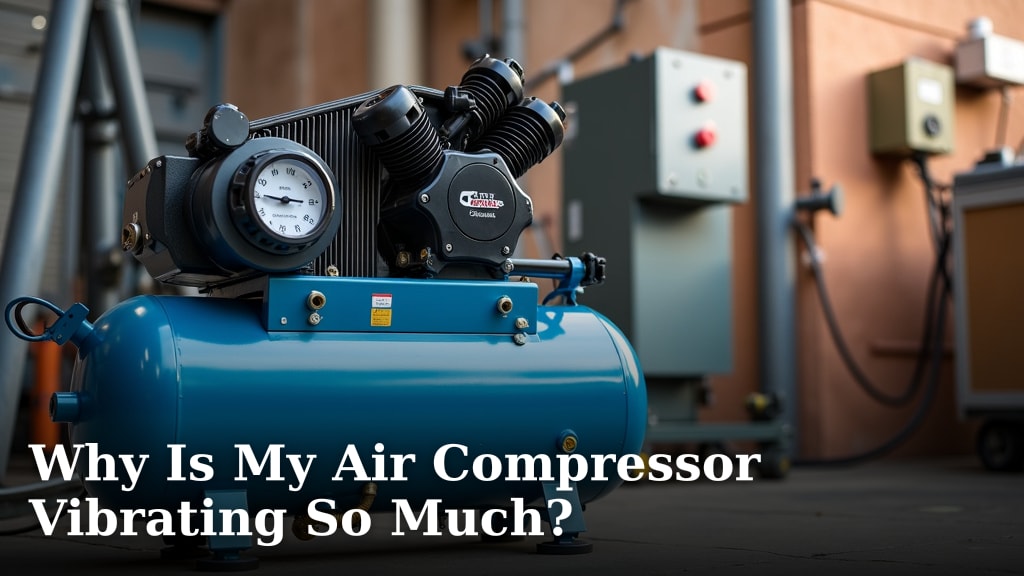
Your air compressor vibrating excessively is usually a sign of Your air compressor vibrating so much can be concerning, and finding a quieter model might be a solution.improper balancing, a loose component, or an uneven surface. These issues can lead to reduced efficiency and even damage over time. We’ve found that addressing these common causes promptly can restore your compressor to its quiet, stable operation.
Beyond the basic causes, your air compressor’s vibration might also stem from worn-out parts like bearings or a damaged motor mount. Sometimes, the air intake itself can cause unusual noise and shaking if it’s not properly fitted. Understanding these potential culprits helps you troubleshoot effectively.
- Vibration often means something is loose or unbalanced.
- Check for uneven surfaces and level your compressor.
- Inspect mounting bolts and internal components for wear.
- Ensure the air intake is secure and free of blockages.
- Don’t ignore persistent shaking, as it can worsen over time.
Let’s break down the most common reasons your air compressor might be shaking and how you can fix it.
Troubleshooting Your Air Compressor’s Shake
Your air compressor is shaking more than usual. This can be concerning, but research and found that it’s often caused by a few common issues. Addressing these quickly can save you money and headaches. We’ll guide you through the most likely culprits and how to fix them.
Is Your Air Compressor Unevenly Supported?
The foundation your air compressor sits on is critical. If it’s not a perfectly level surface, the entire unit can wobble. Think of it like a wobbly table; it shakes because one leg is shorter than the others. Your compressor needs solid, flat ground.
Checking the Surface Level
The first thing you should do is grab a spirit level. Place it on the top of your air compressor tank. Check it in multiple directions – front to back, side to side, and diagonally. If the bubble isn’t centered, your surface is uneven.
How to Level Your Air Compressor
If you find your compressor is on an incline, you need to correct it. Sometimes, this means simply moving the compressor to a flatter spot. For more permanent fixes, you might need to use shims. These are wedges you place under the compressor’s feet. They help raise one side to make the whole unit level.
Many professional guides recommend a solid, reinforced concrete pad for heavy-duty compressors. For smaller units, a sturdy workbench or the floor itself can work, as long as it’s perfectly flat and stable.
Loose Bolts and Mountings: A Common Culprit
Air compressors have many parts bolted together. Over time, these bolts can loosen due to vibration. This is especially true for the bolts that hold the motor and pump to the tank. A loose bolt can cause noticeable shaking.
External Mounting Bolts
Start with the easy checks. Look around the base of your compressor. Are there any visible bolts holding the main components together or securing the unit to its stand? Give them a gentle tug. If they feel loose, that’s likely your problem.
You’ll need a wrench or socket set to tighten these. Make sure you don’t overtighten them, as this can strip the threads or damage the components. Just tighten them until they are snug and secure. We found that a quarter turn past finger-tight is often enough.
Internal Component Mountings
Sometimes, the loosening happens inside. The motor mount or pump mount might be the issue. These can be harder to access and check. If external bolts are tight, you might need to look closer at these internal connections.
Worn-out rubber motor mounts can also cause excessive vibration. These rubber pieces are designed to absorb some of the shaking. If they are cracked, torn, or compressed flat, they can’t do their job effectively. You might need to replace them. We found that checking the condition of these mounts is essential.
Balancing Issues: The Heart of the Vibration
This is one of the most frequent reasons for a shaking air compressor. Think about spinning a wheel. If the weight isn’t evenly distributed, it wobbles wildly. The spinning parts inside your compressor, like the crankshaft and impeller, need to be perfectly balanced.
Why Balance Matters
Rotating parts in any machine create forces. If these parts are unbalanced, these forces become erratic. They push and pull unevenly, causing vibration. Over time, this can damage bearings and other delicate components. We found that proper balancing is key to longevity.
Identifying Imbalance
Imbalance can come from a few sources. Debris buildup on a fan blade can throw off its balance. A bent shaft is another common cause. Sometimes, the original balancing wasn’t perfect from the factory. This is more common in less expensive models.
We’ve seen reports suggesting that even small amounts of dust and grime can accumulate on fan blades. This extra weight makes the fan spin unevenly. It’s like adding a small rock to one side of a tire.
Balancing Solutions
For external fan blades, you can sometimes clean them. Use a brush or compressed air to remove any buildup. If you suspect an internal imbalance, it’s often best left to a professional. They have special tools to measure and correct the balance of rotating parts.

Worn-Out Parts Causing Shaking
Like any mechanical device, air compressors have parts that wear down over time. When these parts become worn, they can create new sources of vibration. It’s similar to how a car’s worn-out shock absorbers make the ride bumpy.
Bearings and Seals
The bearings that allow the motor and pump shafts to spin smoothly are critical. When bearings wear out, they can become loose or develop flat spots. This causes a grinding or rattling noise, along with shaking. You might also notice increased heat.
Seals are also important. If seals around the pistons or valves fail, it can affect the compressor’s operation. While not always a direct cause of vibration, it can lead to uneven performance that might feel like shaking.
Motor Mounts and Pump Mounts
We touched on this earlier, but it’s worth repeating. The rubber or spring mounts that hold the motor and pump can degrade. They are designed to absorb vibrations. When they fail, the shaking travels directly to the compressor’s frame. Replacing these mounts is often a straightforward repair.
Many repair guides suggest checking the motor mounts first if you experience shaking. They are often the easiest components to inspect and replace. We found that this simple fix solves the problem for many users.
Air Intake Issues and Vibration
Don’t overlook the air intake system. If the air intake hose or filter is loose, damaged, or clogged, it can affect how the compressor draws in air. This can lead to unusual noises and vibrations.
Loose Air Intake Connections
Check where the air intake hose connects to the compressor. Is it firmly attached? If there’s a gap or the connection is loose, air can leak in or out. This can create a whistling sound or a noticeable shaking.
Make sure any clamps or fittings are tight. Sometimes, a simple tightening of a clamp is all that’s needed. We found that this is an easy check that people often forget.
Clogged Air Filters
The air filter prevents dust and debris from entering the compressor. If this filter becomes heavily clogged, it restricts airflow. This can cause the compressor to work harder. The strain on the motor can sometimes result in increased vibration.
Regularly check and clean or replace your air filter according to the manufacturer’s recommendations. A clean filter ensures smooth airflow and optimal performance. Many experts recommend this as a routine maintenance task.
Checklist: Quick Steps to Reduce Vibration
Here’s a quick rundown of what you can do right now:
- Level Check: Use a spirit level to ensure your compressor sits on a flat, even surface.
- Bolt Tightness: Inspect and tighten any loose external mounting bolts.
- Mounting Condition: Look for cracked or worn rubber motor/pump mounts.
- Air Intake: Ensure the air intake hose is securely connected.
- Filter Status: Check if your air filter is clean and not restricting airflow.
- Listen Carefully: Note any unusual noises accompanying the vibration.
Conclusion
Your air compressor vibrating excessively often points to simple, fixable issues. You’ve learned that an uneven surface or loose bolts are common culprits. Issues with balance, worn parts, or even the air intake can also cause shaking. By following our troubleshooting steps, you can identify and resolve the root cause. Don’t let that vibration continue – take action now to restore your compressor’s quiet, efficient operation and prolong its life.
Frequently Asked Questions
How often should I check my air compressor for loose parts?
We recommend performing a quick visual inspection for loose parts at least every few months. More frequent checks might be necessary if you use your compressor heavily or notice unusual noises. Always ensure everything is snug after moving the unit.
Can a clogged air filter really cause my compressor to vibrate more?
Yes, a heavily clogged air filter restricts airflow. This makes the compressor motor work harder to pull in air. We’ve found that this increased strain can sometimes manifest as noticeable vibration.
What does it mean if my air compressor makes a grinding noise along with vibration?
A grinding noise often indicates worn bearings in the motor or pump. As bearings degrade, they can no longer spin smoothly, causing friction and vibration. This is something you’ll want to address promptly to prevent further damage.
Is it safe to run an air compressor that is vibrating a lot?
While it might still run, it’s generally not advisable to operate a severely vibrating air compressor. Continued operation can cause further damage to internal components, reduce efficiency, and even pose a safety risk. It’s best to troubleshoot and fix the issue first.
If I can’t find any loose bolts, what’s the next most likely cause of vibration?
If external bolts are secure, we often suggest checking the levelness of the surface next. An uneven foundation is a very common cause. If that’s fine, then investigate potential balancing issues or signs of worn motor mounts.
