
What Is NPT Thread on Air Fittings?
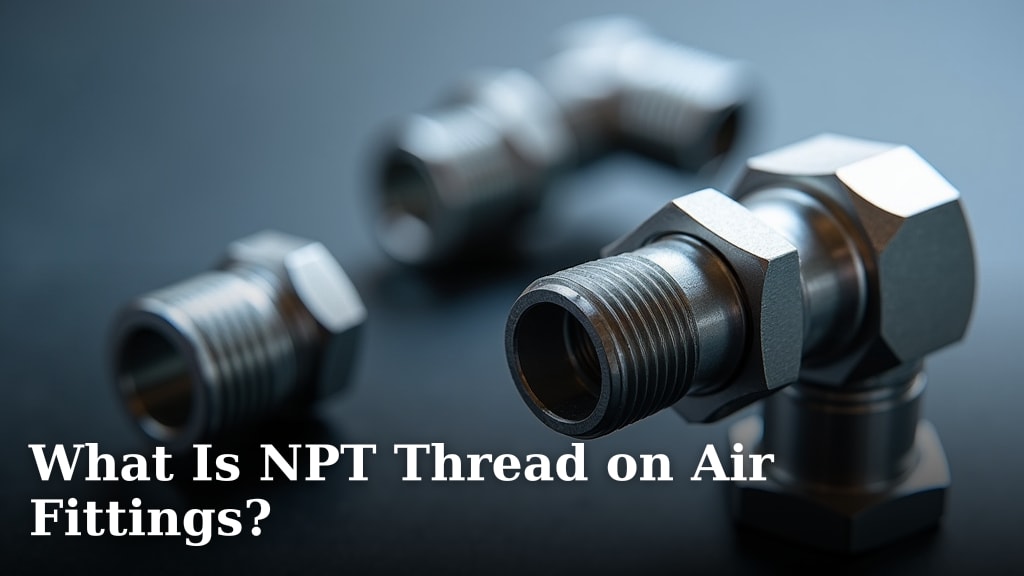
NPT thread on air fittings stands for National Pipe Thread. It’s a U.S. standard for tapered threads used on pipes and fittings. These threads are designed to create a tight seal when tightened. NPT is very common in pneumatic systems for its reliability.
When you see NPT on an air fitting, it means it uses this specific thread type. This helps ensure a leak-free connection for your compressed air lines. Understanding NPT is key to choosing the right fittings for your setup and avoiding air leaks. Many people wonder if it’s the same as other thread types, but NPT has its unique characteristics.
- NPT means National Pipe Thread, a common U.S. standard.
- It uses tapered threads for a tight, leak-free seal.
- Essential for reliable pneumatic system connections.
- Different from other thread types like BSP.
Let’s break down what NPT thread really means for your air fittings and why it matters for a successful pneumatic setup.
Understanding NPT Threads on Your Air Fittings
So, you’ve got an air compressor or a pneumatic tool and you’re looking at fittings. You see “NPT” and wonder what that means. You’re not alone! NPT stands for National Pipe Thread. It’s the standard in the United States for pipe and fitting threads. Think of it as the common language for how these parts connect.
The main job of NPT threads is to create a tight, leak-free seal. They do this by being tapered. This means the threads get gradually smaller along the length of the fitting. When you screw two NPT parts together, they wedge themselves tight. This is super important for compressed air systems. Leaks waste energy and can make your tools perform poorly.
What Makes NPT Threads Unique?
The key feature of NPT is its tapered design. The taper is pretty specific: 1/16 inch per foot for both the male and female threads. This means for every foot of thread length, the diameter changes by 1/16 of an inch. This taper is what allows the threads to wedge together and form that seal.
Another defining characteristic is the 60-degree thread angle. This angle is standard across all NPT sizes. It’s designed to work with the taper. The crests (the top points of the threads) and the roots (the bottom valleys) are designed to interfere with each other as they tighten. This interference helps create a seal.
For a truly reliable seal, NPT fittings often use pipe sealant or Teflon tape. This fills any tiny gaps and ensures no air escapes. Many people have found that skipping this step can lead to frustrating leaks down the road.
How to Identify NPT Threads
Spotting NPT threads on your fittings is usually straightforward. First, look for the “NPT” marking stamped directly onto the fitting. Manufacturers often put this right on the hex part of a male fitting or the shoulder of a female fitting. It’s like a little badge of identity.
If there’s no marking, you can often tell by the shape of the threads. Remember that 60-degree angle we talked about? You can visually inspect it, or sometimes even use a gauge if you have one. More practically, you can often tell by how the fitting is designed to seal.
NPT threads are designed to seal on the threads themselves. This is different from some other thread types. Other threads might seal on a washer or a metal-to-metal seat. If your fitting looks like it needs to be tightened until it’s really snug, and it has that wedge-like appearance, it’s very likely NPT.
Common NPT Sizes You’ll Encounter
NPT sizes are a bit confusing at first. The numbers often don’t match the actual outside diameter of the pipe or fitting. This is a historical quirk. For example, a 1/4″ NPT fitting does not have an outside diameter of 1/4 inch. It’s usually larger.
The common sizes you’ll find for air fittings include:
- 1/8″ NPT
- 1/4″ NPT
- 3/8″ NPT
- 1/2″ NPT
- 3/4″ NPT
- 1″ NPT
When you’re buying fittings, always double-check the size designation. It’s easy to grab the wrong one if you’re not careful. We’ve all been there, holding a fitting and thinking, “Does this look right?”
NPT vs. Other Thread Types: What’s the Difference?
This is where things can get tricky. NPT is common in North America, but other countries use different standards. The most common one you’ll hear about is BSP, which stands for British Standard Pipe. They look similar but are definitely not compatible.
The main differences lie in the thread angle and the taper.
NPT vs. BSPP (Parallel)
BSPP threads are parallel, meaning they don’t taper. They seal using a rubber washer or an O-ring that crushes when the fitting is tightened. NPT threads seal on the threads themselves due to the taper. You absolutely cannot mix NPT and BSPP fittings; they won’t seal, and you could damage them.
NPT vs. BSPT (Tapered)
BSPT threads are tapered, like NPT. This sounds similar, but here’s the catch: BSPT threads have a 55-degree angle, while NPT has a 60-degree angle. They also have different thread pitches (the distance between threads). Because of these differences, NPT and BSPT are not interchangeable. Trying to force them together can strip the threads and ruin both fittings. It’s like trying to fit a square peg in a round hole, but with sharper edges!
The Importance of Compatibility
Using the wrong thread type can lead to leaks, weak connections, or even damaged equipment. It’s essential to ensure that all the fittings in your compressed air system are compatible. If you’re buying parts in the U.S. for a standard setup, NPT is usually your go-to. If you’re working with equipment from overseas or specific industrial applications, you might encounter BSP or other standards.
Why NPT is Popular for Air Fittings
So, why has NPT become so common, especially in the world of air compressors and tools? We found several reasons.
Firstly, its tapered design is inherently good at creating a robust seal. As you tighten the fitting, the metal-to-metal contact wedges together. This self-sealing action is reliable for moderate pressures, which is common in many shop air systems. Many industry professionals consider it a tried-and-true method.
Secondly, NPT is a widely adopted standard in North America. This means you can find NPT fittings almost anywhere. From your local hardware store to online industrial suppliers, NPT parts are readily available. This ease of access makes it a practical choice for DIYers and professionals alike.
Thirdly, NPT fittings are generally cost-effective. Because they are so common and mass-produced, their price point is often lower than more specialized fittings. This affordability makes it easier to equip an entire workshop or system without breaking the bank.
Finally, NPT is known for its durability. When installed correctly with thread sealant, NPT connections can withstand vibration and temperature changes typical in many industrial and home workshop environments. It’s a sturdy choice for air lines that need to last.
Making Sure Your NPT Connections Seal Properly
Even with the best fittings, a good seal isn’t always automatic. You need to pay attention to a few things. We found that proper installation is key to avoiding those annoying air leaks.
Choosing the Right Sealant
While the tapered threads do a lot of the work, most people add a sealant. This ensures a perfect seal every time. For air fittings, Teflon tape (PTFE tape) is very popular. It’s cheap, easy to use, and effective. Just wrap it around the male threads a few times in the direction the fitting will turn. Avoid over-wrapping, as excess tape can get into the air stream.
Pipe dope (pipe thread sealant paste) is another excellent option. It’s a paste that you spread onto the male threads. Some pipe dopes are specifically formulated for pneumatic systems. They often stay pliable longer than Teflon tape, which can be helpful if you need to disassemble the fitting later. Many plumbing and pneumatic supply stores carry specialized pipe dopes.
Installation Technique Matters
When you’re screwing the fittings together, start them by hand. They should thread on smoothly for at least a few turns. If you feel resistance right away, the threads might be crossed. Stop and try again. Forcing crossed threads will damage them.
Once hand-tight, use a wrench to tighten the fitting. The amount of tightening depends on the size and material of the fitting, but generally, a quarter to a full turn with a wrench is sufficient. You’re looking for snug, not Herculean strength. Overtightening can crack fittings, especially plastic ones, or strip the threads.
After installation, always check for leaks. You can do this by spraying a solution of soapy water on the connection. If you see bubbles forming, you have a leak. You might need to tighten the fitting a little more or reapply sealant.
Checklist for NPT Fitting Success
To help you get your NPT fittings connected right the first time, keep this quick checklist in mind:
- Confirm your fitting is indeed NPT.
- Ensure the threads are clean and free of debris.
- Apply appropriate thread sealant (Teflon tape or pipe dope).
- Start threading by hand to avoid cross-threading.
- Tighten with a wrench until snug, but don’t overtighten.
- Test for leaks with soapy water.
By following these steps and understanding what NPT means for your air fittings, you can build a reliable and leak-free compressed air system. It’s all about choosing the right parts and putting them together correctly!
Conclusion
Understanding NPT threads on your air fittings is key to building a reliable compressed air system. We’ve learned that NPT, or National Pipe Thread, uses a tapered design with a 60-degree angle to create a tight seal. It’s a common standard in the U.S. for good reason: it’s effective, widely available, and cost-efficient. Just remember that compatibility is vital; NPT won’t work with other thread types like BSP. By paying attention to proper sealant application and installation techniques, you can avoid leaks and ensure your tools perform at their best. Now that you know the ins and outs of NPT, take a moment to inspect your current fittings and plan your next air system upgrade with confidence!
Frequently Asked Questions
Can I use Teflon tape on all NPT fittings?
Yes, Teflon tape (PTFE tape) is a popular and effective sealant for most NPT air fittings. Just wrap it around the male threads a few times in the direction of tightening. It helps fill small gaps, ensuring a leak-free connection for your pneumatic tools.
What happens if I mix NPT and BSP fittings?
Mixing NPT and BSP fittings is a bad idea. They have different thread angles and tapers, meaning they won’t seal properly. You could end up with leaks, or worse, damage the threads on both fittings.
Is NPT thread always tapered?
Yes, NPT threads are always tapered. This is their defining characteristic. The gradual decrease in diameter as you move along the thread allows them to wedge together and create a seal when tightened.
How tight should I make an NPT fitting?
You should tighten an NPT fitting until it’s snug, typically a quarter to a full turn past hand-tight with a wrench. Avoid overtightening, as this can crack fittings (especially plastic ones) or strip the threads, leading to leaks.
Do I need to use sealant with NPT threads?
While NPT’s tapered design creates a seal on its own, using a sealant like Teflon tape or pipe dope is highly recommended. Sealant ensures a truly leak-free connection and makes disassembly easier if needed later.
