
What Is a Compressor Pressure Switch?
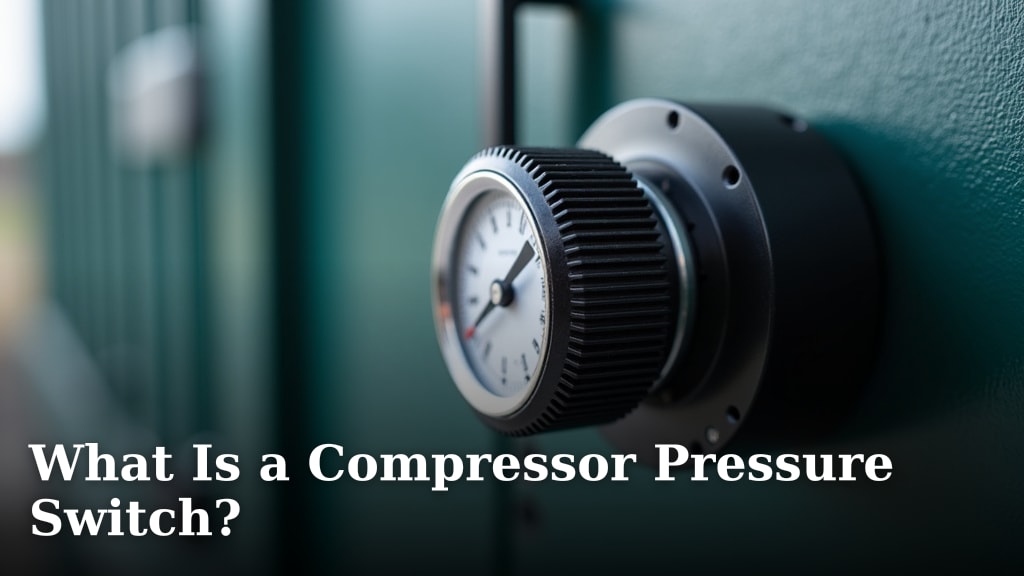
A compressor pressure switch is a vital component that automatically controls your air compressor’s motor. It turns the motor on when pressure drops and off when it reaches a set level. This protects your equipment and ensures you always have air when you need it.
Think of it as the air compressor’s thermostat. It prevents the tank from over-pressurizing, which could be dangerous. Many experts say this simple device is the most important part of your compressor’s operation. It keeps things running smoothly and safely, so you can get your work done.
- It’s an automatic switch for air compressors.
- It turns the motor on and off based on air pressure.
- This protects the compressor and prevents over-pressurization.
- It’s essential for safe and efficient operation.
- It acts like a thermostat for your air tank.
Ready to understand how this little gadget works its magic? Let’s break down what a compressor pressure switch is and why it’s so important for your air compressor.
Understanding Your Air Compressor’s Pressure Switch
Your air compressor’s pressure switch is the unsung hero of its operation. It’s the component that intelligently manages the motor’s start and stop cycles. This ensures your compressor tank maintains a usable air pressure without running constantly or becoming dangerously over-pressurized. Think of it as a silent guardian, working behind the scenes to keep your tools powered and your workspace safe. Many engineers consider it the brain of the compressor, dictating when it should work and when it should rest.
How Does a Compressor Pressure Switch Work?
At its core, a compressor pressure switch is a simple mechanical device. It uses the air pressure inside your compressor’s tank to operate. This switch has a diaphragm or a piston that moves when the air pressure changes. When the air pressure in the tank drops below a certain point, it triggers a mechanism. This mechanism closes an electrical circuit, telling the compressor motor to turn on. The motor then starts pumping more air into the tank. As the tank fills, the air pressure rises. When this pressure reaches a predetermined upper limit, it pushes against the diaphragm or piston with enough force. This action opens the electrical circuit, signaling the motor to shut off. This cycle repeats, maintaining a consistent pressure range.
The Role of Pressure Settings
Every pressure switch comes with two main settings: the cut-in pressure and the cut-out pressure. The cut-in pressure is the level at which the switch turns the motor on. The cut-out pressure is the level at which it turns the motor off. For example, a common setting might be 95 psi cut-in and 125 psi cut-out. This means the motor will start when the tank pressure falls to 95 pounds per square inch (psi). It will then stop when the pressure reaches 125 psi. The difference between these two settings is called the cut-out differential or simply the differential. A larger differential means the motor runs for longer periods but cycles less frequently. A smaller differential means shorter run times but more frequent cycling.
Why This Auto-Control is Essential
This automatic control system is absolutely vital for several reasons. First, it prevents over-pressurization. If a compressor motor ran continuously without a way to stop, the tank could build up excessive pressure. This could lead to a dangerous tank rupture, a serious safety hazard (Occupational Safety and Health Administration). Second, it protects the motor. Constant running would overheat and eventually burn out the motor. The switch ensures the motor gets adequate rest periods. Third, it ensures you have consistent air supply. You don’t want to be in the middle of a job only to find your tools losing power because the compressor isn’t running. The switch keeps the pressure within a usable range so you can work uninterrupted.
Key Components and How They Interact
A typical compressor pressure switch consists of a few main parts working in harmony. Understanding these parts can help you troubleshoot potential issues. These are usually found housed in a sturdy casing, often made of metal or durable plastic.
The Diaphragm or Piston
This is the core sensing element. It’s a flexible rubber diaphragm or a small piston. It’s directly exposed to the air pressure inside the compressor tank. As pressure builds, it pushes against this element. Conversely, when pressure drops, a spring mechanism can push it back. The movement of this diaphragm or piston is what initiates the switch’s action.
The Spring Mechanism
This mechanism provides the opposing force to the air pressure. It’s designed to be adjustable, allowing you to set the cut-in and cut-out pressures. The tension of the spring determines how much air pressure is needed to overcome it. Adjusting the spring tension changes the operating pressure range of the switch. Many springs have a large adjustment nut on top, allowing for easy changes.
Electrical Contacts
These are the parts that actually make or break the electrical connection to the compressor motor. When the diaphragm or piston moves in response to pressure, it physically actuates these contacts. Closing the contacts completes the circuit, sending power to the motor. Opening them cuts off power, stopping the motor. These contacts can sometimes become dirty or worn, leading to operational problems.
The Lever or Actuator Arm
This is the link between the pressure-sensing element (diaphragm/piston) and the electrical contacts. It translates the linear movement of the diaphragm or piston into the action needed to open or close the contacts. It’s a critical part of the mechanical linkage within the switch.
Types of Compressor Pressure Switches
While the basic principle remains the same, there are variations in pressure switches. Most commonly, you’ll encounter mechanical switches, but electronic versions are also available.
Mechanical Pressure Switches
These are the most traditional and widely used type. They rely entirely on the physical movement of diaphragms, pistons, and springs to operate. They are generally robust and simpler in design, making them easier to repair for many DIYers. They are also often more affordable. The adjustments for cut-in and cut-out pressures are typically made manually by turning nuts on the spring mechanism.
Electronic Pressure Switches
These switches use electronic sensors to detect air pressure. They offer higher precision and often more advanced features. Some electronic switches can be programmed for specific pressure ranges and may include digital displays. While they can be more accurate, they are also more complex and can be more expensive to replace. They might be found on more modern or high-end air compressor systems.
Setting and Adjusting Your Pressure Switch
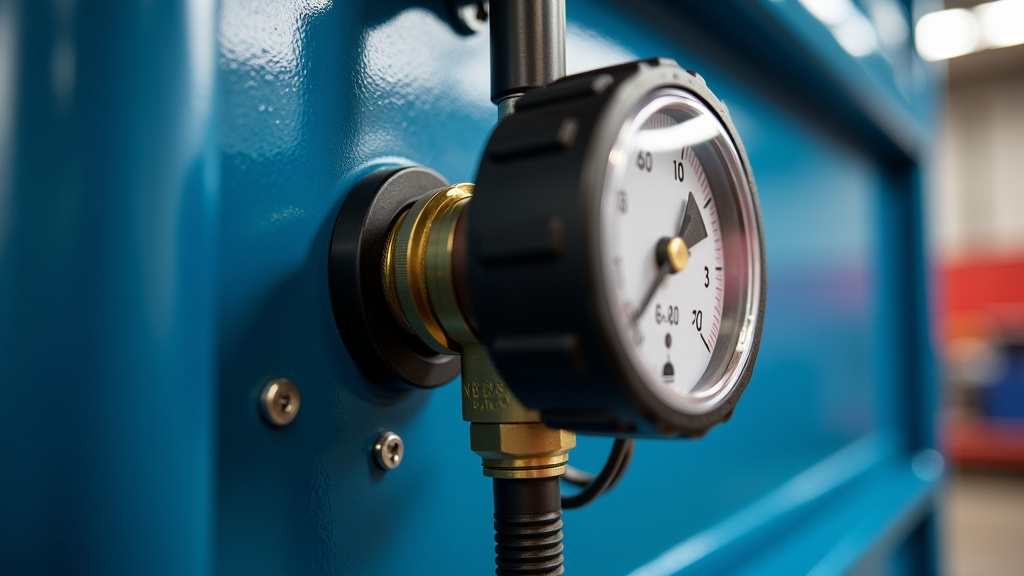
Setting the pressure switch correctly is crucial for optimal performance and safety. Most mechanical switches allow for adjustment of both the cut-out pressure and the differential. You’ll typically find two adjustment points: one for the overall pressure level and one for the difference between cut-in and cut-out. Setting the pressure switch correctly is crucial for optimal performance and safety; our guide explains how.
Adjusting Cut-Out Pressure
To adjust the cut-out pressure, you’ll usually turn a large nut on top of the spring mechanism. Turning this nut clockwise generally increases the spring tension. This means more air pressure is needed to move the diaphragm and open the contacts, thus raising the cut-out pressure. Turning it counter-clockwise reduces tension and lowers the cut-out pressure. Always make small adjustments and test the system after each change.
Adjusting the Differential
The differential is the difference between the cut-in and cut-out pressures. Many switches are designed so that adjusting the main spring tension also affects the differential. However, some switches have a separate adjustment for this. A wider differential means the compressor runs longer but cycles less often. A narrower differential means it cycles more frequently. You want a balance that suits your needs. For example, if your compressor cycles too often and wears out quickly, you might widen the differential. If your tools lose pressure too quickly, you might narrow it. Many experts recommend a differential of about 20-30 psi for most general-purpose compressors.
It’s important to note that there’s often a maximum safe pressure limit for your specific air compressor tank. Always consult your compressor’s manual to find out the maximum safe operating pressure. Never set your cut-out pressure above this limit. Setting it too high can lead to dangerous over-pressurization and damage to the tank or compressor components.
Common Issues and Troubleshooting
Like any mechanical device, pressure switches can develop problems over time. Being able to identify these issues can save you time and money.
Compressor Won’t Turn On
If your compressor isn’t starting when the pressure is low, the problem could be the pressure switch. The electrical contacts might be dirty, corroded, or not making connection. Another possibility is that the switch itself has failed. First, check if the switch is receiving power. If it is, and the contacts aren’t closing, it’s likely the switch needs cleaning or replacement. Ensure the power cord is securely plugged in and the circuit breaker hasn’t tripped.
Compressor Won’t Turn Off
This is a more dangerous situation. If the compressor keeps running and the pressure continues to climb, the pressure switch is failing to open the circuit. This could be due to a faulty diaphragm, a weak spring, or stuck electrical contacts. Immediately disconnect power to the compressor to prevent damage or a potential explosion. This is a clear sign the switch needs urgent attention or replacement. If the compressor keeps running and the pressure continues to climb, the pressure switch is failing to open the circuit.
Frequent Cycling
If your compressor turns on and off much more frequently than usual, it could be related to the pressure switch settings or a leak. Check if the differential has been set too narrow. Also, inspect all air lines, fittings, and the tank itself for any air leaks. Even a small leak can cause the pressure to drop faster, triggering the switch to turn the motor back on sooner than it should.
Inconsistent Pressure
Erratic air pressure can sometimes point to an issue with the pressure switch. If the switch is sticking or not responding smoothly to pressure changes, it can lead to pressure fluctuations. Ensure the switch is clean and free from debris. A worn diaphragm or spring can also cause this inconsistency. Many mechanics recommend replacing a pressure switch if it shows signs of wear or malfunction, as they are relatively inexpensive components that play a critical safety role.
When troubleshooting, always disconnect power to the compressor before touching any internal components. If you’re unsure about any step, it’s best to consult a qualified technician. Safety first is always the best policy when working with compressed air systems.
Checking Your Pressure Switch: A Quick Checklist
Here’s a quick rundown to help you assess your pressure switch:
- Inspect for physical damage: Look for cracks, corrosion, or loose wires.
- Listen for the click: Does the switch audibly click when it turns the motor on and off?
- Monitor pressure gauge: Note the cut-in and cut-out pressures. Are they within your desired range?
- Check for leaks: Listen for air escaping around the switch or tank.
- Verify motor operation: Does the motor start and stop reliably at the set pressures?
- Consult your manual: Always refer to your compressor’s owner’s manual for specific instructions.
By understanding and maintaining your compressor pressure switch, you ensure your air compressor runs efficiently and safely for years to come. It’s a small part that does a big job, keeping your tools ready when you are.
Conclusion
You’ve now learned that your air compressor’s pressure switch is much more than just a simple on/off button. It’s the intelligent brain, constantly monitoring tank pressure to ensure safety and efficiency. By understanding how it works, its key parts, and how to adjust it, you’re better equipped to keep your compressor running smoothly.
Don’t overlook this vital component! Regularly checking your pressure switch and addressing any issues promptly will extend your compressor’s lifespan and ensure you always have the air power you need for your projects. Take a moment this week to inspect your switch and confirm it’s set correctly for your compressor’s needs.
Frequently Asked Questions
What happens if my compressor pressure switch fails?
If your pressure switch fails, your compressor might not turn on at all, or worse, it might keep running without shutting off. A compressor that won’t turn on means you can’t get any air. If it doesn’t shut off, it can lead to dangerous over-pressurization of the tank, posing a serious safety risk.
How do I know if my pressure switch needs replacement?
Signs your pressure switch might need replacing include the compressor running continuously, not starting at all, or cycling on and off very rapidly. You might also notice inconsistent air pressure. If you observe any of these issues and have ruled out other problems, a faulty switch is a likely cause.
Can I adjust my pressure switch to a higher cut-out pressure?
You can often adjust your pressure switch, but you must never set the cut-out pressure higher than your air compressor tank’s maximum safe operating pressure. Always consult your compressor’s manual to find this limit. Exceeding it can cause tank failure and serious injury.
What’s the recommended differential for a pressure switch?
For most general-purpose air compressors, a differential of about 20-30 psi is recommended. This setting balances how often the compressor cycles with how long it runs each time. Too narrow a differential causes frequent starts, while too wide a differential might mean your tools lose pressure between cycles.
Are electronic pressure switches better than mechanical ones?
Electronic pressure switches often offer greater precision and can have advanced features like digital displays. Mechanical switches are generally simpler, more robust, and easier for DIYers to repair or adjust. The “better” type depends on your needs, budget, and the complexity you’re comfortable with.
