
How To Use Air Compressor Staple Gun?
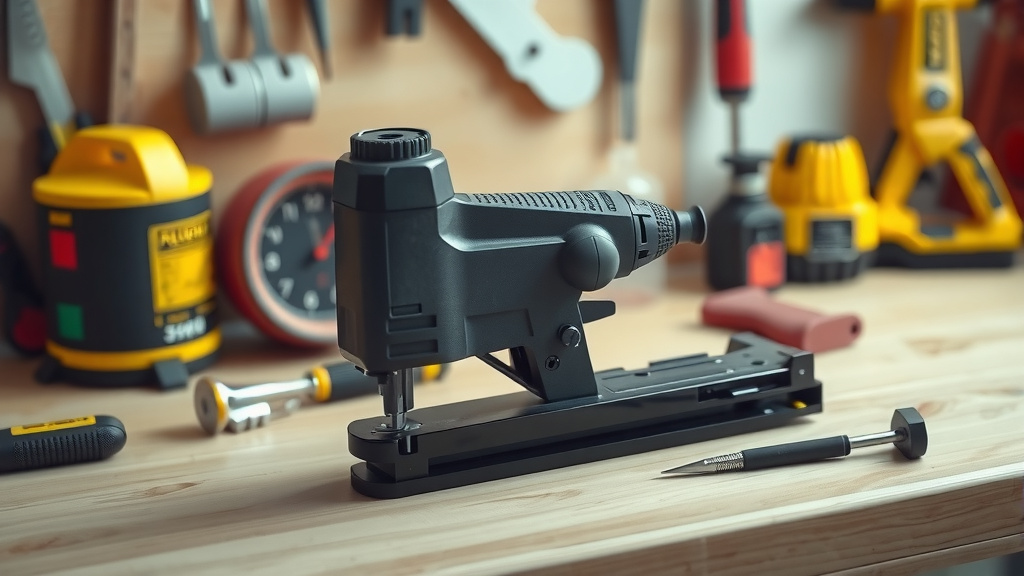
Using an air compressor staple gun involves safely connecting it to a regulated air supply and selecting the right staples for your project. Always prioritize safety gear, set correct pressure, and test your technique.
To operate your air compressor staple gun effectively, load staples securely, adjust air pressure based on material, and firmly press the tool against the surface before firing. This ensures a professional finish every time.
- First, always wear safety glasses and hearing protection. Your safety comes first!
- Next, connect your staple gun to an air compressor set to the right pressure.
- Then, load the correct staples for your task into the gun’s magazine.
- Before starting, test your staple gun on a scrap piece to fine-tune settings.
- Finally, apply firm pressure, aim carefully, and staple away for a neat job.
How To Use Air Compressor Staple Gun?
Using an air compressor staple gun might seem a bit tricky at first, but it is quite straightforward. Think of it like connecting a garden hose; you just need the right attachments and settings. Many people find that once they understand the basic steps, these tools are **incredibly efficient for projects** big and small. We will walk you through each step, making sure you feel confident and ready to tackle your tasks.
Getting Started: Essential Safety First
Before you even think about connecting anything, safety is your best friend. A staple gun, especially one powered by air, is a powerful tool. It means business! You want to protect yourself from any stray staples or loud noises. We found that **most accidents are preventable** with proper precautions.
Your Personal Protective Equipment (PPE)
Always put on your safety gear before picking up any power tool. This is non-negotiable. Many safety guidelines point to **wearing eye protection** as a top priority (Mayo Clinic). Think of it as putting on your seatbelt before driving. You would not skip that, would you?
- Safety Glasses: Protect your eyes from flying debris or ricocheting staples.
- Hearing Protection: Air compressors and staple guns can be noisy. Earplugs or earmuffs protect your hearing.
- Gloves: Offer a better grip and protect your hands from pinches or splinters.
Connecting Your Staple Gun to the Compressor
Alright, safety gear is on. Now it is time to get your tools talking to each other. Your staple gun needs air, and your compressor delivers it. This connection is simple, but getting it right ensures a smooth workflow. Always ensure your compressor is **turned off and unplugged** while making connections.
Setting the Right Air Pressure
This step is like finding the perfect temperature for your shower. Too low, and your staples might not sink in. Too high, and they could blow through your material. We found that **most staple guns work best** between 70 to 120 PSI (pounds per square inch). Always check your tool’s manual for its specific range.
A good starting point is often around 90 PSI. You can adjust it up or down from there. We often see that **finding the sweet spot** takes a little trial and error, especially with different materials.
Loading Staples the Correct Way
Your staple gun is just a fancy paperweight without staples. Loading them correctly is key. Most staple guns have a magazine that slides open or a latch you press. Make sure you use the **right size and type of staples** for your specific gun and project. Staples come in various lengths and crown widths, so double-check.
Slide the staple strip into the magazine. The sharp points should face outwards, away from the tool’s firing mechanism. Push the magazine shut until it clicks securely. Give it a gentle tug; you want to ensure it is **locked and loaded**.
Testing Your Staple Gun
Before tackling your main project, grab a scrap piece of the same material you plan to staple. This test run is super important. It lets you check the air pressure, the staple depth, and your overall technique. Think of it as a dress rehearsal before the big show.
Fire a few staples into the scrap material. Are they flush with the surface? Too deep? Not deep enough? Adjust your air pressure as needed. This simple step can **save you a lot of frustration** later on.
Proper Staple Gun Technique
Now for the actual stapling! This is where you bring everything together. Holding the tool correctly and applying the right pressure makes all the difference for a professional finish. It is not just about pulling a trigger; it is about **precision and control**.
Holding the Tool Safely
Always hold the staple gun with a firm grip. Position your non-dominant hand to support the tool, but keep your fingers away from the firing end. Your dominant hand will operate the trigger. Many experts suggest **keeping both hands clear** of the staple exit point. No one wants an accidental staple in the thumb, right?
Firing Staples with Accuracy
Place the nose of the staple gun firmly against the surface where you want the staple to go. Apply steady, downward pressure. This pressure helps ensure the staple seats properly. Then, pull the trigger. You will hear a satisfying “thwack” as the staple goes in. Release the trigger and lift the tool. We found that **consistent pressure prevents skipping** and bent staples.
Common Issues and Troubleshooting
Even the best tools can sometimes act up. Do not worry; most problems are easy to fix. We often find that a few common issues arise. Here is a quick look at what might go wrong and **how to get back on track** quickly.
| Problem | What to Check First | Simple Fix |
|---|---|---|
| Staples do not sink fully | Air pressure too low, wrong staple size | Increase PSI, ensure correct staples |
| Staples jam often | Bent staples, dirty magazine, wrong size | Clear jam, clean magazine, use fresh staples |
| Gun does not fire | No air pressure, safety latch engaged, no staples | Check compressor, disengage safety, load staples |
| Double stapling | Air pressure too high, faulty trigger | Reduce PSI, check tool for wear |
Maintaining Your Air Staple Gun
Like any tool, your air staple gun will thank you for a little care. Regular maintenance ensures it performs well for years. Think of it as giving your car an oil change; it keeps things running smoothly. A well-maintained tool is **a reliable tool**.
Keeping It Clean
After each use, disconnect your staple gun from the air supply. Wipe down the tool with a clean cloth. Pay attention to the nose and the magazine area. Dust, debris, and wood glue can build up, potentially causing jams. A clean tool is **less likely to malfunction**.
Regular Oiling is Key
Air tools love a little oil! Before each use (or at least once a day if using frequently), put 2-3 drops of pneumatic tool oil into the air inlet. This lubricates the internal components and prevents rust. It is a small step that **extends your tool’s lifespan** significantly. Do not over-oil, as too much can cause problems too.
Conclusion
Mastering your air compressor staple gun is all about a few simple steps: **prioritizing safety, setting up correctly, and practicing good technique**. You are now equipped with the knowledge to safely connect it, load it, and use it like a pro. Remember to always test first, maintain your tool, and address any issues promptly. With a little care and practice, your air staple gun will become one of your most trusted helpers for countless projects around your home or workshop. Happy stapling!
How do I know what air pressure to use for my staple gun?
Start by checking your staple gun’s manual for its recommended PSI range, usually between 70-120 PSI. Then, test on a scrap piece of your material, adjusting the pressure up or down until staples sit flush without going too deep or sticking out.
Can I use any type of staples in my air staple gun?
No, you need to use staples specifically designed for your staple gun’s model. They vary in crown width, length, and gauge. Using the wrong size or type can cause jams and damage to your tool.
My staple gun is jamming frequently. What should I do?
First, disconnect the air supply. Then, carefully open the magazine and remove any bent staples or debris. Ensure you are using the correct staple size and that the staples are not old or damaged. Sometimes a quick cleaning of the magazine helps.
How often should I oil my air compressor staple gun?
It is recommended to add 2-3 drops of pneumatic tool oil to the air inlet before each use, or at least once a day if you are using it continuously. This keeps the internal parts lubricated and protects against wear.
What if my staples are not sinking all the way into the material?
This usually means your air pressure is too low. Try increasing the PSI on your air compressor in small increments and retesting on a scrap piece. Also, ensure you are pressing the staple gun firmly against the workpiece.
