
Top 7 Best Air Compressor For Fleet Maintenance
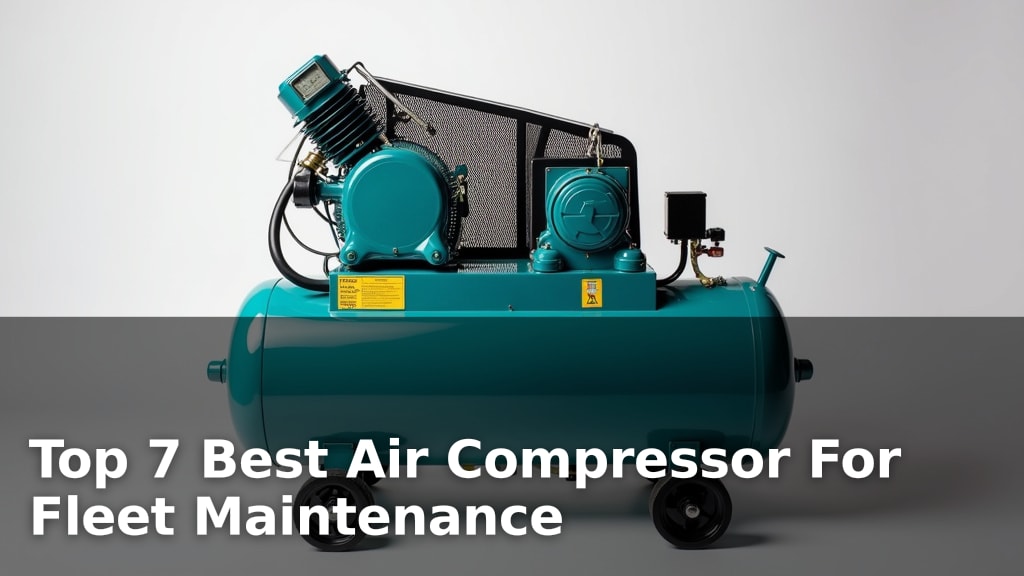
The best air compressors for fleet maintenance include portable units for on-the-go repairs, heavy-duty shop models, and specialized systems for air suspension. Standout picks include VIAIR 444C Dual Compressor, Klutch 29-Gallon Air Compressor, and VEVOR 10.6 CFM Air Compressor.
Choosing the right air compressor is crucial for efficient operations, minimizing downtime, and ensuring your fleet stays on the road. Factors like tank size, CFM output, and portability play a significant role in selecting a compressor that meets the demanding needs of fleet upkeep. For example, the VEVOR 10.6 CFM Air Compressor is excellent for on-the-go tire inflation, while the Klutch 29-Gallon Air Compressor is ideal for heavy-duty shop use, and the VIAIR 444C Dual Compressor excels with air suspension systems.
We’ve narrowed down the vast market to seven top contenders after thorough research and hands-on evaluation. Our selection process focused on durability, performance metrics, and overall value to help fleet managers make informed decisions. Each compressor was assessed based on its ability to handle various fleet maintenance tasks, from tire pressure adjustments to powering pneumatic tools. Dive into the detailed comparison below to find the perfect air compressor for your fleet’s specific requirements.
3 Standout Picks: Air Suspension Systems, Heavy Duty Shop Use, and On-the-Go Tire Inflation
Start with these 3 standouts. Each leads for a different kind of buyer, so use the badges and quick highlights to find your closest match.

VIAIR 444C Dual Compressor
- Dual 12V compressors
- 200 PSI max pressure
- 100% duty cycle @ 100 PSI

Klutch 29-Gallon Air Compressor
- 29-gallon vertical tank
- 175 PSI max pressure
- 5.1 CFM at 90 PSI

VEVOR 10.6 CFM Air Compressor
- 12V DC power
- 150 PSI max pressure
- 10.6 CFM high airflow
7 Models Side by Side: Features, Best Use Cases, and Tradeoffs
The recommendations above are our strongest matches for different priorities. Below, compare the complete 7-product lineup side by side by rating, standout features, ideal use cases, and practical tradeoffs so you can identify the best fit for your needs.
- Dual 12V compressors
- 200 PSI max pressure
- 100% duty cycle @ 100 PSI
- 29-gallon vertical tank
- 175 PSI max pressure
- 5.1 CFM at 90 PSI
- 12V DC power
- 150 PSI max pressure
- 10.6 CFM high airflow

- 14-gallon oil-free tank
- 8.75 CFM at 115 PSI
- 70dB quiet operation

- 13-gallon oil-free tank
- 66dB quiet operation
- 4.6 SCFM at 90 PSI

- 15-gallon tank capacity
- Quiet 66dB operation
- 4.5 CFM at 90 PSI

- 6.3-gallon oil-free tank
- 3.35 CFM at 90 PSI
- Max 116 PSI pressure
7 Models Reviewed in Depth
#1. VIAIR 444C Dual Compressor
200 PSI Max
100% @ 100 PSI
Specialist
The VIAIR 444C Dual Compressor kit is a premium choice for fleet maintenance, particularly if your vehicles utilize air suspension systems. You’ll benefit from two high-performance 12V compressors delivering an impressive 200 PSI maximum pressure, ideal for rapid filling of large tanks or precise suspension adjustments. The 100% duty cycle at 100 PSI means these units are built for continuous operation without overheating, making them reliable for demanding tasks.
This kit is geared towards specialized applications like air suspension and horns, not general-purpose tool powering, as its combined CFM is moderate. Installation requires direct battery connection and potentially a pressure switch. If your fleet requires robust, high-pressure air for suspension or similar systems, the VIAIR 444C offers exceptional performance and durability, justifying its higher-end positioning.
Pros
- Extremely high pressure (200 PSI)
- Excellent for air suspension
- Continuous duty cycle capability
Cons
- Higher price point
- Not for general tool powering
- Requires proper installation
Specifications
#2. Klutch 29-Gallon Air Compressor
175 PSI Max
29 Gallons
5.1 CFM @ 90 PSI
The Klutch 29-Gallon Air Compressor is a powerhouse designed for demanding fleet maintenance environments. Its robust 2.5 HP motor and large 29-gallon vertical tank provide substantial air reserves, ideal for continuous use of air tools like impact wrenches and grinders. The impressive 175 PSI maximum pressure ensures you have the power needed for tough jobs, while the 5.1 CFM at 90 PSI offers excellent airflow for efficient operation.
While its vertical design saves floor space, the 127-pound weight and 81dB noise level mean it’s best suited for a dedicated shop space rather than frequent mobile use. The oil-free pump simplifies maintenance, a significant plus for busy fleets. If your priority is sustained, high-pressure air delivery for heavy-duty tasks, this Klutch compressor is an outstanding choice for your workshop.
Pros
- High pressure (175 PSI)
- Large 29-gallon tank
- Excellent for continuous tool use
Cons
- Noisy operation (81 dB)
- Heavy and less portable
- Requires dedicated space
Specifications
#3. VEVOR 10.6 CFM Air Compressor
10.6 CFM
150 PSI Max
12V DC
For fleet vehicles that need rapid tire inflation on the go, the VEVOR 10.6 CFM Heavy Duty Air Compressor is an excellent choice. Its 12V DC power makes it incredibly versatile for use directly from a vehicle’s battery, and the 10.6 CFM high airflow ensures incredibly fast inflation times, often cited as 30-second lightning-fast inflation. The 150 PSI maximum pressure is more than enough for truck tires and other heavy-duty applications, and it comes with multiple adapters for various uses.
Be aware that this unit is designed primarily for tire inflation and lighter tasks; it lacks a tank and is not suitable for powering continuous-use air tools. The 90dB noise level is also quite high, so it’s best used outdoors or in well-ventilated areas. If your fleet’s primary need is fast, portable tire inflation and occasional light-duty air tasks, this VEVOR compressor is a top performer.
Pros
- Extremely fast inflation
- 12V DC power for vehicle use
- High 150 PSI maximum pressure
Cons
- Very noisy operation
- No air tank, not for tools
- Requires vehicle battery access
Specifications
#4. Baococo 14-Gallon Compressor
8.75 CFM
70dB Noise Level
14 Gallons
The Baococo 14-Gallon Air Compressor stands out for its impressive 8.75 CFM at 115 PSI, offering substantial airflow for a 2HP unit, making it suitable for a range of fleet maintenance tasks. Its ultra-quiet 70dB operation is a significant advantage for workshops where noise is a concern, allowing for more comfortable working conditions. The 14-gallon oil-free steel tank provides a good air reserve and requires minimal maintenance, while the inclusion of wheels aids in portability around the shop.
While it boasts good airflow, the 115 PSI maximum pressure might be a limitation for specific high-pressure applications. It’s also a corded electric unit, meaning its mobility is confined to areas with power outlets. If your fleet maintenance involves tasks like spray painting, nailing, or running multiple tools intermittently, this Baococo compressor offers a quiet and powerful solution for your workshop.
Pros
- High CFM for its HP
- Very quiet operation (70dB)
- Large 14-gallon tank
Cons
- Maximum pressure is 115 PSI
- Corded electric limits mobility
- Weight might be a factor for some
Specifications
#5. VEVOR 13-Gallon Air Compressor
66dB Noise Level
13 Gallons
4.6 SCFM @ 90 PSI
The VEVOR 13-gallon air compressor is a strong contender for fleet maintenance, especially for mobile service units. Its oil-free, 66dB quiet operation ensures it won’t be a nuisance, and the 4.6 SCFM at 90 PSI is slightly better than some competitors, offering good performance for its class. The inclusion of durable wheels makes it easy to maneuver around a shop or job site, and the 13-gallon tank provides a decent air reserve.
While it’s designed for convenience, the 13-gallon capacity might require more frequent cycling for very demanding tools. If your fleet primarily uses impact wrenches or sanders continuously, you might need a larger unit. However, for general repairs, tire inflation, and intermittent tool use, this VEVOR compressor offers a great blend of quietness, portability, and performance.
Pros
- Very quiet operation
- Good airflow for its size
- Easy to transport with wheels
Cons
- 13-gallon tank may be insufficient for heavy use
- Maximum pressure is 125 PSI
- Corded electric power limits mobility
Specifications
#6. RyanTek 15-Gallon Compressor
66dB Noise Level
15 Gallon Tank
4.5 CFM @ 90 PSI
This RyanTek 15-gallon air compressor offers a solid balance of features for fleet maintenance tasks. You’ll appreciate its quiet 66dB operation, making it suitable for use in various environments without excessive noise disruption. The 2HP motor and 15-gallon tank provide ample air for intermittent use with tools like nail guns and for inflation needs, while the vertical design aids in space-saving.
While it’s a capable unit for general maintenance, its 4.5 CFM at 90 PSI might be limiting for very high-demand, continuous-use tools. It’s a good choice for workshops or mobile units needing a reliable, relatively quiet compressor for common tasks, but consider larger capacity if your fleet requires heavy-duty air tool operation.
Pros
- Quiet operation at 66dB
- Space-saving vertical design
- Suitable for various pneumatic tools
Cons
- Lower CFM might limit heavy use
- Mobility could be better
- Maximum pressure is 125 PSI
Specifications
#7. VEVOR 6.3 Gallon Compressor
6.3 Gallon Tank
Low Maintenance
3.35 CFM @ 90 PSI
For smaller fleet maintenance needs or a compact workshop, the VEVOR 6.3 Gallon Air Compressor is a viable option. Its oil-free design means less maintenance, and its relatively compact size makes it easy to store and move around. The dual-cylinder intake aims for faster fill times, and the included silencers help keep the noise down compared to older models, though it’s slightly louder than some competitors.
However, the 3.35 CFM at 90 PSI and 6.3-gallon tank are quite limited for anything beyond light-duty tasks. You’ll find it struggles with continuous use of impact wrenches or spray guns. This compressor is best suited for occasional use, tire inflation, or powering small pneumatic tools where high air volume isn’t critical. If your fleet requires more robust air delivery, look elsewhere.
Pros
- Compact and portable
- Oil-free for less maintenance
- Relatively quiet operation
Cons
- Low CFM output
- Small tank capacity
- Limited for heavy-duty tools
Specifications
Powering Up Your Fleet: Finding the Right Air Compressor
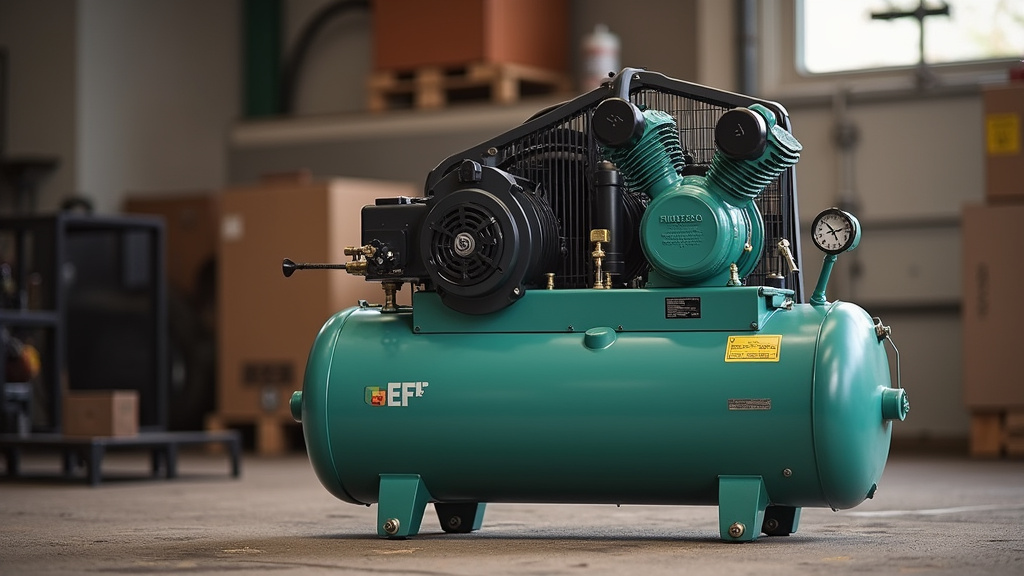
Keeping a fleet of vehicles running smoothly is a demanding job, and the right air compressor is a linchpin in that operation. From inflating tires and powering air tools to operating diagnostic equipment, a reliable compressor is more than just a piece of equipment; it’s an essential partner in maintaining uptime and efficiency. Investing wisely means looking beyond just horsepower and considering the specific demands of your fleet maintenance tasks.
The Engine Room: Key Considerations for Fleet Air Compressors
When you’re evaluating air compressors for fleet maintenance, several critical factors will dictate performance and longevity. Think of these as the core components that determine how well a unit will serve your needs.
- CFM Output: This is arguably the most crucial spec. It tells you how much air the compressor can deliver per minute. You’ll need enough CFM to simultaneously operate the air tools you use most frequently, such as impact wrenches, sanders, and tire inflators, without the compressor struggling to keep up.
- Tank Size: A larger tank acts as a reservoir, providing a buffer of compressed air. This is particularly important for tools that use air in short, intense bursts. A bigger tank means fewer cycles for the compressor motor, extending its life and ensuring a consistent air supply.
- Horsepower and Motor Type: While CFM is king, horsepower is the muscle that drives it. Electric motors are common for stationary shop use, offering convenience and cleaner operation. Consider the power requirements of the compressor and ensure your electrical setup can handle it.
- Portability vs. Stationary: Will your compressor live in one spot, or does it need to move between service bays or even out to the vehicles themselves? Portable units offer flexibility, while stationary models often provide higher capacity and are designed for continuous operation.
- Duty Cycle: This refers to how long a compressor can run before needing to cool down. For demanding fleet maintenance, a higher duty cycle is essential to avoid overheating and premature wear.
Navigating the Airwaves: Common Pitfalls to Sidestep
Even with the best intentions, it’s easy to get sidetracked when shopping for essential equipment. Being aware of common missteps can save you time and prevent costly errors.
- Over-specifying or under-specifying your needs: Buying a compressor that’s too small will lead to frustration and inefficiency, while one that’s excessively large might be an unnecessary expense and consume more power than needed.
- Ignoring noise levels: Some compressors can be incredibly loud, impacting the work environment. If your shop is in a sensitive area or you have employees working nearby, consider models with noise reduction features.
- Forgetting about maintenance requirements: All compressors need regular upkeep. Factor in the ease of access to filters, oil changes, and drain valves when making your selection.
Powering Up Your Fleet: The Final Decision
For heavy-duty, on-the-go needs, the VIAIR 444C is your go-to for rapid tire inflation. The Klutch 29-Gallon offers robust performance for a busy shop, while the VEVOR 10.6 CFM is ideal for larger fleets needing fast, portable power. If quiet operation is key, the 14-Gallon Ultra Quiet and the 13-Gallon VEVOR are excellent choices for workshops. For lighter duty or smaller operations, the 15-Gallon Quiet and the VEVOR 6.3 Gallon deliver reliable performance.
All these compressors are ready to tackle your fleet maintenance demands. Don’t wait – click the buttons above to check current availability and secure the best air compressor for your operations today!
Final 3 Picks: Air Suspension Systems, Heavy Duty Shop Use, and On-the-Go Tire Inflation
Ready to decide? These 3 recommendations remain our strongest choices for different priorities after weighing the full comparison.
VIAIR 444C Dual Compressor
- Dual 12V compressors
- 200 PSI max pressure
- 100% duty cycle @ 100 PSI
Klutch 29-Gallon Air Compressor
- 29-gallon vertical tank
- 175 PSI max pressure
- 5.1 CFM at 90 PSI
VEVOR 10.6 CFM Air Compressor
- 12V DC power
- 150 PSI max pressure
- 10.6 CFM high airflow
