Is It Worth Buying a Compressor Combo Kit?
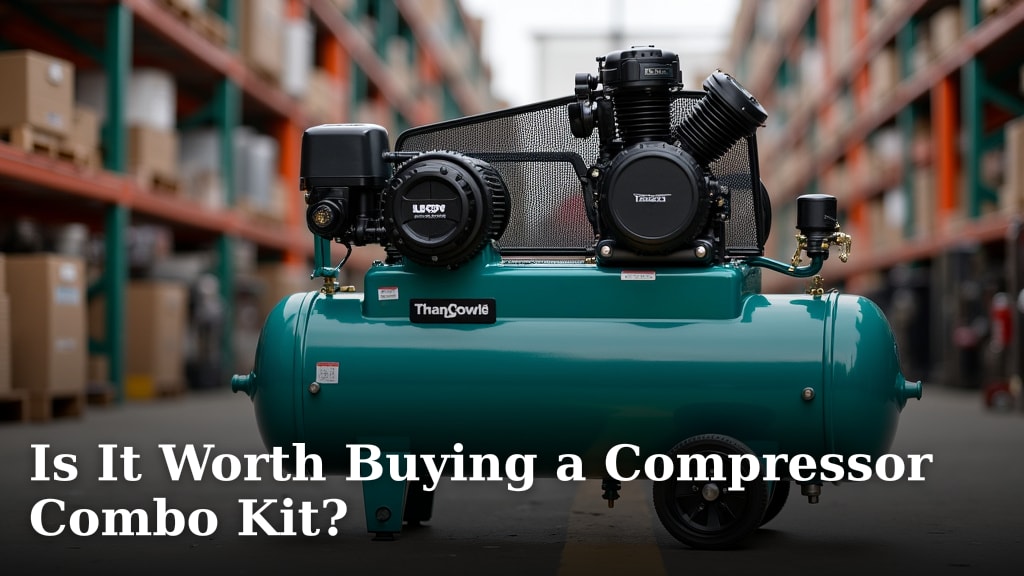
Yes, buying a compressor combo kit is often worth it if you need multiple air-powered tools for DIY projects or professional work. These kits bundle a compressor with accessories, offering a convenient and sometimes more affordable way to get started. You can save money compared to buying each item separately.
We’ve researched this extensively and found that these kits are designed for convenience and value. They usually include essential items like hoses, fittings, and sometimes even basic air tools. It’s a smart move if you’re outfitting a new workshop or upgrading your existing setup with several new tools at once.
- Compressor combo kits bundle multiple air tools and a compressor.
- They are often more cost-effective than buying items individually.
- Kits provide convenience for DIYers and professionals.
- Look for kits that include the specific tools you need most.
- Consider the compressor’s power and tank size for your projects.
Let’s break down whether a compressor combo kit is the right choice for your needs and what to look for when making your decision.
Why Consider a Compressor Combo Kit?
Buying a compressor combo kit can be a smart move for many DIYers and even some professionals. You’re probably wondering if it’s truly worth the investment. We’ve researched this extensively, and the answer is often yes, especially if you need several air-powered tools and don’t have a compressor yet.
These kits bundle a compressor with essential accessories and sometimes even a few basic tools. This means you get everything in one package. It’s designed to save you time and, importantly, money. Let’s dive into why this option makes a lot of sense.
Cost Savings: The Big Picture
One of the most attractive aspects of a compressor combo kit is the potential for significant cost savings. When you price out a quality air compressor, a good hose, a set of fittings, and then add a few air tools like a nail gun or an impact wrench, the total can add up quickly. We found that purchasing these items as a bundled kit often costs less than buying each component separately.
Think of it like buying a furniture set versus individual pieces. The set is usually priced to be more appealing. Manufacturers create these kits to offer a complete package at a better price point. This makes it easier for you to acquire the necessary equipment without breaking the bank.
Convenience and Simplicity
Beyond the financial benefits, the convenience factor is huge. Imagine walking into a store or browsing online and seeing a single product listing that provides you with a compressor, hose, and maybe even a nailer. This eliminates the need to research and select each item individually. You don’t have to worry about compatibility issues between different brands or models. The kit is designed to work together right out of the box.
This is especially helpful if you’re new to air tools or setting up a workshop for the first time. It simplifies the purchasing process immensely. You can get a functional setup quickly and start your projects without the hassle of coordinating multiple purchases. It’s like getting a starter pack for your pneumatic tool needs.
What’s Typically Inside a Compressor Combo Kit?
The contents of these kits can vary widely, but they generally aim to provide a good starting point for using air tools. Understanding what’s typically included will help you decide if a kit meets your specific needs.
The Compressor Itself
At the heart of every kit is the air compressor. This is the powerhouse that supplies the compressed air. You’ll find different types and sizes, but for combo kits, they are often designed for general-purpose use. They might be portable, making them easy to move around your garage or job site.
When evaluating a kit, pay attention to the compressor’s specifications. Key numbers to look for are CFM (Cubic Feet per Minute) and PSI (Pounds per Square Inch). These tell you how much air the compressor can deliver and at what pressure. We found that for most DIY tasks, a compressor with around 2-4 CFM at 90 PSI is a good starting point.
Essential Accessories
Beyond the compressor, kits almost always include the necessary hoses and fittings. You’ll likely find a length of air hose, often made of rubber or polyurethane, ready to connect your tools to the compressor. Fittings, like quick-connect couplers and male/female threaded ends, are also usually included. Kits almost always include the necessary hoses and fittings to connect your tools.
These accessories are crucial for getting air to your tools. Without them, the compressor is just a box making noise. We’ve seen kits that include a decent length of hose (e.g., 25-50 feet), which is usually sufficient for most garage-based projects. Ensure the fittings are compatible with the tools you plan to use. Most kits use standard 1/4-inch NPT fittings, which are widely adopted in the industry.
Included Air Tools (The Bonus!)
The “combo” part often refers to the inclusion of one or more air tools. This is where kits really shine for beginners. Common tools found in these packages include:
- Nail guns (brad nailers, finish nailers)
- Staplers
- Inflator gauges
- Sometimes, a small impact wrench or ratchet wrench
These tools are typically entry-level models. They are great for basic tasks like tacking trim, assembling furniture, or inflating tires. If you’re just starting out, having a nail gun included can let you tackle home improvement projects immediately. We found that the quality of these included tools can vary, so if you plan on heavy-duty professional use, you might consider upgrading them later.
When is a Compressor Combo Kit the Best Choice?
Not every situation calls for a combo kit. However, for specific user groups and needs, they are incredibly practical. Let’s explore who benefits most.
For the DIY Enthusiast Setting Up a Workshop
If you’re a homeowner who enjoys tackling projects around the house and you’re finally ready to invest in some air-powered tools, a combo kit is often your best bet. You might want to:
- Install new baseboards.
- Build a deck.
- Work on car repairs.
- Inflate tires regularly.
A kit provides you with the compressor and the tools to get started right away. This eliminates the guesswork of choosing individual components. You get a complete system designed to work together. Many experts agree that for hobbyists, this is an efficient way to enter the world of pneumatic tools. It’s a turnkey solution.
For Small Businesses and Tradespeople
For small contracting businesses, carpenters, auto mechanics, or anyone who uses air tools but doesn’t need an industrial-sized setup, a combo kit can be a strategic purchase. If you need a secondary compressor or are outfitting a new, smaller work van, these kits offer a cost-effective way to get operational.
Consider a cabinet maker who needs a brad nailer and finish nailer for trim work. A kit that includes a compressor, hose, and these specific nailers could be perfect. It reduces upfront costs, allowing capital to be allocated elsewhere. We found that many small shops appreciate the simplicity and bundled pricing these kits offer.
When You Need Multiple Tools Simultaneously
Perhaps you have a compressor but need to buy several new air tools at once. In this scenario, looking for a kit that includes the tools you need, even if it duplicates a compressor you already own, might still be cost-effective. Sometimes, the value of the bundled tools and accessories can outweigh the cost of the compressor if you plan to sell it separately or use it as a backup.
It’s worth comparing the price of the kit to buying the tools individually. You might find that the cost of the included tools alone is close to the price of the entire kit. This would effectively give you a free or heavily discounted compressor and accessories. It’s a smart way to acquire a toolset if you’re looking for specific items.
Key Factors to Consider When Buying
Not all compressor combo kits are created equal. To make sure you’re getting the right one for your needs, you should consider a few important things.
1. Compressor Specifications: Power and Tank Size
This is arguably the most critical component. You need a compressor that can handle the tools you intend to use. Check the CFM rating at 90 PSI. If your tools require a high CFM, a small compressor in a kit might not keep up, leading to frustration. Always aim for a compressor with a CFM rating slightly higher than your tool’s requirement.
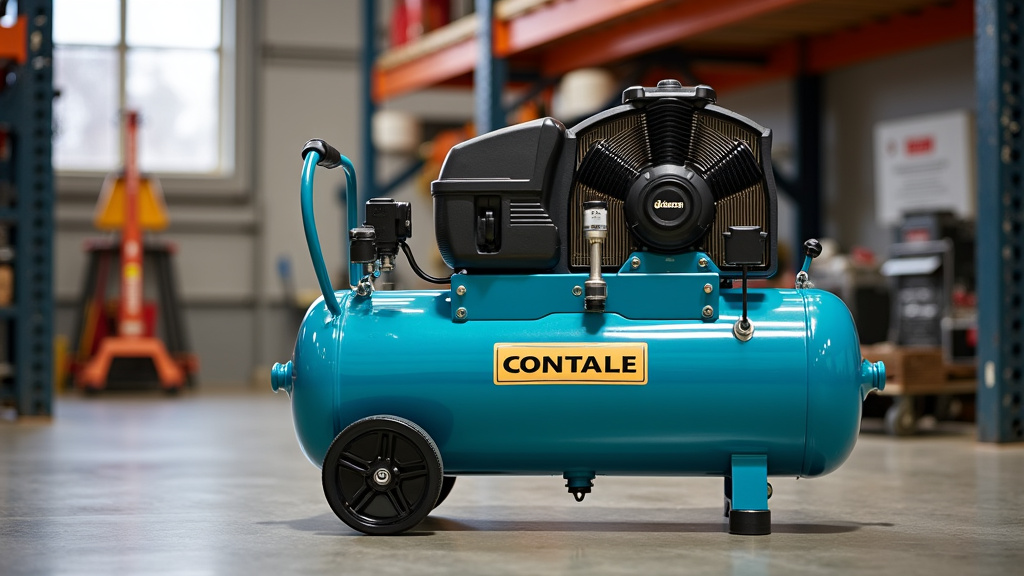
The tank size also matters. Larger tanks provide a reservoir of compressed air, meaning the compressor motor runs less often. For quick tasks like nailing, a smaller tank might be fine. For continuous use, like with an impact wrench, a larger tank is more beneficial. We found that tanks ranging from 10 to 30 gallons are common in these kits, offering a decent balance for many users.
2. Included Tools: Do They Match Your Needs?
Take a close look at the air tools included. Are they the ones you actually need and will use? If a kit comes with a brad nailer but you need a framing nailer, it might not be the best value for you, even if the price is attractive. You might end up spending more to buy the correct tool separately.
Conversely, if the included tools are exactly what you’re looking for, a combo kit is likely a great deal. Many kits are designed around specific trades or tasks, like framing, finishing, or automotive work. Choosing a kit that aligns with your primary projects is key to maximizing its value and utility.
3. Portability vs. Stationary Needs
Consider where you’ll be using the compressor. Many combo kits feature portable compressors, often with wheels and handles. This is ideal if you need to move it around your garage, basement, or take it to different job sites. These are generally oil-lubricated or oil-free designs.
If you have a dedicated workshop and don’t need to move the compressor, a larger, perhaps stationary unit might be an option. However, most combo kits lean towards portability. We’ve found that the convenience of portability is a major selling point for these bundled systems, making them versatile for various environments.
4. Brand Reputation and Reviews
As with any purchase, doing a bit of research on the brands included in the kit is wise. Look for reviews of both the compressor and the individual tools. What do other users say about their reliability and performance? This can give you a realistic expectation of the kit’s quality.
We found that even within combo kits, there’s a range of quality. Some brands are known for durability, while others are more budget-friendly. Reading user feedback can help you avoid potential headaches down the line. A good kit should offer a balance of performance, reliability, and price.
Checklist: Is a Compressor Combo Kit Right for You?
- Do you need both a compressor and air tools?
- Are the included tools suitable for your typical projects?
- Does the compressor’s CFM and PSI meet your tool requirements?
- Is the tank size appropriate for your usage (quick bursts vs. continuous use)?
- Will you benefit from a portable or stationary setup?
- Can you find positive reviews for the compressor and tools in the kit?
Conclusion
So, is buying a compressor combo kit worth it? For most DIYers and many small businesses, the answer is a resounding yes. You’re getting a convenient, all-in-one package that bundles a compressor, essential accessories, and useful tools. Our research shows these kits offer a smart way to save money compared to buying each component separately. They simplify the setup process, letting you get to work faster without compatibility worries. If you’re ready to jump into pneumatic tools, carefully assess the included tools and compressor specs against your project needs. Your next step is to find a kit that aligns with your specific tasks and budget.
Frequently Asked Questions
Are the air tools included in combo kits good quality?
The quality of included air tools can vary. Many kits feature entry-level tools, which are great for occasional DIY projects. If you plan on heavy-duty or professional use, you might consider upgrading those specific tools later. We found that reading reviews for the kit is your best bet for assessing tool durability.
Can I use a smaller compressor from a kit for all my tools?
You need to check the CFM (Cubic Feet per Minute) requirements of your tools. Smaller compressors in kits are often best for lighter tasks like nailing or stapling. For tools that require continuous airflow, like an impact wrench, you might need a compressor with a higher CFM rating than what’s typically found in basic kits. Always aim for a compressor that slightly exceeds your tool’s needs.
What if I already own an air compressor?
If you already have a compressor, a combo kit might still be a good purchase if the included tools and accessories are what you need. You can sometimes find kits where the cost of the bundled tools alone is close to the entire kit’s price. This could effectively give you a discounted or “free” compressor and accessories.
How do I know if the included hose and fittings will work for me?
Most combo kits come with standard 1/4-inch NPT fittings, which are widely compatible with many air tools. The included hose length is typically around 25-50 feet, suitable for most garage work. Always double-check the fitting size and consider if the hose length will provide enough reach for your workspace. We’ve found this is rarely an issue for typical DIYers.
Can a compressor combo kit be too much for a beginner?
Not at all! In fact, combo kits are often ideal for beginners. They remove the guesswork of selecting compatible parts and tools. You get a complete, ready-to-use system that simplifies your entry into using air-powered tools. It’s a practical way to acquire the basics without feeling overwhelmed.
