
How Often Should I Replace Air Compressor Filter?
You should replace your air compressor filter every 6 to 12 months, or sooner if you work in a dusty environment. A clean filter is key for your compressor’s performance and lifespan. Ignoring this simple maintenance can lead to bigger problems down the road, costing you time and money.
An air compressor filter protects the internal parts from dust and debris. When it gets clogged, your compressor has to work harder. This can result in lower air output and increased energy use. Many users find that replacing the filter regularly is a small step with big rewards for their tools.
- Filter replacement is usually needed every 6-12 months.
- Dusty conditions mean you might need to change it more often.
- A clogged filter hurts performance and costs more energy.
- Regular checks and replacements are simple but important.
Ready to keep your air compressor running smoothly? Let’s break down exactly how often you should be swapping out that filter.
How Often Should You Change Your Air Compressor Filter?
You should replace your air compressor filter roughly every 6 to 12 months. This general guideline can shift based on how and where you use your compressor. Think of your air filter as the lungs of your machine; it needs regular cleaning to breathe freely.
Ignoring this simple maintenance can really hurt your compressor. It can lead to lower performance and even shorten its lifespan. So, when should you really be reaching for a new filter? Let’s get into the details.
Understanding Your Air Compressor Filter’s Role
Your air compressor’s filter is a silent guardian. Its primary job is to prevent dust, dirt, and debris from entering the compressor’s internal components. This is especially important for the motor and the pump, which are sensitive to airborne contaminants.
When your compressor pulls air in, the filter acts like a sieve. It catches all those tiny particles that could cause damage. Without a clean filter, these particles can get into the system. This can lead to premature wear and tear on critical parts.
Why a Clogged Filter is a Problem
A clogged filter means your compressor has to work much harder to suck in air. Imagine trying to breathe through a thick cloth mask. It’s tough, right?
This extra effort strains the motor. It also results in reduced airflow and pressure. You might notice your tools aren’t performing as powerfully as they used to. This is a sure sign your filter needs attention.
The Cost of Neglect
Neglecting filter changes can lead to expensive repairs. Small particles can scratch cylinder walls or damage seals. Over time, this can cause a complete compressor failure. The cost of a new filter is tiny compared to replacing the entire unit.
Factors Affecting Filter Lifespan
The 6-12 month rule is a good starting point, but several factors can shorten that time. Your specific usage environment plays a huge role in how quickly your filter gets dirty.
Your Work Environment Matters
Do you work in a workshop filled with sawdust? Perhaps you’re using your compressor on a construction site? These environments are naturally much dustier than a clean garage.
In dusty conditions, your filter will clog up a lot faster. We found that in heavily polluted or dusty areas, a filter might only last a few months. Regular checks are essential in these situations.
Sawdust and Woodworking
Woodworking shops are notorious for airborne dust. Sawdust particles are fine and can quickly overwhelm a filter. If you’re a hobbyist or professional woodworker, you might need to check and replace your filter more frequently.
Construction Sites and Outdoor Use
Outdoor use or construction sites expose your compressor to dirt, sand, and other particles. These can be abrasive and clog the filter rapidly. Consider checking the filter monthly in such demanding environments.
Compressor Usage Frequency and Duration
How often do you run your compressor? And for how long each time? A compressor used daily for hours will wear out its filter faster than one used for a few minutes once a week.
Heavy, continuous use means the filter is constantly working. It’s processing a larger volume of air. This leads to more particle buildup. So, heavy usage naturally requires more frequent filter checks.
Type of Air Compressor and Filter
Different types of air compressors and their filters have varying lifespans. Some industrial-grade compressors have more robust filtration systems. Smaller, portable compressors might have simpler filters.
The quality of the filter itself also matters. Higher-quality filters might last longer or capture finer particles. Always refer to your compressor’s manual for specific recommendations on filter types and replacement schedules.
Signs Your Air Compressor Filter Needs Replacing
Your compressor will often give you clues that its filter is struggling. Learning to spot these signs can save you from bigger problems. Don’t wait for a complete breakdown; listen to your machine!
Reduced Airflow and Pressure
This is one of the most common indicators. If you notice the air output isn’t as strong as it used to be, the filter is likely the culprit. Your tools will feel less powerful.
Think about when you try to inflate tires. If it takes much longer than usual, or the pressure gauge doesn’t reach the desired level easily, check that filter. It’s a **clear sign of restriction**.
Increased Motor Noise or Overheating
When the motor has to fight for air, it can lead to straining. You might hear a louder, more strained motor sound than usual. It might also feel hotter to the touch.
Many experts say excessive motor strain can reduce its efficiency and lifespan. This is your compressor telling you it’s working too hard to breathe.
Visible Dirt or Debris on the Filter
The best way to know for sure is to simply take a look. Many air compressor filters are easily accessible. You can often see if they are visibly dirty or clogged.
If you can see a thick layer of dust, grime, or particles, it’s definitely time for a change. Don’t try to clean a paper filter; it’s usually designed for single use.
How to Check and Replace Your Air Compressor Filter
Replacing your air compressor filter is a straightforward maintenance task. Most manufacturers design them for easy access.
Locating the Filter
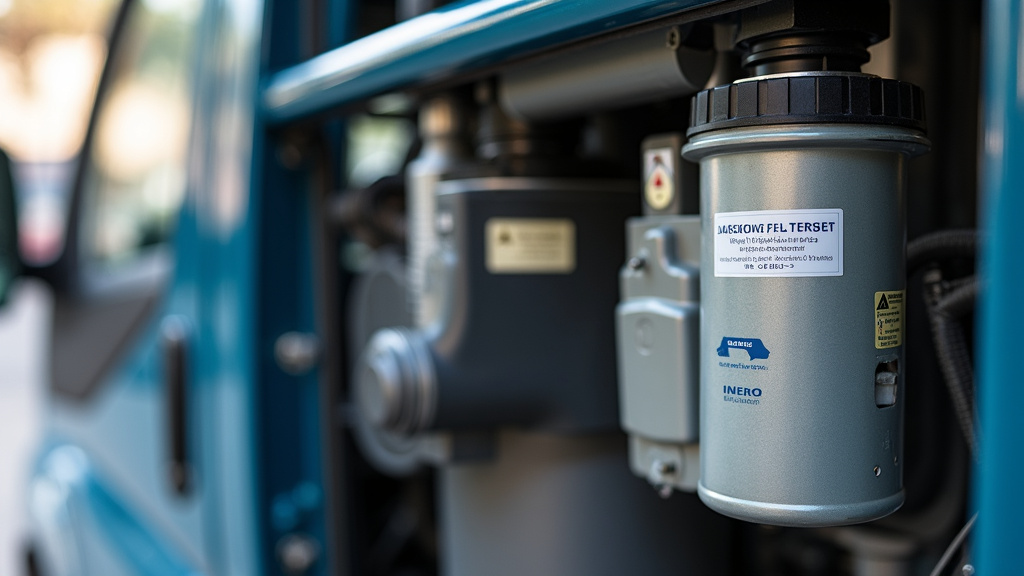
Consult your air compressor’s manual to find the exact location of the air intake filter. It’s typically found on the side or top of the compressor unit. It might be housed in a plastic cap or casing.
Performing the Replacement
Usually, you’ll need to unscrew or unclip a housing to access the filter. Once removed, simply insert the new filter, making sure it’s seated correctly. Then, reassemble the housing.
It’s a good idea to keep a spare filter on hand. This way, you’re always ready when maintenance is needed. Many common compressor models use widely available filter sizes.
Optimizing Your Air Compressor’s Performance and Longevity
Regular filter replacement is a cornerstone of good air compressor maintenance. But what else can you do?
Adhering to Maintenance Schedules
Beyond the filter, other parts need attention. Regularly draining the tank prevents moisture buildup, which can cause rust. Lubricating moving parts, if your model requires it, is also key.
Following the manufacturer’s recommended maintenance schedule is your best bet. This ensures all components are cared for. This holistic approach keeps your compressor running efficiently.
Using the Right Accessories
Ensure you’re using the right air hoses, fittings, and tools for your compressor. Using under-spec accessories can limit airflow and put extra strain on the unit.
It’s like trying to drink a thick milkshake through a tiny straw. The right equipment ensures that air flows freely to your tools.
When in Doubt, Check It Out!
If you’re unsure about your filter’s condition or how often to replace it, it’s always best to err on the side of caution. A quick visual inspection can save you a lot of trouble.
Don’t let a dirty filter become the bottleneck for your compressor’s performance. A little attention goes a long way in keeping your equipment in top shape for years to come.
Your Air Filter Maintenance Checklist
- Visually inspect your air filter monthly, especially if you work in a dusty environment.
- Replace the filter if it looks visibly dirty, clogged, or damaged.
- Follow the manufacturer’s recommended replacement interval (usually 6-12 months).
- Consider replacing the filter more often in dusty or high-usage conditions.
- Keep a spare filter readily available for quick replacements.
- Listen for changes in motor noise or reduced airflow – these are often filter-related.
Conclusion
You’ve learned that keeping your air compressor filter clean is essential. A general rule of thumb is to replace it every 6 to 12 months. However, your work environment and usage frequency are key factors. Dusty conditions and heavy use mean you’ll likely need to change it much sooner. By regularly inspecting your filter and replacing it when needed, you protect your compressor. This simple maintenance prevents costly repairs and ensures optimal performance. Make checking your air filter a regular habit – your compressor will thank you with reliable service for years to come.
Frequently Asked Questions
How do I know if my air compressor filter is bad without taking it out?
You can often tell if your filter needs replacing by listening to your compressor. If the motor sounds louder or seems to be working harder than usual, it might be struggling to draw air. Also, a noticeable decrease in air output or pressure from your tools is a strong indicator that the filter is clogged.
Can I just clean my air compressor filter instead of replacing it?
For most disposable paper filters, cleaning is not recommended and won’t be effective. They are designed to trap fine particles and attempting to clean them can damage the filter material or leave behind microscopic debris. It’s best to replace them with a new one to ensure proper filtration.
What happens if I never replace my air compressor filter?
If you never replace your air compressor filter, it will become heavily clogged. This forces the compressor’s motor to work much harder, leading to overheating and increased energy consumption. Eventually, this can cause severe damage to the motor and pump, potentially leading to premature failure and expensive repairs.
Does the type of air compressor affect how often I should change the filter?
Yes, the type of air compressor can influence filter replacement frequency. Industrial or high-capacity compressors often have more robust filtration systems designed for demanding environments. Smaller, portable compressors might have simpler filters that require more frequent checks, especially if used regularly.
Is it okay to use an off-brand or generic air compressor filter?
While generic filters might fit, it’s generally best to use filters specifically designed for your air compressor model or those recommended by the manufacturer. Using the correct filter ensures optimal airflow and particle capture. An ill-fitting or lower-quality filter may not protect your compressor as effectively.
