
How Heavy Is a Portable Air Compressor?
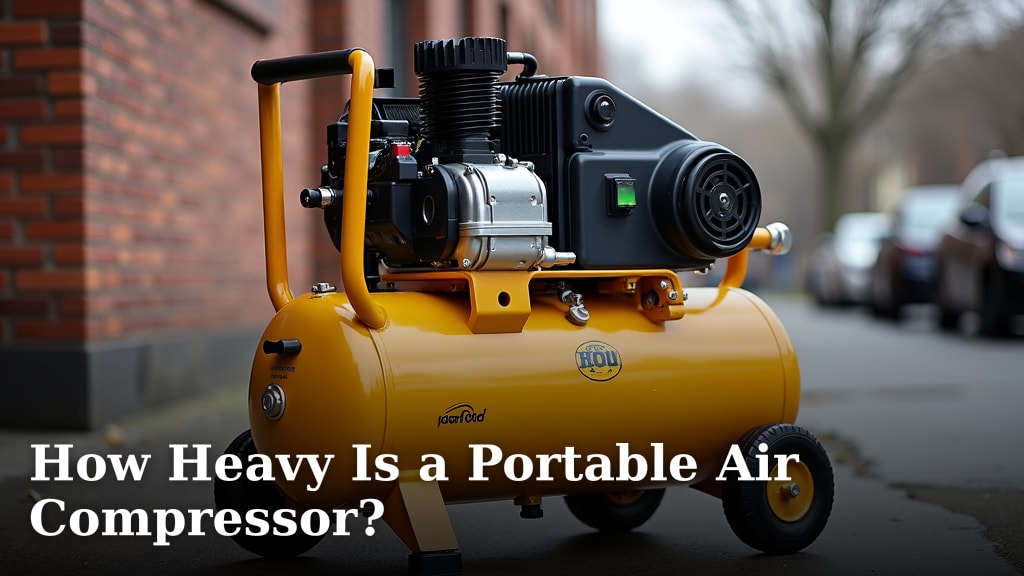
The weight of a portable air compressor can vary greatly, typically ranging from 20 pounds to over 100 pounds depending on its size and horsepower. Smaller, pancake-style compressors suitable for DIY projects are often the lightest, while larger, wheeled units designed for professional use will naturally be heavier.
When you’re choosing a portable air compressor, considering its weight is super important for transportation and maneuverability. You’ll want something manageable for your specific needs, whether that’s carrying it to a job site or simply moving it around your garage. Many users find that the ideal weight balances power with ease of handling.
- Portable air compressors range from 20 to over 100 pounds.
- Weight depends on compressor size and horsepower.
- Lighter models are good for home use.
- Heavier models offer more power for professional jobs.
Let’s break down exactly what influences the weight of these handy tools so you can pick the best one for your needs.
Understanding Portable Air Compressor Weight
You’re probably wondering, “Just how heavy is a portable air compressor, anyway?” It’s a great question! The answer isn’t a single number. It truly depends on what kind of compressor you’re looking at. We found that weights can range from a light 20 pounds to a hefty 100 pounds or more. This wide range means there’s likely a compressor out there that fits your carrying capabilities and power needs.
Think of it like choosing a car. A small compact car is easy to park and maneuver, but it won’t haul a massive load. A large truck can haul almost anything, but parking it can be a challenge. Portable air compressors work in a similar way. Their weight is directly tied to their horsepower and tank size, which dictates their power and how long they can run.
Factors Influencing Compressor Weight
Several key components contribute to the overall heft of your portable air compressor. Understanding these can help you make a more informed decision when you’re shopping around.
Horsepower (HP) and Motor Size
The heart of any air compressor is its motor. Generally, higher horsepower motors are larger and heavier. This is because they require more robust materials and construction to handle increased power output. A 1 HP motor will be significantly lighter than a 5 HP motor. We found that for many DIY tasks, a 1-3 HP range is common. Professional-grade compressors often push 5 HP and above, bringing a considerable weight increase.
Tank Size (Gallons)
The air tank is where compressed air is stored. Larger tanks mean you can store more air, allowing the compressor to run for longer periods before the motor needs to kick in again. Larger tanks are, naturally, made of thicker metal and are therefore heavier. A small 2-gallon tank will be much lighter than a 30-gallon tank. This is a trade-off: more storage means more weight to move.
Pump Type and Construction
The pump is what compresses the air. There are several types, and their construction impacts weight. Cast iron pumps are known for their durability and longevity. However, they are also considerably heavier than aluminum pumps. While aluminum is lighter, it might not withstand the same level of heat and stress over time. Many manufacturers balance these factors to create reliable, yet manageable, units.
Portability Features: Wheels vs. Handles
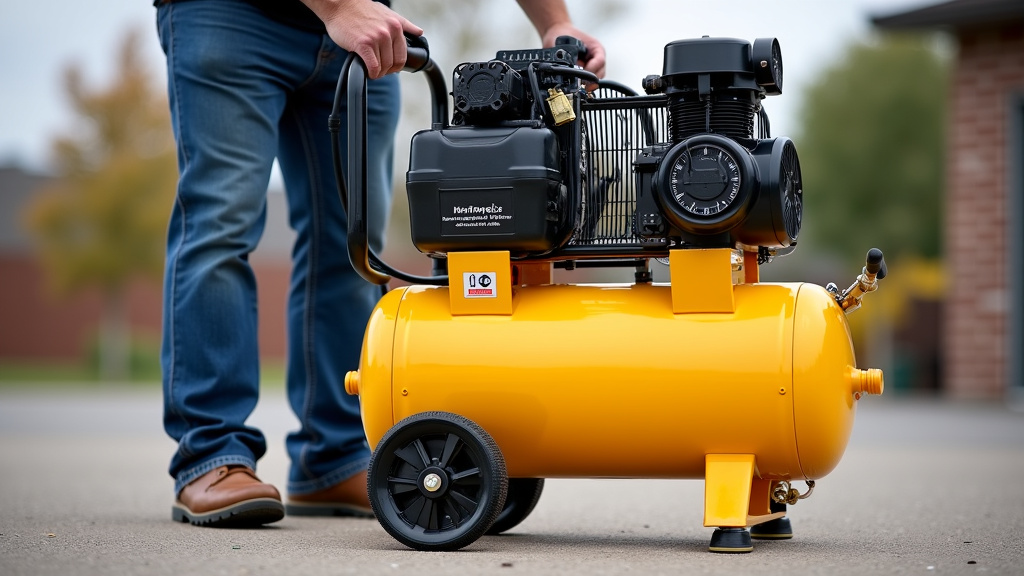
How a compressor is designed for portability makes a big difference. Compressors with built-in wheels and sturdy handles are easier to move, even if they are on the heavier side. Think of a suitcase with wheels – it makes moving a heavy item much simpler. A compressor that’s just a solid block with no wheels requires you to lift its entire weight, making its sheer poundage more impactful.
Weight Categories of Portable Air Compressors
We can break down portable air compressors into a few general weight categories. This can give you a better idea of what to expect for different types of tools.
Ultra-Lightweight (Under 30 Pounds)
These are your smallest, most portable units. Often called “pancake” or “hot dog” style compressors, they are perfect for inflating tires, powering small brad nailers, or running airbrushes. They typically have smaller motors (around 1 HP) and small tanks (1-4 gallons). You can usually carry these with one hand using their top handle. They are fantastic for quick jobs around the house or taking to different locations easily.
Lightweight to Mid-Weight (30-60 Pounds)
This category often includes slightly larger pancake compressors or smaller “wheelbarrow” style units. They might have a bit more horsepower (1.5-2.5 HP) and larger tanks (4-10 gallons). These are still quite manageable for most people, especially if they have wheels. They offer a good balance of power for tasks like running multiple brad nailers, staplers, or even small impact wrenches for short periods. You might need two hands or use the wheels to move these around comfortably.
Mid-Weight to Heavy-Duty (60-100 Pounds)
Here, you’re stepping into the territory of more powerful compressors. Think 2-4 HP motors and tanks ranging from 10 to 20 gallons. These are often designed with larger wheels and more robust frames. They are excellent for running framing nailers, impact wrenches for longer durations, or even small spray guns. While they can be portable, you’ll almost always rely on the wheels and handles. Lifting them entirely would be a significant effort for most individuals.
Heavy-Duty and Professional Grade (Over 100 Pounds)
These are the workhorses of the portable compressor world. You’re looking at 5 HP or higher motors and tanks of 20 gallons or more. They are built for demanding, continuous use on construction sites or in workshops. They almost always come with large, rugged wheels and sturdy, often folding, handles. While “portable” in the sense that they can be moved from site to site, they are heavy. You’ll typically use them in one spot for extended periods once they’re in place. Think of them as “rollable” rather than easily carried.
Typical Weights of Common Compressor Types
To give you a clearer picture, let’s look at some common types and their approximate weight ranges:
| Compressor Type | Typical Horsepower | Typical Tank Size | Approximate Weight Range | Common Uses |
|---|---|---|---|---|
| Pancake | 0.5 – 2 HP | 1 – 6 Gallons | 20 – 45 Pounds | Tire inflation, brad nailers, airbrushes |
| Hot Dog | 1 – 2.5 HP | 2 – 10 Gallons | 30 – 55 Pounds | Nailers, staplers, light impact tools |
| Twin Stack | 1.5 – 3 HP | 5 – 15 Gallons | 50 – 80 Pounds | Multiple nailers, medium-duty air tools |
| Wheelbarrow | 3 – 6 HP | 10 – 30 Gallons | 80 – 150 Pounds | Framing nailers, impact wrenches, air impact tools |
| Jobsite/Industrial | 5+ HP | 20+ Gallons | 100 – 250+ Pounds | Heavy-duty construction, continuous air tool use |
As you can see, the weight really scales up with horsepower and tank capacity. This table should help you visualize where different models fall on the weight spectrum.
How to Choose a Compressor Based on Weight
So, how do you pick the right weight for your needs? Consider these points.
Your Transportation and Storage
Will you be carrying this compressor up and down stairs? Or does it mostly stay in your garage? If you need to move it frequently to different job sites or around a large property, a lighter, more compact unit is probably best. If it lives in one spot, a heavier, more powerful unit might be a better fit. Think about where it will live and how often you’ll need to shift it.
Your Physical Strength and Capabilities
Be honest with yourself about what you can comfortably lift and move. Many experts suggest that items over 50 pounds can be difficult for some individuals to handle safely without assistance (Occupational Safety and Health Administration). If you plan to work alone, especially in tight spaces, the weight is a critical factor. You don’t want to strain your back trying to get your tools ready. Using a compressor with good wheels and a well-placed handle can make a huge difference, even for heavier models.
The Tools You’ll Power
Different air tools have different air demands. A small brad nailer needs very little air. A large impact wrench or a spray gun needs much more. A compressor that’s too light might not have enough power or storage to run your intended tools effectively. For instance, trying to run a framing nailer with a tiny, lightweight compressor will likely lead to frustration. Researching the CFM (Cubic Feet per Minute) requirements of your tools will guide you to the right size and, consequently, the right weight class of compressor.
Your Comfort Level with Noise and Vibration
Heavier compressors, especially those with cast iron pumps and larger motors, often run quieter and with less vibration. This is because their robust construction can dampen noise and movement more effectively. While not directly related to weight, it’s a common characteristic of the heavier, more powerful units. If you’re sensitive to noise or working in a residential area, this might be a factor to consider alongside weight.
Tips for Moving Heavier Compressors
If you find yourself needing a heavier, more powerful compressor, don’t despair! There are ways to manage the weight.
- Always use the wheels. This is the most important tip.
- Check the handle placement. Ensure it’s ergonomic and provides good leverage.
- Get a helper. Two people can easily move even very heavy units.
- Use a dolly or hand truck. For extreme weights, these are lifesavers.
- Plan your route. Make sure pathways are clear and level.
By keeping these tips in mind, you can safely and effectively manage even the most robust portable air compressors. Remember, the goal is to get the job done without risking injury.
Conclusion
You’ve learned that a portable air compressor’s weight hinges on its horsepower, tank size, and construction. We found that units range from under 30 pounds for light tasks to over 100 pounds for heavy-duty jobs. Your physical ability, how you’ll transport it, and the tools you’ll power are key factors in choosing the right weight. Don’t let the numbers intimidate you; always consider features like wheels and handles for easier management. Your next step is to match these weight categories to your specific project needs and personal comfort level.
Frequently Asked Questions
Can I use a lightweight compressor for all my DIY projects?
For light DIY tasks like inflating tires, using brad nailers, or powering airbrushes, a lightweight compressor (under 30 lbs) is often sufficient. However, if your projects involve tools that require more continuous airflow, like framing nailers or spray guns, you might need a heavier model with more horsepower and a larger tank.
Is there a maximum weight for a portable air compressor that’s safe to lift?
While there’s no single official limit, many experts suggest that lifting objects over 50 pounds can pose a risk of strain or injury for many individuals. If a compressor is in this weight range or heavier, relying on wheels, handles, or getting help is highly recommended for safe transport.
Do heavier air compressors tend to be louder or quieter than lighter ones?
Generally, heavier and more robust compressors, especially those with cast iron pumps and larger motors, often run quieter and with less vibration. Their solid construction helps to dampen noise and movement, making them more pleasant to operate, though this isn’t always the case.
How do wheels and handles affect the perceived weight of a compressor?
Excellent wheels and well-designed handles significantly reduce the effort needed to move a compressor, making its actual weight feel less burdensome. They allow you to roll or pull the unit rather than lifting its full weight, greatly improving maneuverability and reducing physical strain.
What’s the best way to determine the CFM requirements for my tools to choose the right compressor weight?
You can usually find the CFM (Cubic Feet per Minute) requirement for your air tools in their user manual or on the manufacturer’s website. You’ll want to select a compressor that not only meets but slightly exceeds the CFM needs of your most air-hungry tool to ensure it runs efficiently without interruption.
