
How to Troubleshoot an Air Compressor Motor That Hums?
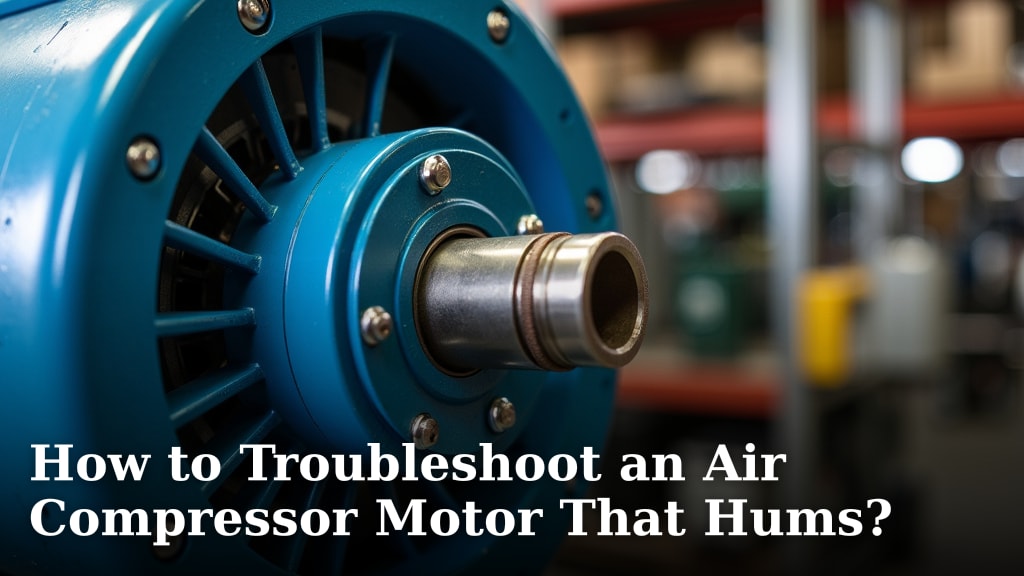
When your air compressor motor hums but doesn’t start, it usually means there’s a mechanical issue or a problem with the electrical supply. Don’t worry, this is a common problem many air compressor owners face, and there are several clear steps you can take to fix it. Identifying the exact cause is the first step to getting your compressor back online.
A humming motor often points to a motor that’s receiving power but can’t rotate freely. This could be due to a stalled motor, a bad capacitor, or even a blocked air intake. We’ll guide you through diagnosing these common culprits, helping you understand why your compressor is acting up and what you can do about it. Getting your equipment working again is usually quite manageable.
- Check for power to the motor.
- Inspect the motor’s start capacitor.
- Look for any mechanical obstructions.
- Verify the pressure switch is functioning. Verify the pressure switch is functioning correctly to ensure proper motor operation.
- Ensure the air intake isn’t blocked.
Let’s walk through exactly how to troubleshoot that humming air compressor motor step by step.
Troubleshooting Your Humming Air Compressor Motor
When your air compressor motor hums but won’t start, it’s like hearing a car engine crank but not catch. Power is getting there, but something’s stopping it from spinning. This is a common hiccup, and luckily, there are usually straightforward reasons why this happens. Let’s get to the bottom of it and get your compressor roaring back to life.
Diagnosing the Initial Power Supply
First things first, we need to confirm that your compressor is actually getting the power it needs to start up. Sometimes the issue is as simple as a tripped breaker or a loose connection. Before we dive into the motor itself, let’s rule out the obvious power problems. It’s always best to start with the easiest fixes. Before diving into the motor itself, let’s rule out obvious power problems.
Checking the Circuit Breaker
Your air compressor draws a lot of power. If the circuit breaker dedicated to your compressor has tripped, the motor won’t get enough juice to start. You’ll find the breaker panel usually in your garage or basement. Look for a switch that’s in the “off” position or halfway between “on” and “off.”
Flip the breaker completely off, then firmly back on. If it trips again immediately, there might be a more serious electrical issue at play, and you should consult an electrician. But if it stays on, try starting your compressor again. This is a very common fix that surprises many people!
Verifying the Power Outlet
Sometimes the outlet itself can be the culprit. You can test this by plugging in a different, known-working appliance, like a lamp or a vacuum cleaner. If that appliance doesn’t work either, the problem lies with the outlet or the wiring leading to it. If it does work, the issue is more likely with the compressor’s cord or plug.
Inspect the compressor’s power cord and plug for any signs of damage, like frayed wires or melted plastic. A damaged cord can prevent proper electrical flow. If you see damage, replace the cord immediately. Safety first, always!
Inspecting the Motor’s Starting Components
Many electric motors, especially those used in air compressors, rely on a start capacitor. This little component gives the motor the extra jolt it needs to get moving from a standstill. If the capacitor is faulty, the motor might just hum, unable to overcome its initial inertia.
Understanding the Start Capacitor’s Role
Think of the start capacitor like a tiny, temporary battery. It stores electrical energy and discharges it into the motor winding at the precise moment needed to start the rotation. Once the motor is spinning, it’s no longer needed and is often disconnected by a centrifugal switch or relay.
When a start capacitor fails, it often swells up or leaks a black, oily substance. However, sometimes they fail internally without any outward signs, making them tricky to diagnose visually. Research has shown that a failed start capacitor is one of the most frequent causes of a humming, non-starting motor (General Electric Company).
How to Safely Test the Start Capacitor
Important Safety Note: Capacitors can store a dangerous electrical charge even when the compressor is unplugged. Always unplug the compressor before touching any internal components. It’s also a good idea to wear safety glasses.
To test it, you’ll need a multimeter set to measure capacitance (usually marked with “F” for farads or “µF” for microfarads). Locate the start capacitor on your compressor motor. It’s often a black or silver cylinder mounted near the motor housing. You may need to remove a cover plate to access it. Carefully disconnect the wires leading to the capacitor. Then, touch the multimeter probes to the capacitor’s terminals. Compare the reading to the value printed on the capacitor itself. If the reading is significantly different (usually more than 10-20% off), the capacitor needs to be replaced.
Replacing a start capacitor is usually a straightforward DIY job if you’re comfortable working with basic electrical components. Make sure to purchase an exact replacement or one with the same microfarad rating and voltage rating.
Checking for Mechanical Obstructions
Sometimes, the motor isn’t the problem at all. An obstruction in the moving parts can prevent the motor from turning. This could be something jamming the pump or the motor shaft itself. You’re looking for anything that’s physically preventing free rotation.
Manually Turning the Motor or Pump Shaft
With the compressor unplugged, try to manually turn the motor shaft or the pump shaft. You can often do this by hand or by using a wrench on a bolt head if one is accessible. If you encounter significant resistance or the shaft won’t budge, something is likely jamming it.
Investigate the pump assembly for any foreign objects or debris. Sometimes, a small piece of metal or debris can get lodged in the pump mechanism. If you find something, carefully remove it. If the shaft still feels stiff after clearing any visible obstructions, there might be internal damage to the pump or motor bearings, which could require professional repair.
Inspecting the Drive Belt (If Applicable)
If your air compressor uses a drive belt between the motor and the pump, check its condition. A belt that’s too tight can put excessive strain on the motor, preventing it from starting. Conversely, a belt that’s too loose might slip, but it shouldn’t cause a hum without rotation.
Look for signs of wear, cracking, or fraying on the belt. Also, check the tension. You should have a little bit of give, but it shouldn’t be slack. Many belt-driven compressors have adjustable motor mounts to help you set the correct belt tension. Ensure the belt is properly aligned with the pulleys on both the motor and the pump.
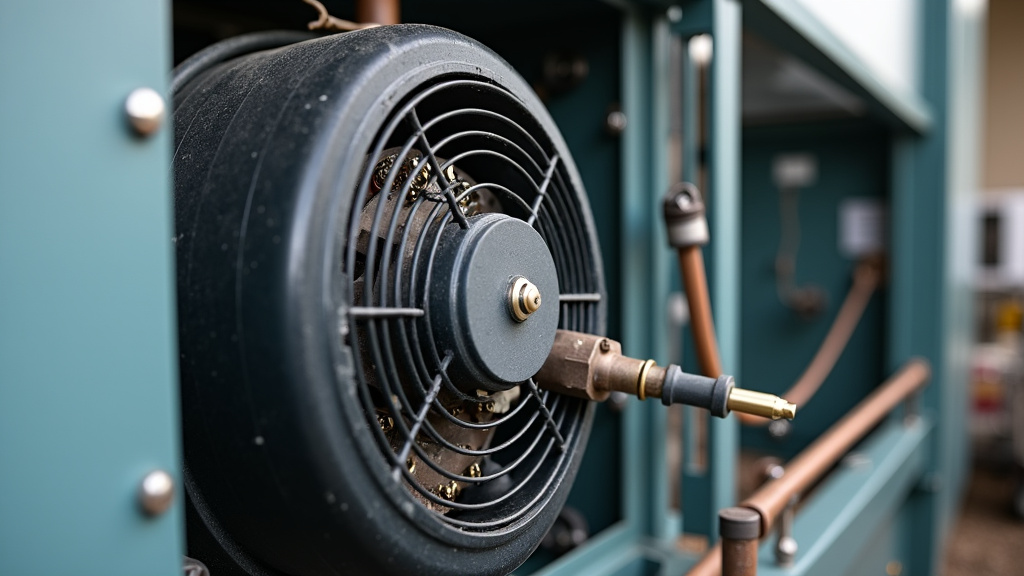
Troubleshooting the Pressure Switch
The pressure switch tells the motor when to turn on and off based on the air pressure in the tank. If this switch is stuck or malfunctioning, it might prevent the motor from engaging properly, even if it’s trying to receive power.
How the Pressure Switch Works
When the air pressure in the tank drops below a set level, the pressure switch is designed to close an electrical circuit, signaling the motor to start. Once the tank is full and the pressure reaches a higher set point, the switch opens the circuit, and the motor stops. It’s essentially the thermostat for your air compressor.
Checking for a Stuck Switch Mechanism
Locate the pressure switch on your compressor. It’s usually a black box with electrical connections and a lever or dial for adjusting pressure settings. Sometimes, dust or debris can interfere with the switch’s internal mechanism. You might also notice that the compressor tries to start when the tank is already full of air, or it doesn’t start even when the tank is empty.
You can try gently tapping on the pressure switch with the handle of a screwdriver to dislodge any minor obstructions. Make sure the compressor is unplugged before doing this. Some pressure switches have a manual unloader lever. If this lever is stuck in the “open” or “venting” position, the motor won’t be able to build pressure and might just hum. Ensure this lever is in the correct position for operation.
Verifying the Air Intake is Clear
While less common for a pure humming issue, a severely blocked air intake can create enough back pressure to make it difficult for the motor to start. It’s worth a quick check, especially if your compressor has been sitting for a while or is in a dusty environment.
Locating and Inspecting the Air Filter
Most air compressors have an air filter located at the intake of the pump. This filter prevents dust and debris from entering the pump. If this filter is completely clogged, it restricts airflow significantly.
Find the air filter housing, which is usually a plastic or metal component attached to the side of the pump. Unscrew or unclip the cover and remove the filter. If it looks dirty or completely blocked, replace it with a new one. Even if it doesn’t appear completely blocked, a very dirty filter can reduce performance, so regular replacement is a good maintenance practice.
Here’s a quick checklist to recap your troubleshooting steps:
- Unplug the compressor before any internal checks.
- Check the circuit breaker and power outlet.
- Inspect the power cord and plug for damage.
- Test or visually inspect the start capacitor.
- Manually try to turn the motor/pump shaft.
- Verify the air intake and filter are clear.
Conclusion
It can be frustrating when your air compressor motor only hums, but you’ve now learned the common culprits. You’ve checked the power supply, inspected crucial starting components like the capacitor, and looked for mechanical blockages or pressure switch issues. Remember, safety is key, so always unplug your compressor before inspecting internal parts. If these steps don’t resolve the humming, it might be time to consult a professional. But with these troubleshooting tips, you’re well-equipped to tackle many common air compressor problems yourself and get back to your projects.
Frequently Asked Questions
How long should a start capacitor last?
Start capacitors are designed to last for many cycles, but they are a wear-and-tear item. Factors like frequent starts, voltage fluctuations, and overall usage can affect their lifespan. A capacitor failing prematurely can indicate an underlying issue with the motor or electrical system.
Can a bad motor bearing cause a hum?
Yes, a bad motor bearing can definitely cause a humming sound. When bearings seize or become worn, they create resistance, preventing the motor shaft from spinning freely. This resistance, combined with power being supplied, can result in that characteristic hum.
What if the pressure switch is stuck, but I can’t unstick it?
If tapping the pressure switch or ensuring the unloader lever is clear doesn’t work, the switch itself might be internally damaged. In this case, it’s best to replace the pressure switch. Make sure to match the new switch’s pressure settings to your compressor’s specifications.
Is it safe to run the compressor if the capacitor is bulging?
No, it is not safe to run the compressor if the capacitor is bulging. A bulging capacitor indicates it is failing and could potentially leak or even explode. Always disconnect power and replace a visually damaged capacitor immediately.
What’s the difference between a start capacitor and a run capacitor?
A start capacitor provides a temporary boost to get the motor spinning initially and is then disconnected. A run capacitor, on the other hand, stays connected throughout the motor’s operation to help maintain torque and efficiency. Many air compressors only use start capacitors.
