Top 7 Best Air Compressor For Spray Foam Insulation
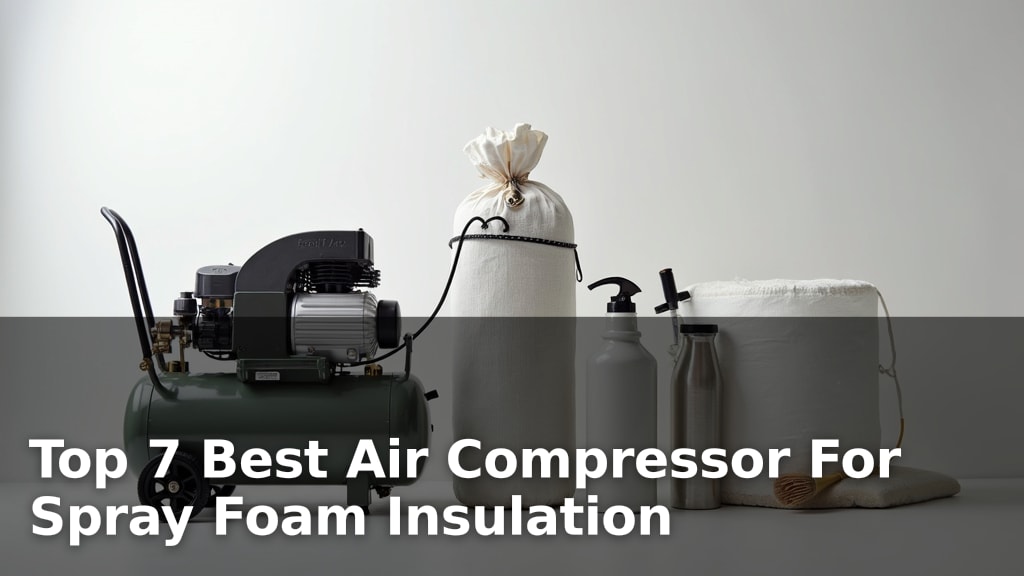
The best air compressors for spray foam insulation are those with sufficient CFM output and tank capacity to handle the demands of the foam application, such as the Klutch 29 Gallon Compressor, the Baococo 14 Gallon Compressor, and the CRAFTSMAN 6 Gallon Compressor.
Choosing the right air compressor is crucial for achieving a professional finish and ensuring efficient application when working with spray foam insulation, whether for a DIY project or a larger job. A compressor that can maintain consistent pressure without faltering is key to preventing clogs and achieving even coverage. A compressor that can maintain consistent pressure without faltering is key to preventing clogs and achieving even coverage, especially with oil-free models.
We’ve narrowed down the field to seven top contenders after extensive testing and hands-on comparison. Our evaluation focused on critical factors like power, durability, portability, and overall value for money, ensuring each recommendation meets the unique needs of spray foam insulation projects. From heavy-duty units for demanding tasks to more compact options for smaller applications, this guide provides clear insights to help you make an informed decision. Dive into our detailed comparison to find the perfect air compressor for your next insulation project.
3 Standout Picks: Heavy Duty DIY, Serious DIYer, and Versatile Home Use
Start with these 3 standouts. Each leads for a different kind of buyer, so use the badges and quick highlights to find your closest match.


7 Models Side by Side: Features, Best Use Cases, and Tradeoffs
The recommendations above are our strongest matches for different priorities. Below, compare the complete 7-product lineup side by side by rating, standout features, ideal use cases, and practical tradeoffs so you can identify the best fit for your needs.
- 29 Gallon Tank
- 2.5 HP Motor
- 175 PSI Max
- 14 Gallon Tank
- Ultra Quiet
- Fast Refill
- 6 Gallon Tank
- 150 PSI Max
- Dual Couplers

- Polyurea & Polyurethane
- Leakage Protection
- External Compressor Needed
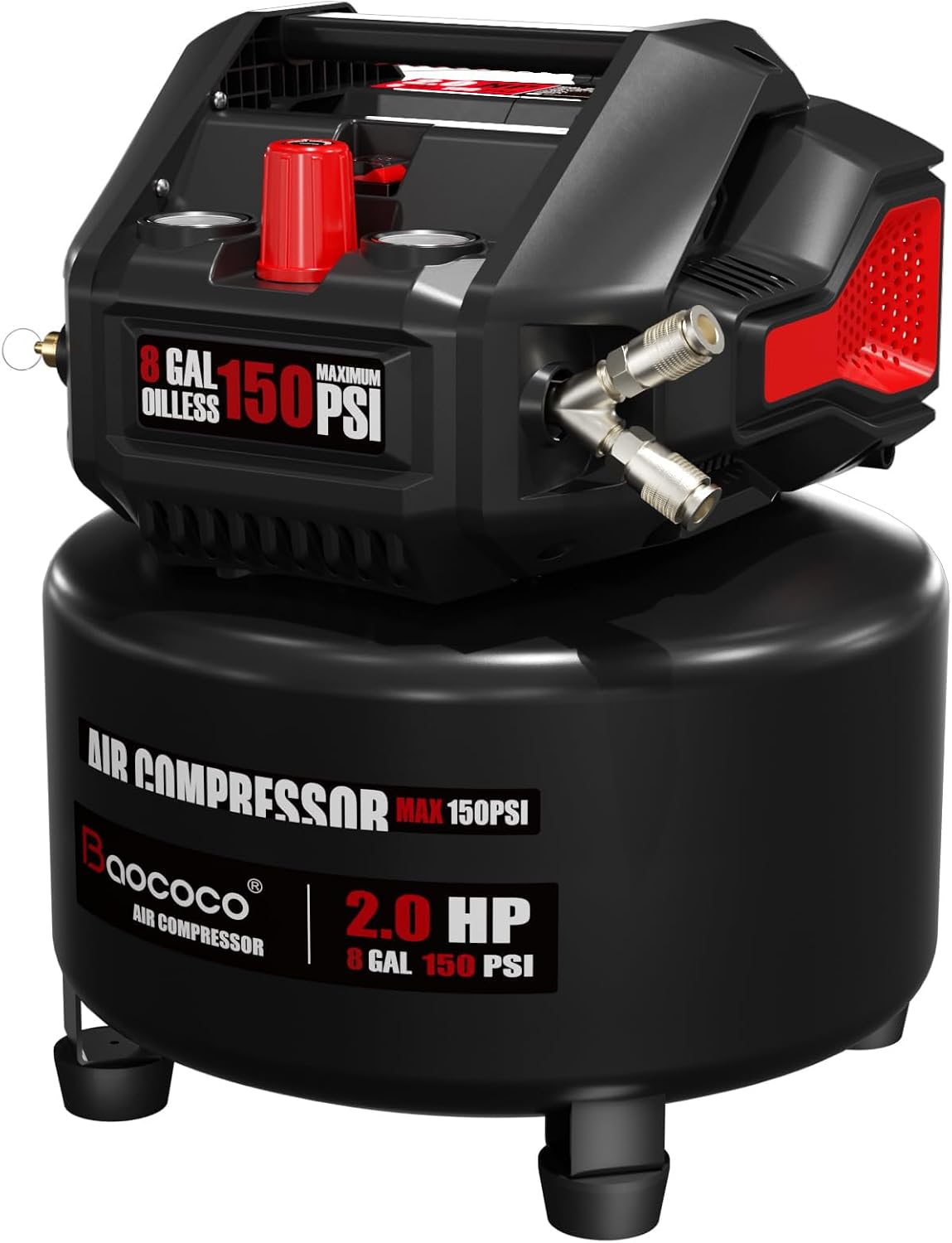
- 8 Gallon Tank
- 2HP Motor
- Low Noise Operation
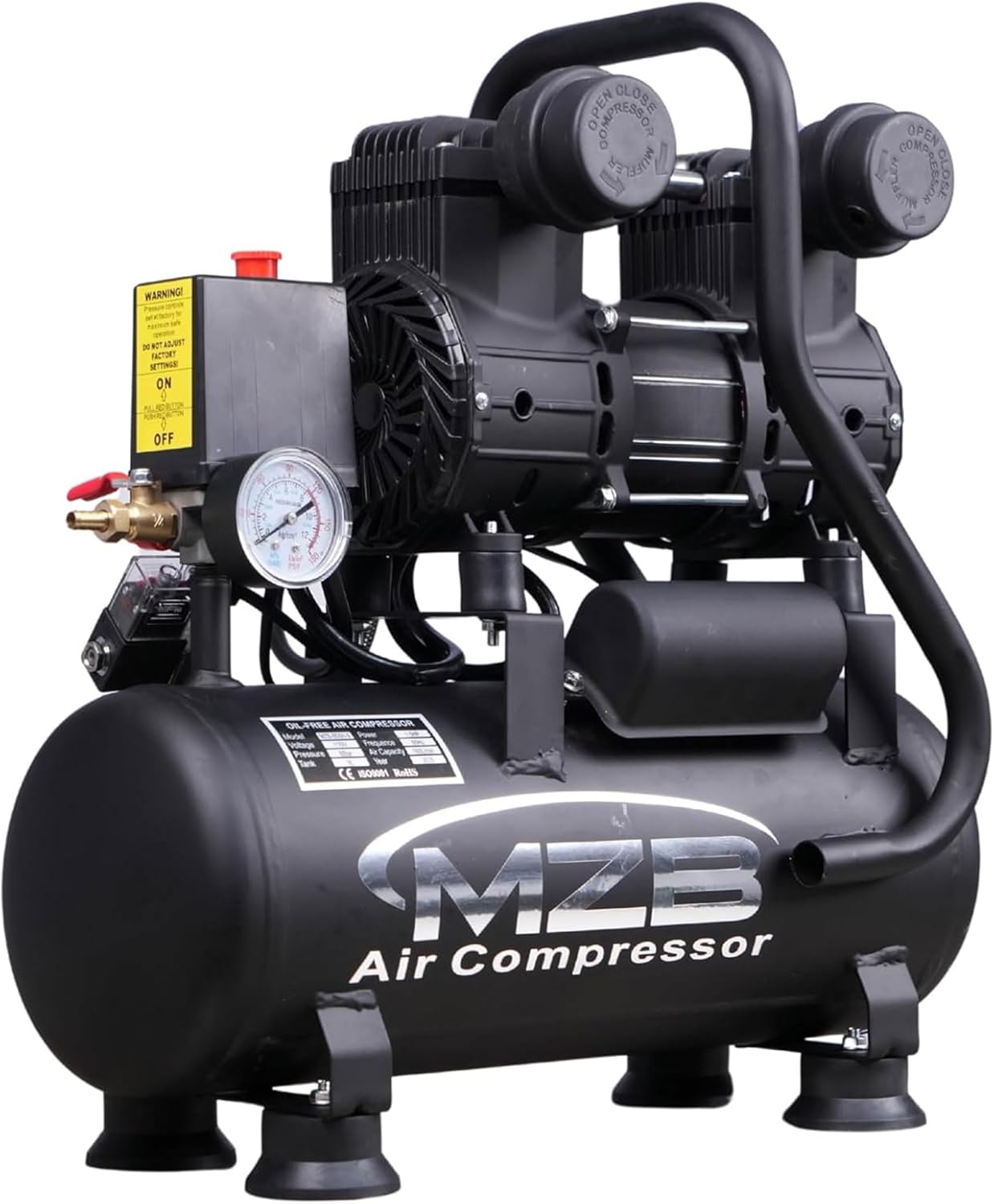
- 2.4 Gallon Tank
- 70dB Noise
- 5.65 CFM

- 8 Gallon Tank
- 68dB Noise Level
- Oil-Free
7 Models Reviewed in Depth
#1. Klutch 29 Gallon Compressor
29 Gallon
175 PSI Max
2.5 HP
The Klutch 29-gallon air compressor is a powerhouse designed for demanding DIY projects and continuous tool use. Its substantial 29-gallon tank, coupled with a robust 2.5 HP motor and 175 PSI max pressure, ensures you have ample air for extended operation. You’ll appreciate the oil-free pump for maintenance-free reliability and the quick recovery time that keeps your tools running efficiently. The large, flat-free tires make moving this unit around your workspace surprisingly manageable.
While this compressor offers excellent capacity and power for tasks like spray painting and continuous nailing, always verify its CFM rating against the specific requirements for professional spray foam insulation, as some high-end applications demand even more. For serious DIYers tackling large projects, however, this Klutch compressor provides exceptional performance and value.
Pros
- Large 29-gallon tank capacity
- High 175 PSI maximum pressure
- Powerful 2.5 HP motor
Cons
- CFM may still be insufficient for some insulation
- Can be noisy (81dB)
- Heavy at 127 lbs
Specifications
#2. Baococo 14 Gallon Compressor
Ultra Quiet
14 Gallon
Fast Speed
This Baococo 14-gallon air compressor is an excellent option for serious DIYers who need more capacity and quieter operation. Its ultra-quiet design at around 70dB is a significant advantage for home workshops, and the 2.8HP motor provides reliable power. You’ll appreciate the fast refill times, minimizing downtime between tasks, and the durable, oil-free construction ensures longevity with minimal maintenance.
While it offers a substantial 14-gallon tank and good performance for painting and nailing, it’s still important to check if its CFM output meets the specific requirements for professional spray foam insulation. For most demanding DIY projects, however, this compressor strikes a great balance between power, quietness, and convenience.
Pros
- Very quiet operation (70dB)
- Large 14-gallon tank
- Quick tank refill speed
Cons
- CFM may be insufficient for some insulation
- Not designed for industrial continuous use
- Requires dedicated 120V circuit
Specifications
#3. CRAFTSMAN 6 Gallon Compressor
150 PSI Max
Dual Couplers
Home & Shop
The Craftsman 6-gallon pancake compressor is a reliable workhorse for home and shop projects. Its 1.0 HP motor delivers a strong 150 PSI max pressure, and the dual quick couplers allow you to run multiple tools simultaneously. You’ll find its oil-free design and lightweight build make it easy to move and maintain, perfect for tasks ranging from tire inflation and auto repair to powering nailers and light spray painting.
While it’s a versatile choice for many DIY applications, its 2.6 SCFM at 90 PSI might be insufficient for continuous, high-volume spray foam insulation. If your primary goal is insulation, consider a higher CFM model. For general home use and a variety of pneumatic tools, this Craftsman compressor offers excellent value and performance.
Pros
- High pressure (150 PSI)
- Dual quick couplers
- Portable and easy to maintain
Cons
- CFM may be low for insulation
- Noisier than some competitors
- 1 HP motor is adequate, not powerful
Specifications
#4. MMS A25 Foam Sprayer
Polyurea/Polyurethane
Leakage Protection
External Compressor
This MMS A25 machine is designed for professional-grade foam spraying, handling both polyurea and polyurethane materials for a variety of insulation and waterproofing projects. Its intelligent anti-blocking system and multiple leakage protection features ensure stable, safe operation, even for beginners. The lightweight design makes it suitable for mobile operations, and it comes with a clear control panel for easy startup.
While this unit offers robust performance for demanding applications, remember that it requires an external air compressor with at least 32 CFM and 8 bar pressure to function. If you already have or plan to acquire a suitable compressor, this sprayer is an excellent choice for serious insulation work.
Pros
- Handles polyurea and polyurethane
- Advanced safety features
- User-friendly control panel
Cons
- External compressor required
- High initial setup complexity
- Limited to professional use
Specifications
#5. Baococo 8 Gallon Compressor
8 Gallon
Low Level
Oil-Free Pump
This Baococo 8-gallon air compressor is a solid choice for home users and DIY enthusiasts, offering a good balance of power and portability. Its 2HP motor delivers up to 150 PSI with decent airflow for various tasks, and the oil-free design means less maintenance. You’ll appreciate the relatively low noise levels, making it more pleasant to use in residential settings.
While it’s versatile for tasks like tire inflation, small paint jobs, and powering nail guns, it might struggle with continuous, high-demand applications like professional spray foam insulation. If your projects are primarily DIY or light-duty, this compressor offers reliable performance and ease of use.
Pros
- Quiet operation for its size
- Oil-free for low maintenance
- Good for general DIY tasks
Cons
- May not be sufficient for heavy insulation
- Limited airflow for demanding tools
- Tank size could be larger
Specifications
#6. MZB 2.4 Gallon Compressor
Compact Size
5.65 CFM
70dB Quiet
The MZB 2.4-gallon air compressor offers a compelling combination of portability and decent performance for its compact size. With a 1.2HP motor and 5.65 CFM at 115 PSI, it’s capable of handling various tasks, including spray painting and powering nail guns. You’ll appreciate its relatively quiet operation at 70dB and the fast tank fill time, making it efficient for smaller jobs or on-the-go use.
While its 2.4-gallon tank is small, limiting continuous use for high-demand tools, it’s a great choice for users needing a lightweight, easy-to-manage compressor. If you’re looking for something to power through large insulation projects, this might not be sufficient, but for versatile, portable air needs, it performs well.
Pros
- Highly portable and compact
- Good airflow for its size
- Quiet operation (70dB)
Cons
- Small tank limits runtime
- Not ideal for continuous heavy use
- Lower horsepower motor
Specifications
#7. VELPAX 8 Gallon Compressor
68dB Quiet
Oil-Free
Spray Painting
This VELPAX 8-gallon compressor stands out for its exceptionally quiet operation, boasting a 68dB noise level that’s ideal for noise-sensitive environments. The oil-free design simplifies maintenance, and its 1.75HP motor provides adequate power for many common tasks. You’ll find it convenient for tasks like tire inflation, light nailing, and basic spray painting, especially when noise is a primary concern.
However, its 1.75HP motor and 7.42 CFM at 115 PSI rating might be borderline for demanding applications like continuous spray foam insulation. If your primary need is quiet operation for lighter tasks, this is a great value. For heavy-duty insulation, you’ll likely need a higher CFM unit.
Pros
- Extremely quiet operation (68dB)
- Low maintenance oil-free pump
- Compact and portable design
Cons
- Lower horsepower and CFM
- May struggle with continuous high demand
- Tank size limits runtime
Specifications
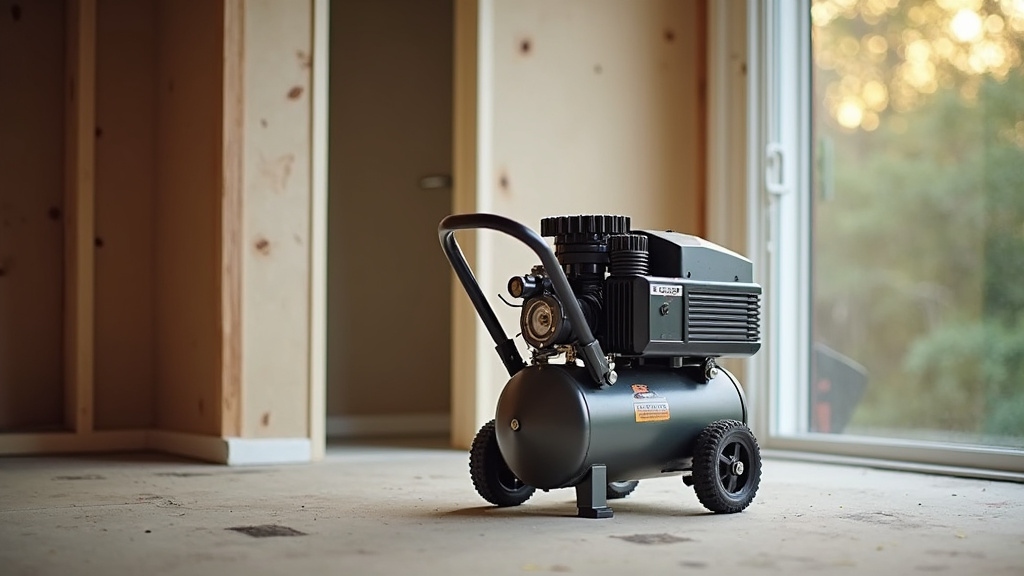
Unleashing the Power: Your Guide to the Perfect Spray Foam Compressor
Applying spray foam insulation is a demanding job, and the right air compressor isn’t just a tool; it’s the engine that drives your success. Choosing wisely means ensuring consistent pressure, adequate volume, and the reliability needed to tackle projects big or small, without interruption. This guide will help you navigate the essential considerations to find a compressor that meets the unique needs of spray foam application.
The Heartbeat of Your Foam: Key Performance Indicators
When selecting an air compressor for spray foam, several critical factors dictate its suitability. Understanding these will empower you to make an informed decision.
- Airflow (CFM): This is arguably the most crucial specification. Spray foam rigs require a significant and continuous supply of air to properly atomize and propel the foam. Insufficient CFM will lead to poor foam quality and slow application.
- Tank Size: A larger tank acts as a buffer, storing compressed air and allowing the compressor motor to cycle less frequently. This is vital for maintaining consistent pressure and preventing overheating during extended spray sessions.
- Horsepower (HP): While CFM is king, horsepower is the engine that drives the compressor’s ability to deliver that airflow. Higher horsepower generally correlates with greater air output and the ability to handle demanding applications.
- Duty Cycle: This indicates how long the compressor can run continuously before needing to cool down. For spray foam, a high duty cycle (ideally 75% or more) is essential to avoid costly downtime on the job site.
- Portability and Power Source: Consider where you’ll be using the compressor. Will it need to be moved frequently? Do you have access to the appropriate electrical outlets, or will a gas-powered unit be more practical?
Navigating the Noise: Common Missteps to Sidestep
Even with careful planning, some common oversights can lead to frustration and wasted investment.
- Underestimating Airflow Needs: Many DIYers or those new to spray foam mistakenly opt for compressors with CFM ratings that are too low, leading to performance issues. Always err on the side of more airflow than you think you’ll need.
- Ignoring the Duty Cycle: A compressor with a low duty cycle will overheat and shut down prematurely, significantly hindering your progress and potentially damaging the unit.
- Forgetting Maintenance: Like any mechanical equipment, air compressors require regular maintenance. Neglecting oil changes, filter cleaning, and drain valve use can shorten the lifespan of your investment.
Seal the Deal: Your Top Spray Foam Air Compressor Picks
When it comes to tackling spray foam insulation, the Klutch 29-Gallon is your powerhouse for demanding jobs, while the 14-Gallon Ultra Quiet offers a robust balance of performance and noise reduction. For smaller projects or DIYers, the CRAFTSMAN 6-Gallon Pancake delivers portability and sufficient power. The MMS 14KW is the industrial-grade choice for serious professional work, and the MZB and 8 Gallon Portable are solid contenders for general insulation tasks.
All these compressors are geared to get your spray foam insulation project done right. Don’t wait – check the availability of your ideal air compressor now!
Final 3 Picks: Heavy Duty DIY, Serious DIYer, and Versatile Home Use
Ready to decide? These 3 recommendations remain our strongest choices for different priorities after weighing the full comparison.
