Can You Use an Air Compressor for Sandblasting Rust Off Metal?
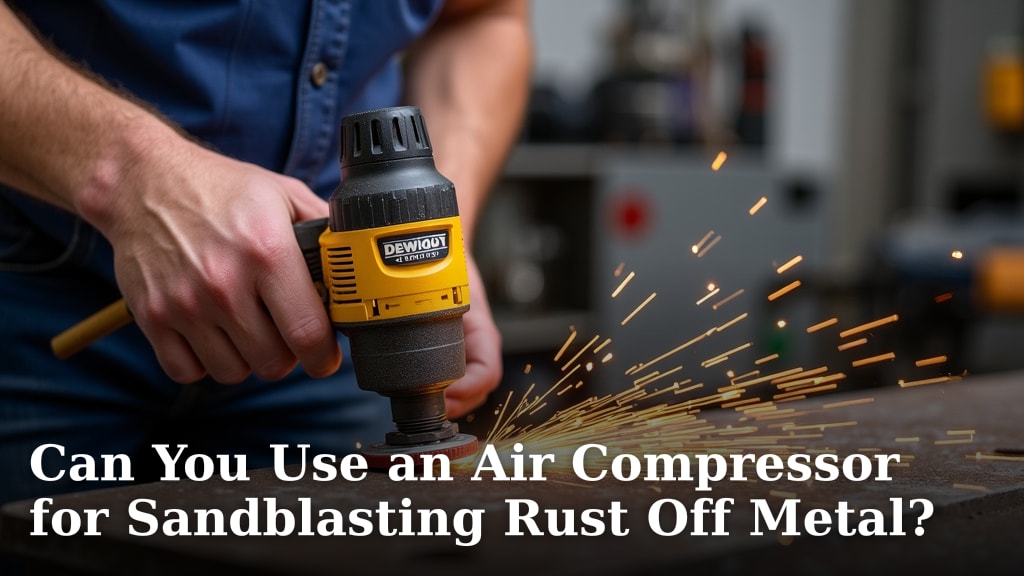
Yes, you can definitely use an air compressor for sandblasting rust off metal! It’s a popular and effective method for tackling corrosion. Many DIYers and professionals find it a powerful way to clean metal surfaces. Your air compressor might just be the tool you need.
When you’re looking to remove stubborn rust, sandblasting offers a quick and thorough solution. It works by propelling abrasive media at high speed. This process can remove rust, paint, and other contaminants efficiently. It prepares your metal for whatever you plan to do next.
- You can use an air compressor for sandblasting.
- It’s a great way to remove rust from metal.
- Proper setup is key for best results.
- Different media can be used for sandblasting.
Let’s get into the details of how you can best utilize your air compressor for sandblasting rust and what you’ll need to get the job done right.
So, you’re staring down a rusty metal project and wondering if that air compressor in your garage can lend a hand. The short answer is a resounding yes! Using an air compressor to sandblast rust off metal is a totally achievable DIY task. It’s a practical way to get your metal looking sharp again.
Using Your Air Compressor for Rust Removal
Can your air compressor handle sandblasting? For most common DIY projects, the answer is yes. You just need to make sure it’s up to the task. It’s like asking if your car can go on a gravel road – it can, but you might need different tires and a slower speed.
What You’ll Need to Get Started
Before you blast away, let’s gather your gear. You’ll need a few key components to make this work safely and effectively. Think of it as assembling your sandblasting toolkit.
The Air Compressor Itself
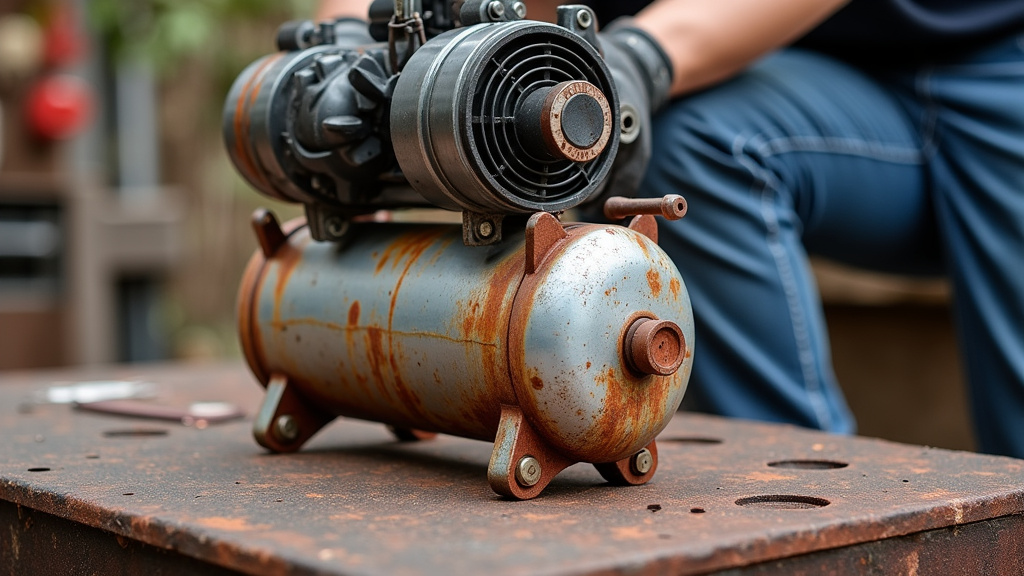
This is your power source. For sandblasting, you need an air compressor that can deliver a consistent flow of air. This is measured in Cubic Feet per Minute (CFM). The higher the CFM, the better. Many small compressors are just too weak for sandblasting.
We found that a compressor with at least 5 CFM at 90 PSI is a good starting point. Anything less might struggle to keep up. It could lead to a weak blast or the compressor running constantly. This can overheat your compressor. Check your compressor’s specifications. Look for the PSI and CFM ratings.
Sandblasting Gun and Media
You can’t just blast air! You need a sandblasting gun. These tools attach to your air hose. They mix the air with the abrasive media. There are many types available. Some are simple siphon-feed guns. Others are pressure-pot systems for heavier work. For most DIY rust removal, a siphon-feed gun is usually sufficient.
The “sand” in sandblasting isn’t always sand. You can use various abrasive media. Common options include:
- Sand: Silica sand is cheap but can be harmful to inhale. Many experts recommend avoiding it for health reasons.
- Glass Beads: Good for a smoother finish and cleaning without removing much metal.
- Aluminum Oxide: A popular choice. It’s durable and effective for rust removal.
- Walnut Shells: A softer abrasive, good for delicate surfaces.
- Baking Soda: Very gentle, ideal for cleaning without damage.
The best media depends on the type of metal and the severity of the rust. For tough rust, aluminum oxide is often a go-to.
Air Hose and Fittings
You’ll need a durable air hose. Make sure it’s rated for the pressure your compressor puts out. Look for a hose with a good diameter, typically 3/8 inch or larger. This allows air to flow freely. Cheap, small hoses can restrict airflow. This means less power for your blast. You’ll need a durable air hose rated for the pressure your compressor outputs to ensure proper airflow.
You’ll also need the right fittings. These connect the hose to the compressor and the gun. Ensure they are tight and leak-free. Air leaks waste power and make your compressor work harder. Research found that even small leaks can significantly reduce efficiency.
Safety Gear – Absolutely Non-Negotiable!
This is the most important part. Sandblasting creates dust and flying debris. You absolutely must protect yourself. Never skip safety gear!
- Respirator: A proper-rated respirator is essential. It filters out fine dust particles. Breathing in sandblasting media can cause serious lung damage over time. Many health organizations stress the importance of respiratory protection (OSHA).
- Safety Glasses or Goggles: Protect your eyes from flying debris. Regular glasses won’t cut it.
- Gloves: Thick, durable gloves protect your hands from abrasives and sharp edges.
- Coveralls or Old Clothes: You will get dirty. Coveralls keep dust off your skin and clothes.
Setting Up Your Sandblasting System
Getting your equipment ready is key. A good setup means a better job and less frustration. It’s like prepping a canvas before painting.
Connecting the Components
First, ensure your air compressor is turned off and unplugged. Connect your air hose securely to the compressor outlet. Use the appropriate fittings. Then, connect the other end of the hose to your sandblasting gun. Make sure all connections are tight. A loose connection can cause air leaks. This robs your system of power.
Choosing the Right Media and Pressure
Now, load your chosen abrasive media into the sandblasting gun’s hopper or pressure pot. The amount you use can vary. Follow the manufacturer’s instructions for your specific gun.
Set your air compressor’s regulator. The pressure you need depends on the media and the job. For general rust removal with aluminum oxide, pressures between 60-90 PSI are common. For delicate items, you might need to go lower. Too much pressure can damage the metal. Too little won’t remove the rust effectively. We found that starting on the lower end and increasing gradually is a good strategy.
The Sandblasting Process for Rust Removal
Once everything is set up and you’re geared up, it’s time to blast!
Technique for Effective Rust Removal
Hold the sandblasting gun at a slight angle to the metal surface. Don’t hold it too close or too far away. About 6-10 inches is a good starting distance. Move the gun in consistent, overlapping strokes. This ensures even coverage. Work in small sections. This makes it easier to manage.
Don’t hold the trigger down continuously for too long on one spot. This can overheat the metal or remove too much material. Keep the gun moving. You’ll see the rust and old paint disappear. The metal will be left clean and ready for the next step. Many experienced users recommend a sweeping motion. This prevents gouging. It also helps create a uniform surface.
When to Consider Other Media or Methods
Sometimes, the job calls for something different. If you’re working on a very thin piece of metal, like a car fender, aggressive sandblasting might cause warping. In these cases, consider a softer media like glass beads or even baking soda. You might also need to reduce the air pressure further.
For extremely stubborn rust, you might need multiple passes. Or, you might need a more aggressive media. It’s a balance. You want to remove the rust without damaging the underlying metal. If your compressor struggles to keep up, you might need to take breaks. This allows it to recharge and cool down. This prevents damage to the compressor motor.
Here’s a quick checklist to ensure you’re ready:- Check your air compressor’s CFM and PSI ratings.
- Gather appropriate sandblasting gun, hose, and fittings.
- Select the right abrasive media for your project.
- Don all required safety gear (respirator, goggles, gloves).
- Test your setup in an inconspicuous area first.
- Keep the gun moving for even results.
Conclusion
You’ve learned that your air compressor is a capable tool for sandblasting rust. By ensuring you have the right compressor specs, choosing suitable media, and prioritizing safety gear, you’re well on your way. Remember, proper setup and technique are key for effective rust removal without damaging your metal. You can tackle those rusty projects with confidence. Now, take that knowledge and get your metal looking like new again!
Frequently Asked Questions
How do I know if my air compressor is powerful enough for sandblasting?
Check your air compressor’s CFM (Cubic Feet per Minute) and PSI (Pounds per Square Inch) ratings. For most DIY sandblasting, aim for at least 5 CFM at 90 PSI. If your compressor’s CFM is too low, it may overheat or struggle to maintain consistent pressure.
What’s the best abrasive media for removing heavy rust?
For tough rust, aluminum oxide is often the most effective choice. It’s durable and cuts through corrosion well. For less severe rust or more delicate metal, you might consider glass beads or even a softer media.
Can I sandblast indoors?
It’s generally not recommended to sandblast indoors without extensive preparation. Sandblasting creates a massive amount of dust and debris. You would need a dedicated, well-ventilated space, or a proper sandblasting cabinet, along with robust dust collection.
How close should I hold the sandblasting gun to the metal?
Hold the sandblasting gun about 6 to 10 inches away from the metal surface. Holding it too close can gouge the metal or remove too much material. Holding it too far away will reduce the effectiveness of the blast.
What happens if I use too much pressure when sandblasting?
Using too much air pressure can damage the metal surface you’re trying to clean. It can cause warping, especially on thinner metals, or even blast holes through the material. Always start with lower pressure and increase it gradually as needed.
