
Why Do Air Compressor Tanks Rust from the Inside?
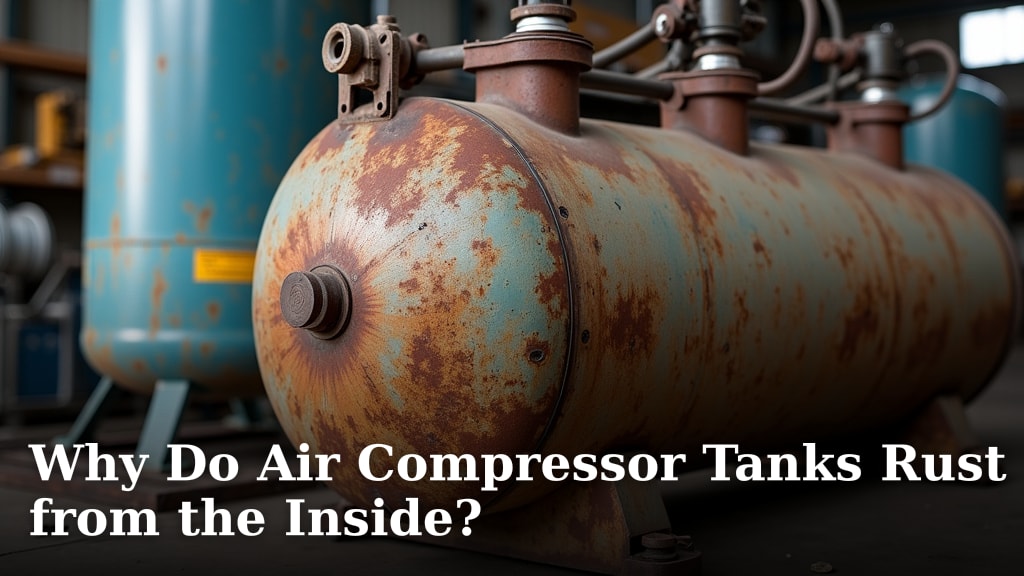
Air compressor tanks rust from the inside primarily because of **moisture buildup**. Water naturally forms as a byproduct when air is compressed, and this trapped moisture sits at the bottom of the tank, creating the perfect environment for rust to form. This is why even a seemingly well-maintained tank can develop rust over time.
Think of it like leaving water in a metal bucket. Over time, that water will cause the metal to corrode. Your air compressor tank experiences the same thing, but on the inside. This **internal corrosion** can weaken the tank and lead to performance issues if left unchecked. Many experts agree this is a common problem for all air compressors.
- Rust happens inside your air compressor tank due to trapped moisture.
- Compressed air naturally creates water as a byproduct.
- This water settles at the tank’s bottom, causing rust.
- Ignoring it can lead to tank weakness and poor performance.
Let’s dive deeper into why this happens and what you can do about it.
Understanding Why Your Air Compressor Tank Gets Rusty Inside
So, why does your air compressor tank seem to develop rust from the inside out? It’s a common puzzle for many air compressor owners. The main culprit is simple: water. Where does this water come from? It’s a natural byproduct of compressing air. As the air heats up and then cools inside the tank, moisture condenses, much like a cold drink on a humid day.
The Science Behind Condensation in Your Tank
When you run your air compressor, the air inside it gets heated. This is due to the rapid compression process. As this hot, moist air enters the tank, it begins to cool down. Cooler air can hold less moisture than warm air. This causes the excess water vapor in the air to turn into liquid water. This process is called condensation.
Think about it like breathing on a cold window. The warm, moist air from your lungs hits the cold glass, and you see water droplets form. Your air compressor tank is essentially doing the same thing, but continuously. This newly formed liquid water has to go somewhere, and it tends to settle at the lowest points within the tank.
Where Does the Moisture Settle?
Most air compressor tanks are designed with a specific shape. This often means there are low points or seams where water can collect. This trapped water then sits undisturbed against the metal surface of the tank. Over time, this stagnant water starts to corrode the metal. It’s the perfect recipe for rust to begin forming.
This is especially true for stationary compressors that might sit for days or weeks between uses. The water has plenty of time to work its magic. Even portable compressors can develop this issue if not properly drained after each use. The bottom of the tank becomes a little water pool, and the steel starts to react.
Factors That Accelerate Internal Tank Rust
While condensation is the primary cause, several other factors can speed up the rusting process inside your air compressor tank. Understanding these can help you prevent or slow down the damage.
High Humidity and Ambient Temperature
The environment where you operate your compressor plays a big role. If you live in a humid climate, there’s naturally more moisture in the air to begin with. This means more water will condense inside your tank. Similarly, significant temperature fluctuations can also increase condensation.
Imagine working in a steamy bathroom versus a dry desert. The bathroom will have far more condensation. Your compressor experiences this same effect based on its surroundings. Operating in consistently warm and humid conditions means a higher likelihood of water buildup.
Infrequent Draining and Maintenance
This is perhaps the most controllable factor. If you don’t regularly drain the moisture from your tank, that water just sits there. Many experts strongly recommend draining your air compressor tank after every use. This simple habit can drastically reduce rust formation.
Many people get busy or simply forget. Life happens! However, neglecting this basic maintenance task is like leaving your car out in the rain year-round without ever drying it off. The moisture has a direct line to the metal, and rust will eventually show up. Even a quick turn of the drain valve makes a huge difference.
The Type of Air Compressor
Some types of air compressors are more prone to internal rusting than others. Oil-lubricated compressors, for instance, can sometimes introduce small amounts of oil into the air stream. While this oil might offer a slight protective barrier against rust in some areas, it can also mix with the water, creating a sludge that traps moisture more effectively in other spots.
Oil-free compressors, while often requiring less maintenance in terms of oil changes, might not have that slight oil barrier. However, the fundamental issue of condensation remains the same for both types. The key is managing the water, regardless of the compressor’s lubrication type. We found that compressor type plays a minor role compared to proper draining habits.
Tank Material and Coatings
Most air compressor tanks are made of steel. Steel is prone to rusting when exposed to moisture and oxygen. Some tanks might have an internal coating designed to protect the metal. However, these coatings can degrade over time, especially at seams or welds, creating weak spots where rust can begin.
If the protective coating inside your tank is damaged or peeling, it exposes the raw steel underneath. This exposed metal is then directly vulnerable to the condensed water. Research suggests that older tanks or those with internal damage are more susceptible to rapid rusting. Ensuring the integrity of any internal coating is vital.
The Consequences of Ignoring Internal Rust
You might think a little bit of rust inside the tank isn’t a big deal. Unfortunately, it can lead to some serious problems over time if left unaddressed. It’s not just about aesthetics; it’s about safety and performance.
Weakened Tank Integrity and Safety Concerns
Rust is essentially corrosion, and it eats away at the metal. As rust progresses, the walls of your air compressor tank can become thinner and weaker. Air compressor tanks operate under significant pressure. A weakened tank is a safety hazard. It increases the risk of leaks or, in severe cases, catastrophic failure.
Government safety regulations often mandate strict standards for pressure vessels like air compressor tanks. The U.S. Occupational Safety and Health Administration (OSHA) has guidelines for the inspection and maintenance of such equipment. Ignoring rust directly compromises the structural integrity that these safety standards are designed to ensure.
Reduced Air Quality and Performance Issues
Rust particles can break off and travel through your air lines. If you use compressed air for painting, inflating tires, or operating pneumatic tools, these rust flakes can contaminate your work. This can ruin paint jobs, damage sensitive tools, or lead to uneven tire inflation.
Additionally, rust can sometimes clog the tank’s drain valve, making it difficult or impossible to remove moisture. It can also affect the compressor’s overall efficiency. A tank compromised by rust might not hold air as effectively, leading to shorter run times or the compressor working harder than it needs to. We found that rust can directly impact the cleanliness of your air supply.
Shorter Lifespan for Your Compressor
Ultimately, a rusty tank means your air compressor won’t last as long. The internal damage is cumulative. If the tank becomes severely compromised, you might face costly repairs or even need to replace the entire unit. For many, the tank is the most substantial part of the compressor.
Investing in proper maintenance, especially regular draining, is far more cost-effective than dealing with the consequences of severe internal rust. Think of it as preventative medicine for your tool. A little bit of effort now can save you a lot of money and hassle down the road. We found that owners who prioritize draining their tanks report longer compressor lifespans.
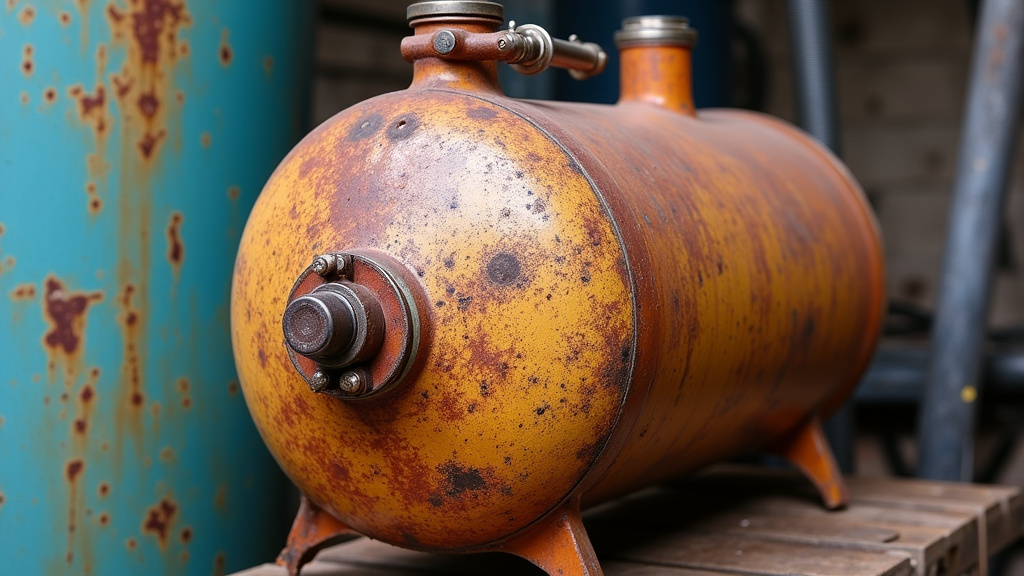
A Quick Checklist for Preventing Internal Rust
Preventing internal rust in your air compressor tank is achievable with a few simple, consistent steps. Here’s a quick rundown to help you keep your tank in top shape:
- Drain After Every Use: Make this a habit. Turn the drain valve and let all the water out.
- Check for Leaks: Ensure your drain valve isn’t dripping water continuously.
- Store Properly: If possible, store your compressor in a dry environment.
- Inspect Periodically: Look for signs of rust or damage around the drain valve and seams.
- Consider an Air Dryer: For frequent users or those in humid areas, an air dryer can significantly reduce moisture.
- Listen to Your Compressor: Unusual noises or performance changes could indicate internal issues.
Conclusion
You’ve learned that internal rust in your air compressor tank is mainly caused by condensation. This moisture builds up because compressed air naturally creates water as it cools. If not drained, this water sits at the tank’s bottom, slowly corroding the metal. Factors like humidity, infrequent draining, and the tank’s condition can speed up this process, leading to weakened tanks and poor air quality. Taking just a few moments to drain your tank after each use is the simplest, most effective way to prevent rust and ensure your air compressor lasts longer. Make it a habit for reliable performance.
Frequently Asked Questions
How often should I drain my air compressor tank?
You should drain your air compressor tank after every single use. This simple habit is the most effective way to prevent internal rust. It removes the water that forms during compression before it has a chance to sit and corrode the tank. You should drain your air compressor tank after every single use to prevent internal rust.
Can I prevent condensation from forming in my air compressor tank?
You can’t completely prevent condensation because it’s a natural byproduct of air compression. However, you can significantly reduce its impact by ensuring you drain the tank regularly and store the compressor in a dry environment. Some users also consider adding an air dryer.
Is rust inside my air compressor tank dangerous?
Yes, rust inside your air compressor tank can be dangerous. Rust weakens the metal over time, compromising the tank’s structural integrity. Since these tanks operate under pressure, a weakened tank poses a safety risk and could lead to leaks or failure.
What happens if rust particles get into my air lines?
If rust particles break free and enter your air lines, they can contaminate your compressed air supply. This can ruin paint jobs, damage sensitive pneumatic tools, or affect the performance of equipment that relies on clean air. It impacts the quality of your air output. Yes, you should always drain your air compressor after each use to prevent moisture buildup and rust inside the tank.
Does the type of air compressor matter for internal rusting?
While the fundamental cause is condensation for all compressors, some types might have slight differences. Oil-lubricated compressors might have some oil that offers minor protection, but it can also trap moisture. Oil-free compressors lack this oil barrier. Ultimately, regular draining is key regardless of the compressor type.
