How To Use DeWalt Air Compressor?
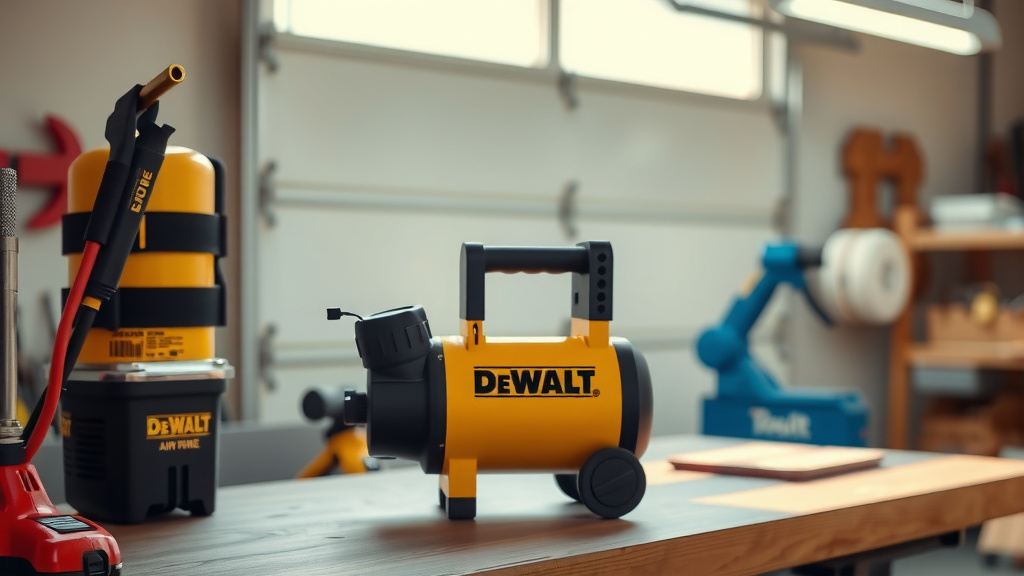
To use a DeWalt air compressor, first ensure it’s placed on a stable surface, connect your air tool to the appropriate hose and quick-connect coupler, then plug in and power on the unit, allowing it to build pressure.
Always consult your DeWalt air compressor’s manual for specific model instructions and remember to drain the tank of moisture after each use to maintain its longevity and prevent rust.
- Getting your DeWalt air compressor ready involves setting it up safely and understanding its basic controls.
- Connecting tools is simple with the right hose and quick-connect fittings for various applications.
- You can use it for many tasks, from inflating tires to powering nail guns and even certain painting jobs.
- Regular maintenance, especially draining the condensation from the tank, keeps your compressor running smoothly for years.
- Knowing a few basic troubleshooting tips can save you time and frustration if minor issues arise.
How To Use DeWalt Air Compressor?
Using a DeWalt air compressor involves safe setup, connecting your chosen air tool, and understanding its pressure settings for various tasks.
Always prioritize safety, like wearing eye protection, before you begin any project with compressed air, as this can prevent accidents.
Getting Started with Your Compressor
Bringing home a new DeWalt air compressor is exciting! But before you plug it in, there are a few important steps. Think of it like a chef preparing their kitchen before cooking; good prep makes for a smoother process.
Finding the Right Location
Where you place your compressor matters. We found that a flat, stable surface is crucial to prevent tipping. Make sure it’s in a well-ventilated area, away from walls or other objects that might block airflow to the motor (Occupational Safety and Health Administration).
Safety First: What You Need
Before any compressed air work, grab your safety gear. Many experts suggest safety glasses or goggles as a minimum. Ear protection is also a good idea, especially with larger, louder units. Imagine trying to talk over a lawnmower; a compressor can be similar.
Initial Power-Up and Pressure Build
With your compressor in place and safety gear on, plug it into a proper electrical outlet. Turn on the power switch. You’ll hear it hum as it starts to build pressure. This might take a few minutes, depending on the tank size. Some models have an auto-shutoff when max pressure is reached, which is quite convenient.
Connecting Your Air Tools
Once your compressor is ready, it’s time to connect your tools. This is where the magic happens, transforming stored air into working power for your projects.
Choosing the Right Air Hose
Your air hose is the bridge between the compressor and your tool. We found that matching the hose diameter to your tool’s needs is important for optimal airflow. Too small a hose can restrict air, making your tool less effective. Consider length too; you want enough reach but not so much that it becomes a tripping hazard.
Quick-Connect Couplers and Plugs
Most DeWalt air compressors and tools use quick-connect couplers. These are fantastic for fast tool changes. Simply push the male plug on your tool into the female coupler on the hose until it clicks. Many users appreciate this fast and secure connection (DIY forums).
Setting the Pressure Regulator
This is a critical step! Your compressor might build up to 150 PSI or more, but your tool likely needs less. Use the pressure regulator dial to adjust the output PSI. We found that checking your tool’s manual for its recommended operating pressure is key to preventing damage and achieving the best results.
Common Air Compressor Applications
What can you do with your DeWalt air compressor? The possibilities are quite varied! Here are some everyday tasks that become much easier with compressed air.
| Application | Recommended PSI Range | Why it Matters |
|---|---|---|
| Inflating Car Tires | 30-35 PSI (check tire sidewall) | Prevents under or over-inflation, ensuring safety and tire life. |
| Brad Nailing | 70-90 PSI | Ensures nails are fully driven into wood without marring the surface. |
| Blow Gun Cleaning | 50-70 PSI | Effective dust and debris removal without excessive force. |
| Spray Painting | 20-60 PSI (tool-specific) | Achieves a smooth finish; too high causes overspray and wasted paint. |
Inflating Tires and Sports Equipment
One of the most popular uses! Connect a tire chuck to your hose, set the regulator to the item’s recommended PSI, and inflate. It’s a quick and easy way to keep car tires, bike tires, or sports balls properly inflated.
Powering Nail Guns and Staplers
If you’re tackling woodworking or trim projects, an air-powered nail gun is a game-changer. These tools drive fasteners with incredible speed and consistency. Remember to adjust the pressure carefully to avoid driving nails too deep or not deep enough.
Using a Blow Gun for Cleaning
A blow gun is simple but incredibly useful. It’s perfect for clearing sawdust from your workbench, blowing dust out of computer keyboards, or drying wet parts. Just remember to always wear your safety glasses; flying debris is a real concern.
Maintaining Your DeWalt Air Compressor
Like any valuable tool, your DeWalt air compressor benefits from a little care. Regular maintenance ensures it performs reliably and lasts longer.
Draining the Air Tank Regularly
This is perhaps the single most important maintenance task. As the compressor runs, moisture from the air collects in the tank. If not drained, this water can cause rust and damage the tank from the inside out. Many manufacturers, including DeWalt, recommend draining the tank after each use (DeWalt User Manuals).
Checking for Air Leaks
An air leak can waste energy and make your compressor run more often. Periodically check all connections, fittings, and the hose for any hissing sounds. A simple trick is to spray soapy water on suspected leak points; bubbles will appear if air is escaping. Tightening connections often solves the problem.
Troubleshooting Common Issues
Even the best tools can have a hiccup now and then. Here are a few quick fixes for common air compressor problems.
Compressor Not Building Pressure
If your compressor isn’t building pressure, first check the power source. Is it plugged in firmly? Is the tank drain valve fully closed? Sometimes, an open drain valve is the culprit. We also found that a leaky hose or connection can prevent pressure build-up.
Excessive Noise or Vibration
While compressors are inherently noisy, excessive new sounds could signal an issue. Ensure the unit is on a stable, level surface. Sometimes, a loose bolt or component can cause extra vibration. Always consult your manual if you suspect a more serious problem.
Pre-Operation Checklist
Before you start any project, a quick check can save time and prevent issues:
- Is your workspace clear and dry?
- Are all hose connections secure and leak-free?
- Do you have your safety glasses and ear protection on?
- Is the pressure regulator set correctly for your specific tool?
- Is the power cord in good condition and plugged into a proper outlet?
Conclusion
Mastering your DeWalt air compressor isn’t complicated; it’s about understanding a few key principles and practicing good habits. By following proper setup, tool connection, and maintenance routines, you ensure both your safety and the longevity of your equipment.
Think of your compressor as a versatile workhorse, ready to tackle a myriad of tasks in your garage or workshop. With a little care and attention, your DeWalt unit will provide reliable service for years to come, making countless projects easier and more efficient. So, go ahead, confidently power up and create!
Can I use any air tool with my DeWalt compressor?
Generally, most standard air tools are compatible with DeWalt compressors, as long as they operate within the compressor’s PSI and CFM (Cubic Feet per Minute) ratings. Always check your tool’s requirements against your compressor’s specifications. For optimal performance, ensure you have the correct quick-connect fittings.
How often should I drain the water from my compressor tank?
Many experts and manufacturers, including DeWalt, recommend draining the air tank after each use. This prevents moisture buildup, which can lead to rust inside the tank and shorten the compressor’s lifespan. If you use it briefly, a quick drain is still a good idea.
What PSI should I use for a nail gun?
For most nail guns, a pressure setting between 70-90 PSI is common, but it’s essential to consult your specific nail gun’s user manual. The correct PSI ensures nails are driven fully without damaging the material or over-stressing the tool. Experiment on scrap material to find the ideal setting.
Why is my air compressor running constantly?
If your compressor runs non-stop, it often indicates an air leak somewhere in the system. Check all hose connections, fittings, and valves for any audible hissing. A faulty check valve or pressure switch can also be culprits. Locating and fixing the leak usually resolves the issue, saving energy.
Are oil-free or oil-lubricated DeWalt compressors better?
The “better” choice depends on your needs. Oil-free compressors require less maintenance, are often lighter, and produce cleaner air, making them great for painting. Oil-lubricated compressors typically run quieter, have a longer lifespan, and are more suitable for heavy-duty, continuous use, but they require oil changes.