
How To Use Husky Air Compressor For Tires?
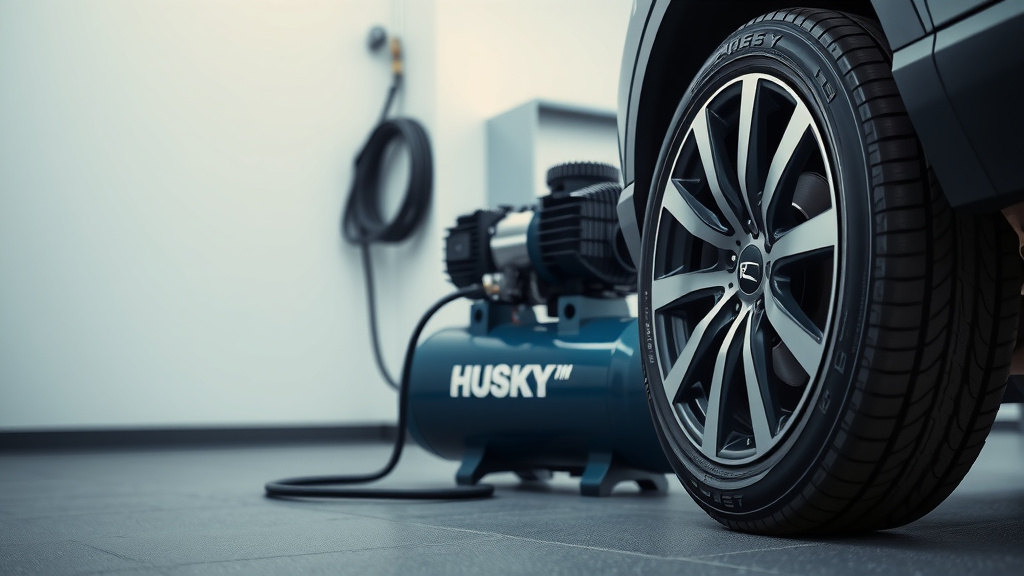
To use a Husky air compressor for tires, you first need to connect the air hose and tire chuck securely to the compressor’s air outlet and the tire valve stem. Next, power on the compressor, allow it to build pressure, and then depress the chuck lever to start inflating, closely monitoring the tire pressure gauge.
Always remember to check your tire’s recommended PSI, usually found on a sticker inside your car’s driver-side door jamb, to ensure safe and correct inflation levels with your Husky compressor.
Here’s a quick overview of what you’ll find in this helpful guide:
- Learn simple steps for tire inflation.
- Discover essential safety tips for using your compressor.
- Understand how to properly prepare your Husky unit.
- Find out the right way to check and set tire pressure.
- Get practical advice for maintaining your compressor.
How To Use Husky Air Compressor For Tires?
Using your Husky air compressor to inflate tires is a straightforward process when you know the steps. You’ll soon be a pro at keeping your tires perfectly pressurized. We’ll walk you through each part, making it easy to understand.
Understanding Your Husky Compressor
Before you start, it helps to know your compressor a little better. Husky models are popular for their reliability and ease of use. Many experts say they are a great choice for home workshops and DIY tasks (Consumer Reports review data often shows this).
You’ll find different types, but the basics for tire inflation remain similar. Does your model have a tank, or is it a smaller portable unit? Knowing this helps you predict how it operates.
Essential Components You’ll Use
Your air compressor system has a few key parts. You’ll be working with the air hose, the tire chuck, and the pressure gauge. Each part plays a vital role in getting the job done right.
- Air Hose: This carries the compressed air from the unit to your tire.
- Tire Chuck: This attaches to the tire valve stem.
- Pressure Gauge: This tells you the current tire pressure.
Safety First: Your Pre-Inflation Checklist
Working with compressed air requires some common-sense safety measures. Think of it like cooking: you wouldn’t touch a hot stove without a pot holder, right? The same goes for air compressors. Your well-being matters.
Always remember to put safety as your top priority. Many leading safety organizations recommend personal protective equipment.
Your Safety Gear
What should you wear or have nearby? Here’s a quick list:
- Safety Glasses: Protect your eyes from debris.
- Gloves: Protect your hands.
- Ear Protection: Compressors can be noisy.
- Stable Ground: Ensure your compressor is on a flat surface.
Preparing Your Husky Compressor for Action
Getting your compressor ready is like a quick warm-up before exercise. It ensures everything runs smoothly. This preparation step only takes a few moments.
Making sure your unit is ready means no unexpected surprises later on.
Step-by-Step Compressor Setup
Follow these quick points to get started:
- Connect the Air Hose: Securely attach one end to the compressor’s air outlet.
- Attach the Tire Chuck: Connect the other end of the hose to your chosen tire chuck. Some chucks screw on, others clamp.
- Check Connections: Give everything a gentle tug to ensure it’s snug. Loose connections can leak air.
Finding the Right Pressure for Your Tires
Do you know your tire’s recommended PSI (pounds per square inch)? This number is unique to your vehicle, not the tire itself. Guessing is never a good idea.
The correct PSI ensures optimal performance and safety. Many automotive experts state this is essential.
Where to Find Tire PSI Information
Look for this info in a few key spots:
- Driver’s Side Door Jamb: Often a sticker here.
- Owner’s Manual: Always a reliable source.
- Fuel Filler Door: Sometimes a sticker is placed here.
This number is your target. Don’t go by the “max PSI” printed on the tire sidewall; that’s the absolute maximum pressure the tire can handle, not what your car needs.
The Inflation Process: Easy as 1-2-3
With everything prepared, you are now ready to inflate. This is where your Husky compressor shines!
It’s simpler than you might think, almost like filling a balloon, but with more precision.
Connecting to the Tire Valve
Unscrew the cap from your tire’s valve stem. Then, firmly press or screw the tire chuck onto the valve stem. You should hear a slight hiss as air fills the chuck, indicating a connection.
A good connection prevents air leaks and makes inflation faster.
Inflating Your Tire
- Power On: Plug in and turn on your Husky compressor. Let it build up to its operating pressure. You’ll hear it stop once full.
- Start Inflating: Depress the lever on your tire chuck. Air will start flowing into the tire.
- Monitor Pressure: Watch the pressure gauge on the chuck or compressor. Release the lever periodically to get an accurate reading.
- Adjust as Needed: Once you hit the recommended PSI, remove the chuck. Replace the valve cap.
What if you overinflate? No worries! Most tire chucks have a small button or lever to release air. Just press it gently until you reach the correct PSI. It’s better to slightly overfill and then release than to underfill.
Maintaining Your Compressor for Long Life
A little care goes a long way. Keeping your Husky compressor in good shape ensures it’s ready every time you need it. This protects your investment.
Think of it like brushing your teeth: small, regular actions prevent big problems later.
Basic Maintenance Tips
These simple steps will keep your unit running strong:
- Drain the Tank: Condensation builds inside the tank. Drain it after each use to prevent rust.
- Clean Air Filter: Check and clean the air filter regularly. A dirty filter reduces efficiency.
- Store Properly: Keep your compressor in a dry, protected area.
Common Problems and Quick Solutions
Sometimes, things don’t go perfectly. We’ve all been there! Here are a few common hiccups you might face and how to fix them.
Knowing these fixes can save you time and frustration.
Troubleshooting Guide
Here’s a quick reference for common issues:
| Problem | Possible Cause | Quick Fix |
|---|---|---|
| Air Leak | Loose connection or faulty chuck | Tighten connections, check chuck seal |
| Slow Inflation | Low compressor pressure, dirty filter | Let compressor build pressure, clean filter |
| Compressor Won’t Start | No power, circuit tripped | Check power cord, reset breaker |
Most issues are minor and easily resolved. Don’t panic if something seems off.
Conclusion
Using your Husky air compressor for tires is a practical skill that keeps you safe on the road. By following these steps, you can confidently maintain proper tire pressure. Remember the safety checks, find your correct PSI, and inflate carefully. Your tires, and your wallet, will thank you.
Can I use any tire chuck with my Husky compressor?
Most standard tire chucks are compatible with Husky air hoses, which typically use universal quick-connect fittings. Always ensure a secure, airtight connection before inflating to avoid air leaks and get accurate readings.
How often should I check my tire pressure?
Automotive experts generally recommend checking your tire pressure at least once a month, and always before long trips. Temperature changes can also affect tire pressure, so a quick check when seasons change is a good idea.
What if my Husky compressor makes unusual noises?
If your Husky compressor starts making odd noises, first turn it off and unplug it. Check for loose parts, ensure the air filter is clean, and drain any condensation from the tank. If the noise persists, it may be time to consult the user manual or a qualified technician.
Is it okay to use an air compressor in cold weather?
Yes, you can use an air compressor in cold weather, but be aware that colder temperatures can reduce the efficiency of the compressor and affect tire pressure readings. It’s also extra important to drain the tank fully after use to prevent water from freezing inside, which could cause damage.
Can I inflate other items like sports balls with my Husky compressor?
Absolutely! Your Husky air compressor is versatile. With the right adapter, which often comes with the compressor or can be purchased separately, you can easily inflate sports balls, air mattresses, and other inflatable items. Always use the appropriate adapter and monitor pressure closely.
