
How To Use Hyper Tough Air Compressor?
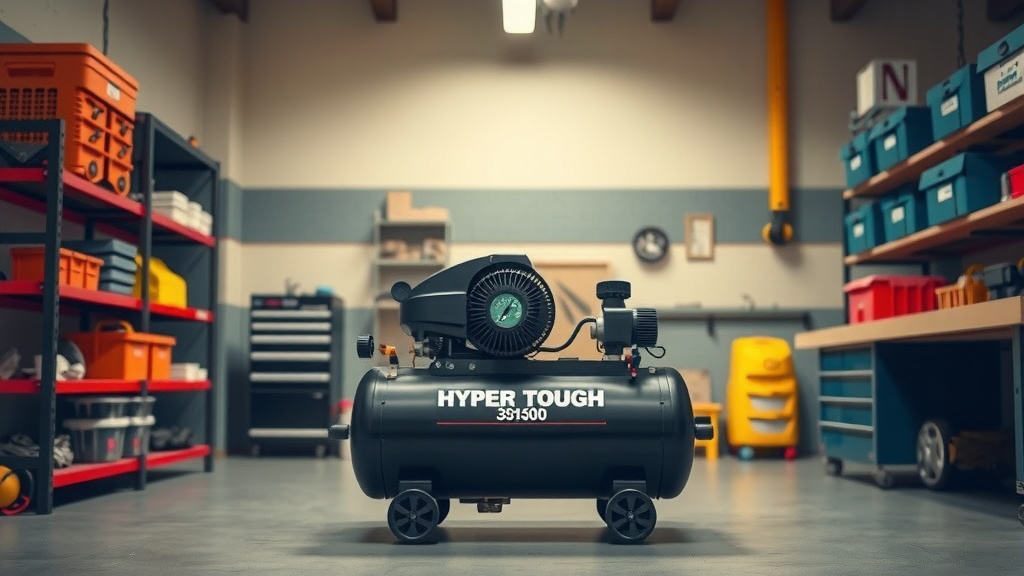
Using your Hyper Tough Air Compressor involves connecting it to power, attaching the right air tool with a hose, powering it on to build pressure, and then adjusting the air output for your task.
Regular maintenance, like draining the tank and checking filters, is key to keeping your Hyper Tough Air Compressor running smoothly for various tasks around your home or workshop.
Here’s a quick overview of what you’ll find in this guide:
- Discover the essential steps to set up your new Hyper Tough air compressor safely.
- Learn about connecting tools and adjusting pressure for perfect results every time.
- Explore practical uses, from tire inflation to workshop cleaning.
- Get simple maintenance tips to ensure your compressor lasts for years.
- Find helpful troubleshooting advice for common issues you might face.
How To Use Hyper Tough Air Compressor?
You use a Hyper Tough Air Compressor by first ensuring it’s on a stable surface, plugging it in, and then connecting your desired air tool. Allow the tank to pressurize fully before regulating the air output for your specific job.
Getting Started: Your First Steps
So, you’ve just brought home a new Hyper Tough air compressor. It’s exciting, isn’t it? The first thing to do is carefully unbox your unit. Take a moment to inspect it for any shipping damage. Most experts agree this initial check prevents headaches later.
Once unboxed, place it on a flat, stable surface. This prevents tipping and helps with proper operation. We found that a garage floor or sturdy workbench works best for most models.
Understanding Your Compressor’s Parts
Before you power anything on, let’s quickly look at the important bits. You’ll usually see a tank, which stores the compressed air. There’s also the motor, which does the work, and gauges to show you pressure levels. The air outlet is where you connect your hose and tools.
Knowing these parts helps you understand how it functions. It’s like knowing the gas tank and engine in your car. Many manuals highlight these components clearly (Hyper Tough User Manual).
Safety Guidelines: Always Be Careful
Air compressors are incredibly useful, but they need respect. Safety should always be your number one concern. Think of it like cooking: you wouldn’t use a hot stove without care, right?
Always wear eye protection, like safety goggles. Air can kick up debris, and you only get one set of eyes. Also, ensure your workspace is well-ventilated. Compressors can get warm and may emit fumes.
Avoid loose clothing or jewelry that could get caught in moving parts. Think about your hands and fingers. Keeping them clear of the motor area is always a smart move.
Setting Up for Success
Finding the right spot for your compressor matters. You want it close enough to your work but also out of the way. Consider where your power outlet is located. This simplifies your setup immensely.
Plug your compressor directly into a grounded outlet. Avoid extension cords if possible, especially thin ones. If you must use one, ensure it’s a heavy-duty, outdoor-rated cord suitable for the compressor’s power needs.
Connecting Air Tools
Connecting your air tools is generally straightforward. Most Hyper Tough compressors use universal quick-connect couplers. You simply pull back the collar on the coupler, insert the tool’s fitting, and release. Give it a gentle tug to ensure it’s secure.
Your air hose should be long enough to reach your work area comfortably but not excessively long. A shorter hose can sometimes mean better airflow. We found that matching hose diameter to your tool’s needs optimizes performance.
Powering On Your Hyper Tough
With everything connected, it’s time to power on. Flip the power switch, and you’ll hear the motor hum to life. The compressor will start building pressure in the tank. Watch the tank pressure gauge as it rises. It will usually stop automatically once it reaches its maximum.
Next, you’ll see a regulator knob, often with a second gauge showing “regulated” or “outlet” pressure. This lets you control the air pressure going to your tool. Adjust it to the recommended PSI for your specific task. Too much pressure can damage tools or workpieces; too little means poor performance.
Common Uses for Your Air Compressor
What can you do with this handy machine? The possibilities are quite vast for home users. Many people start with inflating tires, which is a breeze. It’s also great for dusting off workstations or blowing debris from tight spots. Smaller nail guns and staplers also connect easily.
Inflating Tires with Ease
Inflating tires, whether for your car, bike, or even sports equipment, is one of the most popular uses. Attach an inflation gun to your air hose. Check the recommended PSI for your tire (usually on the tire sidewall or car door jamb). Connect the nozzle to the tire valve stem. Slowly add air until you reach the desired pressure. It’s a quick and effective process.
Quick Cleaning Tasks
Need to clean out sawdust from a project? Or maybe dust off your lawnmower engine? An air compressor with a blow gun attachment is perfect. The focused blast of air gets into nooks and crannies where a brush might struggle. Just be mindful of where the dust goes – wear eye protection!
Maintenance Tips for Longevity
To keep your Hyper Tough compressor running efficiently for years, a little maintenance goes a long way. Think of it like an oil change for your car; small actions prevent big problems. Regular care is essential.
Draining Condensation: A Simple Habit
After each use, or at least regularly, drain the condensation from the air tank. Water builds up inside the tank as air is compressed. There’s a drain valve, usually at the bottom. Open it to release the water, then close it. This prevents rust inside the tank, which could damage the compressor (Consumer Reports advises this).
Filter Checks: Keeping Air Clean
Your compressor has an air intake filter. It prevents dust and debris from entering the motor. Check this filter periodically. If it looks dirty, clean it or replace it according to your manual’s instructions. A clean filter ensures the compressor runs efficiently and extends its life. This simple step helps maintain peak performance.
Troubleshooting Common Issues
Sometimes things don’t go perfectly. If your compressor loses pressure quickly, check all connections for leaks. A soapy water solution can reveal tiny bubbles at leak points. If it makes unusual noises, ensure nothing is loose or obstructing the fan. Often, these are simple fixes that you can manage. Remember, a little detective work helps.
Hyper Tough Air Compressor Checklist
Here’s a quick list to help you get going safely and effectively:
- Inspect compressor for damage after unboxing.
- Place on a stable, flat surface.
- Read your user manual for model-specific details.
- Wear safety glasses and appropriate clothing.
- Plug into a grounded power outlet.
- Connect air hose and tool securely.
- Set regulator pressure correctly for the task.
- Drain condensation from the tank after use.
- Check and clean the air intake filter regularly.
Comparing Compressor Types for Home Use
While we focus on Hyper Tough, knowing other types can be helpful context. Most home users will have a “pancake” or “hot dog” style, which are generally portable.
| Compressor Type | Key Benefit | Best For |
|---|---|---|
| Pancake/Hot Dog | Portable, budget-friendly | Light tasks, tire inflation, small nailers |
| Twin Stack | More air capacity, good for job sites | Medium tasks, roofing nailers, impact wrenches |
| Vertical/Shop | Large tanks, continuous use | Heavy-duty workshop use, painting, multiple tools |
Conclusion
Using your Hyper Tough air compressor doesn’t have to be complicated. By following these straightforward steps for setup, operation, and maintenance, you’ll find it an incredibly valuable tool for countless projects. Remember, safety always comes first, so take your time and understand your machine. With a little care, your Hyper Tough compressor will be a reliable partner in your workshop for years to come, tackling everything from quick inflations to more involved tasks with ease. Enjoy the versatility and convenience it brings to your DIY endeavors!
What kind of oil does a Hyper Tough air compressor use?
Most small, portable Hyper Tough air compressors are oil-free, meaning they do not require oil for lubrication. If your specific model is an oil-lubricated type, it will typically use a non-detergent SAE 30 weight compressor oil, as specified in its user manual.
Can I use a Hyper Tough air compressor for painting?
For small touch-up jobs or crafts, a Hyper Tough air compressor might suffice, provided it can maintain the consistent pressure and airflow required by your spray gun. For larger painting projects or professional finishes, you generally need a compressor with a higher CFM (Cubic Feet per Minute) rating and a larger tank for continuous air supply.
How do I store my Hyper Tough air compressor?
Store your Hyper Tough air compressor in a clean, dry, and cool place, protected from extreme temperatures. Ensure the tank is drained of all air and condensation before storing. Detach the air hose and accessories, and consider covering the unit to keep it free of dust and debris.
Why is my Hyper Tough air compressor not building pressure?
If your compressor isn’t building pressure, first check if the power is stable and the switch is on. Then, inspect all air connections for leaks, ensure the drain valve is fully closed, and examine the intake filter for clogs. A faulty pressure switch or worn pump components could also be the cause, which might require professional inspection.
How often should I drain the tank on my air compressor?
You should drain the air tank on your Hyper Tough compressor after every use to prevent rust and corrosion inside the tank. If you use it frequently or live in a humid environment, draining it regularly is even more important to ensure the longevity and safe operation of your unit.
