
What Is A 2 Stage Air Compressor?
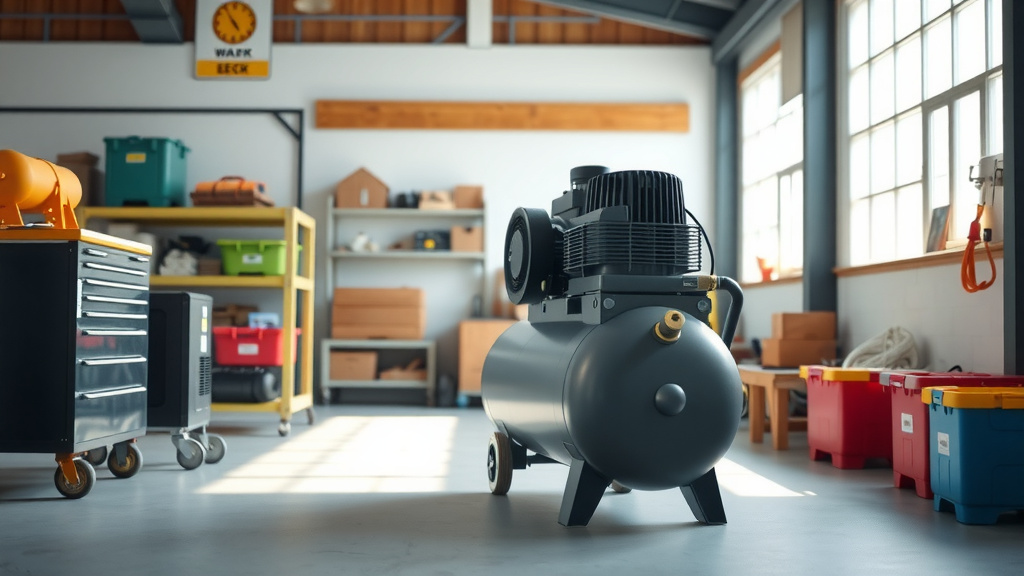
A 2 stage air compressor is a powerful machine that compresses air twice, delivering higher pressure and greater efficiency for demanding tasks. It essentially takes the air, squeezes it once, then squeezes it again to get more work done.
This type of compressor is ideal for heavy-duty applications where you need sustained power and higher PSI, like running larger impact wrenches or sandblasters.
-
TL;DR:
- A 2-stage air compressor compresses air twice for higher pressure and better efficiency.
- It’s perfect for demanding tools and continuous use in workshops or industrial settings.
- You get more consistent power and can run tools that require higher PSI.
- These compressors generally last longer due to less strain on components from double compression.
What Is A 2 Stage Air Compressor?
A 2 stage air compressor is an air compression system designed to deliver air at a much higher pressure by compressing it in two distinct steps. It’s like giving the air a double squeeze, making it more potent.
This process results in cooler, denser air, which is super helpful for a variety of tasks where a single squeeze just isn’t enough.
How Does a 2 Stage Air Compressor Work Its Magic?
Imagine your air compressor as a muscular bouncer at a club, ushering air into a smaller space. With a 2 stage compressor, this bouncer has a two-part routine.
First, air enters a larger cylinder, where a piston compresses it to an intermediate pressure. This is the initial squeeze.
The partially compressed air then travels through an intercooler, which cools it down. Cooling is important because it makes the air denser and removes heat from the first compression stage.
Next, this cooled, semi-compressed air moves into a smaller, second cylinder. Here, a second piston compresses it even further to its final, high-pressure state.
This two-step process allows the compressor to reach much higher PSIs (pounds per square inch) than a single-stage unit can, making it very powerful.
Why Do We Need Two Stages of Compression?
You might be asking, “Why bother with two stages?” Good question! The answer lies in the benefits of efficiency and higher pressure.
We found that by dividing the compression into two steps, the compressor operates more efficiently. Each stage does less work individually, which means less heat is generated and the compressor experiences less wear and tear over time.
Many experts say that this dual compression also allows for a greater volume of air to be stored at a higher pressure, ready for when you need it most. This is key for tools that demand a lot of air.
The Power of Higher PSI
Think of PSI as the “punch” your air tools deliver. A 2 stage compressor provides a much harder punch. Generally, you’ll find them delivering pressures from 100 PSI up to 175 PSI or even higher.
This higher pressure is not just a number; it means your air tools run stronger, more consistently, and can handle larger, more intensive jobs without running out of steam.
Who Needs a 2 Stage Air Compressor?
So, is this powerful machine right for you? It really depends on your needs.
If you’re a serious DIY enthusiast, own a busy auto repair shop, or run a small manufacturing operation, a 2 stage compressor is likely a fantastic choice. We found that it excels in environments where heavy-duty tools are used daily or continuously.
Many garages and workshops rely on these compressors for tasks like sandblasting, automotive painting, or running large impact wrenches and grinders. Do you often find your current compressor struggling?
2 Stage vs. Single Stage: What’s the Real Difference?
Let’s clear up the main distinction. Imagine you’re lifting weights. A single-stage compressor lifts the weight once, straight to the top. A 2-stage compressor lifts it halfway, rests, and then lifts it the rest of the way.
This two-step approach is what gives the 2 stage its edge. It’s not just about brute force; it’s about a smarter, more efficient way to achieve high pressure. Here’s a quick comparison:
| Feature | Single Stage Compressor | 2 Stage Air Compressor |
|---|---|---|
| Compression Process | One compression stroke | Two compression strokes |
| Typical PSI | 70-100 PSI | 100-175+ PSI |
| Efficiency | Lower for heavy use | Higher, especially for continuous use |
| Heat Generation | Higher heat, less cooling | Lower heat with intercooling |
| Best For | Light to medium tasks, intermittent use | Heavy-duty tasks, continuous use |
Key Benefits of a 2 Stage Air Compressor
Choosing a 2 stage air compressor comes with several distinct advantages that can truly make a difference in your workflow and the longevity of your tools.
- Higher Air Pressure: You get the PSI needed for demanding air tools, ensuring they operate at their peak.
- Improved Efficiency: The two-step compression means less energy wasted as heat, leading to lower running costs.
- Longer Lifespan: Because each stage does less work and the air is cooled, the internal components experience less stress and heat, extending the compressor’s life.
- Continuous Operation: Ideal for sustained tasks, you won’t constantly be waiting for the tank to refill to adequate pressure.
- Cooler Running: The intercooler reduces air temperature, which is better for the compressor and can improve tool performance.
What Should You Look For When Buying One?
Ready to get your hands on a 2 stage compressor? Here’s a quick checklist to guide your decision:
- Tank Size: Consider how much air you need. Larger tanks mean less cycling.
- Horsepower (HP): Matches the motor’s power to the pump’s demands.
- CFM (Cubic Feet per Minute) at a specific PSI: This is crucial! Ensure the CFM output meets or exceeds your tools’ requirements at their operating PSI.
- Voltage: Make sure it matches your electrical setup (230V is common for larger units).
- Oil-Lubricated vs. Oil-Free: Oil-lubricated models often last longer and run quieter, but require more maintenance.
- Portability: Do you need wheels, or will it be stationary?
Maintenance Tips for Your 2 Stage Compressor
To keep your investment running smoothly, a little care goes a long way. Many guidelines point to regular maintenance as key for compressor longevity (Purdue University Extension).
Always check your oil levels, drain condensation from the tank regularly, and keep the air filter clean. These simple steps can prevent bigger problems and ensure your compressor delivers peak performance for years.
Conclusion
A 2 stage air compressor is more than just a piece of equipment; it’s a productivity partner for anyone serious about their work. By compressing air twice, it delivers superior power, efficiency, and durability, making it perfect for the most demanding applications.
While it might be a larger initial investment than a single-stage unit, the long-term benefits in performance, lifespan, and consistent power often make it a truly worthwhile choice. Knowing how it works and what to look for will help you choose the ideal compressor for your needs, ensuring you have the power you need, exactly when you need it.
What are the typical applications for a 2 stage air compressor?
Two-stage air compressors are typically used in environments that require high air pressure and continuous operation. Common applications include automotive repair shops for impact wrenches and paint guns, industrial settings for machinery and production lines, sandblasting, woodworking, and large construction projects requiring robust air tools.
Is a 2 stage air compressor more expensive than a single stage one?
Generally, yes, a 2 stage air compressor will have a higher upfront cost compared to a single-stage model. This is due to its more complex design, additional components like the intercooler, and greater power output. However, their efficiency and longer lifespan can offer better value over time for demanding users.
Do 2 stage air compressors run cooler than single stage compressors?
Yes, 2 stage air compressors typically run cooler than single-stage units. The air is cooled by an intercooler between the first and second compression stages. This process reduces heat buildup, making the compressor more efficient and extending the life of its internal components.
Can I use a 2 stage air compressor for light-duty tasks?
While you certainly can use a 2 stage air compressor for light-duty tasks, it’s often overkill. It’s like using a sledgehammer to drive a small nail. For occasional, lighter tasks like inflating tires or using small nail guns, a smaller, less expensive single-stage compressor is usually more practical and energy-efficient.
How does the CFM rating differ for 2 stage compressors?
The CFM (Cubic Feet per Minute) rating for 2 stage compressors is usually higher at a given PSI compared to single-stage compressors of similar horsepower. This indicates its ability to deliver a greater volume of air at higher pressures, which is essential for powering demanding tools that require a consistent, strong airflow to operate effectively.
