
How To Use Porter Cable Air Compressor To Fill Tires?
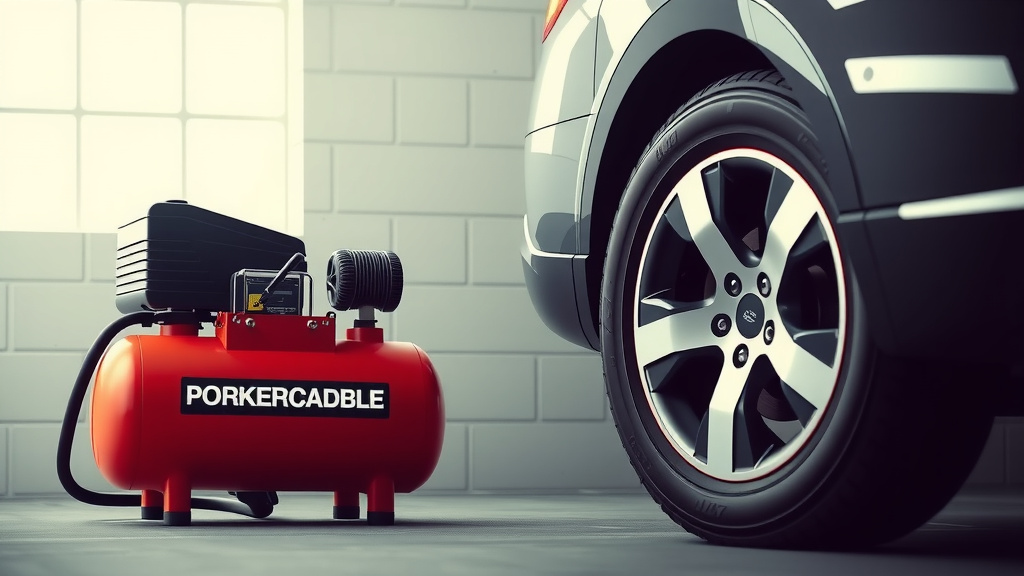
To use a Porter Cable air compressor to fill tires, first ensure your compressor is plugged in, the tank is pressurized, and you have the right tire chuck. Then, firmly attach the air chuck to the tire valve stem, and monitor the pressure gauge until the tire reaches its recommended PSI.
Filling your tires correctly keeps you safe on the road and can even save you money on gas. This guide shows you how to use your Porter Cable compressor with confidence. We will cover safety, basic setup, and the simple steps to get your tires perfectly inflated every time. It’s easier than you might think!
- Get ready: Ensure your Porter Cable compressor is safe and properly set up.
- Connect with confidence: Learn how to attach the air chuck securely to your tire valve.
- Inflate precisely: Understand how to monitor and adjust tire pressure to the correct PSI.
- Check for accuracy: Double-check your work to maintain tire health and vehicle performance.
How To Use Porter Cable Air Compressor To Fill Tires?
Using your Porter Cable air compressor to fill tires is a straightforward process when you know the steps. It involves basic safety, correct attachment, and careful pressure monitoring.
Safety First: Before You Start
Before you even plug in your compressor, safety is your top priority. Air compressors are powerful tools, and a little caution goes a long way. Are your eyes protected? Do you know where the emergency shut-off is?
Essential Safety Gear
Always wear safety glasses to protect your eyes from any unexpected debris or bursts of air. We found that eye protection is non-negotiable when operating air tools (OSHA guidelines).
Compressor Placement
Place your Porter Cable compressor on a flat, stable surface. Keep it away from walls to ensure good airflow. Proper ventilation helps prevent overheating and keeps your compressor happy.
Getting Your Compressor Ready
Once safety is squared away, it’s time to prepare your Porter Cable unit. This usually takes just a few moments.
Connecting to Power
Plug your compressor into a grounded electrical outlet. Make sure the power cord is in good condition, with no frays or damage. A good cord means a safe connection.
Building Air Pressure
Turn on your compressor and let it build up to its maximum pressure. You’ll hear it hum and then eventually shut off once the tank is full. This indicates it’s ready for use.
Preparing Your Tires for Inflation
Now, let’s look at your tires. A little prep work here makes the actual inflation smoother.
Finding the Right PSI
Every vehicle has a recommended tire pressure, often listed on a sticker inside your driver’s side door jamb or in your car’s manual. Never rely on the PSI written on the tire itself; that’s the maximum pressure.
Locating Tire Valve Stems
Remove the small cap from the tire’s valve stem. Keep these caps in a safe place so you don’t lose them. We found that a small magnet or a dedicated dish works well to keep track of valve caps.
The Inflation Process: Step by Step
Here’s where you actually put air in your tires. It’s a quick and simple process.
Attaching the Air Chuck
Firmly press the air chuck onto the tire’s valve stem. You should hear a hiss of air for a second, then it should seal. If it keeps hissing, adjust the chuck until it’s tight. Some chucks have a lever you flip down to lock it on.
Monitoring Air Pressure
Your Porter Cable compressor might have a gauge on the hose, or you might use a separate, handheld tire pressure gauge. Watch the pressure carefully as you add air. Add air in short bursts to prevent over-inflation.
Reaching the Target PSI
Once you reach the recommended PSI, remove the air chuck. Some people like to add a tiny bit more air, then release it slowly with the gauge to hit the exact number. This offers precision in inflation.
Here’s a quick checklist to ensure you’re all set:
- Safety glasses worn?
- Compressor plugged into a grounded outlet?
- Tank fully pressurized?
- Vehicle’s recommended PSI known?
- Tire valve caps removed?
- Air chuck ready to go?
Checking and Finalizing
You’ve inflated the tire, but the job isn’t quite done yet. A final check ensures everything is perfect.
Double-Checking Pressure
Even if your compressor’s gauge seemed accurate, always confirm the pressure with a separate, reliable tire gauge. Many experts say that dedicated gauges are often more accurate than built-in ones (Consumer Reports).
Reattaching Valve Caps
Don’t forget to screw the valve caps back on. They protect the valve stem from dirt and moisture. This small step helps maintain valve longevity.
Let’s consider some common tire sizes and their typical PSI ranges, keeping in mind that your vehicle’s specific recommendation is always king:
| Vehicle Type | Typical Tire Size Example | Common PSI Range |
|---|---|---|
| Compact Car | P185/65R15 | 30-35 PSI |
| Mid-size Sedan | P215/60R16 | 32-38 PSI |
| Small SUV | P235/65R17 | 35-40 PSI |
| Pickup Truck (Light Duty) | LT265/70R17 | 40-50 PSI (higher for rear/load) |
Troubleshooting Common Issues
Sometimes things don’t go exactly to plan. Here are a couple of common snags you might hit.
Air Hissing from the Chuck
If air keeps escaping, your air chuck isn’t sealed properly. Try pressing it harder or wiggling it slightly. A worn chuck gasket could also be the problem, meaning it’s time for a replacement.
Over-Inflation
Oops, did you put in too much air? Don’t worry; most air chucks have a small pin or lever that allows you to release air. Just press it gently to let air out until you reach the correct PSI. Always check with your separate gauge.
Conclusion
Using your Porter Cable air compressor to fill tires is a practical skill that saves you time and money. By following these simple steps—prioritizing safety, preparing your equipment, and carefully monitoring pressure—you can confidently maintain your vehicle’s tires. Remember, properly inflated tires mean better fuel efficiency and a safer drive for everyone on the road. Keep those tires happy!
Can I use any air chuck with my Porter Cable compressor?
Most standard air chucks with a 1/4-inch NPT (National Pipe Taper) fitting will connect to the hose of your Porter Cable air compressor. It’s always good to check your hose’s fitting size to ensure compatibility, but typically, they are universal.
How often should I check my tire pressure?
Many vehicle manufacturers and tire experts suggest checking your tire pressure at least once a month, and always before long trips. Temperature changes also affect tire pressure, so a quick check after a significant weather shift is a good idea.
What if my tires lose air quickly after filling them?
If a tire consistently loses air quickly, it might have a slow leak. This could be from a nail, a faulty valve stem, or a leak around the rim. We found that a simple soap and water test can often reveal the source of the leak, but it’s best to have a professional inspect it.
Is it better to fill tires when they are cold or warm?
It’s generally better to check and fill your tires when they are “cold,” meaning they haven’t been driven for at least three hours or more than a mile. Driving heats up the tires, causing the air pressure inside to increase, which can lead to an inaccurate reading.
My compressor runs constantly and doesn’t build pressure. What’s wrong?
If your Porter Cable compressor runs non-stop without building sufficient pressure, it could be a few things: a leaky hose or fitting, a faulty pressure switch, or a worn-out pump. Check all connections for leaks first; if that doesn’t solve it, a repair or service might be needed.
