
What Is A Dual Stage Air Compressor?
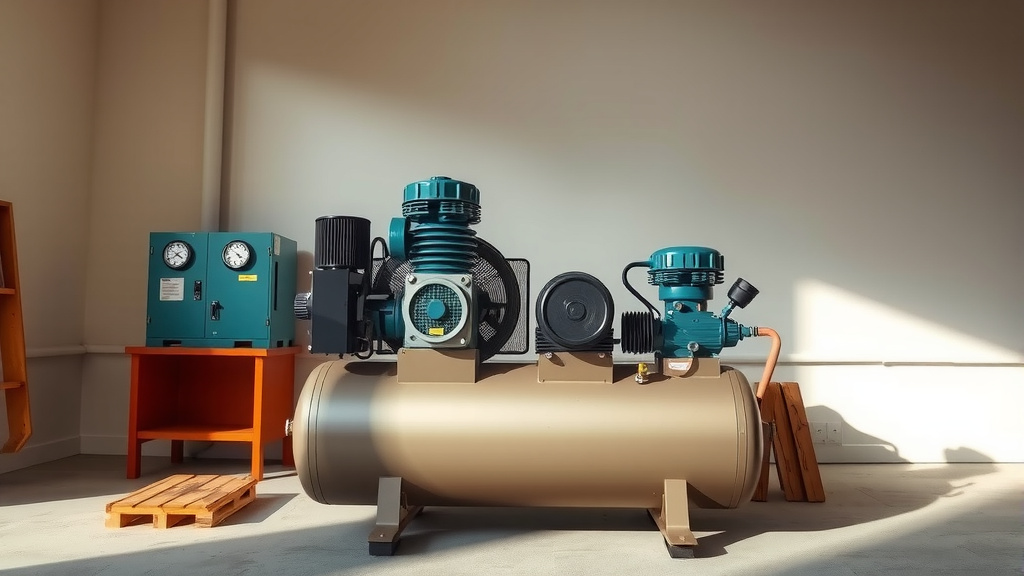
A dual stage air compressor is a heavy-duty machine that compresses air in two separate phases to reach much higher pressures. This system uses two different-sized cylinders to squeeze air more efficiently, making the dual stage air compressor the go-to choice for industrial workspaces.
To help you get the facts quickly, we found these key points about how these machines work:
- They use two pistons to increase air pressure in two steps.
- An intercooler helps lower air temperature between the first and second stage.
- These units usually reach 175 PSI or higher for big jobs.
- They are built for long-term daily use in professional shops.
- While they cost more, they provide better energy savings over time.
What Is A Dual Stage Air Compressor?
A dual stage air compressor is a power tool that traps and squeezes air twice before sending it to a tank. It uses a large and small cylinder to create much more force than a standard single-stage unit.
How the Two-Step Process Works
Think of it like packing a suitcase for a long trip. You might push the clothes down once, let them settle, and then push them again to fit more in.
The machine pulls air into the first cylinder. This initial squeeze happens at a moderate pressure level.
The Role of the First Cylinder
The first cylinder is larger than the second one. It handles the bulk of the work by pulling in a lot of air from the room.
Research shows that starting with a larger volume of air allows the machine to build momentum (Compressed Air and Gas Institute).
Why Cooling Matters Between Stages
Squeezing air makes it very hot very fast. A dual stage system sends that hot air through a cooling tube or intercooler.
Cooling the air makes it denser and easier to compress further. This step prevents the machine from getting too hot during the day.
The Final Push in the Second Cylinder
Once the air is cool, it moves into a much smaller cylinder. This cylinder squeezes the air a second time to hit high PSI levels.
By the time it hits the tank, the air has double the pressure of a normal home compressor.
Comparing Single and Dual Stage Models
You might wonder if you really need two stages. It often depends on what tools you use and how long you work.
Single stage units are great for small home projects. Dual stage units are built for shops that never stop.
| Feature | Single Stage | Dual Stage |
|---|---|---|
| Max Pressure | 125 – 150 PSI | 175 – 200+ PSI |
| Best Use | DIY / Light Work | Heavy Industry |
| Heat Levels | High Heat | Cooler Operation |
Finding the Right Fit for Your Shop
Do you plan to run sandblasters or impact wrenches all day? If so, the dual stage option is your best friend.
Many experts say that matching the compressor to your tool requirements saves money on repairs (OSHA guidelines).
Tools That Crave High PSI
Some tools need constant high-pressure flow to work right. A dual stage unit keeps the pressure steady so you don’t have to wait for the tank to refill.
We found that professional spray booths and large air hammers need this constant power source to stay productive.
Is It Worth the Extra Money?
A dual stage air compressor costs more at first. But you should look at it as a long-term investment for your business.
Energy Efficiency Benefits
Because these machines cool the air, they don’t have to work as hard to reach high pressures. This means less electricity is used per cubic foot of air.
Lower heat also means less moisture in the lines. This keeps your air tools from rusting or breaking down early.
Long-Term Durability Facts
These compressors are built like tanks. They run at lower RPMs, which means the metal parts don’t wear out as fast.
Studies found that high-quality cooling systems extend the life of the motor and pump (Pneurop standards).
Maintenance Tips for Longevity
Even the best machines need love. Follow this simple care list to keep your compressor running for years.
- Check the oil level daily before you start.
- Drain the water from the tank every single evening.
- Keep the cooling fins clean and free of dust.
- Listen for any weird leaks in the air lines.
- Change the air filters regularly to keep flow high.
- Inspect the belts for cracks or loose spots.
Conclusion
Choosing a dual stage air compressor means you are serious about your work. These machines provide the steady power and high PSI needed for professional results. While they are a bigger purchase up front, the energy savings and tough build quality pay off in the end. Always make sure to match your PSI needs with the right model for the best experience.
Is a dual stage compressor louder than a single stage?
Actually, many dual stage units run more quietly because they operate at a lower RPM. The sound is often lower and less harsh than smaller, high-speed hobby compressors.
Can I run a dual stage compressor on a home outlet?
Most of these machines require a 240V circuit. You should check with an electrician before installing one in a residential garage or small shop.
Does it need special oil?
We found that synthetic compressor oil is usually the best choice. It handles the heat of the second stage much better than standard motor oil.
How often should I drain the air tank?
You should drain it after every use. Water builds up inside during the cooling process and can cause the metal tank to rust from the inside out.
Can it reach 200 PSI?
Many dual stage models are rated for 175 PSI, but some heavy industrial versions can easily hit 200 PSI or more depending on the pump design.
