
What Is A Desiccant Dryer For An Air Compressor?
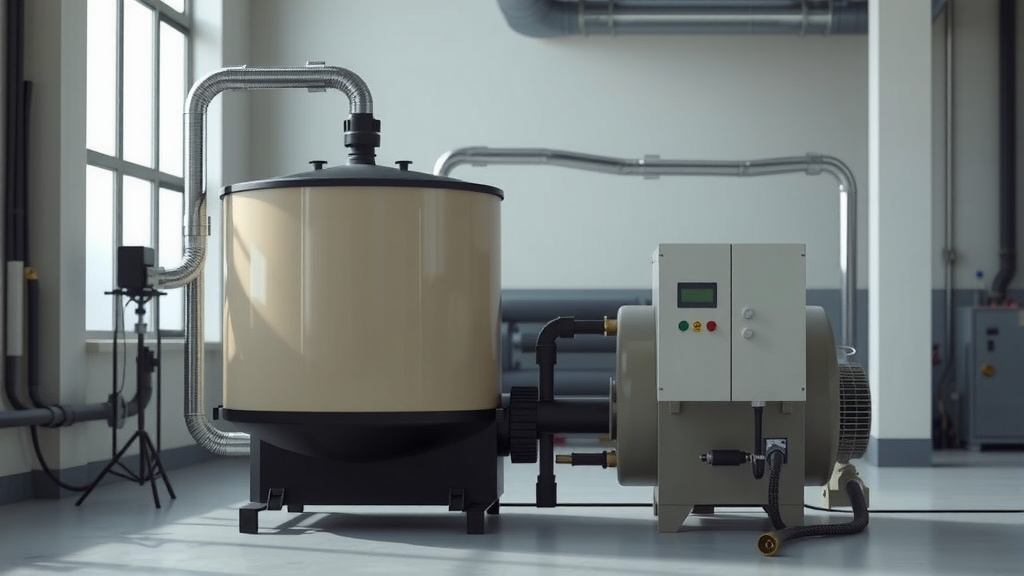
A desiccant dryer for an air compressor is a vital piece of equipment designed to remove water vapor from compressed air, delivering exceptionally dry air to your tools and systems. It works by passing wet compressed air over a special material called a desiccant, which adsorbs the moisture.
This process is essential for applications where even a tiny amount of moisture could cause damage, ensuring your air-powered equipment operates efficiently and reliably without rust, contamination, or freezing issues.
- A desiccant dryer removes moisture from compressed air, using special materials to keep your equipment running smoothly.
- You need one for sensitive applications to prevent rust, contamination, and costly damage to your tools and products.
- These dryers use a unique material to grab moisture, then regenerate themselves for continuous dry air.
- Choosing the right type depends on your specific needs, like required air dryness and energy use.
- Proper maintenance ensures your desiccant dryer keeps working its magic for years to come.
What Is A Desiccant Dryer For An Air Compressor?
A desiccant dryer for an air compressor is essentially a moisture-removing champion. It creates super dry compressed air by pulling out water vapor, protecting your valuable equipment from the hidden dangers of humidity.
Think of it as a sponge for your air system. These dryers use specific materials to adsorb moisture, ensuring your air tools and industrial processes get the pristine air they need.
Why Is Dry Air So Important Anyway?
Have you ever noticed rust on your tools or paint bubbling on a freshly coated surface? Often, moisture in compressed air is the culprit. Standard air compressors bring atmospheric air into your system, which naturally contains water vapor.
When this air compresses, the water vapor condenses into liquid water. This liquid water then travels through your air lines, causing significant problems for your operations and costing you money.
Moisture’s Hidden Dangers
Liquid water in your compressed air system spells trouble. It leads to corrosion in pipes, accelerates wear on pneumatic tools, and can ruin sensitive products like electronics or painted finishes. Many experts say moisture is the number one enemy of air systems.
Imagine tiny water droplets mixing with lubricants in your tools; it creates a sludge that shortens their lifespan. For many industrial applications, water simply isn’t an option.
Protecting Your Tools and Products
By removing moisture, a desiccant dryer safeguards your entire operation. It extends the life of your pneumatic tools, reduces maintenance costs, and ensures the quality of your finished products remains high. We found this is especially true in critical applications (ISO 8573-1 standards).
How Does a Desiccant Dryer Work?
The magic behind a desiccant dryer is quite fascinating. It uses a process called adsorption, not absorption. This means the moisture sticks to the surface of the desiccant material, rather than being soaked up like a sponge.
Most desiccant dryers operate with two towers, allowing for continuous dry air. While one tower is actively drying your air, the other is regenerating itself, preparing for its turn. It’s like a tag-team effort to keep things dry.
The Science of Adsorption
Inside each tower, compressed air flows over a bed of desiccant material. The desiccant has a highly porous structure, offering a massive surface area where water molecules attach. This process effectively strips the moisture from the air.
This is a purely physical process, meaning the desiccant doesn’t chemically change the water. It simply captures it, allowing for remarkably dry air output.
Regeneration Cycles Explained
Once a desiccant bed becomes saturated with moisture, it needs to dry out. This is where regeneration comes in. A small portion of the already dried compressed air is diverted, expanded, and then passed through the wet desiccant in the other tower.
This dry, expanded air has a very low dew point, allowing it to pick up the moisture from the saturated desiccant. This ensures the desiccant is ready to dry air again when its turn comes around (Compressed Air and Gas Institute).
The Magic of Desiccant Materials
What are these special materials that can pull moisture from the air? They’re called desiccants, and several types are commonly used in dryers. Each has unique properties, but they all share the ability to adsorb water vapor.
The most common types include activated alumina, silica gel, and molecular sieves. Each material has a specific pore structure and surface area, making them highly effective at grabbing moisture molecules.
Types of Desiccant Dryers: Pick Your Fighter
Not all desiccant dryers are the same! There are a few main types, each with its own advantages and energy requirements. Choosing the right one depends on your specific needs, like how dry your air needs to be and your budget.
Let’s look at the most common varieties you might encounter in the industry.
Heatless Desiccant Dryers
These dryers are popular for their simplicity and low upfront cost. They use a small portion of the already dried compressed air to regenerate the saturated desiccant bed. This purge air is then vented to the atmosphere.
While effective, they do consume between 15% and 20% of your dry compressed air for regeneration, which can impact energy costs over time. Many experts consider them a solid choice for many operations.
Heated Desiccant Dryers
Heated dryers use an external or internal heater to assist in regenerating the desiccant. This means they require less purge air from your compressor, typically around 2% to 7%.
The addition of heat makes them more energy efficient in terms of air consumption compared to heatless dryers, but they do have higher electrical costs for the heater. They offer a good balance for many users.
Blower Purge Desiccant Dryers
These are often the most energy-efficient desiccant dryers available. Instead of using compressed air for regeneration, they use a blower to draw ambient air, heat it, and then pass it through the wet desiccant.
This approach virtually eliminates the loss of compressed air during regeneration, making them ideal for applications with high air flow demands and a strong focus on energy savings. However, they come with a higher initial cost.
Here’s a quick comparison to help you understand the differences:
| Dryer Type | Regeneration Method | Compressed Air Loss | Energy Consumption |
|---|---|---|---|
| Heatless | Dry compressed air purge | 15-20% | Low electrical, high air |
| Heated (Blower Purge) | Heated ambient air via blower | ~0% (minimal) | High electrical, low air |
| Heated (Purge Air) | Heated compressed air purge | 2-7% | Medium electrical, medium air |
Benefits of Using a Desiccant Dryer
Why go through the effort of adding a desiccant dryer to your system? The benefits are clear and often lead to significant savings and improved operational quality. You’re not just buying a piece of equipment; you’re investing in your system’s longevity and performance.
- Crystal Clear Air Quality: Achieves very low pressure dew points, often as low as -40°F to -100°F. This level of dryness is crucial for sensitive processes like medical and food packaging (ISO 8573-1).
- Extending Equipment Life: By eliminating moisture, you drastically reduce corrosion and wear on your expensive pneumatic tools, valves, and cylinders. This means fewer breakdowns and longer operating times.
- Avoiding Costly Repairs: Fewer breakdowns translate directly to lower maintenance costs and less downtime. Imagine the savings when you don’t have to constantly repair or replace moisture-damaged components.
- Protecting Product Quality: In industries like painting, pharmaceuticals, and electronics manufacturing, moisture can ruin products. A desiccant dryer ensures product integrity and reduces scrap rates.
When Do You Need a Desiccant Dryer?
While every compressed air system benefits from dry air, some applications absolutely require a desiccant dryer. Do you operate in a critical environment? Is your air quality paramount?
If your application demands air that is truly free of moisture, then a desiccant dryer becomes an absolute necessity. Think of it as specialized insurance for your most sensitive processes.
Critical Applications
Many specialized industries depend on ultra-dry air. This includes everything from spray painting and automotive finishing to pharmaceutical production, food processing, and breathing air systems. In these fields, even trace amounts of moisture can lead to product defects or health risks.
Research confirms that high-quality air is non-negotiable for these critical uses (Compressed Air and Gas Institute). A desiccant dryer delivers that quality consistently.
Cold Environments
If your compressed air lines run outdoors or in unheated areas, especially in cold climates, liquid water can freeze. This freezing can block air flow, damage pipes, and stop your operations cold. A desiccant dryer prevents this by ensuring the air’s dew point is well below ambient temperatures.
This preemptive measure avoids serious operational headaches and potential safety hazards during winter months.
Choosing the Right Desiccant Dryer For Your Setup
Selecting the best desiccant dryer for your needs involves a few key considerations. It’s not a one-size-fits-all solution, so understanding your specific requirements will help you make the right choice. Let’s walk through what to look for.
Consider these points before making a decision:
- Air Flow Rate: What is the maximum volume of compressed air (CFM or m³/hr) your system produces? Your dryer must be sized to handle this flow.
- Pressure Dew Point Needs: How dry does your air truly need to be? Applications range from -40°F (common) to -100°F (very specialized).
- Budget and Energy: What’s your budget for initial purchase, and how much can you spend on operating costs (electricity, purge air loss)?
- Operating Pressure: Ensure the dryer is rated for your system’s maximum operating pressure.
- Installation Space: Do you have enough room for the dryer and its required clearances?
- Maintenance Schedule: Are you prepared for the routine checks and desiccant replacement?
Installation and Maintenance Tips
Once you’ve chosen your desiccant dryer, proper installation and ongoing maintenance are key to its performance and lifespan. A well-maintained dryer will save you money and headaches in the future. Don’t skip these steps!
Placement Matters
Install your dryer in a clean, dry, and well-ventilated area. Avoid placing it near heat sources. Always ensure there’s a pre-filter before the dryer and an after-filter to catch any desiccant dust (Compressed Air and Gas Institute). This setup protects your system downstream.
Regular Desiccant Checks
The desiccant material doesn’t last forever. Its effectiveness diminishes over time. Many experts recommend checking its condition regularly, often every 1-3 years depending on usage and dryer type. Look for discoloration or degradation; these are signs it’s time for replacement.
Filter Changes
Pre-filters and after-filters need regular replacement as well. Clogged filters reduce air flow and can prematurely wear out your desiccant. Follow the manufacturer’s recommendations for filter change intervals to keep your dryer running at peak efficiency.
Conclusion
A desiccant dryer is far more than just another piece of equipment; it’s a critical investment in the health and longevity of your compressed air system. By delivering consistently dry air, you protect your tools, ensure product quality, and significantly reduce costly maintenance and downtime.
Understanding the different types, their mechanisms, and when to use them empowers you to make an informed decision. Remember, for applications where even a whisper of moisture can spell disaster, a desiccant dryer isn’t just an option—it’s your ultimate peace of mind.
Frequently Asked Questions
How often should I change the desiccant material?
The lifespan of desiccant material varies significantly depending on your air quality, usage, and the dryer type. Generally, for most heatless dryers, it’s recommended to inspect and potentially replace the desiccant every 1-3 years. Heated dryers may extend this period. Always refer to your specific dryer’s manual for the manufacturer’s recommended schedule.
Can a desiccant dryer remove oil?
No, a desiccant dryer is designed to remove water vapor, not oil or oil vapor. To remove oil, you need a high-quality coalescing filter placed before the desiccant dryer. For truly oil-free air, an activated carbon filter or an oil-free compressor might also be necessary, especially for sensitive applications.
What is “pressure dew point”?
Pressure dew point (PDP) is the temperature at which water vapor will condense into liquid water at a given pressure. A lower PDP means drier air. For example, a -40°F PDP means the compressed air will not form liquid water unless its temperature drops below -40°F. Desiccant dryers achieve very low PDPs, crucial for preventing condensation.
Are desiccant dryers energy efficient?
Their energy efficiency varies greatly by type. Heatless desiccant dryers, while simple, consume a significant amount of compressed air (purge air), which can be costly. Heated and blower purge dryers are generally more energy efficient in terms of air consumption but require electrical power for heating elements or blowers. Choosing the most efficient type depends on your specific operational costs and priorities.
What’s the main difference between a desiccant and a refrigerated dryer?
The main difference lies in how they remove moisture and the dryness level they achieve. Refrigerated dryers cool compressed air to condense water, achieving a typical pressure dew point of around 35-40°F. Desiccant dryers, using adsorbent materials, can achieve much lower dew points, often -40°F to -100°F. You choose a refrigerated dryer for general purpose dry air, and a desiccant dryer for applications requiring ultra-dry air.
