
What Is A Good Air Compressor For Impact Wrenches?
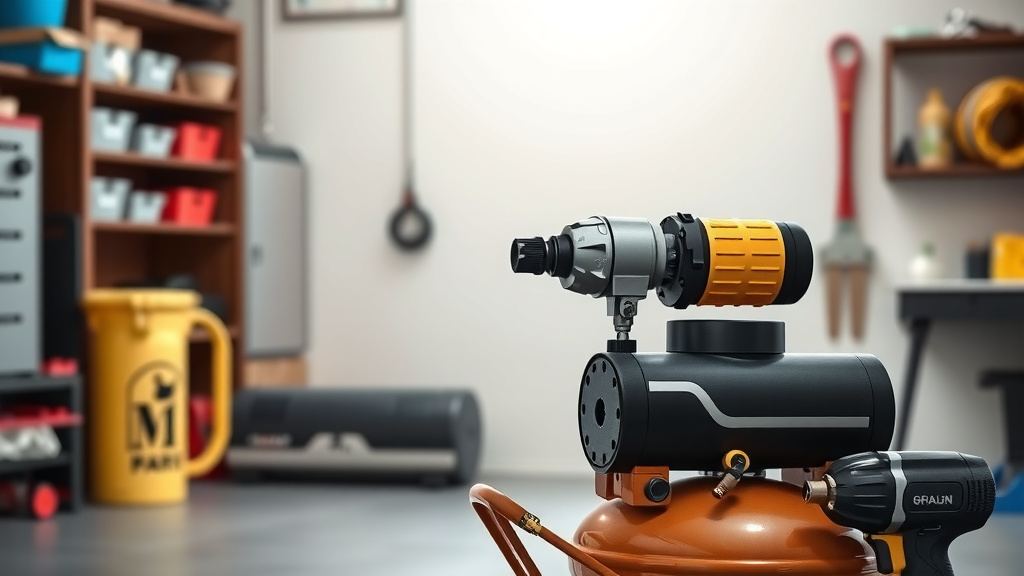
A good air compressor for impact wrenches typically provides at least 4-6 CFM at 90 PSI, ensuring enough consistent airflow for efficient operation. For most automotive and home tasks, a tank size of 20-30 gallons or more is often recommended to maintain steady pressure during continuous use.
Finding a good air compressor for impact wrenches means balancing airflow, pressure, and tank capacity to match your specific needs. It’s not just about raw power; consistent air supply prevents frustrating pauses and ensures your wrench performs its best. We’ll guide you through the essentials to make a smart choice.
- Impact wrenches need ample CFM (airflow) and stable PSI (pressure) for best results.
- Aim for an air compressor providing at least 4-6 CFM at 90 PSI.
- A tank size of 20-30 gallons often suits home mechanics and DIYers.
- Consider portability, noise level, and duty cycle when choosing your unit.
- Proper hose size and accessories are key for peak performance and longevity.
What Is A Good Air Compressor For Impact Wrenches?
A good air compressor for impact wrenches delivers consistent airflow (CFM) and pressure (PSI) matching your tool’s requirements. It should sustain at least 4-6 CFM at 90 PSI for common tasks, supported by a tank large enough to prevent frequent cycling.
Why Your Impact Wrench Demands the Right Air Supply
Think of your impact wrench like a hungry beast; it needs a steady supply of air to do its job. Without enough air, your wrench feels sluggish. It won’t remove those stubborn bolts or lug nuts easily, leaving you frustrated.
Many experts say that matching your air compressor to your tools is like pairing a powerful engine with the right fuel. An underpowered compressor will simply limit your impact wrench’s potential. You need a compressor that can keep up.
Understanding Compressor Specs: CFM, PSI, and Tank Size
When you’re looking for an air compressor, three numbers are your best friends: CFM, PSI, and tank size. These tell you exactly what the compressor can do for your impact wrench. Let’s break them down for you.
CFM: Airflow for Sustained Power
CFM stands for Cubic Feet per Minute. This measures the volume of air your compressor can deliver. An impact wrench needs a constant flow of air to keep pounding away at bolts. If the CFM is too low, the wrench will lose power quickly.
Most impact wrenches require about 4-6 CFM at 90 PSI for continuous operation. We found that checking your specific impact wrench’s manual is always the first step. This ensures your compressor can meet its demands (manufacturer guidelines).
PSI: The Muscle Behind the Tool
PSI, or Pounds per Square Inch, tells you the air pressure. Your impact wrench needs enough pressure to generate torque. Most air tools, including impact wrenches, are designed to work at 90 PSI.
The compressor needs to reach this pressure easily. Even more, it should maintain it during use. A compressor that struggles to hit or hold 90 PSI won’t allow your wrench to perform at its peak.
Tank Size: Preventing Power Lag
The tank on your air compressor stores compressed air. A larger tank acts as a buffer. It gives your impact wrench a burst of air when you need it most. This is especially helpful during periods of continuous use.
A smaller tank means the compressor motor runs more often. This is called ‘cycling.’ For impact wrenches, a 20-30 gallon tank is often a good starting point for home garage use. Professionals often opt for 60-80 gallon tanks for less cycling.
Matching Your Compressor to Your Workload
Are you changing a few tires or rebuilding an engine every weekend? Your workload heavily dictates the compressor you need. Don’t overspend on power you won’t use. Likewise, don’t undershoot and cause frustration.
For Weekend Warriors and Light Repairs
If you’re only tackling occasional tire rotations or small household projects, a smaller, portable compressor might be perfect. These often have tanks from 6 to 10 gallons. They can usually provide enough CFM for brief impact wrench use.
You might experience more frequent motor cycling. However, these compact units are easy to store and transport. This makes them great for mobile tasks or smaller garages.
For Dedicated Mechanics and Heavy Jobs
For extensive auto repairs or professional garage work, you need serious sustained power. A larger, stationary compressor with a 30-gallon tank or more is often essential. Look for higher CFM ratings, like 6-8 CFM at 90 PSI.
These larger units can keep up with demanding tasks. They provide consistent airflow for longer periods. This means less waiting for the tank to refill, letting you get more work done efficiently.
Key Features: Noise, Portability, and Maintenance
Beyond the core specs, other features can significantly improve your experience. Nobody wants a compressor that sounds like a jet engine. Your comfort and the compressor’s longevity matter, too.
Oil-Lubricated vs. Oil-Free
Oil-lubricated compressors generally run quieter and last longer. They require more maintenance, like oil changes. Oil-free compressors are lower maintenance and often lighter. However, they tend to be noisier and may have a shorter lifespan. Many professionals prefer oil-lubricated for heavy use.
Noise and Portability
Some compressors are incredibly noisy. Consider models advertised as “quiet” or “low-noise” if you work in a garage close to your home. Portability is also a factor. Do you need to move it around, or will it stay in one spot?
For easy movement, look for models with wheels and sturdy handles. Smaller, pancake or hotdog style compressors are very portable. Larger units are usually stationary and need a dedicated space.
Types of Air Compressors for Impact Wrenches
Air compressors come in various shapes and sizes, each with its pros and cons. Understanding these can help you pick the right design for your space and usage patterns. Here’s a quick overview:
| Compressor Type | Common Tank Size | Best For Impact Wrenches | Pros | Cons |
|---|---|---|---|---|
| Pancake | 2-6 Gallons | Light duty, intermittent use | Portable, compact, inexpensive | Low CFM, small tank, cycles often |
| Hot Dog/Pontoon | 3-10 Gallons | Medium duty, longer tasks | More stable, better CFM than pancake | Can still cycle frequently for heavy use |
| Twin Stack | 4-10 Gallons | Medium to heavy duty on the go | Good CFM, very portable, durable | Can be loud, still relatively small tank |
| Vertical/Stationary | 20-80+ Gallons | Heavy duty, continuous use, pro shops | High CFM, large tank, less cycling | Heavy, takes up more space, less portable |
Setting Up Your Air Compressor for Peak Performance
Once you have your compressor, the setup matters. The wrong hose or accessories can drastically reduce your impact wrench’s power. It’s like having a race car with tiny tires. Don’t let your investment go to waste!
Here’s a small checklist to help you get the most out of your setup:
- Air Hose: Use a hose with a larger inside diameter (ID), like 3/8-inch, especially for longer runs. Smaller hoses restrict airflow.
- Couplers and Fittings: Opt for high-flow couplers. Standard couplers can restrict airflow by up to 50% (professional guidelines).
- Air Filter/Dryer: Install a filter or dryer near the tool. This keeps moisture and debris out of your impact wrench, extending its life.
- Regulator: Always use a pressure regulator. This ensures your impact wrench gets the consistent 90 PSI it needs.
- Lubricator: Some air tools benefit from an inline oiler. Check your wrench’s manual to see if it’s recommended.
Conclusion
Choosing a good air compressor for your impact wrenches doesn’t have to be a guessing game. Focus on CFM, PSI, and tank size, ensuring they align with your specific tasks and usage frequency. Remember, a well-matched compressor maximizes your impact wrench’s power and saves you time and frustration.
Whether you’re a DIY enthusiast or a seasoned mechanic, investing a little time in research now will pay off with years of reliable performance. Happy wrenching!
How much CFM does an impact wrench need?
An impact wrench typically requires about 4-6 CFM at 90 PSI for efficient, continuous operation. Always check your specific tool’s manual for its exact air consumption rating, as requirements can vary slightly between models and brands.
Is a 6-gallon air compressor enough for an impact wrench?
A 6-gallon air compressor can power an impact wrench for light, intermittent tasks like occasional lug nut removal. However, for more continuous or heavy-duty work, it may cycle frequently and struggle to maintain consistent pressure, which can slow down your progress.
What PSI is best for impact wrenches?
Most impact wrenches are designed to operate optimally at 90 PSI. It’s important to use a regulator to ensure your compressor consistently delivers this pressure to your tool, avoiding both under-powering and over-pressurizing.
Should I use an oil-lubricated or oil-free compressor for my impact wrench?
For quieter operation and potentially longer tool life, an oil-lubricated compressor is often preferred, especially for regular or heavy use. Oil-free compressors are lower maintenance and more portable, but they can be noisier and may not last as long under constant demand.
Does air hose length and diameter affect impact wrench performance?
Yes, air hose length and diameter significantly affect performance. Longer or narrower hoses create more friction, causing a drop in air pressure and volume (CFM) by the time the air reaches your impact wrench. Using a 3/8-inch ID hose, especially for runs over 25 feet, is generally recommended to minimize performance loss.
