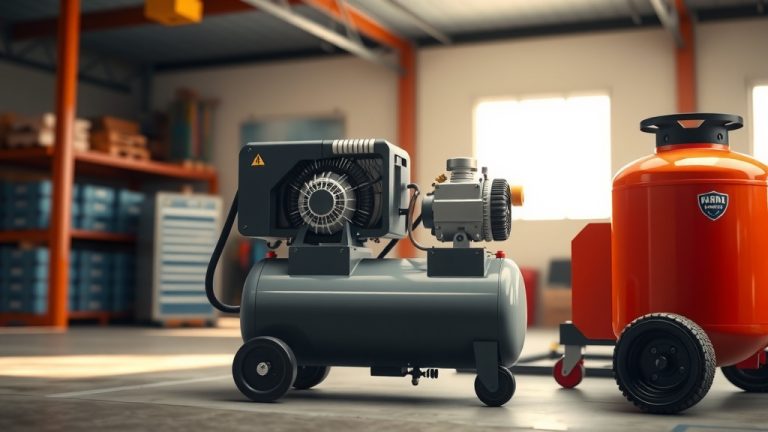
What Is A Good Portable Air Compressor?
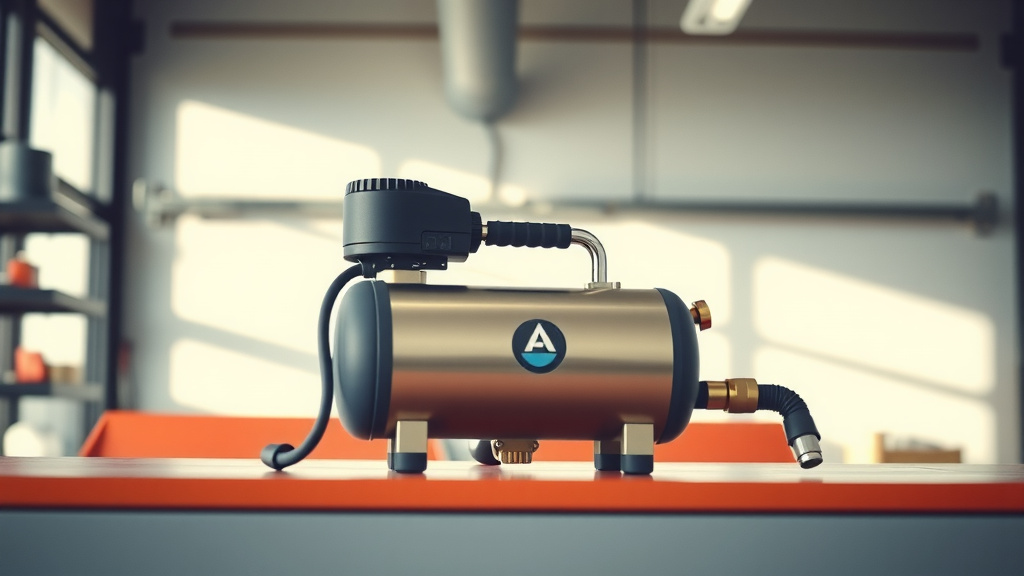
A good portable air compressor is one that perfectly balances power (PSI/CFM), tank size, and portability for your specific needs.
For most home users, a reliable portable air compressor offers enough pressure for tire inflation, small DIY projects, and sports equipment, making it a truly practical tool.
Quick guide to understanding portable air compressors:
- Match your compressor’s PSI and CFM to the demands of your tasks.
- Choose a tank size that supports the duration of your work, whether short bursts or longer jobs.
- Determine the best power source for you: corded electric, battery-operated, or gasoline.
- Look for easy portability and a manageable noise level for a comfortable user experience.
- Prioritize safety features and a durable design for lasting and reliable performance.
What Is A Good Portable Air Compressor?
A good portable air compressor is a versatile tool designed to provide pressurized air for various tasks on the go.
It’s about finding the right blend of power, capacity, and mobility that suits your practical needs.
Why Do You Even Need a Portable Air Compressor?
Imagine being stranded with a flat tire, miles from the nearest service station. Or perhaps you’re working on a DIY project in the garage, and your nail gun runs out of puff. A portable air compressor is your trusted problem-solver in these situations.
These handy machines bring the power of compressed air right to where you need it. No longer are you tied to a large, stationary unit. You get the freedom to tackle various jobs, big or small, wherever life takes you.
Key Factors to Consider for Your Portable Air Compressor
Choosing the right portable air compressor involves a few important considerations. It’s not just about picking the first one you see; it’s about making an informed choice for your daily tasks.
PSI and CFM: Understanding the Power
Think of PSI (Pounds per Square Inch) as the “pushing power”—how much force the air can apply. CFM (Cubic Feet per Minute) tells you the “volume”—how much air the compressor delivers.
For inflating car tires or sports equipment, you’ll need higher PSI. For air tools like nail guns, CFM is often more critical. We found that matching these numbers to your tools is a key step (Consumer Reports).
Tank Size: How Much Air Do You Need?
The tank size dictates how long the compressor can run before it needs to refill itself. A larger tank stores more air, letting you work longer without interruption.
For quick jobs like topping off tires, a small, 1-3 gallon tank might be fine. For continuous use with air tools, you might want a 5-6 gallon tank or larger. Many experts say that too small a tank can cause frequent cycling, shortening the compressor’s life.
Power Source: Where Will You Plug In?
Portable compressors can draw power in several ways. Electric models are common, either plugging into a standard wall outlet or a car’s 12V DC socket.
Battery-powered units offer ultimate freedom, great for remote jobs but often with less power and shorter run times. Gas-powered models are robust for heavy-duty work but require fuel and more maintenance.
Noise Level: Keep the Peace
Some compressors can be surprisingly loud, like a tiny jackhammer. If you plan to use it indoors or in residential areas, a quieter model is a smart choice.
Look for specifications around 60-70 decibels (dB) for a less disruptive experience. Many manufacturers are now focusing on ultra-quiet designs, which is a major benefit for home users.
Weight and Portability: Easy to Move?
Portable doesn’t always mean lightweight. Some units can still be quite heavy. Check the weight and look for features like wheels or a comfortable handle.
If you’re constantly moving it from your garage to your car or a job site, ease of transport truly matters. A compact design also helps with storage.
Duty Cycle: How Long Can It Run?
The duty cycle indicates how long a compressor can run continuously before needing a cool-down period. This is crucial for air-intensive tasks.
For occasional use, a lower duty cycle is fine. However, for prolonged work with tools that need a constant air supply, a higher duty cycle (e.g., 50% or more) will prevent overheating and extend the unit’s lifespan.
Types of Portable Air Compressors
Just like cars come in different models, so do portable air compressors. Each type has its own strengths and is suited for various kinds of tasks.
Pancake Compressors
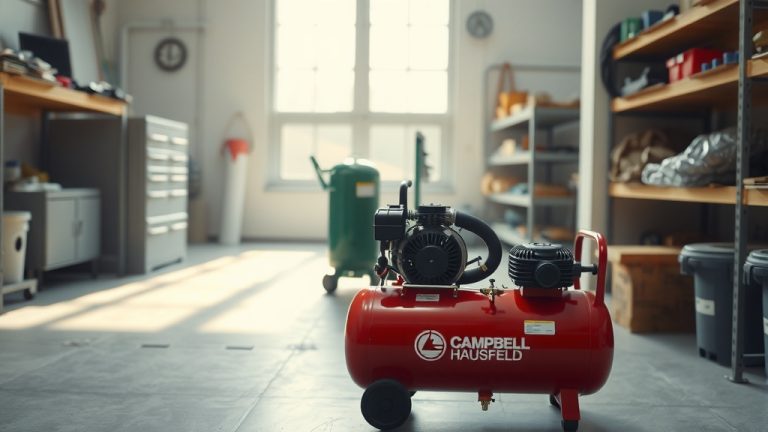
These are named for their flat, round tank shape. They’re typically smaller, lighter, and very stable, resisting tipping over.
Pancake compressors are popular for DIY tasks and basic household needs. They’re a good starter option if you need air for inflating or running light air tools occasionally.
Hot Dog Compressors
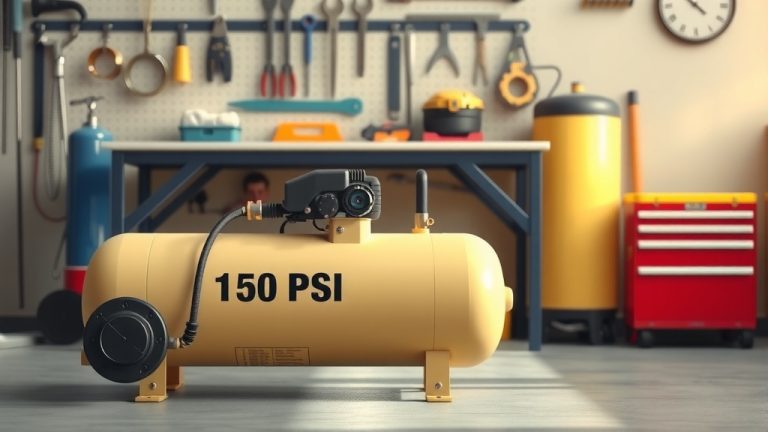
Hot dog compressors feature a horizontal, cylinder-shaped tank. They often offer a bit more air capacity than pancake models.
These units can be more powerful and are suitable for a wider range of home projects, from framing to vehicle maintenance. They strike a nice balance between power and portability for the average user.
Twin Stack Compressors
With two smaller tanks stacked horizontally, these compressors provide a larger air reservoir without making the unit overly wide. They generally deliver more consistent airflow.
Twin stack models are often chosen for professional use or for home workshops where more demanding air tools are used regularly. They offer a good combination of sustained power and relatively compact size.
Common Uses for a Portable Air Compressor
- Inflating car, truck, or bicycle tires.
- Topping off sports balls and air mattresses.
- Running pneumatic nail guns for carpentry.
- Using blowguns for cleaning dust and debris.
- Operating airbrushes for painting or hobbies.
- Powering impact wrenches for minor auto repairs.
- Winterizing sprinkler systems (for larger models).
What Makes a Compressor “Good” for You?
Ultimately, a “good” portable air compressor is one that fits your specific lifestyle and tasks like a glove. Are you a weekend warrior or a professional on the go? Your needs will shape your choice.
Consider your most frequent uses. Do you mostly inflate tires? A compact 12V unit might be perfect. Are you tackling renovation projects? You’ll want something with more CFM and a larger tank. It’s about finding that sweet spot for your unique demands.
Essential Features to Look For
When you’re shopping, keep this quick checklist in mind. It will help ensure you get a robust and user-friendly machine that truly delivers what you expect.
- Oil-Free Pump: Requires less maintenance and no messy oil changes.
- Built-in Regulator: Allows you to adjust air pressure easily for different tools.
- Quick-Connect Couplers: Makes attaching and detaching air hoses simple and fast.
- Thermal Overload Protection: Shuts off the motor to prevent damage from overheating.
- Drain Valve: For easily removing moisture from the tank, prolonging its life.
- Accessory Kit: Often includes basic nozzles, hoses, and inflators to get you started.
Comparing Popular Portable Compressor Options
Let’s look at how different types stack up, making it simpler to find your ideal match.
| Feature | Small Inflators (12V) | Pancake/Hot Dog | Twin Stack/Gas |
|---|---|---|---|
| Typical Uses | Tire/ball inflation, small toys | Nail guns, blowguns, auto work | Heavy framing, roofing, multiple tools |
| PSI Range | Up to 150 PSI | 120-175 PSI | 150-200+ PSI |
| CFM @ 90 PSI | 0.5-1.5 CFM | 2.0-4.0 CFM | 4.0-8.0+ CFM |
| Tank Size | Tankless or tiny | 1-6 Gallons | 6-10+ Gallons |
| Portability | Very High | Medium-High | Medium-Low |
| Noise Level | Moderate | Can be Loud | Often Very Loud |
Conclusion
Choosing a good portable air compressor is all about understanding your needs and matching them to the right tool. It’s not just about raw power; it’s about having a machine that’s convenient, reliable, and perfectly suited to your projects.
By considering factors like PSI, CFM, tank size, and power source, you can confidently select a compressor that will serve you well for years to come. Think of it as investing in your freedom to tackle tasks anywhere, anytime. We found that a bit of research truly pays off in user satisfaction.
What is the ideal PSI for inflating car tires with a portable air compressor?
For most passenger car tires, an ideal PSI range for inflation with a portable air compressor is typically between 30-35 PSI, though you should always consult your vehicle’s specific recommendations found on a sticker inside the driver’s side door jamb or in the owner’s manual.
Are oil-free portable air compressors better than oiled models?
Oil-free portable air compressors are often preferred for their low maintenance, as they don’t require oil changes and are less prone to leaks. They also produce cleaner air, which can be important for certain applications like painting. Oiled models, however, tend to be more durable and quieter for heavy, continuous use, but they do require regular oil checks.
How important is the CFM rating for a portable air compressor?
The CFM (Cubic Feet per Minute) rating is very important, especially if you plan to use air tools. It tells you how much air the compressor can deliver consistently. If your air tool requires more CFM than your compressor provides, the tool will not operate efficiently or may stop working frequently while the compressor tries to catch up.
Can I use a portable air compressor to winterize my home’s sprinkler system?
You can use a portable air compressor to winterize a sprinkler system, but you’ll generally need a model with a larger tank and higher CFM (at least 4-5 CFM at 90 PSI) to effectively blow out the water from the lines. Smaller, lower-powered portable compressors typically won’t have enough volume to do this job efficiently or completely, potentially leaving water in the lines that could freeze and cause damage.
What safety precautions should I take when using a portable air compressor?
Always wear appropriate eye and ear protection when operating a portable air compressor. Ensure the compressor is placed on a stable, level surface and that hoses are free of kinks or damage. Never point an air nozzle at yourself or others, and always depressurize the tank and unplug the unit before performing any maintenance or moving it.