
Can Hot Tempurarures Cause Air Compressor To Break?
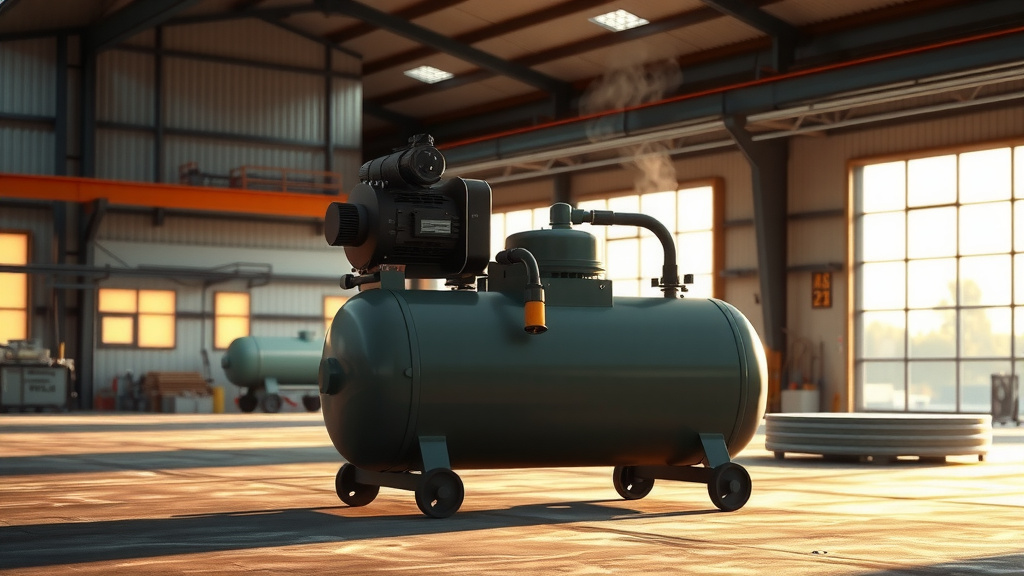
Yes, hot temperatures can absolutely cause an air compressor to break, often leading to costly repairs or complete failure. Extreme heat stresses your air compressor’s internal components, significantly shortening its operational life.
- Heat seriously harms air compressors, impacting their longevity and performance.
- It causes lubrication oil to break down, puts immense strain on the motor, and accelerates wear on parts.
- You’ll likely see a loss of efficiency and face potential breakdowns if not addressed.
- Good ventilation, proper location, and consistent maintenance are your best defenses against heat damage.
Can Hot Tempurarures Cause Air Compressor To Break?
Yes, absolutely. High ambient temperatures are a significant threat to your air compressor’s health, often leading to premature failure and system malfunctions.
Understanding How Heat Harms Your Compressor
Have you ever noticed how your car engine struggles on a hot day? Your air compressor faces similar challenges. Heat doesn’t just make it work harder; it actively damages its vital parts, reducing both its efficiency and lifespan. Many experts say that keeping your compressor cool is one of the most important aspects of maintenance.
The Impact on Compressor Oil
When temperatures rise, the lubricating oil inside your air compressor thins out. This thinner oil can’t protect moving parts as effectively, leading to increased friction and wear. Research shows that oil degradation accelerates quickly in hot conditions (Compressed Air Best Practices). Imagine trying to oil a squeaky door with water instead of lubricant – it just won’t work!
Overheating the Electric Motor
The motor is the heart of your compressor. In hot surroundings, the motor has to work much harder to maintain its operating temperature and produce the required power. This extra strain can cause the motor to overheat, potentially burning out its windings. We found that motor failure is a common symptom of persistent heat exposure.
Straining Valves and Seals
High heat can also cause critical components like valves and seals to degrade faster. Rubber and plastic seals can become brittle or crack under constant heat, leading to air leaks. When valves wear prematurely, your compressor struggles to build and hold pressure, wasting energy and effort.
Reduced Compressor Efficiency
A hot compressor is an inefficient compressor. It takes more power to cool the compressed air down to a usable temperature, and the unit works harder to achieve its output. This means your energy bills climb higher for the same amount of work done. Nobody wants that, right?
Warning Signs of an Overheated Air Compressor
How do you know if your compressor is struggling with the heat? Your compressor usually gives you clear signals. Being aware of these signs can help you prevent a complete breakdown and costly repairs. We found that early detection saves money and extends equipment life.
- Does your compressor cycle on and off more frequently than usual? This could be a sign it’s struggling to cool down.
- Are you hearing unusual noises, like grinding or squealing? Increased friction from poor lubrication often causes this.
- Is there a strange, burning smell around the unit? That’s a definite red flag, often indicating motor or oil issues.
- Has the air output decreased, or is it taking longer to fill the tank? This points to reduced efficiency due to heat and wear.
Here’s a quick look at common overheating symptoms:
| Symptom | What It Suggests |
|---|---|
| Frequent Cycling | Struggling to maintain pressure or cool down. |
| Burning Smell | Motor overheating or oil breakdown. |
| Reduced Air Output | Loss of efficiency, seal leaks, or valve wear. |
| Unusual Noises | Increased friction or failing motor bearings. |
Practical Solutions for a Cooler Compressor
Protecting your air compressor from excessive heat isn’t rocket science, but it does require some attention. Taking these steps can dramatically extend your unit’s life and prevent unexpected downtime. Think of it as giving your compressor its own little spa day!
Enhance Ventilation in Your Compressor Area
Good airflow is crucial. Make sure your compressor isn’t crammed into a tight corner or closet without proper ventilation. Open doors or windows if possible, or consider adding exhaust fans to draw hot air away. We found that adequate air circulation makes a world of difference.
Keep Your Compressor Out of Direct Sunlight
Just like you seek shade on a scorching day, your compressor needs it too. Direct sunlight can significantly increase the ambient temperature around the unit. Placing your compressor in a shaded area or even under a simple canopy can prevent significant temperature spikes.
Maintain Your Compressor Regularly
Regular maintenance is your secret weapon against heat damage. This includes checking and changing the oil as recommended by the manufacturer, cleaning or replacing air filters, and inspecting belts and hoses. Many guidelines point to consistent preventative maintenance as key for longevity (Manufacturer’s Handbook).
Ensure Proper Sizing for Your Needs
If your compressor is too small for the demands of your tasks, it will constantly overwork, generating more heat. Choosing a compressor with adequate capacity prevents overexertion. If you’re pushing a small unit to its limits all the time, it’s a recipe for overheating.
Monitor Your Compressor’s Temperature
Some compressors come with built-in temperature gauges or sensors. If yours does, pay attention to them! If not, an inexpensive external thermometer can help you keep an eye on the ambient temperature. Knowing when things are getting too hot allows you to take action before damage occurs.
Protecting Your Investment and Time
Imagine your air compressor suddenly breaking down in the middle of a big project. Not only do you face the stress of repairs, but also the costly downtime. Being proactive about heat management helps you avoid these headaches, keeping your projects on track and your wallet happier.
Here’s a simple checklist to keep your compressor cool and working:
- Check ventilation around the unit weekly.
- Clean air filters monthly, or more often in dusty areas.
- Change compressor oil according to your manual’s schedule.
- Keep the compressor away from heat sources and direct sun.
- Listen for unusual noises and investigate them promptly.
- Ensure the compressor is the right size for its job.
Expert Advice for Long-Term Reliability
Many experts say that while these tips are helpful, professional servicing periodically can catch issues you might miss. A qualified technician can inspect internal components, test pressure and temperature settings, and ensure everything is running optimally. Don’t hesitate to call for help if you’re unsure!
Conclusion
Hot temperatures are a genuine threat to your air compressor, potentially causing significant damage and breakdown. From degrading essential lubrication to overworking the motor, heat shortens your compressor’s life and reduces its efficiency. By prioritizing good ventilation, careful placement, and consistent maintenance, you can protect your equipment. Being proactive means you’ll enjoy a reliable, long-lasting air compressor, saving you from unexpected costs and frustrating downtime. Take care of your compressor, and it will take care of your work!
Can I use my air compressor outdoors in summer?
Yes, you can use your air compressor outdoors in summer, but you must take precautions. Ensure it’s placed in a shaded area, has plenty of airflow, and isn’t exposed to direct sunlight. Monitor its performance closely to avoid overheating.
What is the ideal operating temperature for an air compressor?
The ideal operating temperature can vary by model, but generally, air compressors perform best in ambient temperatures between 40°F to 95°F (4°C to 35°C). Always check your specific unit’s manual for its recommended temperature range.
How does heat affect the lifespan of my air compressor?
Persistent exposure to high temperatures significantly reduces the lifespan of your air compressor. It accelerates wear on components, degrades oil quality, and can lead to premature motor or pump failure, forcing replacements much sooner.
Will adding a fan help cool my air compressor?
Yes, adding a fan can be very effective in helping to cool your air compressor, especially in enclosed spaces. A fan can improve air circulation, dissipate heat away from the unit, and help maintain a lower ambient temperature around the compressor.
Is frequent compressor shutdown due to heat normal?
No, frequent shutdown due to heat is not normal and indicates an overheating problem. Your compressor’s thermal overload protection is engaging to prevent severe damage. This is a warning sign that needs immediate attention and investigation into the cause of overheating.
