
Can I Rent An Air Compressor?
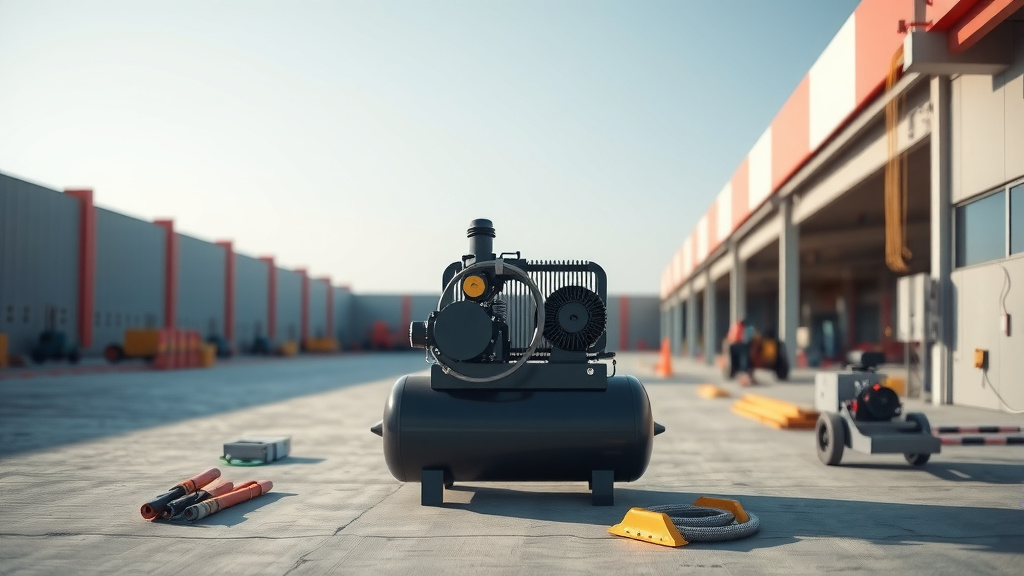
Yes, you can absolutely rent an air compressor for various projects, from small DIY tasks to large industrial jobs. Renting an air compressor offers flexibility and cost savings, letting you use specialized equipment without a big purchase.
Here’s a quick overview of renting an air compressor:
- Renting an air compressor is easy and cost-effective for temporary needs.
- You can find many types, from small portable units to large industrial models.
- Rental saves you storage space, maintenance costs, and the initial big investment.
- Make sure to pick the right size and type for your specific project.
- Always check the rental agreement for terms, insurance, and return policies.
Can I Rent An Air Compressor?
You most certainly can rent an air compressor. This option is very common for both home users and businesses. It helps you get jobs done without owning the equipment outright.
Why Consider Renting an Air Compressor?
Renting an air compressor just makes sense for many people. Think about it: why buy a tool you might only use once or twice a year? Rental stores have made this process very convenient.
Saving Money and Space
Buying a new air compressor can be a significant investment. Then you need a place to store it. Renting helps you avoid these upfront costs and clutter. You pay only for the time you actually use the equipment.
Many experts say this is a smart financial move for occasional tasks (Consumer Reports).
Accessing the Right Tool
Different jobs need different compressors. You might need a small, quiet one for home use or a massive, powerful one for construction. Renting lets you match the tool to the task perfectly. You don’t get stuck with a compressor that’s too weak or too big.
What Types of Air Compressors Can You Rent?
The variety of rental compressors might surprise you. Rental centers usually stock a wide range. This means you can find a machine for almost any job you can imagine. We found that rental fleets are quite extensive.
Small Portable Compressors
These are often called pancake, hot dog, or twin-stack compressors. They are easy to move around. You can rent them for DIY projects like filling tires, using brad nailers, or blowing dust. They typically have smaller tanks and are often electric.
Medium-Sized Units
If you’re painting a fence or working on a car, you might need something bigger. Medium-sized compressors can power heavier-duty air tools. These include impact wrenches or spray guns. They often come on wheels for easier transport to your job site.
Large Industrial Compressors
For big construction or commercial projects, you’ll need a much larger unit. These are often diesel-powered and mounted on trailers. They can run multiple heavy air tools at once. Think jackhammers or sandblasters; these jobs demand serious power.
How Do You Pick the Right Rental Air Compressor?
Choosing the correct air compressor is key to a successful project. It’s like picking the right size shoe; it needs to fit your needs perfectly. Don’t worry, it’s simpler than it sounds once you know what to look for.
Understanding Your Project Needs
First, what are you trying to accomplish? Are you inflating bike tires or building a deck? The tools you plan to use will dictate the compressor’s requirements. List them out before you even step into the rental shop.
Consider this quick checklist:
- What air tools will you operate?
- How many tools will run at once?
- What is the longest continuous run time needed?
- Do you have access to electricity, or do you need a gas/diesel unit?
- What is your budget for the rental period?
Power Source Matters
Air compressors come in electric, gas, or diesel versions. Electric models are quieter and good for indoor use. Gas or diesel models offer more power and are ideal for outdoor jobs where electricity is not available. Always match the power source to your working environment.
Checking CFM and PSI
These are two critical numbers: CFM (Cubic Feet per Minute) and PSI (Pounds per Square Inch). CFM measures the volume of air, and PSI measures the pressure. Your air tools will list their required CFM and PSI. Always rent a compressor that meets or exceeds these numbers. Many guidelines point to matching the tool’s highest requirement (Tool Rental Association).
Here’s a quick guide for common uses:
| Application | Recommended CFM (min.) | Recommended PSI (min.) |
|---|---|---|
| Tire Inflation | 1-2 | 90 |
| Brad Nailer | 1-3 | 90 |
| Impact Wrench | 4-6 | 90 |
| Paint Spray Gun (HVLP) | 8-12 | 30-50 |
| Sandblaster | 10-20+ | 90-100 |
Where Can You Rent an Air Compressor?
Finding a rental air compressor is quite easy. Many places offer them, from small local shops to large national chains. The key is knowing what type of rental experience you prefer and what’s available near you.
Local Tool Rental Shops
These independent shops often provide personalized service. They might know more about specific local project needs. You might even find some unique or specialized compressors here. It’s worth checking out your neighborhood options first.
Big Box Stores
Larger retailers with tool rental departments are also excellent options. Think about popular home improvement stores. They often have a standardized inventory and pricing. This can make comparing options straightforward and convenient.
Specialized Equipment Rental Companies
For very large or specialized compressors, look for dedicated equipment rental companies. These businesses focus solely on rentals. They typically have the biggest selection of heavy-duty units and offer delivery services. This is often the go-to for construction firms.
Tips for a Smooth Air Compressor Rental Experience
Renting should be stress-free. A little preparation can save you headaches and extra costs. We’ve compiled some practical tips based on common rental experiences.
- Reserve in Advance: Especially for popular equipment, booking ahead ensures availability.
- Inspect the Unit: Before leaving the shop, check the compressor for any existing damage. Take photos if needed.
- Understand Operation: Ask for a quick demo if you’re unfamiliar with the specific model.
- Clarify Rental Period: Know your pick-up and return times to avoid late fees.
- Ask About Insurance: Check if the rental company offers damage waivers or if your own insurance covers rentals.
- Read the Contract: Understand all terms, conditions, and what happens if something breaks.
Conclusion
Renting an air compressor is a smart, flexible solution for many projects. Whether you’re a DIY enthusiast or a professional contractor, rental options are abundant. You gain access to the right tool without the burden of ownership. Just remember to pick the right size, understand the terms, and you’ll be compressing air like a pro in no time!
Can I rent an air compressor for just one day?
Yes, many rental companies offer daily rates for air compressors. You can usually rent for a few hours, a full day, or even longer periods like a week or a month, depending on your project needs.
What safety precautions should I take when using a rented air compressor?
Always wear appropriate safety gear, including eye and hearing protection. Ensure the compressor is placed on a stable, level surface and that all hoses and connections are secure. Follow the manufacturer’s safety guidelines provided by the rental company.
Do rental companies offer delivery and pickup for air compressors?
Many larger rental companies and specialized equipment rental services do offer delivery and pickup, especially for heavier or bulkier air compressors. This service usually comes with an additional fee, so inquire about it when you make your reservation.
What happens if I damage a rented air compressor?
If you damage a rented air compressor, you will likely be responsible for repair costs. Most rental agreements outline these responsibilities. It’s wise to ask about insurance options or damage waivers offered by the rental company to help cover such incidents.
Are all rental air compressors electric, or are there gas-powered options?
You can find both electric and gas-powered (and even diesel-powered for industrial sizes) air compressors available for rent. The choice depends on your power source availability and the power requirements of your tools. Electric models are common for smaller, indoor projects, while gas units are preferred for outdoor, heavy-duty work.
