
How To Change Air Compressor?
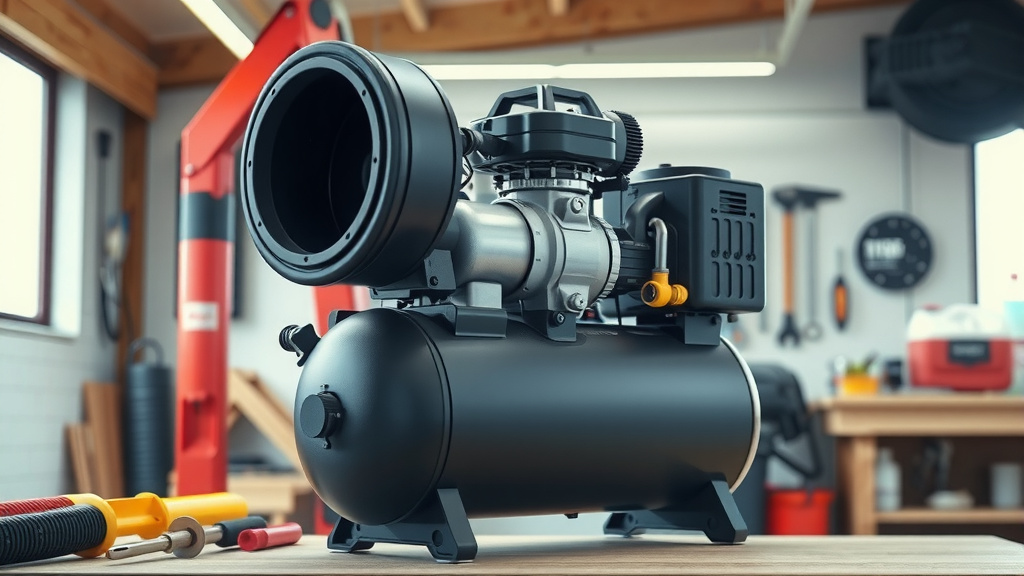
To change your air compressor, you generally need to disconnect the old unit from power and air lines, prepare the new unit, and then install it following safety guidelines.
This process involves careful planning, selecting the right replacement, and ensuring proper electrical and air line connections for your new air compressor.
Here’s a quick overview of what you’ll learn:
- Your first step is always to assess why you’re changing and what you need next.
- Safety is paramount: always disconnect power and bleed air from the old unit.
- Carefully remove the old compressor by disconnecting all lines.
- Install the new compressor, ensuring correct electrical and air fittings.
- Finally, perform a thorough test run before full operation.
How To Change Air Compressor?
Changing an air compressor isn’t just about swapping one machine for another. It’s about ensuring your tools and tasks have the reliable air supply they need. You might be upgrading, replacing a broken unit, or simply finding a better fit for your workshop.
This guide will walk you through the entire process. We want to make sure you feel confident and prepared. Think of it as a small project that brings big benefits to your productivity.
Why Consider Changing Your Air Compressor?
Perhaps your current compressor just isn’t keeping up anymore. Maybe it’s noisy, inefficient, or constantly needing repairs. Many experts say that knowing the “why” helps you choose the “what” for your replacement.
We often find that users change compressors for a few common reasons. These range from performance issues to expanding their operational needs.
Signs It’s Time for a New Compressor
How do you know if your trusty air compressor is ready for retirement? Here are some clear indicators:
- Constant Air Leaks: You hear hissing, but can’t find the source.
- Frequent Cycling: The motor runs almost non-stop, even with no tools attached.
- Reduced Pressure: Tools don’t perform as powerfully as they used to.
- Loud, Unusual Noises: Grinding, clunking, or excessive vibration.
- Expensive Repairs: The cost of fixing it outweighs buying a new one.
- Visible Rust or Damage: The tank or components show significant wear.
If you’re noticing these problems, it might be more cost-effective and safer to replace your unit. We’ve seen many cases where clinging to an old, failing compressor becomes a drain on resources.
Understanding Your Needs Before You Buy
Before you even think about disconnecting anything, pause. What did you like or dislike about your old compressor? What tasks will your new one handle? This kind of thinking helps you make a smart choice.
Consider the tools you use most often. Their CFM (cubic feet per minute) and PSI (pounds per square inch) requirements are key. We found that matching these specs prevents frustration later (OSHA guidelines often discuss proper tool matching).
Types of Air Compressors to Consider
There are many options out there. Choosing the right type will make a difference in your daily work. Here’s a quick comparison:
| Compressor Type | Best For | Key Trait |
|---|---|---|
| Piston/Reciprocating | Home garages, small shops | Versatile, common, good value |
| Rotary Screw | Industrial, continuous use | Quiet, efficient, high CFM |
| Portable/Pancake | Nail guns, small inflation jobs | Lightweight, easy to move |
| Oil-Free | Medical, clean applications | Low maintenance, no oil changes |
The right choice depends on your specific situation. Don’t be afraid to ask for advice at your local hardware store or supplier.
The Step-by-Step Process for Changing Your Air Compressor
Once you have your new compressor, it’s time for the swap. Take your time with each step. Rushing can lead to mistakes or even injury.
Safety First: Preparing for Removal
This is the most critical part. You’re working with electricity and stored energy. Many guidelines point to disconnecting power and draining air as the good first steps (Compressed Air & Gas Institute).
Pre-Removal Checklist:
- Disconnect Power: Unplug the compressor or shut off the breaker.
- Bleed Air: Open the drain valve and any air outlets to release all pressure.
- Wear Safety Gear: Use gloves and eye protection.
- Clear the Area: Make sure you have enough room to work safely.
- Gather Tools: Wrenches, pliers, screwdrivers will be needed.
Seriously, don’t skip any of these. Stored energy in an air tank can be dangerous.
Disconnecting the Old Unit
With safety measures in place, you can now start taking things apart. It’s often like carefully untying a knot.
Electrical Connections
If your compressor is hardwired, you’ll need to turn off the main breaker. Then, safely disconnect the wiring. If it’s a plug-in model, simply unplugging it is enough. Always double-check the power is off before touching wires.
Air Lines and Drain Valves
Ensure the tank is completely empty of air pressure. Then, disconnect any air hoses or lines attached to the compressor. You might need a wrench for threaded connections. Don’t forget any secondary air tanks if they’re connected to the main unit.
Preparing Your New Air Compressor
While the old unit is out, prepare the new one. This often means unboxing and a quick inspection. We find that a smooth setup helps prevent issues later.
Unboxing and Inspection
Remove the new compressor from its packaging. Check for any shipping damage. Read the manufacturer’s manual for specific instructions, especially regarding oil (if applicable). Some compressors ship without oil, and you’ll need to add it before the first use.
Installing Your New Unit
Now, bring in the replacement. This is where your new setup starts to take shape. It’s like putting together a new puzzle, but with real-world consequences.
Making Connections
Place your new compressor in its intended spot. Connect air lines securely. Use thread sealant tape (Teflon tape) on threaded fittings to prevent leaks. Then, connect the electrical power, following the manufacturer’s guide. For hardwired units, professional help might be wise.
Proper Placement and Ventilation
Air compressors generate heat and need good airflow. Ensure the unit is on a stable, level surface. Give it plenty of space around the motor for proper ventilation. Research often connects proper ventilation with longer compressor life (industry best practices).
Initial Start-Up and Testing
You’re almost there! But don’t just plug it in and walk away. A careful first start is important.
What to Look For
Turn on the power. Listen for any strange noises. Watch for leaks around connections with a soapy water solution. Allow the tank to fill to its maximum pressure. The compressor should then shut off automatically. If it doesn’t, turn it off immediately.
Check the pressure gauge to ensure it’s working correctly. Run a tool for a short period to make sure the air output is consistent. This careful test run can save you future headaches.
Maintaining Your New Compressor for Longevity
Your work isn’t done after installation. Regular care will help your new compressor last a long time. Think of it as caring for a new car.
Many experts recommend following the manufacturer’s maintenance schedule. This usually includes draining condensation from the tank daily or weekly. Also, check and change the oil in oil-lubricated models. Keeping the air filter clean is also key.
Conclusion
Changing an air compressor might seem daunting at first. However, by taking a methodical approach and prioritizing safety, you can successfully replace your old unit. Remember, choosing the right compressor for your needs is as important as the installation itself. With a bit of planning and careful execution, you’ll have your new compressor running smoothly, ready to power all your projects with efficiency and reliability. Enjoy the power of your new machine!
Can I change an air compressor myself, or do I need a professional?
For smaller, plug-in air compressors, many homeowners can manage the change themselves by following safety precautions. For larger, hardwired, or industrial units, it’s often best to consult a professional electrician or a certified air compressor technician, especially for electrical connections.
How often should I drain the air tank on my compressor?
It’s generally recommended to drain the condensation from your air compressor tank daily, especially if you use it frequently. This prevents rust buildup inside the tank, which can compromise its structural integrity and lead to expensive repairs or safety hazards.
What is the most common reason for an air compressor to fail?
Many experts say that motor failure due to overheating, prolonged use without proper maintenance, or issues with the pressure switch are among the most common reasons. Lack of regular draining can also cause rust to weaken the tank, leading to leaks or rupture.
How do I know what size air compressor I need?
You should match the compressor’s CFM (cubic feet per minute) and PSI (pounds per square inch) to the requirements of your most demanding air tools. Add a buffer of about 20-30% to the tools’ needs for optimal performance. Many tool manufacturers list these specs clearly.
Can I use any type of oil in my air compressor?
No, you should only use the type of oil specified by your compressor’s manufacturer. Using automotive oil or other non-compatible lubricants can damage the compressor pump, reduce efficiency, and void your warranty. Always check your owner’s manual for the correct oil type.
