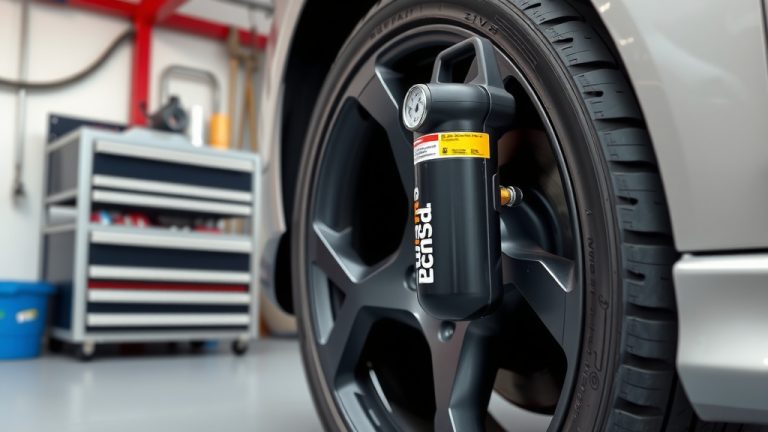
How To Use 300 PSI Air Compressor?
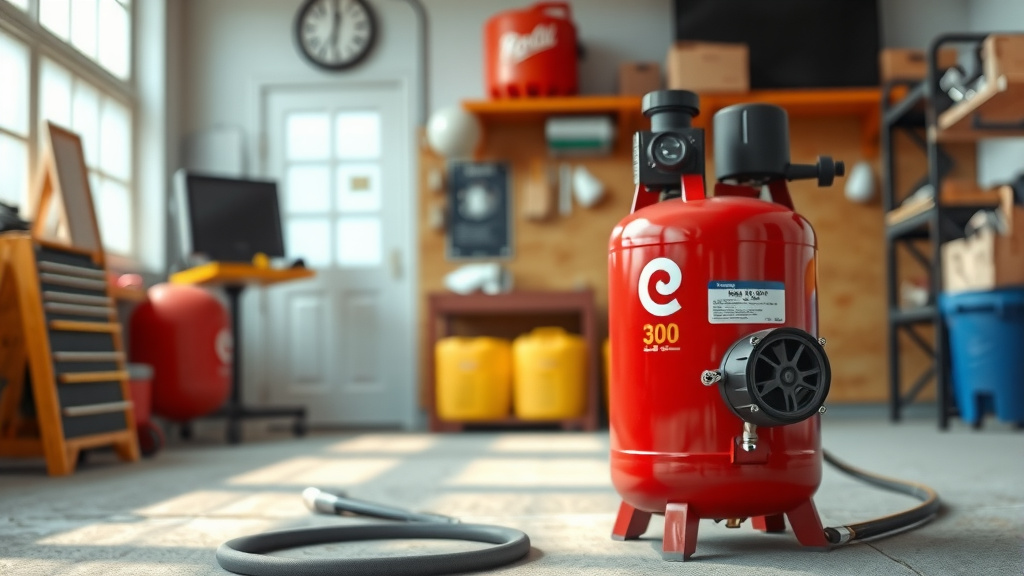
Using a 300 PSI air compressor mainly involves attaching the correct accessory, setting the appropriate pressure, and prioritizing safety for tasks like inflating car tires, sports equipment, or tackling light cleaning. This type of compressor provides substantial power, making it ideal for high-pressure inflation and certain heavy-duty air tools, but always match the tool’s requirement to your compressor’s output.
Here’s a quick summary of what you’ll discover in this guide:
- Understand what a 300 PSI air compressor can do for you.
- Learn crucial safety steps before you even plug it in.
- Discover how to connect accessories and adjust settings for various tasks.
- Find out practical ways to use your compressor for inflation and cleaning.
- Get tips on maintaining your unit to keep it running smoothly.
How To Use 300 PSI Air Compressor?
To use your 300 PSI air compressor, you first ensure proper setup and safety, then connect the right attachment for your task, and finally, adjust the output pressure to suit the specific item you’re working with.
What Exactly Is a 300 PSI Air Compressor?
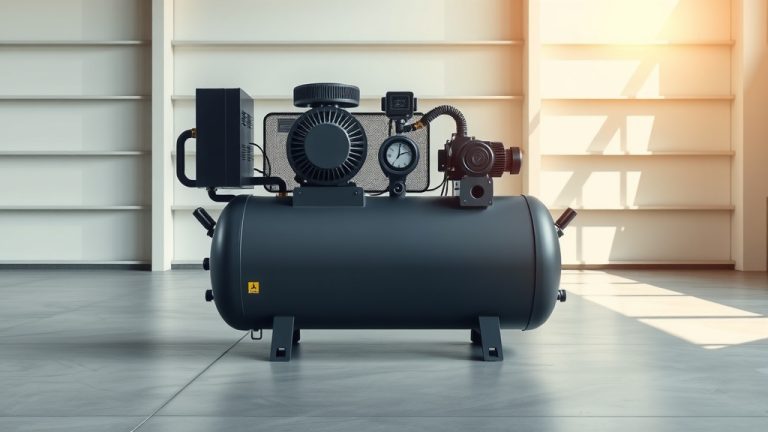
A 300 PSI air compressor delivers a serious punch of compressed air. PSI, or pounds per square inch, tells you the force the air exerts. When you see “300 PSI,” it means this machine can generate and store air under very high pressure.
Think of it like a powerful breath. While smaller compressors might inflate bike tires, a 300 PSI unit can handle tougher jobs. Many experts say these units are more than portable inflators; they bridge the gap towards light-duty shop tools.
Is a 300 PSI Compressor Right for You?
Are you wondering if this kind of power is what you need? A 300 PSI compressor is often suitable for specific uses. If you’re frequently topping off truck tires, RV tires, or industrial equipment tires, this compressor is a great fit.
We found that many users appreciate the faster inflation times for larger items (Consumer Reports). It can also operate some light-duty air tools that demand higher pressure but less continuous airflow than a larger shop compressor.
Safety First: Your Most Important Step
Before you even touch a switch, safety must be your top priority. Air compressors, especially high-pressure ones, are powerful tools. Ignoring safety steps can lead to accidents or injury.
Always read your compressor’s instruction manual thoroughly. It contains vital information specific to your model. We found that most incidents happen when users skip this critical first step.
Here’s a quick safety checklist:
- Wear eye protection (safety glasses).
- Use hearing protection (earplugs or earmuffs) during operation.
- Ensure your work area is clean and free of clutter.
- Keep children and pets away from the operating compressor.
- Check hoses and connections for damage before each use.
- Never point the air nozzle at yourself or others.
Preparing Your Compressor for Action
Getting your compressor ready is straightforward but requires attention to detail. This initial setup ensures everything runs smoothly and safely. Let’s get it hooked up.
Checking Connections
Before plugging in or powering on, visually inspect all connections. Is the hose securely attached to the compressor? Are all accessories properly fastened? Loose connections can leak air or even fly off under pressure, creating a hazard.
Powering It Up
Connect your compressor to a suitable power source. For most 300 PSI portable units, a standard wall outlet is fine. However, always check the power requirements in your manual. Once plugged in, turn the unit on and allow it to build pressure. You’ll hear the motor hum and then likely stop once it reaches its set pressure limit.
Attaching the Right Accessories
Your 300 PSI compressor is only as versatile as its attachments. Different jobs require different tools. Think of it like a superhero needing the right gadget for each mission.
For tire inflation, you’ll need an air chuck. For cleaning, a blowgun. Make sure your accessories are rated for the pressure your compressor produces. Many experts agree that matching tool to compressor pressure prevents damage (Air Compressor Guide).
Understanding Different Nozzles
Nozzles shape the airflow. A standard inflation nozzle helps fill tires efficiently. A needle nozzle is perfect for sports balls. A blowgun attachment with a narrow tip can blast dust out of tight spaces. Each one serves a specific purpose, so choose wisely.
Step-by-Step Guide to Operating Your Compressor
Now that your compressor is ready and safe, let’s put it to work. We’ll cover some common uses to give you a clear picture.
Inflating Tires and Sports Equipment
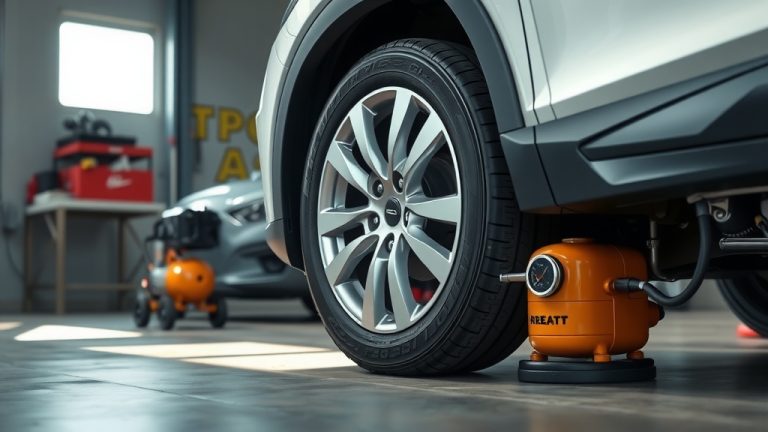
This is where a 300 PSI unit truly shines. For car tires, you’ll first check the recommended PSI, usually found on a sticker inside your car door frame. Connect the air chuck to the tire valve stem. The compressor will start to fill the tire. Use a separate tire gauge to monitor pressure; don’t rely solely on the compressor’s built-in gauge, as some can be less precise.
For sports balls, connect the needle valve. Be careful! Sports balls require much lower PSI. Inflate in short bursts, checking frequently to prevent over-inflation and bursting.
Cleaning and Dusting Tasks
A blowgun attached to your compressor can be surprisingly effective for cleaning. It’s great for clearing sawdust from workshops, blowing debris from tools, or even drying surfaces. Always wear eye protection and direct the air away from yourself and others. This method is fast and reaches places cloths can’t.
Maintaining Your 300 PSI Compressor
Like any machine, your compressor needs a little love to keep it performing. Good maintenance ensures longevity and reliable operation. Think of it as giving your trusty tool a spa day.
Regular Inspections
Periodically check your compressor for wear and tear. Look for cracks in hoses, frayed power cords, or loose bolts. We found that small issues caught early prevent larger, more expensive problems later on.
Here’s a quick inspection checklist:
- Examine power cord for damage.
- Check air hose for cuts or leaks.
- Tighten any visible loose fasteners.
- Clean air filter if removable and clogged.
- Listen for unusual noises during operation.
Draining the Tank
This step is often overlooked but is crucial. Compressed air naturally contains moisture, which condenses into water inside the tank. If left undrained, this water can cause rust, reducing the tank’s lifespan and potentially contaminating your air output. Many guidelines point to draining the tank after each use or at least weekly (OSHA).
Locate the drain valve at the bottom of the tank, place a bucket underneath, and open the valve to release the water and air. Close it once only air escapes.
Common Pitfalls to Avoid
Using an air compressor isn’t complicated, but there are a few common mistakes that can cause headaches. You’ll want to steer clear of these for a smooth experience.
One common issue is trying to use the compressor with tools that demand continuous, high-volume air. While a 300 PSI unit has high pressure, its tank size might be smaller, leading to constant motor cycling for tools like impact wrenches or grinders. Match the tool’s CFM (Cubic Feet per Minute) requirement with your compressor’s output for best results.
Another pitfall is running the compressor in a poorly ventilated area. The motor generates heat, and proper airflow is essential to prevent overheating. Give your compressor some breathing room.
| Compressor Type | Typical PSI Range | Best For |
|---|---|---|
| Mini/Portable Inflator | 50-150 PSI | Bicycle tires, small sports balls, car tires (emergency) |
| 300 PSI Compressor | Up to 300 PSI | Car/truck/RV tires, light air tools, heavy-duty inflation |
| Shop Compressor | 100-175 PSI | Powering nail guns, impact wrenches, paint sprayers (higher CFM) |
Conclusion
Using a 300 PSI air compressor effectively means understanding its power, adhering to safety protocols, and matching the right accessory to the task. You have a powerful tool that can make quick work of inflation and cleaning jobs. By following these practical steps – from initial setup and safety checks to proper operation and routine maintenance – you’ll get the most out of your compressor. Remember, a little care and knowledge go a long way in ensuring your tool is safe, efficient, and ready for whatever you throw at it.
How do I know what PSI to use for my car tires?
You can find the recommended tire pressure for your vehicle on a sticker typically located inside the driver’s side door jamb, or in your car’s owner’s manual. Never exceed this recommended PSI to ensure safe driving and tire longevity.
Can a 300 PSI air compressor power air tools?
Yes, a 300 PSI air compressor can power some air tools, especially those requiring higher pressure like certain blowguns or caulking guns. However, for tools that demand sustained airflow (CFM) like impact wrenches or sanders, a larger tank compressor might be more suitable to avoid constant motor cycling.
What is the difference between PSI and CFM?
PSI (Pounds per Square Inch) measures the pressure or force of the air, indicating how hard the air can push. CFM (Cubic Feet per Minute) measures the volume of air delivered, indicating how much air the compressor can supply over time. Both are important for matching the compressor to the right job or tool.
How often should I drain the water from my compressor tank?
It’s generally recommended to drain the water from your compressor tank after each use, especially if you live in a humid environment or use the compressor frequently. This prevents rust buildup and prolongs the life of your tank (Air Compressor Guide).
Is a 300 PSI compressor overkill for home use?
A 300 PSI compressor might be more powerful than needed for very basic tasks like inflating bicycle tires. However, it is an excellent choice for home users with cars, trucks, RVs, or those who occasionally use air tools for light projects, offering versatility and faster inflation for larger items.