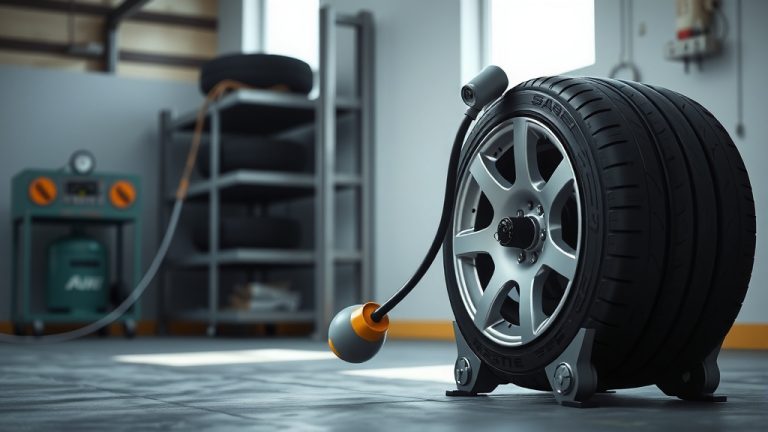
How To Use A Portable Air Compressor?
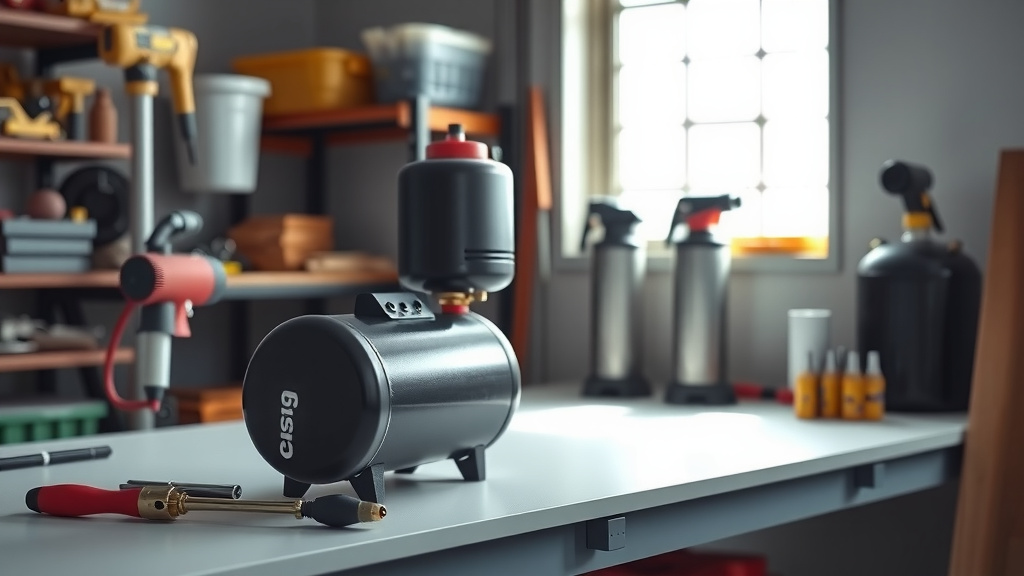
Using a portable air compressor involves connecting it to power, attaching the right nozzle, setting the desired pressure (PSI), and then inflating your item or powering a tool.
Always read your specific model’s manual, ensure proper ventilation, and wear safety gear to operate a portable air compressor safely and effectively.
- Get started quickly with your portable air compressor by knowing its basic setup.
- Safety is always a priority; learn essential precautions before you begin.
- Understand PSI and CFM to match your compressor to your task.
- Follow simple steps for inflating tires or using air tools effectively.
- Keep your compressor running well with a few basic maintenance tips.
How To Use A Portable Air Compressor?
Using a portable air compressor is simpler than you might think, making many tasks easier around your home or on the road. We found that understanding a few key steps lets you get the most from this handy tool.
Why Choose a Portable Air Compressor?
Portable air compressors are incredibly versatile. You can inflate bike tires, car tires, sports equipment, or even air mattresses. Their compact size means you can take them almost anywhere, offering convenience you won’t get from larger shop models.
Understanding Your Portable Compressor’s Power
Most portable units run on standard household outlets (120V) or a car’s 12V DC outlet. Check your model to know its power source. This impacts where and how you can use it, offering great flexibility for users.
Safety Before You Begin
Your safety is important when using any power tool. Always work in a well-ventilated area to prevent motor overheating. We always recommend wearing eye protection to guard against debris.
Also, never point the air nozzle at yourself or others. The pressurized air can be powerful. Keep children and pets a safe distance away from the operating area.
What Do You Need to Start?
Gathering your tools beforehand makes any job go smoothly. Before you switch on your compressor, make sure you have everything ready. This prevents interruptions and keeps you efficient.
- Your portable air compressor
- Appropriate air hose and nozzle attachments
- Safety glasses
- The item you wish to inflate or air tool
- Access to a power outlet or 12V car socket
Preparing Your Compressor for Action
Proper setup ensures your compressor works correctly and safely. This initial preparation step is straightforward. It usually only takes a few quick moments.
Plugging It In
Connect your compressor to its power source. If it’s 120V, use a grounded outlet. For 12V models, plug it into your vehicle’s accessory socket. Always make sure the switch is in the “off” position first.
Attaching the Air Hose
Most portable compressors come with a coiled hose. Securely attach one end to the compressor’s air outlet. The other end will connect to your chosen nozzle or tool. A tight connection prevents leaks.
Choosing the Right Nozzle
Different tasks need different nozzles. A needle adapter is for sports balls, while a Schrader valve connector is for tires. Select the nozzle that matches your item exactly for the best fit.
Using Your Portable Compressor: Step-by-Step
Now that everything is set up, it’s time to put your compressor to work. We’ll walk through common uses. You’ll see how simple and effective this tool can be.
Understanding PSI and CFM
PSI (Pounds per Square Inch) measures air pressure, while CFM (Cubic Feet per Minute) measures airflow volume. For tires, you care about PSI. For tools, CFM can be just as important (Consumer Reports).
Inflating Tires with Ease
This is one of the most popular uses for a portable air compressor. It’s perfect for car, bike, or even lawnmower tires. You can maintain proper pressure easily.
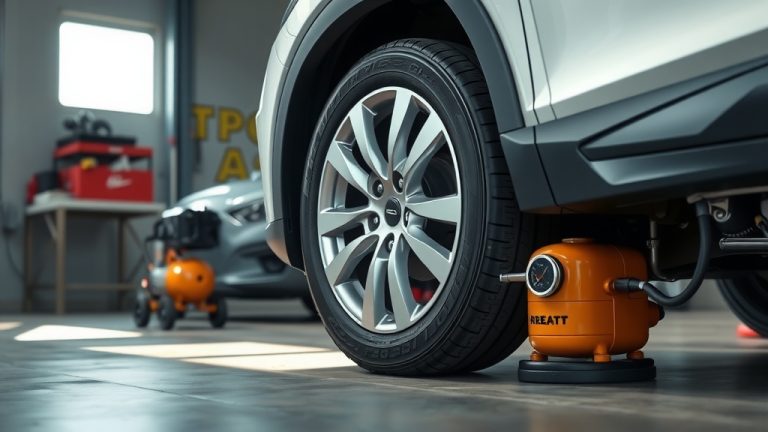
Connect the tire chuck to the valve stem. Your compressor usually has a pressure gauge. Set the desired PSI, then turn on the compressor. Monitor the gauge and shut it off when the target pressure is reached.
Powering Small Air Tools
Some portable compressors can power small air tools, like nail guns for light projects. Check your tool’s CFM requirement and match it to your compressor’s output. This ensures enough power for the job.
Monitoring and Adjusting Pressure
Always keep an eye on your compressor’s pressure gauge. Over-inflation can be dangerous for tires or items. Adjust the pressure as needed to keep it within safe limits for your specific task.
Turning Off and Storing Safely
Once your task is done, turn off the compressor. Disconnect the air hose and nozzle. Store your compressor in a clean, dry place. This simple step helps extend its lifespan (Occupational Safety and Health Administration).
Basic Maintenance for Longevity
A little care goes a long way in keeping your portable air compressor reliable. These maintenance tips are quick and easy. They ensure your tool is ready for its next use.
Checking Air Filters
Many models have an air filter that can get dusty. Check it regularly and clean or replace it as needed. A clean filter helps your compressor run more efficiently and last longer.
Draining the Tank (If Applicable)
Some portable compressors have small tanks that collect condensation. If your model has one, drain it after each use. This prevents rust inside the tank and maintains air quality.
| Component | Check Frequency | Action |
|---|---|---|
| Power Cord | Before each use | Inspect for damage or fraying |
| Air Filter | Monthly or as needed | Clean or replace if dirty |
| Hose & Fittings | Before each use | Check for leaks or cracks |
| Tank Drain Valve | After each use (if present) | Drain condensation |
Quick Trouble-Shooting Tips
Sometimes things don’t go as planned. Don’t worry; many issues have simple fixes. We found that these common solutions often solve your problems quickly.
Compressor Not Turning On?
Check the power connection first. Is it firmly plugged in? Is the outlet working? Sometimes a tripped circuit breaker can be the culprit. A quick check can restore power easily.
Air Leaking from Connections?
Ensure all hoses and nozzles are tightly secured. Loose connections are the primary cause of air leaks. A little wrench tightening or re-seating can stop the leakage.
Conclusion
Using a portable air compressor is a straightforward process that offers great utility for many everyday tasks. By prioritizing safety, understanding your compressor’s features, and performing basic maintenance, you can rely on this tool for years to come. We hope this guide helps you confidently tackle your next project, keeping your tires inflated and your equipment ready.
How do I know what PSI my tire needs?
You can find the recommended PSI for your vehicle’s tires on a sticker inside the driver’s side door jamb, or in your vehicle’s owner’s manual. For bicycles, check the sidewall of the tire itself.
Can I leave my portable air compressor plugged in all the time?
It’s generally not recommended to leave your portable air compressor plugged in constantly, especially if it has a tank. Unplug it after each use to conserve energy and prevent unnecessary wear on the components.
Are all portable air compressor nozzles universal?
No, not all nozzles are universal. While many portable compressors come with standard attachments for car tires (Schrader valves) and sports balls (needle valves), some specialized items might require unique adapters.
How long does it take to inflate a car tire with a portable compressor?
The time it takes depends on your compressor’s CFM rating and how flat the tire is. A small, entry-level portable compressor might take 5-10 minutes to inflate a standard car tire from flat to full, while more powerful units are quicker.
Can a portable air compressor run continuously?
Most portable air compressors are designed for intermittent use, meaning they need breaks to cool down. Check your compressor’s duty cycle in the manual; continuous operation can lead to overheating and damage.