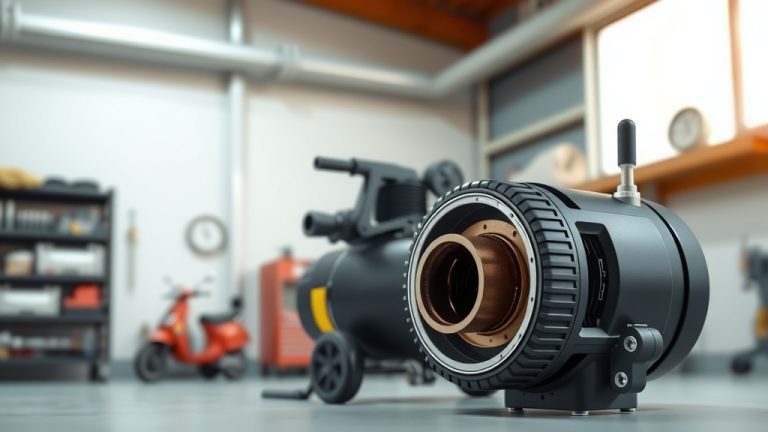
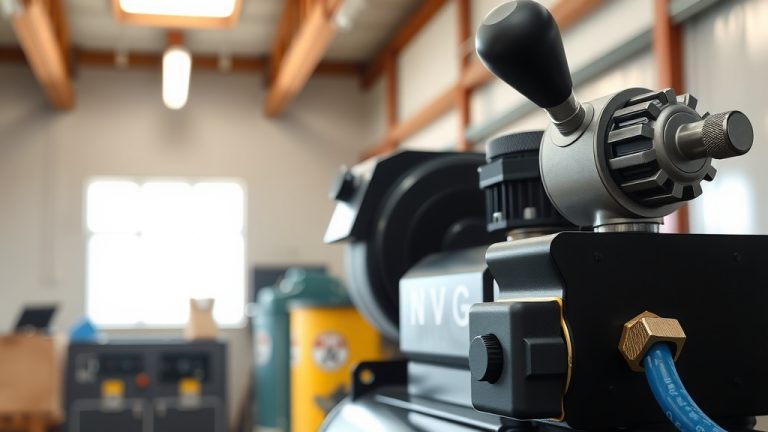
How To Use Air Compressor As Power Washer?
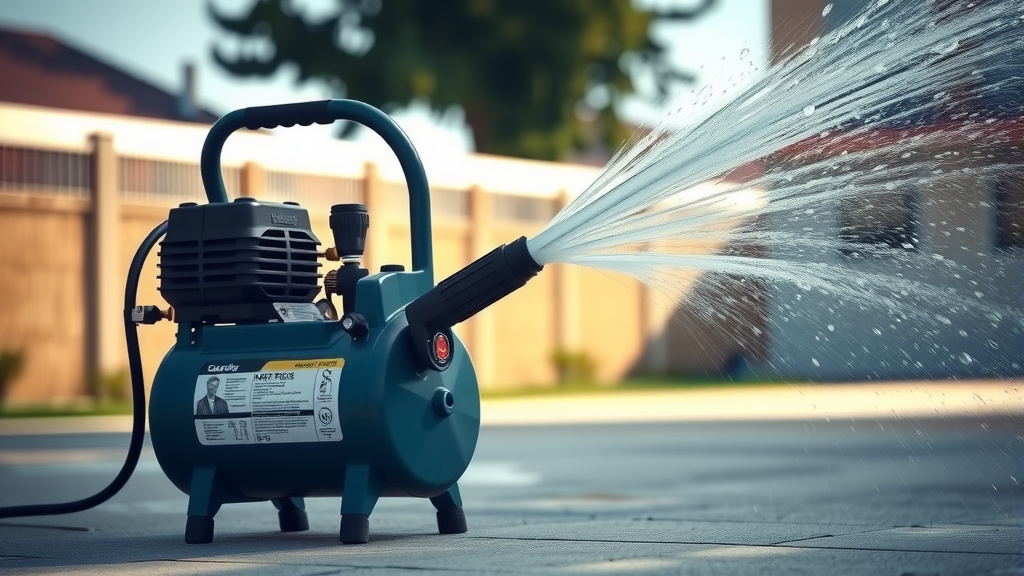
Yes, you can use an air compressor as a power washer by connecting a specialized air-powered pressure washer attachment kit. This setup combines pressurized air with water to create a high-velocity spray for cleaning.
This method is suitable for lighter cleaning jobs where a dedicated electric or gas power washer might be overkill or unavailable, offering a versatile solution for many DIY enthusiasts.
Here’s a quick overview of what you’ll find in this guide:
- Discover how to convert your air compressor into a cleaning machine.
- Learn about the essential tools and attachments you’ll need.
- Follow a simple, step-by-step setup guide to get started.
- Understand the pros, cons, and safety tips for this approach.
- Find out when a dedicated power washer is the better choice.
How To Use Air Compressor As Power Washer?
To use an air compressor as a power washer, you need a pressure washer conversion kit that pairs your compressed air supply with a water line. This kit creates the necessary pressure to clean surfaces effectively.
Why Consider This Method?
Sometimes, buying a dedicated power washer isn’t practical, or you just need a quick clean. Using your air compressor offers a flexible and economical option. It’s perfect for tasks like washing a car, cleaning light dirt from patios, or rinsing outdoor furniture.
Many homeowners already own an air compressor, making this a convenient alternative. You might find it useful for cleaning projects that don’t require extreme pressure, saving you from investing in another bulky tool.
Understanding the Limitations
While versatile, an air compressor setup won’t match the raw power of a high-end gas or electric power washer. The pressure generated is generally lower, making it less effective for tough, caked-on grime or large-scale cleaning jobs. We found that the PSI output is typically much lower than traditional power washers (tool guides suggest).
What You’ll Need: The Essential Gear
Getting ready means gathering a few key components. Think of it like assembling a team for a project – each part has its role. You’ll want to ensure you have all the right pieces before you start.
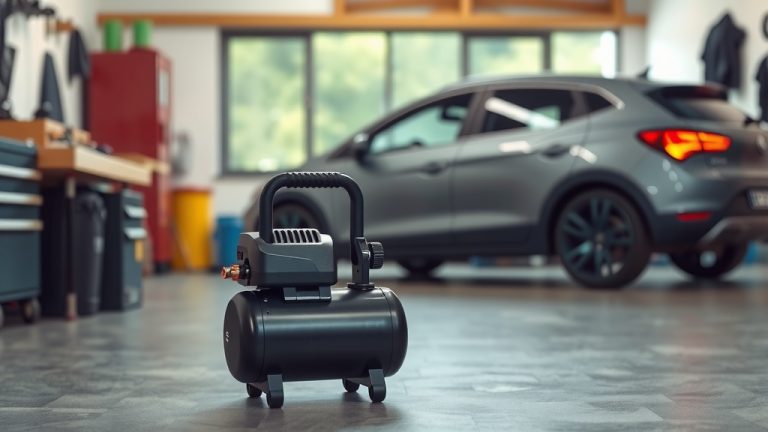
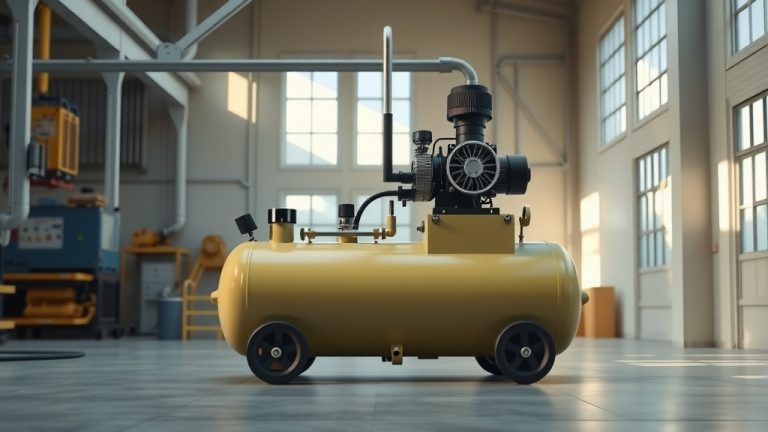
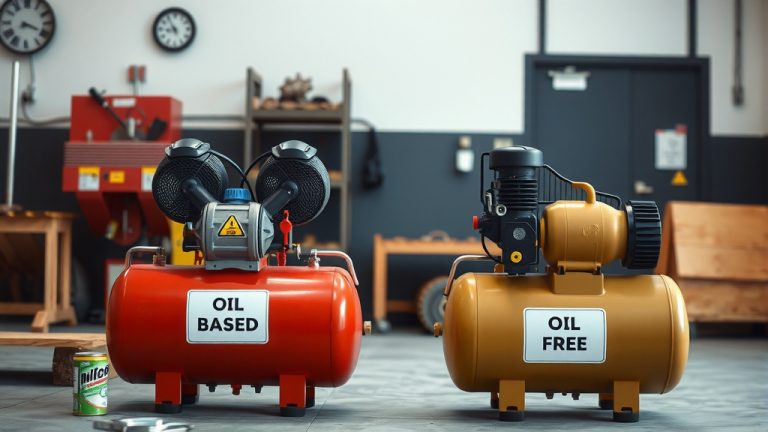
Your Air Compressor
You’ll need an air compressor that can provide a steady air supply. A unit with at least 4-6 CFM at 90 PSI is often recommended. If your compressor is too small, it will struggle to keep up, leading to inconsistent spray.
Pressure Washer Attachment Kit
This is the star of the show! It usually includes a spray gun, a siphon tube for drawing water, and connections for your air line. We found these kits are readily available online or at hardware stores.
Water Source and Hose
A standard garden hose connected to a reliable water source is essential. Make sure your hose is in good condition to handle the water flow. A steady water supply prevents interruptions during cleaning.
Safety Gear
Always prioritize your safety. Grab some safety glasses or goggles to protect your eyes from debris and splashing water. Work gloves can also improve your grip and comfort.
Step-by-Step Guide: Setting Up Your System
Setting up is straightforward once you have your gear. Just follow these steps, and you’ll be ready to clean in no time. It’s like baking a cake – follow the recipe for the best results.
Checking Your Compressor
Ensure your air compressor is turned off and unplugged before connecting anything. Check the air tank pressure; it should be at your desired working PSI, usually around 60-90 PSI for cleaning. Drain any moisture from the tank.
Connecting the Attachment
Attach the pressure washer kit’s air inlet to your compressor’s air hose using quick-connect couplers. Make sure all connections are snug and secure to prevent air leaks. A good seal means good pressure.
Water Supply Connection
Connect your garden hose to the water inlet on the pressure washer attachment. Ensure there are no kinks in the hose that could restrict water flow. A free-flowing water line is important for consistent spray.
Safety Check
Before turning anything on, double-check all connections. Put on your safety glasses. Are there any loose hoses? Is everything properly seated? A thorough pre-check prevents surprises.
Operating Your Air Compressor Power Washer
Now that everything is set up, it’s time to put your system to work. Start slowly and get a feel for the spray pattern and pressure. Remember, it’s about control and steady movements.
Getting Started Safely
Turn on your air compressor and let it build up pressure. Then, turn on your water supply. Aim the spray gun away from yourself and others, then squeeze the trigger to start the flow. You might need to adjust the air pressure on your compressor to find the optimal spray for your task.
Techniques for Effective Cleaning
Hold the nozzle a few inches from the surface you’re cleaning. Use sweeping motions to cover the area evenly. For tougher spots, you can apply a bit of detergent using the kit’s siphon tube, then rinse. Many experts suggest starting with a wide spray pattern to avoid damaging delicate surfaces.
Post-Cleaning Care
When you’re finished, turn off the air compressor and water supply. Release any remaining pressure from the system by squeezing the spray gun trigger. Disconnect all hoses and attachments, then drain any water from the kit to prevent mildew or freezing.
Pros and Cons: Is It Right for You?
Deciding if this method suits your needs involves weighing its advantages against its drawbacks. Let’s look at a quick comparison to help you make an informed decision.
| Aspect | Air Compressor as Power Washer | Dedicated Power Washer |
|---|---|---|
| Cost | Lower (if compressor owned), only attachment needed. | Higher initial investment. |
| Pressure | Moderate, suitable for light-duty cleaning. | High, ideal for heavy-duty cleaning and large areas. |
| Portability | Good, uses existing compressor and hose. | Varies by model, can be bulky. |
| Versatility | Adds power washing function to existing tool. | Purpose-built for power washing. |
Important Safety Considerations
Working with pressurized air and water requires caution. Just like driving a car, you need to understand the rules of the road to stay safe. Never underestimate the potential for injury.
Protecting Yourself
Always wear eye protection. The spray can kick up debris at high speeds. Avoid aiming the nozzle at people or animals, as the pressure can cause harm. Keep electrical connections dry. Safety should be your first thought.
Protecting Your Equipment
Never exceed your air compressor’s maximum pressure rating. This can damage your compressor or hoses. Ensure all connections are tight to prevent hose whip. When you’re done, properly drain water and relieve pressure. This extends the life of your tools.
Here’s a quick safety checklist:
- Always wear safety glasses.
- Keep the nozzle pointed away from people.
- Ensure all hose connections are tight and secure.
- Do not exceed rated pressure for any equipment.
- Disconnect power and relieve pressure after use.
- Never leave the unit running unattended.
When a Dedicated Power Washer is Better
For large driveways, stripping paint, or removing heavy mildew, a dedicated power washer is the way to go. These machines are designed for high PSI and GPM (gallons per minute), offering superior cleaning power and efficiency. Many commercial cleaning tasks require the consistent output of a purpose-built unit (industry guidelines advise).
Maintaining Your Air Compressor for Washing Tasks
After using your air compressor for power washing, a little maintenance goes a long way. This ensures your compressor stays in top condition for its next job, whether it’s powering tools or inflating tires. Think of it as giving your workhorse a good rest and clean-up.
Regularly drain condensation from the air tank to prevent rust. Check your air filter and clean or replace it as needed. Ensure all fittings are lubricated if they need it, following the manufacturer’s recommendations. A well-maintained compressor is a reliable compressor.
Conclusion
Using an air compressor as a power washer is a handy trick for many light to medium cleaning jobs. It’s a cost-effective way to get more mileage out of your existing tools, offering convenience and versatility. With the right attachment kit and proper safety measures, you can tackle a variety of cleaning tasks around your home or workshop.
Remember its limitations compared to dedicated power washers. For bigger, tougher jobs, those specialized machines still reign supreme. But for many everyday cleaning needs, your air compressor can certainly rise to the occasion, saving you time and effort. It’s all about choosing the right tool for the right job.
Can an air compressor damage my car’s paint during washing?
When used with a proper pressure washer attachment, an air compressor setup typically produces lower pressure than dedicated power washers. This reduced pressure makes it less likely to damage car paint, especially if you maintain a safe distance and use the appropriate nozzle. Always test on an inconspicuous area first.
What kind of detergent can I use with this setup?
You can use any standard pressure washer detergent designed for automotive or general outdoor cleaning. Many kits include a siphon tube that allows the attachment to draw detergent from a separate container. Always follow the detergent manufacturer’s instructions for dilution and application.
How much air pressure (PSI) do I need from my compressor?
For effective cleaning, most air-powered pressure washer attachments work best with an air pressure range of 60 to 90 PSI. Your compressor should also have sufficient CFM (cubic feet per minute) output to sustain this pressure without constantly cycling, often at least 4-6 CFM at 90 PSI.
Is this method more environmentally friendly than a gas power washer?
If your air compressor is electric, using it as a power washer can be more environmentally friendly than a gas-powered unit, as it produces zero direct emissions. It also often uses less water than a garden hose, contributing to water conservation. However, the overall environmental impact depends on your electricity source.
Can I use hot water with an air compressor power washer kit?
Most standard air compressor pressure washer kits are designed for cold water use. Using hot water could damage the internal components of the attachment or your garden hose. Always refer to the manufacturer’s guidelines for your specific kit regarding water temperature limits to ensure longevity and safe operation.