How To Use Air Compressor At Gas Station?
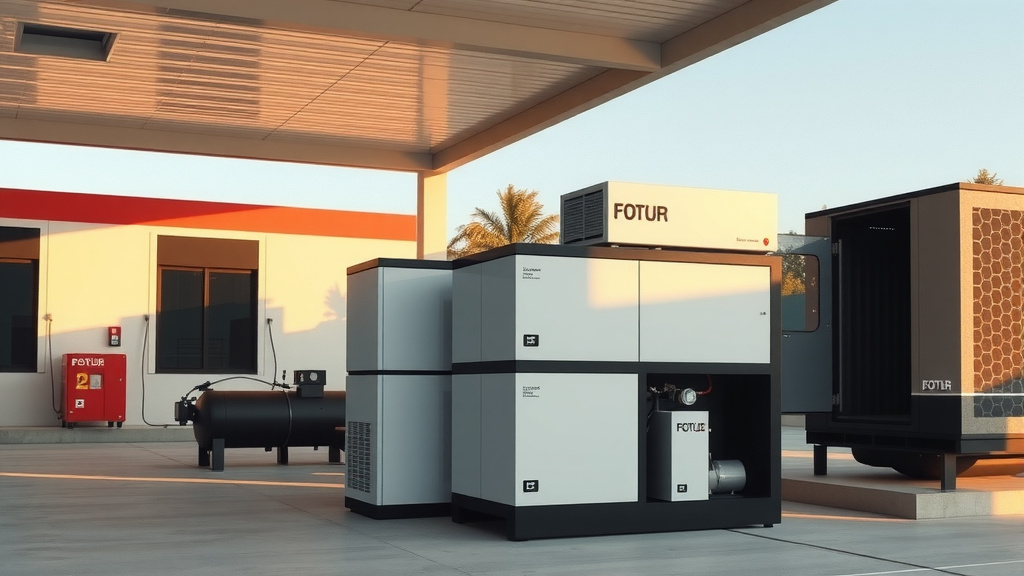
To use an air compressor at a gas station, first identify the machine and ensure it offers both air and a pressure gauge.
Next, determine your tire’s recommended PSI (Pounds per Square Inch), unscrew the valve cap, press the air chuck firmly onto the valve stem, and add air in short bursts while checking the pressure frequently.
- Get ready by finding your tire’s correct PSI and locating the gas station air pump.
- Connect the air hose correctly to your tire’s valve stem, ensuring a tight seal.
- Add air in small increments, checking the pressure often with a reliable gauge.
- Avoid over-inflating; it is safer to be slightly under than over your recommended PSI.
- Disconnect the hose, replace the valve cap, and you are ready to drive safely.
How To Use Air Compressor At Gas Station?
Using an air compressor at a gas station is a straightforward process once you know the steps. It helps keep your tires properly inflated, ensuring safer driving and better fuel economy.
Understanding Gas Station Air Compressors
Many gas stations offer air compressors for public use, often for a small fee or sometimes free. These machines are essential for maintaining your vehicle’s tire health. We found that proper tire inflation is crucial for vehicle performance (National Highway Traffic Safety Administration).
Why Proper Tire Pressure Matters
Incorrect tire pressure can lead to many issues. Under-inflated tires can cause poor handling, reduced fuel efficiency, and uneven tire wear. Over-inflated tires can also cause issues like a harsh ride and reduced grip.
Preparing Before You Pump
Before you even approach the air compressor, a little preparation goes a long way. This ensures you can efficiently and safely inflate your tires.
Find Your Vehicle’s Recommended PSI
Your car’s optimal tire pressure isn’t on the tire itself; that number is the maximum pressure. Instead, check your car’s door jamb, glove compartment, or owner’s manual for the manufacturer’s recommended PSI.
Gather Your Tools
You will need a reliable tire pressure gauge, even if the gas station compressor has one. Many experts say a personal gauge offers more accuracy (Automobile Club of America). A few quarters might be needed if the machine isn’t free.
Locating and Operating the Compressor
Once you’re ready, head over to the air compressor. They are usually easy to spot near the gas pumps or at the edge of the parking lot.
Parking and Accessing Tires
Park your car so all your tires are easily accessible with the air hose. You want to avoid stretching the hose too much. Make sure your vehicle is turned off, and the parking brake is engaged for safety.
Paying for Air (If Needed)
Some gas station compressors require payment. Insert coins or use a credit card if prompted. You might have a limited time once activated, so be prepared to move quickly.
Connecting the Air Hose to Your Tire
This is where the magic happens! Connecting the hose correctly is key to a smooth inflation process.
Removing the Valve Cap
Unscrew the small plastic or metal cap from your tire’s valve stem. Keep it somewhere safe, like your pocket, so you don’t lose it. This cap protects the valve from dirt and moisture.
Attaching the Air Chuck
Take the air chuck (the nozzle at the end of the hose) and press it firmly onto the valve stem. You should hear a hiss of air escaping. Push harder if it’s still leaking. Hold it steady to create a good seal.
Inflating Your Tires Safely
Now it’s time to add air. This step requires a bit of attention to avoid over- or under-inflating.
Adding Air in Short Bursts
Press the lever or button on the air chuck to release air into the tire. It’s often better to add air in short, controlled bursts. This prevents you from adding too much too quickly.
Checking Tire Pressure Frequently
Release the air chuck briefly and use your tire gauge to check the pressure. Repeat the process of adding air and checking until you reach your car’s recommended PSI. It’s often wiser to slowly approach the target pressure (tire manufacturers’ guidelines).
Finishing Up and Safety Tips
You’re almost done! A few final checks ensure everything is secure and safe for your journey.
Disconnecting and Replacing the Cap
Once the desired pressure is reached, remove the air chuck from the valve stem. Quickly replace the valve cap, tightening it securely. This prevents air leaks and protects the valve.
Don’t Forget All Tires and Spare!
Remember to check and inflate all four tires. Many drivers forget the spare tire, which can be just as crucial in an emergency. We found that a regularly checked spare can save you from roadside trouble.
When to Inflate
For the most accurate readings, inflate your tires when they are “cold,” meaning they haven’t been driven for a few hours. Driving heats tires, which temporarily increases pressure (NHTSA research).
Troubleshooting Common Issues
Sometimes, things don’t go perfectly. Here are quick solutions for common problems.
Air Leaking from the Valve
If air keeps hissing out even after removing the hose, your valve stem might be faulty. Try wiggling the air chuck around to get a better seal. If the problem persists, you might need a new valve stem.
Over-Inflation
Accidentally put too much air in? No problem! Most air chucks have a small pin or button you can use to release air. Press it gently against the valve stem to let some air out. Check with your gauge until it’s correct.
Compressor Not Working
If the machine won’t turn on or give air, check if it needs coins or if there’s a visible power switch. If not, it might be out of order. Don’t waste too much time; try another gas station.
Tire PSI Checkpoints
Understanding where to find your car’s correct PSI is important for safety and performance.
| Location | Typical PSI Info | Notes |
|---|---|---|
| Driver’s Side Door Jamb | Most common spot for car/light truck PSI. | Look for a sticker inside the door frame. |
| Owner’s Manual | Detailed information, including spare tire PSI. | Always reliable source for vehicle specifics. |
| Glove Compartment | Sometimes a sticker or card is placed here. | Less common but worth a quick check. |
Your Quick Inflation Checklist
Keep these steps in mind for a smooth experience at the gas station air pump:
- Know your car’s recommended PSI.
- Locate the air compressor and have any payment ready.
- Park safely with easy access to all tires.
- Remove valve caps and keep them secure.
- Attach the air chuck firmly to the valve stem.
- Add air in short bursts, checking pressure often.
- Once correct, remove the chuck and replace valve caps.
Conclusion
Using a gas station air compressor is a simple yet vital skill for any driver. Maintaining proper tire pressure not only extends the life of your tires but also contributes significantly to your safety and your car’s fuel efficiency. With these practical steps, you can confidently handle this routine vehicle maintenance task. Keep your tires happy, and they will keep you safe on the road!
Do all gas stations have air compressors?
No, not all gas stations offer air compressors. While many do, especially larger chain stations, some smaller or independent stations might not. It is always a good idea to check for signs or ask an attendant if you are unsure.
Is it better to use a gas station compressor or a home one?
Both have benefits. Gas station compressors are convenient for quick top-ups while you’re out. Home compressors offer unlimited access and often more precise control without time limits, but they require an initial investment.
How often should I check my tire pressure?
Many experts recommend checking your tire pressure at least once a month, and always before long trips. Temperature changes can also affect pressure, so checking more frequently during seasonal shifts is wise.
Can I use the gas station air compressor for bike tires?
Most gas station air compressors are designed for car tires. While some adapters might exist for bike valves (Presta or Schrader), the high volume of air from a car compressor can easily over-inflate and damage a bike tire. Using a dedicated bike pump is generally safer.
What if my tire pressure is too high after using the compressor?
If you accidentally over-inflate your tire, most air chucks have a small pin on the side or end that you can use to gently press the tire valve stem. This will release air. Release air in small amounts and re-check with your gauge until the correct PSI is reached.