How To Use Air Compressor For Car Tires?
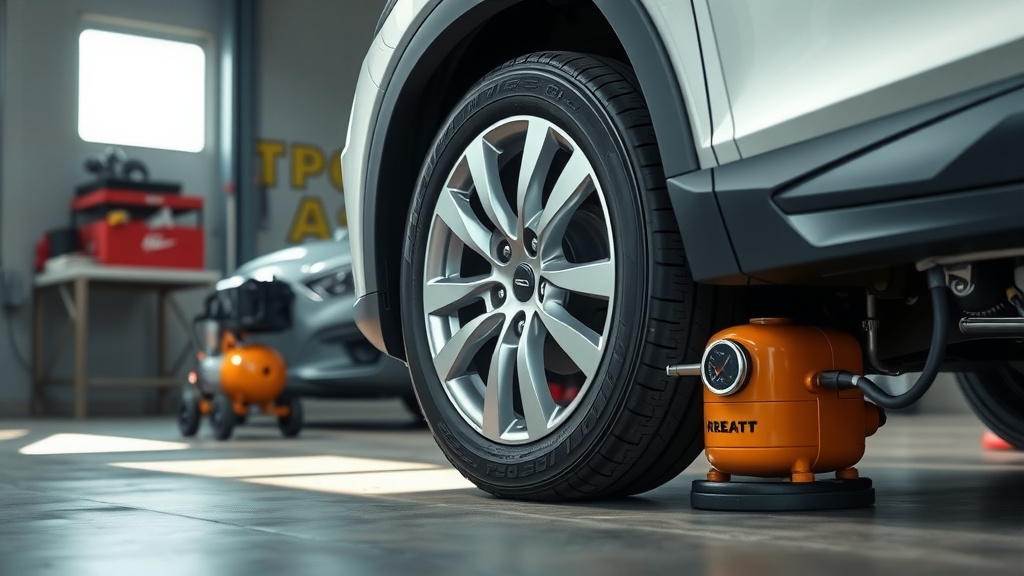
Using an air compressor for car tires means you can easily maintain proper tire pressure from your home garage or driveway, improving safety and extending tire life. This process involves checking your vehicle’s recommended PSI, connecting the compressor hose, and carefully filling each tire to the accurate level.
Properly inflating your car tires with an air compressor is a straightforward task that offers significant benefits, from better fuel economy to a safer driving experience. It’s a simple DIY skill that saves time and keeps your vehicle performing its best.
- You can inflate your car tires quickly and easily with your own air compressor.
- Always check your car’s recommended tire pressure, usually found on the door jamb.
- Connect the air hose firmly, set the compressor to the correct PSI, and monitor the gauge.
- Regular tire pressure checks help improve safety, fuel efficiency, and tire longevity.
- Avoid common errors like over-inflating or checking hot tires for the best results.
How To Use Air Compressor For Car Tires?
Using an air compressor for car tires involves finding your vehicle’s correct pressure, connecting the hose to the tire valve, and inflating until the proper PSI is reached. It’s a simple process that keeps your car safe and running well.
Why Tire Pressure Matters
Ever wonder why tire pressure is such a big deal? It’s not just about avoiding a flat. Correct tire pressure is vital for your safety on the road.
Under-inflated tires can cause your car to handle poorly, making turns feel sluggish. This also puts extra stress on the tire walls, increasing the risk of a dangerous blowout.
Beyond safety, accurate tire pressure helps you save money. We found that properly inflated tires can improve your fuel efficiency by up to 3% (U.S. Department of Energy). Who doesn’t love saving at the pump?
They also last longer! When your tires are at the right PSI, they wear evenly, meaning you won’t need to replace them as often. Think of it as a small investment that pays off big.
Finding Your Car’s PSI
Before you even think about the compressor, you need to know your target PSI. This isn’t a guessing game! You’ll find the recommended cold tire pressure on a sticker located on your driver’s side door jamb.
Sometimes, this information is also in your vehicle’s owner’s manual. Look for a diagram or a section on tire care. Don’t check the PSI written on the tire itself; that’s the maximum pressure, not the recommended operating pressure.
Choosing the Right Air Compressor
So, you’re ready to get an air compressor. But which one? There’s a surprising variety out there!
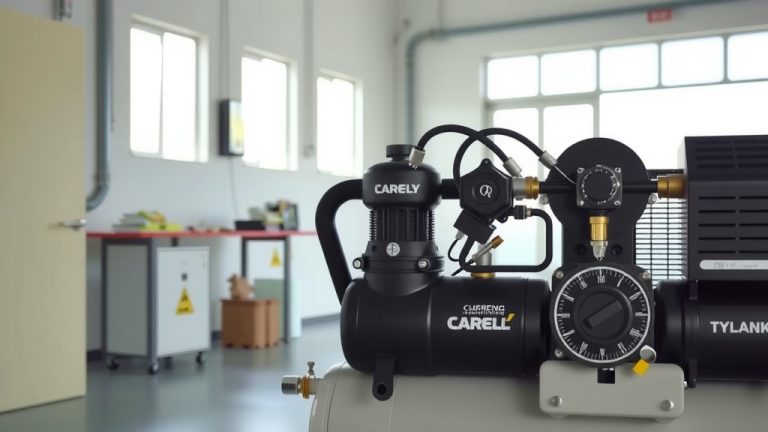
For car tires, a portable 12-volt compressor is often the most convenient choice. These plug right into your car’s cigarette lighter or 12V outlet. They are compact and easy to store in your trunk.
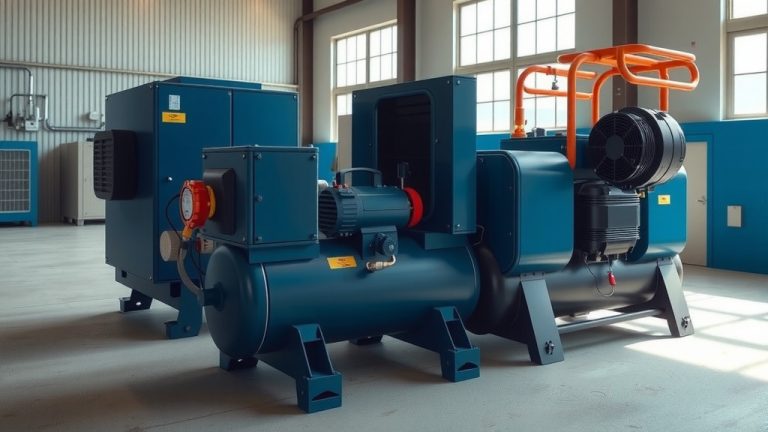
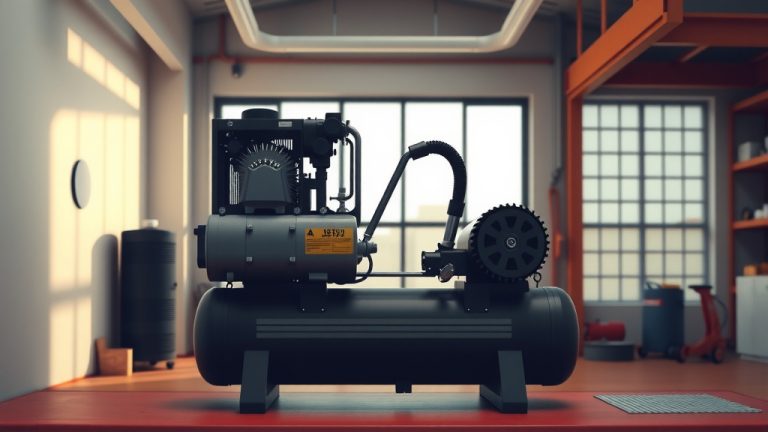
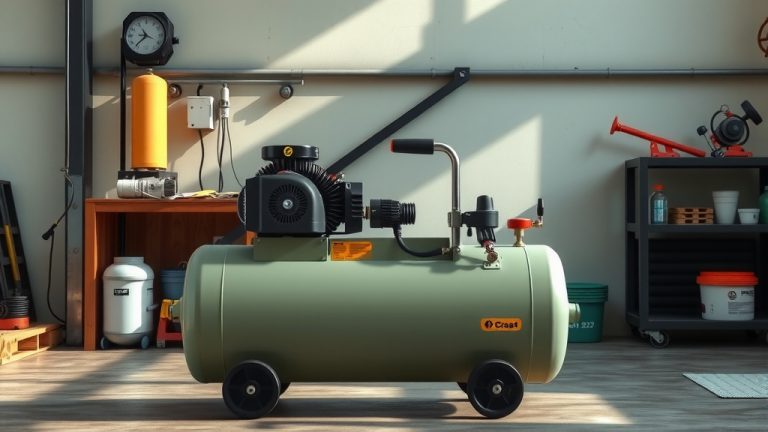
If you have a garage and other projects, a larger electric or gas-powered shop compressor might be a better fit. These offer more power and faster inflation but are less portable.
Key Features to Look For
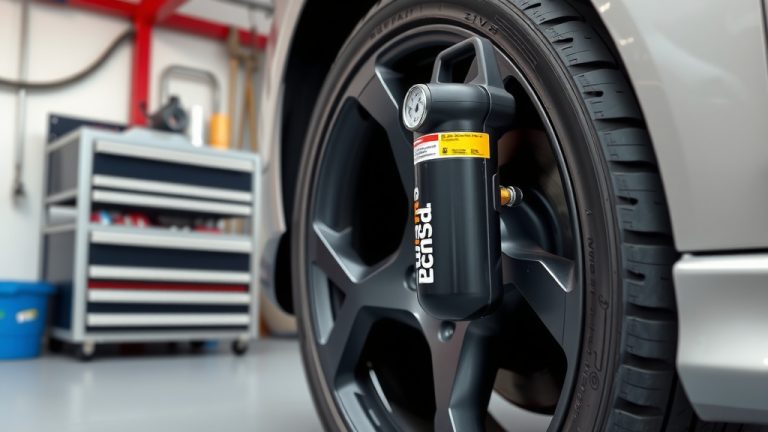
When picking a compressor, some features make life much easier. A built-in pressure gauge is a must-have. This lets you monitor the tire’s PSI as you fill it.
An auto-shutoff feature is a game-changer. It stops the compressor when your set pressure is reached, preventing over-inflation. A longer air hose is also great, allowing you to reach all tires without moving the compressor.
Safety First: Essential Preparations
Before you begin, a little prep goes a long way to ensure safety. Always park your car on a flat, level surface. This prevents any accidental rolling while you work.
Engage your parking brake. It’s a small step that adds a layer of security. We often hear from experts that a stable car is a safe car when performing maintenance (National Highway Traffic Safety Administration).
Gathering Your Tools
What do you need? Gather your chosen air compressor, a separate tire pressure gauge (for verification, if your compressor’s gauge isn’t trusted), and perhaps some work gloves. A flashlight can be handy if you’re working in dim light.
Having everything ready means you won’t be scrambling mid-task. It makes the whole process smooth and stress-free.
Step-by-Step Guide to Inflating Tires
Ready to get those tires perfectly plump? Here’s how you do it, step-by-step.
Connecting the Air Hose
First, unscrew the valve cap from the tire stem. Keep it somewhere safe; those little caps love to roll away! Then, securely attach the compressor’s air chuck to the tire valve stem. You might hear a small hiss of air; that’s normal as it locks on.
Make sure the connection is tight. A loose connection means air will escape, and you’ll struggle to get an accurate reading. Some chucks screw on, others clamp down.
Setting the Correct Pressure
Now, turn on your compressor. If it has a digital display, set your target PSI. If it’s manual, watch the gauge carefully. Many experts say to inflate in short bursts, checking the pressure frequently.
Remember your car’s recommended PSI? Inflate until you reach that number. It’s better to go a little under and add more, rather than over-inflate and have to release air.
| Vehicle Type | Typical PSI Range (Cold) | Notes |
|---|---|---|
| Sedans & Compacts | 30-35 PSI | Check door jamb for exact value. |
| SUVs & Light Trucks | 32-40 PSI | Can vary by load capacity. |
| Minivans | 32-38 PSI | Often similar to sedans, but verify. |
Monitoring and Adjusting
Once you think you’re close, turn off the compressor. Use your separate tire pressure gauge to double-check the reading. This confirms accuracy. If it’s too high, gently press the metal pin in the center of the valve stem to release some air.
If it’s still too low, repeat the inflation process. Small adjustments are key here. You’re aiming for precision, not just “close enough.”
Disconnecting Safely
When the tire reaches the correct pressure, turn off the compressor. Carefully remove the air chuck from the valve stem. A quick hiss is normal. Replace the valve cap securely. Repeat for all remaining tires.
Always disconnect gently to avoid bending or damaging the valve stem. It’s a delicate part!
When to Check Tire Pressure
The “cold” in “cold tire pressure” is important. This means your car hasn’t been driven for at least three hours, or driven less than a mile. Driving heats up the tires, increasing the air pressure inside them and giving you a false high reading.
We found that checking tire pressure at least once a month is a good habit. You should also check before long trips or if there are significant temperature changes. Cold weather can drop your PSI.
Common Mistakes to Avoid
One common mistake is over-inflating tires. Too much air reduces the tire’s contact patch with the road, affecting handling and potentially leading to uneven wear in the center of the tread.
Another common error is checking hot tires. As mentioned, this gives an inaccurate reading. Always allow tires to cool down for the most accurate measurement. Don’t rush the process; a few minutes of patience pays off.
Maintaining Your Air Compressor
Your air compressor needs a little love too! After each use, especially if it’s a larger tank-style compressor, drain any moisture from the tank. This prevents rust and extends the life of your unit.
Regularly check and clean the air filter. A dirty filter can reduce efficiency. Many manufacturers provide simple cleaning instructions in the owner’s manual.
Quick Tire Inflation Checklist
- Park car on level ground.
- Engage parking brake.
- Locate correct PSI on door jamb.
- Remove valve stem cap.
- Attach compressor hose securely.
- Inflate to recommended PSI.
- Verify pressure with a separate gauge.
- Replace valve cap.
Conclusion
Using an air compressor to maintain your car’s tire pressure is a straightforward and rewarding task. By following these simple steps, you can ensure your tires are always at their optimal PSI, which significantly boosts safety, improves fuel efficiency, and extends the life of your tires. It’s a small routine that makes a big difference in your driving experience. Take control of your tire maintenance and enjoy the peace of mind that comes with a well-kept vehicle!
How often should I check my car’s tire pressure?
It’s best to check your car’s tire pressure at least once a month, as well as before any long road trips or significant temperature changes. Always check them when the tires are “cold,” meaning the car hasn’t been driven for a few hours.
Can I use any air compressor for my car tires?
Most standard air compressors designed for vehicle use will work for car tires. Portable 12-volt models are convenient for quick top-ups, while larger shop compressors offer faster inflation. Just ensure it has a compatible air chuck and can reach your car’s required PSI.
What if I over-inflate my tires?
If you accidentally over-inflate your tires, simply release some air by gently pressing the metal pin in the center of the valve stem. Use a tire pressure gauge to bring the pressure down to your vehicle’s recommended PSI. Over-inflated tires can reduce traction and cause uneven wear.
Is it better to use nitrogen or regular air in my tires?
While nitrogen can maintain tire pressure more consistently over time because it leaks out slower than oxygen, regular compressed air is perfectly fine for most car owners. It’s readily available and much cheaper. The key is consistent monitoring and proper inflation, regardless of the gas used.
Where can I find my car’s recommended tire pressure?
You can find your car’s recommended cold tire pressure on a sticker located on the driver’s side door jamb. It’s also usually listed in your vehicle’s owner’s manual. Do not use the maximum pressure written on the tire sidewall, as this is often different from your car’s optimal operating pressure.