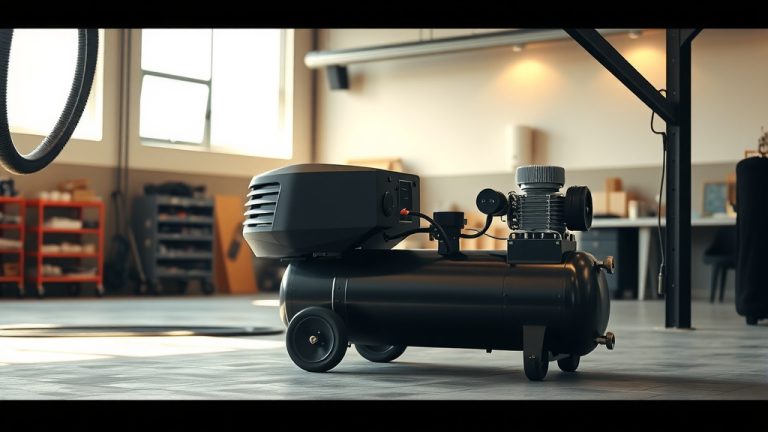
How To Use Air Compressor For Car Wash?
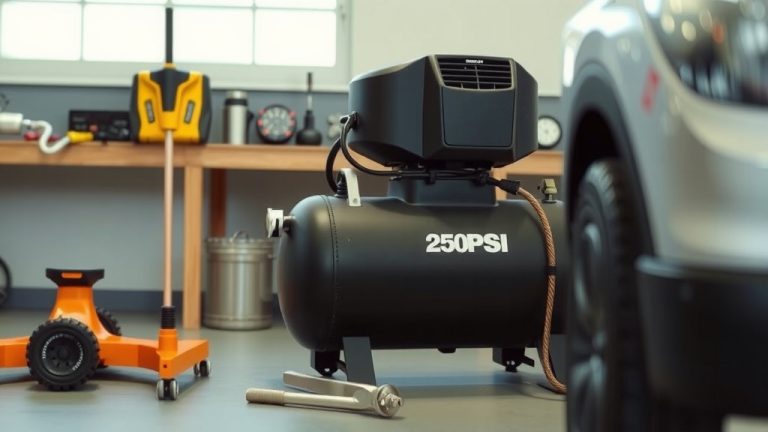
Using an air compressor for car wash involves powering various tools like foam cannons, air blowers, and specialized spray guns to achieve a deeper clean and faster drying. It effectively removes dirt, applies soap evenly, and blasts water from tight spots, giving your car a professional finish right at home.
You can use an air compressor for car wash by connecting it to a foam cannon for thick soap application, a powerful air blower for touchless drying, or even a water spray gun for targeted rinsing, making your detailing process more efficient and thorough.
To get a quick overview of using an air compressor for car washing, here’s the rundown:
- An air compressor significantly improves your car wash by powering foam cannons and drying tools.
- You’ll need specific attachments like a foam cannon, air blower, and potentially a detail gun.
- Always prioritize safety: wear eye protection and ensure proper pressure settings.
- The process involves pre-rinsing, applying foam, rinsing thoroughly, and then using the air blower for a streak-free dry.
- Regular maintenance of your compressor ensures its longevity and consistent performance.
How To Use Air Compressor For Car Wash?
Using an air compressor for car wash transforms a typical cleaning session into a professional-grade detail, allowing for superior foam application and touchless drying. It makes the entire process faster and more effective, giving your vehicle a brilliant shine.
Why Use an Air Compressor for Your Car?
Have you ever wondered how professional car washes get those incredible results? Often, an air compressor is a secret weapon behind the shine. It’s not just for inflating tires anymore!
When you introduce an air compressor into your car wash routine, you’re not just cleaning; you’re elevating the entire process. We found that using compressed air significantly reduces manual effort and improves quality.
Deeper Clean
Compressed air can reach into tiny crevices that a regular hose or sponge simply cannot. Think about your wheels, grilles, or even engine bay—areas where dirt loves to hide. An air compressor, combined with the right tools, helps to dislodge stubborn grime effectively.
Many experts say that a deep clean begins with proper preparation. The forced air helps to blast away loose dirt before any water or soap touches the surface, preventing scratches. It sets the stage for a truly immaculate finish.
Faster Drying
Drying your car can be a chore, right? And towel drying often leaves behind streaks or swirls, especially on darker vehicles. This is where an air compressor truly shines, offering a touchless drying method.
By using a powerful air blower, you can quickly and efficiently remove water from every surface. This not only speeds up the process but also eliminates water spots, giving you a spotless, streak-free result (Car Care Council).
Choosing the Right Air Compressor
Selecting the correct air compressor is key to a successful car wash experience. You wouldn’t use a toy shovel for a big digging job, right? The same goes for your compressor. Match it to the task.
We found that many beginners often choose compressors that are too small. For car washing, you’ll want something with enough power to run your tools continuously without constantly waiting for it to recharge.
CFM and PSI Ratings
CFM, or Cubic Feet per Minute, measures the air volume an compressor can deliver. PSI, Pounds per Square Inch, indicates the pressure. For car washing, aim for a compressor that can provide at least 4-6 CFM at 90 PSI.
This range ensures your foam cannons and blowers operate efficiently. If your tools require more, always defer to their specific CFM and PSI needs to get the best performance possible (Consumer Reports).
Tank Size Matters
The tank size dictates how long your compressor can run before the motor kicks in again. A larger tank means fewer interruptions. For car washing, a tank of 20-30 gallons or more is highly recommended.
Smaller tanks might work for quick bursts, but you’ll appreciate the continuous airflow from a larger tank during a full wash. It helps you keep a steady pace and avoids frustrating pauses.
| Car Wash Task | Recommended CFM @ 90 PSI | Recommended Tank Size |
|---|---|---|
| Foam Cannon Application | 4-5 CFM | 10-20 Gallons |
| Touchless Drying (Car) | 5-7 CFM | 20-30+ Gallons |
| Detail Cleaning (Small Areas) | 2-3 CFM | Up to 10 Gallons |
| Full Car Wash (Multiple Tools) | 6+ CFM | 30+ Gallons |
Essential Air Compressor Car Wash Tools
Your air compressor is the engine, but the tools are your hands. Without the right attachments, you’re not getting the most out of your setup. Let’s look at the must-have accessories for a sparkling car.
Many experts agree that a good set of air tools makes all the difference. Investing in quality accessories will not only make your job easier but also yield superior cleaning results.
The Mighty Foam Cannon
This is where the magic begins. A foam cannon attaches to your pressure washer (often powered by the compressor) and coats your car in a thick, luxurious layer of soap foam. This foam helps to lift and encapsulate dirt, making it easier to rinse off.
We found that a proper foam cannon, when fed by a consistent air supply, creates a rich lather that clings to the car’s surface, softening grime before you even touch it. It’s like giving your car a super sudsy bath.
Air Blower for Touchless Drying
This tool is indispensable for achieving a streak-free finish. An air blower directs a strong, focused stream of air to quickly remove water from your car’s surface. It’s fantastic for tight areas like mirrors and grilles.
Using an air blower minimizes physical contact with your paint, reducing the chance of swirl marks and scratches. It’s the closest you’ll get to a professional drying experience at home.
Detail Guns for Tight Spots
For those super intricate areas like wheel wells, door jambs, or even engine crevices, a detail gun with a narrow nozzle is incredibly useful. It delivers a powerful burst of air to dislodge trapped dirt and dust.
Many detailers swear by these smaller guns for their precision. They allow you to target specific, hard-to-reach areas, ensuring a thorough and complete clean that other tools might miss.
Setting Up Your Air Compressor for Washing
Getting your air compressor ready is straightforward, but it’s vital to do it correctly. Think of it as preparing a chef’s kitchen; every tool has its place and purpose. Proper setup ensures safety and efficiency.
Don’t just plug and play. Taking a few moments to set up your equipment thoughtfully can prevent headaches later on. It’s all about creating a smooth workflow for your car wash.
Safety First, Always
Before you even plug in your compressor, put on your safety gear. This means eye protection is a must. Compressed air can kick up dirt or debris, and you don’t want that in your eyes.
Also, ensure your compressor is on a stable, level surface. Check hoses for any damage or leaks. Always be aware of the pressure settings and never exceed the recommended PSI for your tools (OSHA guidelines).
Connecting Your Tools
Connecting your air tools is typically a snap with quick-connect fittings. Simply attach the desired tool—like your foam cannon or air blower—to the end of your air hose. Make sure the connection is secure and airtight.
Always verify that your air compressor is turned on and has reached its operating pressure before you begin. A consistent air supply is key for the best tool performance during your wash.
Step-by-Step Guide to Washing Your Car
Now that your equipment is ready, let’s dive into the actual washing process. Using an air compressor enhances each stage, making your car sparkle like it just rolled off the showroom floor. Follow these steps for a pristine finish.
It’s not just about spraying water; it’s a careful dance of cleaning and rinsing. Each step plays a part in getting your car truly clean. It’s a bit like baking; you follow the recipe for the best outcome.
Pre-Rinse Power
Start by rinsing your car thoroughly with water. If you have a pressure washer, use that for an initial blast. This step removes loose dirt and grime, preventing it from scratching your paint later. It’s like sweeping before you mop.
The goal is to get rid of as much surface debris as possible. A good pre-rinse sets up your foam application for maximum effectiveness.
Foam Application Fun
Connect your foam cannon to your pressure washer or air compressor setup. Fill it with your preferred car wash soap and spray it evenly over your entire vehicle. Aim for a thick, clinging foam that covers all surfaces.
Let the foam dwell for a few minutes, allowing it to break down and lift dirt. This “dwell time” is important for the soap to do its job. It’s the secret to a gentle yet powerful clean.
Rinsing Right
After the foam has done its work, rinse your car thoroughly from top to bottom. Make sure to remove all traces of soap. Any remaining soap can dry and leave behind streaks or residue.
Pay special attention to crevices and panel gaps where foam might hide. A thorough rinse is vital for a spotless final result.
The Touchless Drying Advantage
This is where your air compressor truly shines. Attach your air blower and systematically blow water off your car, starting from the top and working your way down. Focus on edges, mirrors, and trim pieces.
The powerful airflow pushes water away, leaving a dry, streak-free surface without touching the paint. This method significantly reduces the chance of water spots and micro-scratches (National Carwash Association).
Maintaining Your Air Compressor
To ensure your air compressor serves you well for many car washes to come, regular maintenance is essential. Just like your car needs oil changes, your compressor needs a little TLC. Proper care extends its lifespan and keeps it running smoothly.
Ignoring maintenance can lead to performance issues or even premature failure. A little effort now can save you a lot of hassle and expense later. It’s about being proactive, not reactive.
Drain the Tank Regularly
Compressed air creates condensation, and this moisture collects in the compressor tank. If not drained, it can lead to rust and reduce the tank’s capacity. Always drain the tank after each use or at least once a week.
Simply open the drain valve at the bottom of the tank until all moisture is expelled. This small step makes a big difference in preventing internal corrosion.
Check for Leaks
Periodically inspect your air lines, fittings, and connections for any signs of leaks. A leaking system means your compressor has to work harder, using more energy and potentially shortening its life.
You can spray a solution of soapy water on connections; if bubbles form, you have a leak. Fixing these small leaks quickly keeps your compressor operating at peak efficiency.
Here’s a quick maintenance checklist:
- Drain the tank after every use.
- Inspect hoses and fittings for damage or leaks.
- Clean or replace air filters as recommended by the manufacturer.
- Check oil levels if your compressor is an oil-lubricated model.
- Store the compressor properly in a dry, protected area.
Conclusion
Using an air compressor for car wash is a game-changer, bringing professional detailing capabilities right to your driveway. From powerful foam application to a flawless, touchless dry, it elevates every aspect of your cleaning routine. By selecting the right equipment, prioritizing safety, and following a methodical approach, you can achieve results that truly impress.
Remember, the goal is not just a clean car, but an efficient and satisfying washing experience. Embrace the power of compressed air, and you’ll find your car gleaming like never before, all thanks to your smart setup and a little elbow grease.
What size air compressor do I need for a foam cannon?
For a foam cannon to work effectively, you typically need an air compressor that can deliver at least 4-5 CFM at 90 PSI. A tank size of 10-20 gallons is usually sufficient to maintain consistent pressure during application.
Can I use an air compressor to dry my entire car?
Yes, an air compressor equipped with a high-volume air blower is excellent for drying an entire car touch-free. It helps prevent water spots and swirl marks by eliminating the need for towels. For full car drying, a compressor with 5-7 CFM and a 20-30+ gallon tank is recommended.
Are there any safety precautions when using an air compressor for car washing?
Absolutely. Always wear eye protection to guard against flying debris. Ensure your compressor is on a stable surface, and check all hoses and fittings for leaks before use. Never exceed the maximum PSI rating for your tools, and always drain the tank after use to prevent moisture buildup.
What’s the benefit of using an air compressor over a regular garden hose for car washing?
An air compressor offers several benefits over a garden hose, including powering foam cannons for a thicker, more effective soap application, providing concentrated air for deep cleaning crevices, and enabling touchless drying to prevent streaks and scratches. It simply makes the wash more thorough and efficient.
How often should I maintain my air compressor if I use it for car washing regularly?
If you use your air compressor for car washing regularly (e.g., weekly or bi-weekly), you should drain the tank after every use to prevent rust. Additionally, inspect hoses and connections for leaks monthly, and clean or replace the air filter as per the manufacturer’s recommendations, usually every 3-6 months, depending on usage.