How To Use Air Compressor On Presta Valve?
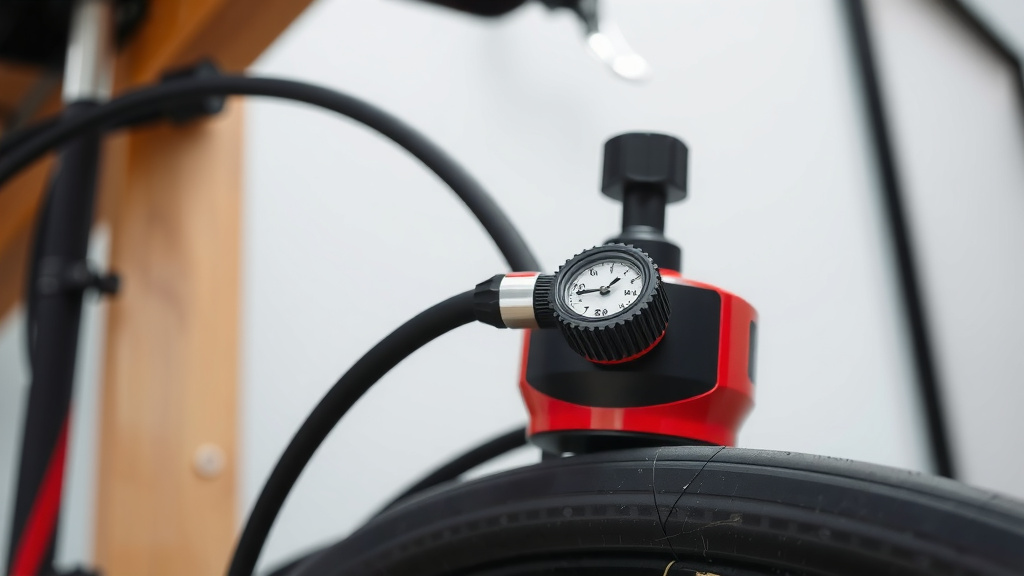
Connecting an air compressor to a Presta valve often requires a simple adapter, as most compressors come with a Schrader-compatible chuck. You screw this small adapter onto the Presta valve stem, essentially converting it to a Schrader type for inflation.
Here’s a quick rundown of what you’ll learn to get your tires inflated:
- You’ll first need to get the right Presta valve adapter.
- Then, prepare your Presta valve by opening it up.
- Connect the adapter to the valve stem securely.
- Attach your air compressor chuck to the adapter.
- Inflate your tire to the recommended pressure.
- Finally, disconnect everything carefully to avoid air loss.
How To Use Air Compressor On Presta Valve?
To use an air compressor on a Presta valve, you generally need a Presta valve adapter, which allows your compressor’s standard Schrader chuck to connect and inflate the tire.
It’s a common scenario for cyclists: you’ve got a great air compressor for your car tires, but your bike, with its slender Presta valves, seems to speak a different language. Don’t worry, you’re not alone in this. We’ve all been there, scratching our heads.
The good news? It’s much simpler than you might think. With the right tools and a bit of know-how, you’ll be topping off your bike tires with ease. Let’s get your wheels rolling!
Understanding the Presta Valve
Before we jump into inflation, let’s quickly look at what makes the Presta valve unique. You’ll find these valves on many performance bikes, especially road bikes and mountain bikes. They are slimmer and often lighter than their Schrader cousins.
We found that Presta valves are designed with a small locknut at the tip. You need to unscrew this locknut to open the valve before you can add air. This design helps prevent air from escaping accidentally, which is pretty clever, wouldn’t you say?
Presta vs. Schrader: A Quick Look
You might be wondering why there are different valve types at all. It mainly comes down to design and purpose. Schrader valves are common on car tires and many recreational bikes; they are wider and have an internal pin. Presta valves are narrower, fitting thinner rims, and you manually open and close them.
Here’s a simple table to help you see the difference:
| Feature | Presta Valve | Schrader Valve |
|---|---|---|
| Appearance | Slimmer, with a locknut | Wider, like a car tire valve |
| Sealing | Manually opened/closed | Spring-loaded, internal pin |
| Rim Hole Size | Smaller | Larger |
| Pressure Retention | Excellent, due to manual seal | Good, automatic seal |
Essential Tools for the Job
To successfully use your air compressor with a Presta valve, you’ll need one crucial item. It’s not a secret tool or anything fancy, but it makes all the difference.
The Mighty Presta Valve Adapter
This little piece of brass or plastic is your best friend here. A Presta valve adapter effectively converts your bike’s Presta valve into a Schrader valve. This allows your compressor’s standard chuck to attach easily.
You can find these adapters at any bike shop, many hardware stores, or online. They are inexpensive and incredibly useful to keep in your bike repair kit. Always have one handy!
Your Air Compressor Setup
Your existing air compressor, whether it’s a portable one or a larger garage unit, will work perfectly. Just make sure it has a functioning hose and a chuck that fits standard Schrader valves (which most do).
We’ve found that having a compressor with a built-in pressure gauge is super helpful. This lets you monitor your tire pressure as you inflate, preventing over-inflation, which can be dangerous for your tires and rims (Cycling Weekly).
Step-by-Step: Inflating Your Tire
Now, let’s walk through the process. It’s straightforward, and you’ll be a pro in no time.
1. Preparing the Valve
First, you need to open the Presta valve. Locate the small locknut at the very tip of the valve stem. Unscrew it a few turns until it’s loose. You don’t need to remove it completely.
Many experts say it’s good practice to briefly press down on the valve tip once it’s unscrewed. This releases a tiny bit of air, ensuring the valve isn’t stuck and is ready to accept air.
2. Attaching the Adapter
Take your Presta valve adapter. It usually has threads on one end. Screw this threaded end onto the Presta valve stem until it’s finger-tight. You want it secure, but don’t overtighten it.
This adapter effectively turns your slim Presta valve into a fatter Schrader valve. It’s like putting a costume on your valve, getting it ready for the compressor.
3. Connecting the Compressor
Now, take your air compressor’s chuck. Push it firmly onto the Presta valve adapter. You should feel it click into place, or if it’s a screw-on type, screw it on until it’s snug.
Make sure the connection is secure to prevent air leaks during inflation. A good, tight connection means less wasted air and a faster inflation process.
4. Monitoring Pressure
Start your air compressor. Watch your tire’s pressure gauge carefully. Inflate the tire to the recommended pressure for your bike. This pressure is typically printed on the sidewall of your tire.
It’s always better to inflate slowly and check the gauge often. Many cycling manuals suggest that over-inflation can lead to blowouts or a very harsh ride (Bicycling Magazine).
5. Disconnecting Safely
Once you reach the desired pressure, turn off your air compressor. Then, carefully disconnect the compressor chuck from the adapter. You might hear a quick hiss of air; that’s normal.
Next, unscrew the Presta valve adapter from the valve stem. Finally, remember to screw the locknut back down on the Presta valve tip. This seals the valve and prevents air from leaking out over time.
Troubleshooting Common Issues
Sometimes things don’t go perfectly the first time. Don’t get frustrated! Here are a couple of common hiccups and how to fix them.
Leaky Connections
If you hear a lot of air escaping when you’re trying to inflate, your connections might not be tight enough. Recheck the adapter’s connection to the Presta valve and the compressor chuck’s connection to the adapter.
Sometimes, the rubber seal inside your compressor chuck can wear out. If you consistently have leaks, even with tight connections, you might need a new chuck head or seal (Park Tool).
Pressure Too High/Low
Did you inflate too much? No worries. Many Presta valve adapters have a small pin you can press to release air. Or, gently press down on the Presta valve tip itself, with the locknut unscrewed, to let air out. If it’s too low, just add a little more!
Checking Your Gauge
If you suspect your pressure readings are off, it might be your gauge. We’ve found that some compressor gauges aren’t super accurate. Consider getting a separate, reliable digital pressure gauge for bikes to double-check. This offers peace of mind and precision.
Maintenance Tips for Your Presta Valves
Taking care of your Presta valves ensures they last longer and work better. It only takes a moment.
- Keep them Clean: Dirt and grit can get into the valve mechanism. A quick wipe down with a cloth after a muddy ride helps a lot.
- Check for Bends: Presta valves are thin. Be careful not to bend them when attaching or detaching pumps.
- Replace Valve Cores: Some Presta valves have removable cores. If you have a persistent leak, replacing the core can be an easy fix.
- Store Adapters Safely: Those small adapters can easily get lost. Keep yours in a small bag or attached to your compressor hose.
Conclusion
So, there you have it! Using an air compressor with a Presta valve is quite simple once you have the right adapter and follow a few straightforward steps. You’ll be inflating your bike tires quickly and efficiently, leaving more time for riding.
Remember, the key is the Presta valve adapter, preparing your valve, making secure connections, and always monitoring your tire pressure. Keep that adapter handy, and you’ll find your compressor to be a truly versatile tool for all your inflation needs. Happy cycling!
Can I use an air compressor without a Presta valve adapter?
No, generally, you cannot use a standard air compressor chuck on a Presta valve without an adapter. Most air compressor chucks are designed for Schrader valves, which are wider and have a different mechanism. The adapter “converts” the Presta valve to accept the Schrader chuck.
How do I know the correct tire pressure for my bike?
Your bike tire’s recommended pressure is almost always printed on the sidewall of the tire itself. Look for “PSI” (pounds per square inch) or “BAR” ratings. It’s often a range, and you can adjust within that range based on your weight, riding style, and terrain.
What if my Presta valve adapter keeps leaking air?
If your Presta valve adapter leaks air, first ensure it’s screwed onto the Presta valve stem tightly enough, but not overtightened. Also, check that your compressor chuck is firmly attached to the adapter. Sometimes, the rubber O-ring inside the adapter or the compressor chuck might be worn and need replacement.
Can I over-inflate my bike tires with an air compressor?
Yes, it’s very easy to over-inflate bike tires with an air compressor because they deliver air quickly. Always watch your pressure gauge closely and stop inflating as soon as you reach the recommended PSI. Over-inflation can cause tire blowouts, which are dangerous and can damage your rim.
Do all Presta valves require unscrewing the locknut before inflation?
Yes, all traditional Presta valves have a small locknut at the tip that you must unscrew a few turns to open the valve before you can inflate the tire. After inflation, you must screw the locknut back down to seal the valve and prevent air loss.