How To Use Air Compressor To Fill Tires?
You can easily use an air compressor to fill tires by connecting the air chuck to the tire valve stem, checking the current pressure with a gauge, and then inflating in short bursts until you reach the manufacturer’s recommended PSI.
Always refer to your vehicle’s sticker (often found on the driver’s side door jamb) for the correct tire pressure before you begin to fill tires, ensuring safe and efficient driving.
- Get your air compressor, tire gauge, and a suitable air chuck ready.
- Locate your vehicle’s recommended tire pressure (PSI) on the door jamb sticker.
- Connect the air chuck firmly to the tire valve stem.
- Inflate tires gradually, checking the pressure frequently.
- Never over-inflate; stop at the correct PSI for safety and tire longevity.
How To Use Air Compressor To Fill Tires?
Using an air compressor to fill your tires is a straightforward process that everyone can master. It ensures your vehicle runs safely and efficiently, saving you money in the long run.
Why Proper Tire Pressure Matters So Much
Think of your tires as the foundation of your vehicle. Correct tire pressure isn’t just a suggestion; it’s a big deal for safety and performance. Many experts point out that under-inflated tires can lead to poor handling, increased stopping distances, and even tire blowouts (National Highway Traffic Safety Administration).
Beyond safety, maintaining proper pressure also impacts your wallet. We found that correctly inflated tires can significantly improve fuel efficiency, sometimes by as much as 3% (Department of Energy). They also help your tires wear evenly, extending their lifespan and delaying costly replacements. It’s like giving your car a little bonus every time you check them!
Choosing the Right Air Compressor for Tires
Before you get started, you’ll need the right tool for the job. Air compressors come in various shapes and sizes, each with its own perks. Which one is best for you?
Portable Air Compressors: Your On-the-Go Buddy
These smaller units are incredibly convenient. They often plug into your car’s 12V outlet, making them perfect for roadside emergencies or quick top-ups in your driveway. They’re usually light, compact, and easy to store, ready for action whenever you need them.
Stationary Air Compressors: The Garage Powerhouse
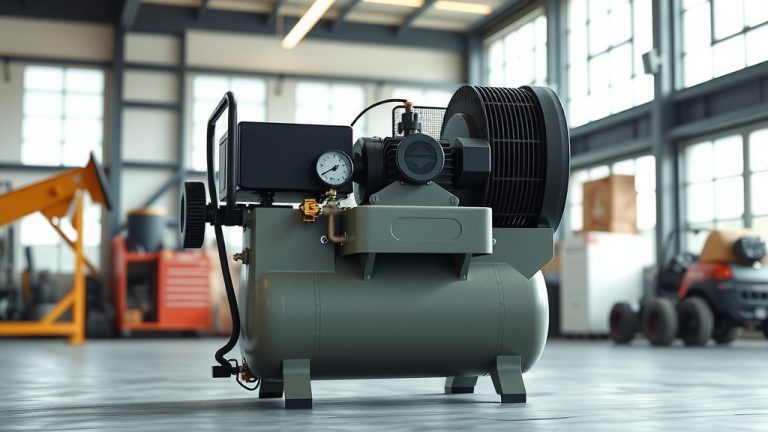
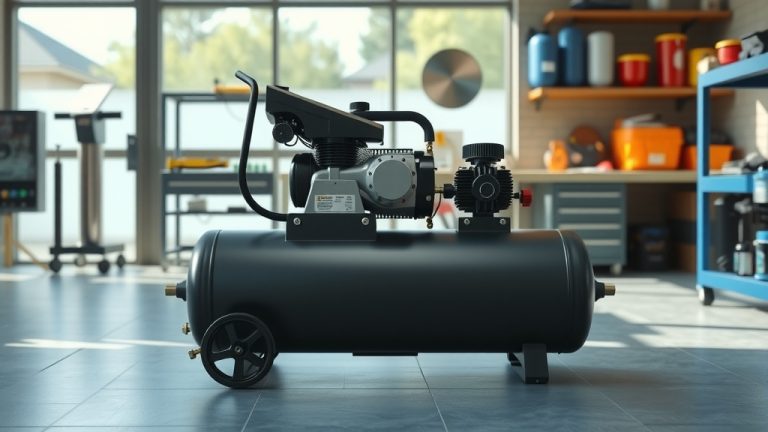
If you have a garage and other air tools, a larger, stationary air compressor might be your go-to. These models offer higher air volume and pressure, ideal for inflating larger truck tires or multiple vehicle tires. They might take up more space, but they’re built for consistent, heavy-duty use.
Essential Tools You’ll Need
Having the right gear makes the job smoother and safer. Here’s your toolkit:
- Air Compressor: Your primary tool, obviously!
- Tire Pressure Gauge: An accurate gauge is non-negotiable. Many digital gauges are easy to read.
- Air Hose with Chuck: This connects your compressor to the tire valve. Make sure it seals well.
- Safety Glasses: A small but important detail to protect your eyes from debris or air bursts.
Pre-Flight Check: Before You Start
Preparation is key to a successful tire inflation. Don’t just jump straight in; take a moment to confirm a few things.
First, find the recommended tire pressure (PSI) for your vehicle. This information is typically on a sticker inside your driver’s side door jamb. You might also find it in your owner’s manual. Remember, the PSI listed on the tire itself is its maximum pressure, not necessarily the recommended operating pressure for your car (Tire Industry Association).
Next, visually inspect your tires. Are there any obvious punctures, bulges, or cracks? Addressing these issues before inflating can prevent further problems. Always check tire pressure when tires are “cold” – meaning the car hasn’t been driven for at least three hours.
Step-by-Step Guide: Filling Your Tires
Now for the fun part! This process is quite simple once you’ve done it a couple of times. You’ll feel like a pro.
Connect the Compressor
Position your air compressor near the tire. If it’s an electric model, plug it in. If it’s gas-powered, start the engine. Remove the small cap from the tire valve stem. Push the air chuck firmly onto the valve stem until you hear a hiss, then adjust slightly until the hissing stops, indicating a good seal.
Check Current Pressure
Even if your compressor has a gauge, it’s often best to use a separate, reliable tire gauge. Insert your gauge onto the valve stem to get an initial reading. Compare this to your vehicle’s recommended PSI. You’ll know how much air you need to add.
Inflate in Short Bursts
Begin adding air by pressing the trigger on your air chuck or turning on the compressor valve. Don’t just blast away! Inflate in short bursts of 5-10 seconds. This method helps you avoid over-inflating and gives the compressor a moment to catch up.
Recheck and Adjust
After each burst, remove the air chuck briefly and recheck the pressure with your separate gauge. If you’ve gone a little over, don’t worry! Most air chucks have a small lever or button to release air. Slowly let air out until you reach the correct PSI. Repeat this process for all your tires, including your spare if you have one.
| Vehicle Type | Typical PSI Range | When to Check |
|---|---|---|
| Passenger Car | 30-35 PSI | Once a month & before long trips |
| Light Truck/SUV | 35-45 PSI | Once a month & before long trips |
| Bicycle (Road) | 80-120 PSI | Before every ride |
| Bicycle (Mountain) | 25-50 PSI | Before every ride |
Safety First: Important Reminders
While filling tires is easy, safety should always be your top priority. Over-inflation can make your tires more susceptible to damage from potholes and can lead to a less comfortable ride. It can even be dangerous, increasing the risk of a tire blowing out. Always stick to the manufacturer’s recommended PSI.
Avoid inflating tires that are hot from recent driving. Heat causes air to expand, so a reading on a hot tire won’t be as accurate. Also, consider wearing hearing protection if you’re using a particularly loud air compressor for extended periods. We found that prolonged exposure to loud noises can affect your hearing (OSHA).
Your Tire Inflation Quick Guide
- Locate your car’s recommended PSI.
- Inspect tires for visible damage.
- Connect air chuck firmly to the valve stem.
- Inflate tires in short, controlled bursts.
- Check pressure with a reliable gauge frequently.
- Adjust air until the exact PSI is reached.
When to Seek Professional Help
Most minor tire pressure issues are easily handled at home. However, some situations call for a mechanic. If your tire consistently loses air quickly, even after inflation, you likely have a slow leak. Sidewall damage, deep punctures, or visible bulges also warrant immediate professional inspection. Don’t try to patch severe damage yourself; it’s just not worth the risk.
Conclusion
Learning how to use an air compressor to fill tires is a practical skill that provides numerous benefits. It’s a simple task that saves you money on fuel and tire replacements, while greatly enhancing your safety on the road. By following these straightforward steps, you can confidently maintain your tires, ensuring a smoother, safer journey every time you drive. Keep those tires happy, and they’ll take good care of you!
How often should I check my tire pressure?
Many vehicle manufacturers and tire experts suggest checking your tire pressure at least once a month, as well as before any long road trips. Temperature changes can also affect tire pressure, so it’s good practice to check more frequently during seasonal shifts.
Can I use any air compressor to fill my car tires?
Generally, yes, as long as the compressor can produce enough pressure (PSI) to meet your tire’s requirements. Portable 12V compressors are usually sufficient for car tires, while larger shop compressors can handle them with ease. The main difference is speed and capacity.
What if my tires are slightly over-inflated?
If you slightly over-inflate your tires, it’s best to release the excess air until they reach the recommended PSI. Over-inflated tires can lead to a harsher ride, reduced traction, and uneven tire wear, making them more vulnerable to impact damage. You can typically release air by pressing a small pin inside the valve stem or using the release lever on your air chuck.
Is it safe to fill a completely flat tire with an air compressor?
You can use an air compressor to fill a completely flat tire, but it’s crucial to first inspect the tire for any damage. If the tire is flat due to a severe puncture or sidewall damage, inflating it might be dangerous or futile. For significant damage, it’s safer to use a spare tire or call roadside assistance.
Why do my tires lose air even when there’s no visible puncture?
Tires naturally lose a small amount of air over time, usually about 1-2 PSI per month, due to permeation through the rubber. Small leaks can also occur around the valve stem, from corrosion on the wheel rim, or tiny, hard-to-spot punctures. If you’re losing air faster than that, a professional inspection is recommended to find the source.