How To Use Black & Decker Air Compressor?
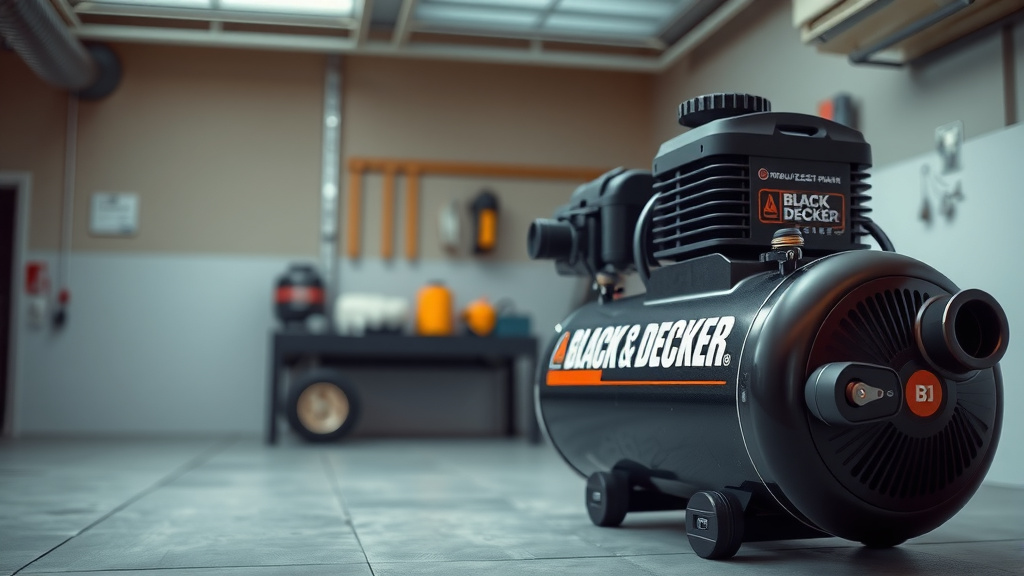
To use a Black & Decker air compressor, first ensure it’s on a stable, level surface, then connect your desired air tool to the hose. Always refer to your specific model’s manual for detailed operating instructions and safety precautions.
You can use your Black & Decker air compressor for many tasks, including inflating tires, powering nail guns, and clearing debris, by adjusting the pressure and selecting the correct accessories.
Here’s the quick rundown for using your Black & Decker air compressor:
- Before anything, read your manual and understand safety.
- Set it up securely in a well-ventilated area.
- Connect your air tool and adjust the pressure (PSI) to match the job.
- Always wear eye protection and follow tool-specific guidelines.
- Regular checks and basic maintenance will keep it running smoothly.
Got a new Black & Decker air compressor, or just curious about these handy machines? You’re in the right place. An air compressor can transform many projects around your home and garage. It saves time, making tasks from inflating a flat tire to powering tools much easier.
Many people wonder about getting started. We understand it might seem a bit much at first glance. Don’t worry; it’s simpler than you think. This guide will walk you through everything you need to know, step by step.
We believe that understanding your tools makes every job easier and safer. Black & Decker models are often user-friendly, which is a great start. So, let’s get that compressor humming!
How To Use Black & Decker Air Compressor?
Using your Black & Decker air compressor involves proper setup, connecting the right tools, and adjusting pressure according to your task. Always prioritize safety gear and consult your model’s manual for specific operational details.
Understanding Your Compressor: Safety and Parts
Before you dive into any project, it’s smart to get familiar with your compressor. Knowing its parts and how they function helps you use it safely and effectively. We found that a little knowledge here goes a long way. Each Black & Decker model might have slight differences, but the core principles remain.
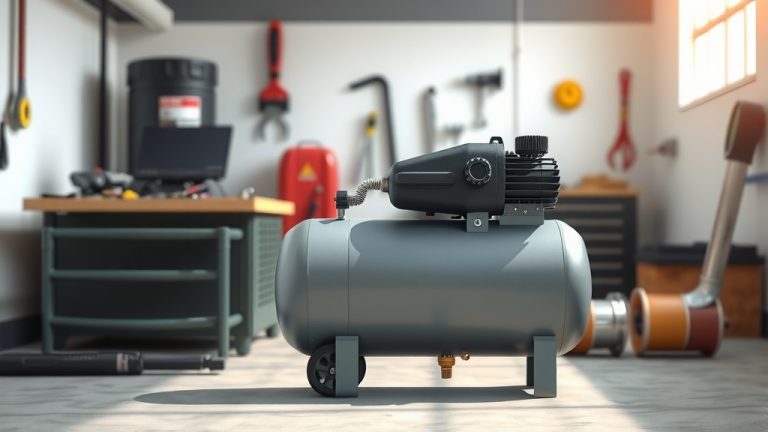
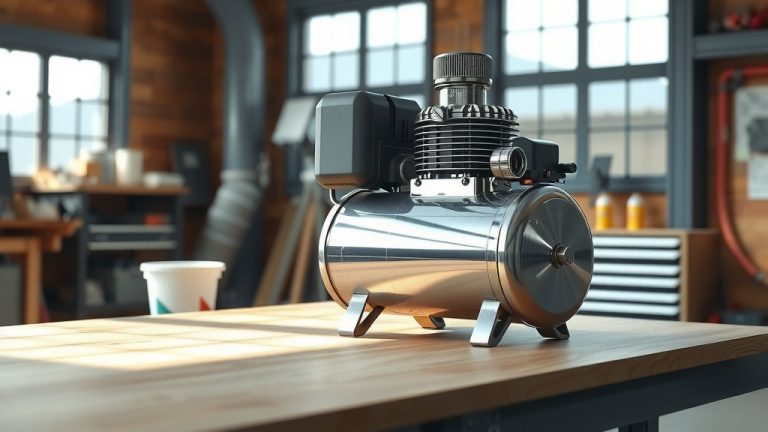
Think of your compressor as a powerhouse for pneumatic tools. It takes in air, compresses it, and stores it under pressure. This stored air then powers various attachments. You’ll interact with the air tank, motor/pump, pressure gauge, regulator, air outlet, and drain valve.
Your Essential Safety Checklist
Your safety is paramount whenever you operate power tools. Air compressors involve high pressure and moving parts. Many experts agree that proper safety precautions prevent accidents (OSHA guidelines). Here’s a quick checklist:
- Read the Owner’s Manual: Every model is unique.
- Wear Eye Protection: Safety glasses are a must for every task.
- Use Hearing Protection: Compressors can be noisy.
- Ensure Proper Ventilation: Operate in an open area.
- Check Hoses and Connections: Look for damage before use.
- Keep Children and Pets Away: Maintain a safe distance.
Setting Up and Connecting Your Tools
Setting up your compressor properly is the foundation for a successful and safe project. Don’t rush this part. A few minutes spent here saves potential headaches later. We found that a good setup makes all the difference.
Placement and Power Connection
Finding the right spot is key. Your compressor needs a stable, level surface. This prevents tipping and ensures proper operation. Also, ensure it’s in a clean, dry, and well-ventilated area. Avoid dusty or damp environments, as these can affect performance and longevity.
First, make sure the compressor’s switch is “off.” Then, plug it into a suitable power outlet. Most Black & Decker compressors use a standard household outlet. Check your manual for specific electrical needs. Switch it on; the motor will run, filling the tank until it reaches maximum pressure, then shut off. This is normal.
Hose and Tool Attachment
Now for the exciting part: hooking up your tools! This is where your compressor truly comes to life. Getting the right connection ensures efficiency and safety. Your air hose is the lifeline between your compressor and tools. Select a hose long enough but not excessively long, as this can cause pressure drops. Ensure the hose has the correct fittings to match your compressor and tools. Many experts recommend durable, flexible hoses for general use.
Connecting a tool is usually straightforward. Ensure the compressor is off or pressure regulated down. Push the male fitting of your tool into the female quick-connect coupler on the hose. You’ll hear a click when secure. Always give it a gentle tug to confirm it’s firmly attached before starting work.
Operating for Different Tasks
Once everything is connected, you’re ready to operate. Knowing how to adjust pressure is key to using your Black & Decker air compressor effectively for various jobs. It’s like knowing how to change gears on a bike – different speeds for different terrains.
Adjusting Pressure (PSI)
Different tasks require different air pressures (PSI). Your compressor has a regulator knob to control output pressure. Always check the pressure requirements of your specific air tool or item you’re inflating. Too much pressure can damage delicate items or tools, while too little will make them ineffective. Many tool manufacturers provide specific PSI ranges for optimal performance.
Here’s a general guide for common tasks:
| Task | Recommended PSI Range |
|---|---|
| Inflating car tires | 30-35 PSI (Check tire sidewall) |
| Inflating bicycle tires | 40-80 PSI (Check tire sidewall) |
| Nail guns/Staplers | 70-120 PSI (Check tool manual) |
| Air blow guns | 30-50 PSI (For cleaning) |
Monitoring During Use
As you work, keep an eye on the pressure gauge. This gauge tells you the current air pressure in the tank or the regulated output. The compressor will cycle on and off to maintain pressure as you use it. This cycling is completely normal. If pressure drops too low, the compressor will kick back on to refill the tank.
Maintenance and Troubleshooting Tips
Even reliable tools need a little care and occasional troubleshooting. Don’t panic if something seems off; many issues have simple solutions. We often find that a quick check can resolve most minor problems.
Handling Pressure Issues
If your tool isn’t getting enough air, first check your air hose for kinks or leaks. A damaged hose can cause significant pressure loss. Next, ensure your regulator is set to the correct PSI. Sometimes, if using a very air-hungry tool, the compressor might struggle to keep up; you might need to pause. Research shows that proper hose size and condition greatly impact air tool performance (Pneumatics Handbook).
Essential Care for Longevity
A little maintenance goes a long way in extending your compressor’s life. Here are a few quick tips:
- Drain the Tank Regularly: Water accumulates from condensation. Draining prevents rust.
- Clean the Air Filter: A clogged filter reduces efficiency. Check and clean as per your manual.
- Inspect Hoses and Fittings: Look for cracks or wear. Replace damaged parts promptly.
- Store Properly: Keep your compressor in a dry, protected area when not in use.
Conclusion
Using your Black & Decker air compressor is a straightforward process once you understand the basics. From initial setup and safety checks to connecting tools and performing routine maintenance, you now have a solid roadmap. Remember, patient learning and careful operation will make your projects smoother and safer.
We hope this guide has empowered you to confidently tackle your next project. Your Black & Decker compressor is a reliable partner, and with proper care, it will serve you well for years to come. Now go forth and conquer those tasks!
Frequently Asked Questions
Do Black & Decker air compressors need oil?
Most modern Black & Decker air compressors are designed to be oil-free, meaning they do not require oil for lubrication. Always check your specific model’s manual to confirm if yours is an oil-free or oil-lubricated unit.
How do I release air from my Black & Decker air compressor?
To release air, you can either activate an air tool until the tank empties, or you can slowly open the drain valve located at the bottom of the air tank. The drain valve is also used to remove condensation.
Can I use an extension cord with my air compressor?
While possible, it’s generally best to plug your air compressor directly into a wall outlet. If you must use an extension cord, ensure it is a heavy-duty, outdoor-rated cord with the correct gauge (often 12-gauge or thicker for longer cords) to prevent voltage drop and overheating.
How do I know what PSI to use for my tires?
For car tires, the recommended PSI is usually listed on a sticker inside your car’s driver-side door jamb, or in your vehicle’s owner manual. For bicycle tires and sports equipment, the PSI is typically printed on the sidewall of the item itself.
What kind of maintenance does a Black & Decker air compressor need?
Regular maintenance for most Black & Decker compressors includes draining condensation from the air tank after each use, inspecting hoses and fittings for damage, and occasionally cleaning or replacing the air filter. If your model is oil-lubricated, checking and changing the oil would also be necessary.