How To Use Campbell Hausfeld Air Compressor?
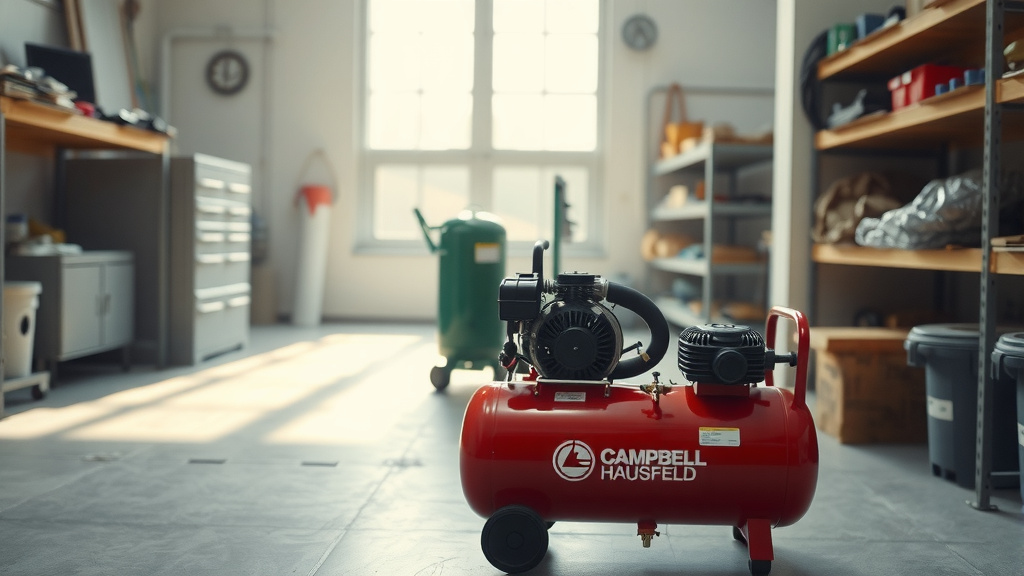
Using a Campbell Hausfeld air compressor involves understanding its parts, following safety protocols, and connecting your tools correctly. You will fill the tank with compressed air, regulate the output pressure, and then power various air-driven devices.
Proper use of your Campbell Hausfeld air compressor ensures efficiency for tasks like tire inflation, nailing, or painting, while also extending the machine’s lifespan with simple, regular maintenance steps.
- Get started with your Campbell Hausfeld air compressor by checking safety, then power it up.
- Connect your air tools using quick couplers and set the pressure with the regulator.
- Use the compressor for many jobs, like inflating tires or driving nails into wood.
- Remember to drain the tank and check filters for routine, simple maintenance.
- Always power down the unit correctly and store it in a dry, safe place after use.
How To Use Campbell Hausfeld Air Compressor?
To use your Campbell Hausfeld air compressor, you first connect it to power, then attach your chosen air tool to the hose. Next, you turn it on, allow the tank to fill with compressed air, and finally adjust the pressure to match your tool’s requirements. This straightforward process lets you tackle many projects with ease.
Understanding Your Air Compressor
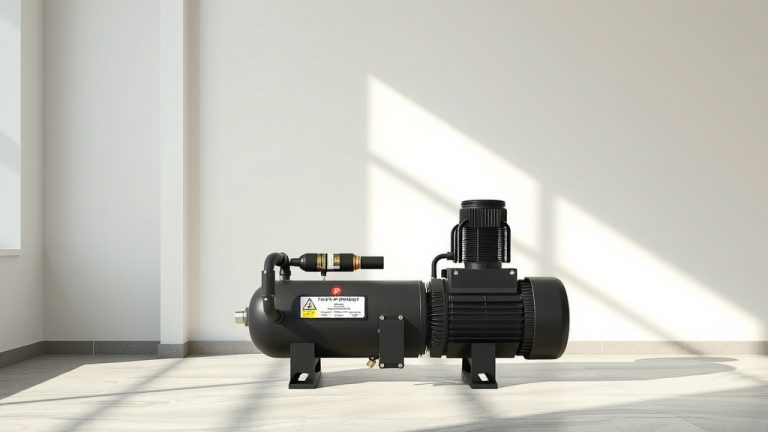
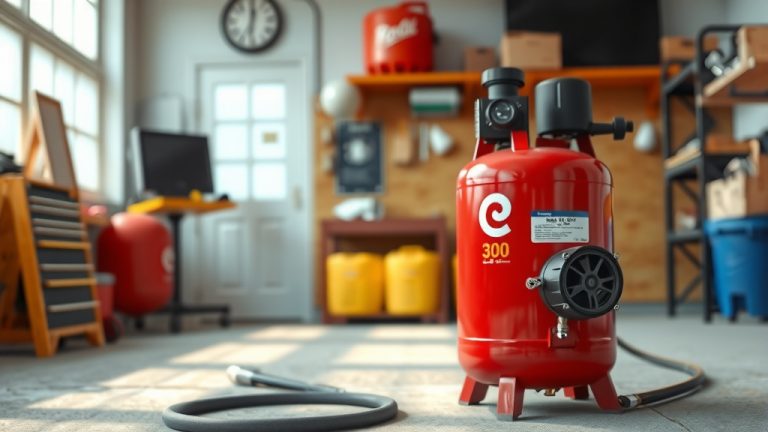
Imagine your air compressor as a muscular friend ready to help with tasks around your home or workshop. Campbell Hausfeld models are known for being dependable and easy to use for many people. They store air under pressure, releasing it on demand for your tools. We found that understanding your model’s basic parts, like the tank, motor, and gauges, makes using it much simpler.
Safety First: Always!
Before you even think about plugging in your compressor, safety must be your top priority. You are working with high pressure, so being careful prevents accidents. Many experts say you should always wear safety glasses to protect your eyes (OSHA guidelines often emphasize this). Always operate your compressor in a well-ventilated area. Make sure your air hoses are in good condition, without any cracks or leaks.
Here’s a quick checklist to follow before each use:
- Always wear proper eye protection.
- Check your work area for good airflow.
- Inspect air hoses for any signs of wear.
- Ensure all connections are tight and secure.
- Keep children and pets away from the compressor.
- Read your compressor’s specific owner’s manual.
Initial Setup Steps
Okay, safety checks done? Great! Now, let’s get your compressor ready to work. Find a stable, level surface for your compressor to sit on. Plug the power cord directly into a grounded outlet; avoid extension cords if possible, especially long ones, as they can reduce power. Next, connect your air hose to the compressor’s air outlet. This usually twists on or uses a quick-connect fitting.
Connecting Your Air Hose and Tools
Most Campbell Hausfeld compressors come with or are compatible with standard quick-connect couplers. These are like a handshake for your tools and hose! Simply pull back the collar on the coupler, insert your tool’s plug, and then release the collar. You’ll hear a satisfying click when it’s locked securely in place. Give it a gentle tug to make sure it won’t come loose during use.
Operating Your Compressor
With everything connected and secure, it’s time to bring your compressor to life. Flip the “On/Off” switch to the “On” position. You’ll hear the motor kick in, starting to fill the air tank. The pressure gauge will slowly rise as the tank fills with air. Once it reaches its maximum pressure, the motor will automatically shut off. This is perfectly normal; it’s designed to maintain pressure.
Setting the Right Pressure (PSI)
Each air tool needs a specific amount of air pressure to work correctly. Too much, and you risk damage; too little, and the tool won’t perform. Look at your tool’s manual for its recommended PSI. Adjust the compressor’s regulator knob, usually found near the main pressure gauge. Turn it clockwise to increase pressure or counter-clockwise to decrease it. Keep an eye on the output pressure gauge as you adjust.
Common Uses for Your Campbell Hausfeld
Your Campbell Hausfeld air compressor is a truly versatile machine, ready for many different tasks. You might start with something simple, like inflating your car tires or bicycle tires. But it can also power much more! Think about tasks like operating nail guns for construction, or perhaps even using a paint sprayer for a fresh new look. It really opens up a world of project possibilities.
Here’s a quick look at common tools and their typical pressure needs:
| Tool Type | Typical PSI Range | Common Application |
|---|---|---|
| Tire Inflator | 25-100 PSI | Car, bike, sports equipment |
| Nail Gun | 70-120 PSI | Framing, trim, finishing |
| Blow Gun | 20-50 PSI | Dusting, cleaning surfaces |
| Paint Sprayer | 40-90 PSI | Furniture, walls, fences |
Maintenance for Longevity
Think of maintenance as giving your compressor a health check-up. Just like you might stretch before a workout, your compressor needs regular care. The most important task? Draining the tank! As air is compressed, moisture forms inside the tank. If left alone, this moisture can cause rust and damage the tank. You should drain it after every use. Look for a drain valve at the bottom of the tank.
Checking Air Filters and Oil Levels
Your air filter keeps dust and debris out of the compressor’s motor. Check it regularly and clean or replace it as needed, depending on how often you use it. If your Campbell Hausfeld is an oil-lubricated model, you’ll also need to monitor the oil level. Use the dipstick, similar to how you check your car’s oil, and top it off with the correct type of oil when necessary (consult your manual for oil specifications). We found that simple care steps like these make a big difference.
Troubleshooting Common Issues
Sometimes, things don’t go exactly as planned, and that’s okay. If your compressor loses pressure, first check all your hose connections for leaks. A hissing sound usually points to a loose fitting or a damaged hose. If the compressor isn’t starting, ensure it’s plugged in firmly and the power switch is “On.” Also, check the circuit breaker; sometimes it trips if the motor pulls too much power. Many experts suggest reviewing your manual’s troubleshooting section first for specific solutions to common problems.
When to Power Down
When you’re finished with your tasks, it’s time to power down your compressor properly. Turn the “On/Off” switch to “Off.” Then, open the drain valve to release any remaining air pressure from the tank. This step helps to relieve pressure on the system and also lets you drain any moisture. Detach your air tools and store them away. Always store your compressor in a clean, dry place to protect it from elements and damage. You’ve done a great job taking care of your equipment!
Conclusion
Using your Campbell Hausfeld air compressor might seem a bit daunting at first, but with a clear understanding of its functions and a commitment to basic safety and maintenance, it becomes a simple, powerful tool. You’ve learned how to set it up, operate it safely, connect various tools, and even keep it running smoothly for years to come. By following these practical steps, you’re well-equipped to get the most out of your compressor, making your projects easier and more efficient. So go ahead, plug it in, and let your Campbell Hausfeld help you conquer your next task!
What is the ideal pressure for inflating car tires with a Campbell Hausfeld compressor?
The ideal pressure for car tires typically falls between 30-35 PSI, but you should always check the specific recommendation on your car’s tire sidewall or in the owner’s manual. Your compressor’s regulator helps you set this precisely.
How often should I drain the air tank on my Campbell Hausfeld air compressor?
You should drain the air tank on your Campbell Hausfeld air compressor after every single use. This prevents moisture buildup, which can lead to rust and significantly shorten the lifespan of your unit.
Can I use an extension cord with my air compressor?
It’s generally not recommended to use an extension cord with an air compressor. If you must use one, ensure it is a heavy-duty, outdoor-rated cord with the correct gauge (lower gauge number means thicker wire) and as short as possible to prevent voltage drop and overheating.
What kind of maintenance does an oil-free Campbell Hausfeld compressor require?
Oil-free Campbell Hausfeld compressors still require regular maintenance, primarily draining the air tank after each use and checking/cleaning the air filter. You won’t need to worry about oil changes or checking oil levels, simplifying care.
My air compressor runs constantly and doesn’t shut off; what could be wrong?
If your compressor runs constantly, it might be struggling to reach its maximum pressure, possibly due to an air leak in the tank, hose, or fittings. It could also indicate an issue with the pressure switch. Check for audible leaks first, then consult your manual or a professional.