How To Use CAT Air Compressor?
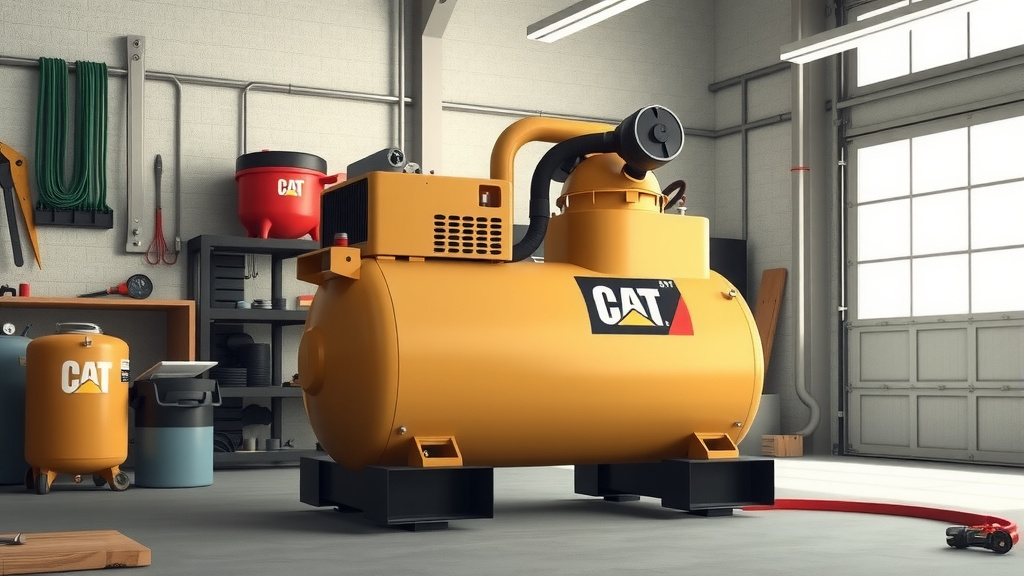
Using a CAT Air Compressor involves a straightforward process of proper setup, safe operation, and routine maintenance to ensure reliable performance. You will first connect your chosen air tool, then power on the unit, and regulate the pressure for your specific task.
To operate a CAT Air Compressor, always start by checking the oil and air filter, connecting the air hose securely, and setting the correct PSI for your application before turning it on. Proper handling and regular checks are key to extending the life of your CAT Air Compressor.
- Get started with your CAT air compressor by checking essential fluids and connections.
- Understand your compressor’s controls to adjust pressure and manage airflow.
- Prioritize safety by wearing protective gear and working in a ventilated area.
- Regularly perform basic maintenance, such as draining condensation and checking filters.
- Use the right air tools and settings for each job to avoid damage or inefficient work.
How To Use CAT Air Compressor?
Using a CAT air compressor means understanding its fundamental parts, ensuring safe practices, and following simple operating steps. You will find these powerful machines straightforward once you grasp the basics.
Safety First: Your Top Priority
Before you even think about plugging in your CAT air compressor, remember that safety comes first. These machines generate considerable power and pressure. We found that personal protective equipment (PPE) is non-negotiable (OSHA guidelines).
Always wear safety glasses to protect your eyes from flying debris. Hearing protection, like earmuffs or earplugs, is also a smart choice. Air compressors can be noisy, and prolonged exposure might harm your hearing, so don’t skip these simple precautions.
Choosing the Right Location
Where you place your compressor matters a lot. You want a level, stable surface, free from obstructions. Good ventilation is also a must; the compressor needs to breathe to prevent overheating.
Avoid damp or dusty environments if you can. Moisture can damage electrical components, and excessive dust can clog air filters quickly. Think of it like giving your compressor fresh air to work efficiently.
Familiarizing Yourself with Your CAT Compressor
Before any operation, take a moment to look at your CAT air compressor. Can you identify the pressure gauge, air outlet, and drain valve? Knowing these components will make your tasks much easier.
Most CAT compressors have a pressure regulator. This dial lets you adjust the air output pressure for different tools. Getting familiar with how to adjust this regulator is a good idea right from the start.
Setting Up Your CAT Air Compressor
Ready to get started? First, ensure the power switch is in the “off” position. Now, connect your air hose to the air outlet using a quick-connect coupler. Give it a gentle tug to confirm it’s snugly in place.
Next, plug the power cord into a properly grounded electrical outlet. Many experts say to avoid extension cords if possible. If you must use one, ensure it’s a heavy-duty, outdoor-rated cord suitable for the compressor’s amperage.
Checking Pre-Operation Essentials
Before powering on, always check the oil level if your model is oil-lubricated. Many compressors have a dipstick or sight glass for this. Top it off if needed, using the manufacturer-recommended oil type.
Also, make sure the tank drain valve is closed. This valve, usually at the bottom of the tank, is for draining condensation. We found that forgetting to close it means your compressor will never build pressure.
Operating Your CAT Air Compressor
With everything checked, you can now flip the power switch to “on.” The compressor will start to build pressure. You’ll hear it running, and the pressure gauge will show the tank filling up. It will automatically shut off once it reaches its maximum pressure.
Once the tank is full, attach your air tool to the other end of the air hose. Then, adjust the pressure regulator to the recommended PSI for your specific tool. Too much pressure can damage tools, and too little will make them ineffective.
Using Air Tools Safely
When operating any air tool, always hold it firmly. Be mindful of where the air exhaust is directed; it can kick up dust or debris. Always keep bystanders, especially children, at a safe distance from your work area.
Are you done with your task? Great! Turn off the compressor, disconnect the air tool, and then bleed the remaining air from the hose. This helps prevent accidental tool activation and reduces strain on the hose. Think of it as giving everything a rest.
Maintaining Your CAT Air Compressor
Regular maintenance is like giving your car an oil change – it keeps things running smoothly. One of the simplest yet most important tasks is draining the condensation from the tank. Water inside the tank can cause rust, which is bad news for its lifespan.
Many experts suggest draining the tank daily or after each use. Simply open the drain valve (with the compressor off and depressurized) and let the water flow out. You’ll often see a mix of water and oil, so have a bucket ready.
Air Filter Checks
The air filter is the compressor’s lung. It keeps dust and debris from entering the pump. We found that a clogged filter reduces efficiency and can damage the compressor over time. Check it regularly and clean or replace it as needed (manufacturer guidelines often recommend every few months or so).
Oil Level Management (for oil-lubricated models)
If your CAT compressor uses oil, checking and changing it regularly is vital. Just like your car engine, the oil lubricates moving parts and dissipates heat. Consult your manual for the correct oil type and change intervals.
Troubleshooting Common Issues
Sometimes, things don’t go as planned. If your compressor isn’t building pressure, first check the tank drain valve. Is it fully closed? Another common culprit is an air leak in the hose or connections. You can often hear a hissing sound if there’s a leak.
If the motor runs but the pressure doesn’t build, the check valve might be stuck. This valve prevents air from flowing back out of the tank. Sometimes, a gentle tap can free it, but more often it requires a quick professional inspection.
Common Air Tool PSI Settings
Knowing the right pressure for your tools is key. Too much pressure can stress tools or even pose a safety risk. Too little pressure means your tool won’t work effectively. Many tool manufacturers list the ideal operating pressure right on the tool itself.
| Air Tool Type | Typical PSI Range | Common Uses |
|---|---|---|
| Tire Inflator | 30-100 PSI | Car, bicycle, ATV tires |
| Nail Gun | 70-120 PSI | Framing, trim work, roofing |
| Impact Wrench | 90-120 PSI | Loosening/tightening bolts |
| Blow Gun | 20-50 PSI | Cleaning dust, drying surfaces |
| Air Sander | 70-90 PSI | Wood finishing, surface prep |
Pre-Use Checklist
Before you power on your CAT air compressor, run through this quick checklist:
- Is the area clear and ventilated?
- Are you wearing all necessary PPE?
- Is the oil level (if applicable) at the correct mark?
- Is the tank drain valve fully closed?
- Is the air hose securely connected?
- Is the power cord plugged into a grounded outlet?
Why Choose a CAT Air Compressor?
CAT, or Caterpillar, is a name known for durability and reliability in heavy equipment. This reputation often extends to their air compressors. Many users find them to be robust, offering consistent performance for various tasks, from inflating tires to powering pneumatic tools.
They are often designed with a focus on longevity and ease of use, which can make them a great choice for both professional workshops and serious DIYers. It’s like having a workhorse in your garage that you can count on.
Conclusion
Using a CAT air compressor effectively comes down to following a few simple, yet important, steps. Prioritizing safety, understanding the basic controls, and performing routine maintenance will ensure your compressor runs efficiently and safely for years. It’s a reliable piece of equipment that, with a little care, will be a valuable asset to your workshop or job site. So go ahead, connect that air tool, and get to work with confidence!
How do I know what PSI to set on my CAT air compressor?
To determine the correct PSI, always check the specific air tool you plan to use. Most air tools have their recommended operating pressure printed directly on them or listed in their user manual. Adjust your compressor’s regulator to match this requirement for optimal performance and safety.
What kind of oil should I use for an oil-lubricated CAT air compressor?
You should always refer to your CAT air compressor’s owner’s manual for the exact oil specifications. Typically, manufacturers recommend a specific type of compressor oil, often a non-detergent, single-viscosity oil, which helps protect the pump and ensures proper lubrication.
How often should I drain the condensation from my air compressor tank?
Many experts and manufacturer guidelines suggest draining the condensation from your air compressor tank after each use or at least daily if used frequently. This practice prevents rust buildup inside the tank, which can compromise its integrity and shorten its lifespan.
Can I use an extension cord with my CAT air compressor?
While it is generally advised to plug air compressors directly into a grounded outlet, if an extension cord is absolutely necessary, it must be a heavy-duty, outdoor-rated cord that is specifically designed to handle the compressor’s amperage requirements. Using an inadequate cord can cause voltage drops, overheating, and potential damage to the compressor motor.
What are the signs that my air filter needs to be cleaned or replaced?
Signs that your air filter needs attention include a noticeable drop in compressor performance, the compressor running more frequently than usual, or visible dirt and debris on the filter element itself. Regularly inspecting the filter and replacing it when it appears dirty or clogged will help maintain efficiency and protect the compressor’s internal components.