How To Use Central Pneumatic Air Compressor To Fill Tires?
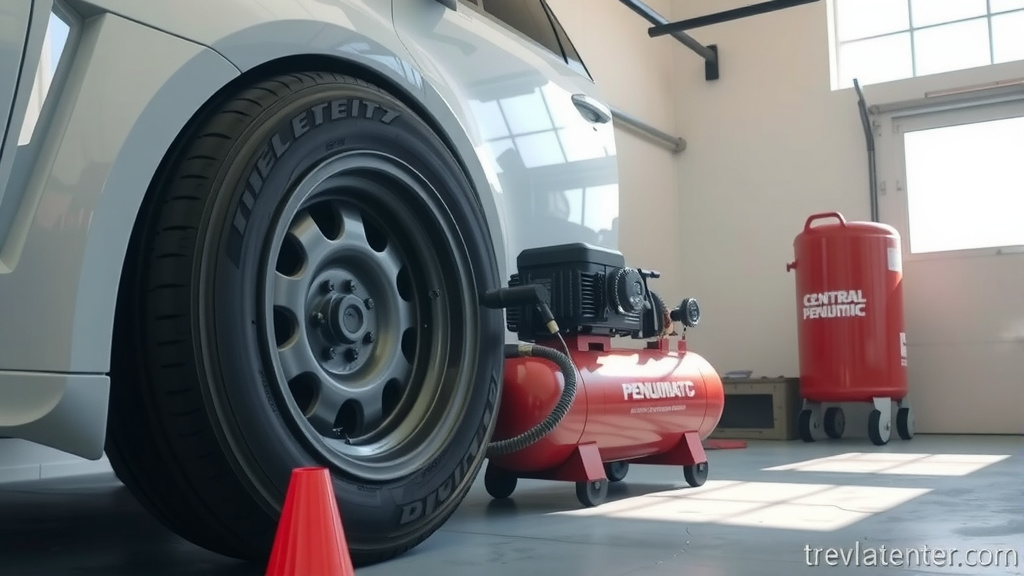
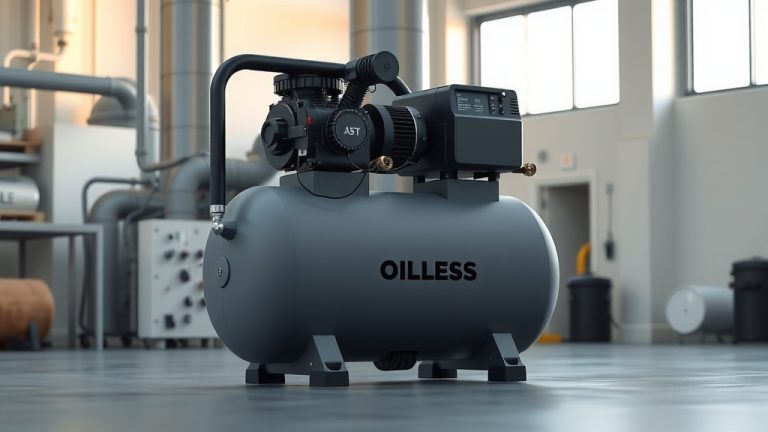
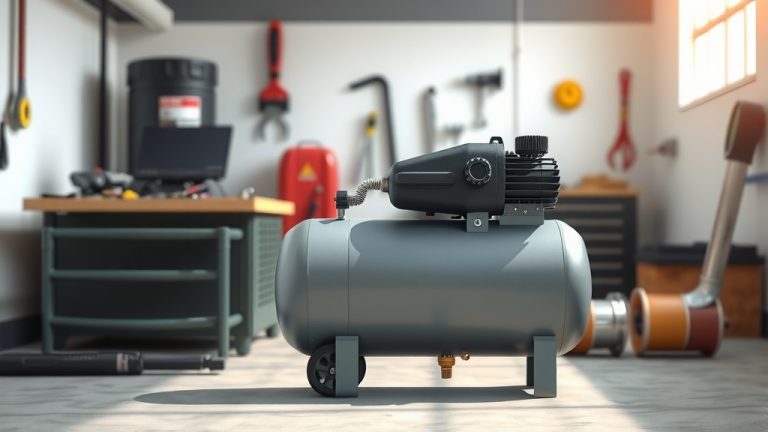
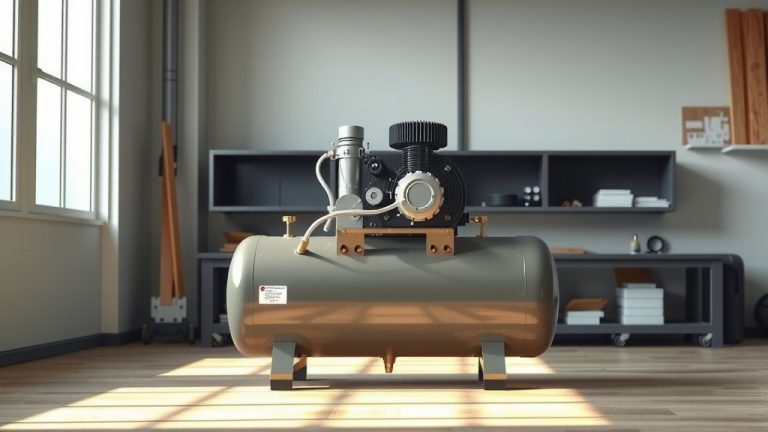
To use a Central Pneumatic Air Compressor to fill tires, first connect the air hose and appropriate chuck to the compressor, ensuring the compressor is powered on and set to a suitable pressure. Then, attach the chuck securely to your tire’s valve stem and add air in short bursts, frequently checking the pressure with a separate gauge until the desired PSI is reached.
Always consult your vehicle’s owner manual or the sticker on the driver’s side door jamb for the correct tire pressure, as over or under-inflation can affect safety and tire lifespan.
- Get ready: Park your vehicle safely and gather your Central Pneumatic compressor, air hose, tire chuck, and a reliable tire pressure gauge.
- Check first: Use your separate gauge to find out your current tire pressure before adding any air.
- Connect carefully: Attach the air hose and chuck to your compressor, then securely fasten the chuck onto your tire’s valve stem.
- Inflate smartly: Add air in short, controlled bursts, frequently re-checking the pressure with your gauge until it matches your vehicle’s recommended PSI.
- Finish up: Disconnect the chuck, replace the valve cap, and store your equipment properly.
How To Use Central Pneumatic Air Compressor To Fill Tires?
Using your Central Pneumatic air compressor to fill tires is a straightforward process when you know the steps. You are essentially providing the right amount of air to keep your tires performing their best, which is key for both safety and driving efficiency.
Why Tire Pressure Matters for Your Drive
Maintaining proper tire pressure is more important than many people realize. It affects how your car handles, how much fuel you use, and even the life of your tires. We found that tires with the correct pressure offer better grip on the road (NHTSA).
Under-inflated tires can cause excessive heat buildup and premature wear on the outer edges. Over-inflated tires might lead to a harsher ride and wear out the center of the tread faster. Both scenarios can be risky and costly.
Gathering Your Essential Gear
Before you begin, ensure you have everything needed for a smooth experience. You’ll need your Central Pneumatic air compressor, an air hose, a tire chuck, and a separate, accurate tire pressure gauge. Think of it like getting your ingredients ready before cooking.
Choosing the Right Air Chuck for Your Needs
There are two common types of air chucks: clip-on and threaded. A clip-on chuck stays attached to the valve stem on its own, freeing your hands. A threaded chuck screws onto the valve stem, providing a very secure seal but requiring you to hold it. Both work well; it really comes down to your personal preference for ease of use.
Step-by-Step: Filling Your Tires Safely
Let’s walk through the process together. This will ensure you fill your tires effectively and safely, protecting both you and your vehicle.
1. Park and Prepare Your Vehicle
First, park your vehicle on a flat, level surface and engage the parking brake. This ensures stability. You’ll want to access all four tires easily. Remove the valve stem caps from each tire you plan to fill. Keep them in a safe place so they don’t get lost.
2. Check Your Current Tire Pressure
Using a reliable, separate tire pressure gauge, check the current PSI of each tire. This gives you a baseline. We found that dedicated gauges often provide a more accurate reading than the gauges built into some air chucks (Consumer Reports).
You can find your vehicle’s recommended tire pressure on a sticker inside the driver’s side door jamb or in your owner’s manual. Remember, the pressure listed on the tire sidewall is the maximum pressure, not the recommended operating pressure.
3. Connect Your Central Pneumatic Compressor
Now, connect your air hose to the Central Pneumatic compressor’s air outlet. Make sure it’s snug to prevent air leaks. Then, plug in your compressor and turn it on. Allow it to build up pressure to its maximum setting. You’ll hear the motor hum and then likely quiet down once it reaches its set point.
Understanding Compressor Controls
Your Central Pneumatic compressor will have an on/off switch and likely a pressure regulator. For filling tires, you generally don’t need to adjust the regulator much, as you’ll be controlling the fill by monitoring your tire pressure gauge. However, knowing where these controls are is good practice.
4. Attach the Air Chuck Securely
Take the air chuck and firmly press or screw it onto the tire’s valve stem. You should hear a hiss of air escaping briefly, then it should seal. If using a clip-on chuck, push it onto the stem until it locks in place. For a threaded chuck, screw it on until it’s hand-tight.
5. Inflate in Short, Controlled Bursts
Once the chuck is connected, press the lever or button on the air chuck to start the airflow. Add air in short bursts, perhaps 5-10 seconds at a time. This prevents you from over-inflating the tire too quickly. Think of it as gently adding water to a glass; you don’t want to overflow it.
6. Monitor and Adjust Your Tire Pressure
After each short burst, remove the air chuck and immediately re-check the tire pressure with your separate gauge. Repeat this process until you reach the recommended PSI for your vehicle. If you accidentally add too much air, gently press the small pin in the center of the valve stem to release some air until the correct pressure is achieved.
7. Disconnect and Secure Valve Caps
Once all tires are at their correct pressure, disconnect the air chuck from the valve stem. Replace all the valve stem caps. These caps help keep dirt and moisture out of the valve, protecting the valve core. Turn off your Central Pneumatic compressor and store it properly.
Central Pneumatic Compressor Maintenance Tips
Taking care of your compressor will ensure it’s ready every time you need it. A little maintenance goes a long way for tool longevity.
Regular Checks for Optimal Performance
Periodically inspect your air hose for cracks or leaks. Check all connections to ensure they are tight. If your compressor has an air filter, check and clean or replace it as recommended in your owner’s manual. A clean filter helps the compressor run more efficiently.
When to Seek Professional Help
If your compressor makes unusual noises, struggles to build pressure, or leaks air excessively from the compressor unit itself, it might be time to consult a professional technician. Ignoring these signs could lead to bigger issues down the road.
Common Mistakes to Avoid When Filling Tires
Even with the best intentions, errors can happen. Being aware of common pitfalls helps you steer clear of them.
- Over-inflating tires: This can reduce tire traction, lead to uneven wear, and even increase the risk of a blowout.
- Under-inflating tires: This causes excessive heat, poor fuel economy, and premature tire wear on the edges.
- Using an inaccurate gauge: Relying on a faulty gauge will lead to incorrect pressure, negating your efforts.
- Ignoring valve caps: Leaving valve caps off can allow dirt and moisture to damage the valve stem.
- Not checking cold pressure: Tire pressure changes with temperature. Always check when tires are “cold” (not driven for at least three hours).
| Vehicle Type | Typical PSI Range (Cold) | Considerations |
|---|---|---|
| Passenger Car | 30-35 PSI | Check door jamb sticker for exact value. |
| Light Truck/SUV | 35-45 PSI | Varies based on load and tire type. |
| Bicycle (Road) | 80-120 PSI | Higher pressure for thinner tires. |
| Bicycle (Mountain) | 25-50 PSI | Lower for better grip and comfort. |
Conclusion
Filling your tires with a Central Pneumatic air compressor is a simple yet crucial maintenance task that empowers you to keep your vehicle safe and efficient. By following these practical steps—from gathering your tools to careful inflation and regular monitoring—you’re taking a proactive approach to tire care. Remember, consistency is key; regularly checking and adjusting your tire pressure can significantly impact your driving experience and the lifespan of your tires. It’s a small effort with big rewards.
How often should I check my tire pressure?
Many experts suggest checking your tire pressure at least once a month, or before long trips. Temperature changes can also affect pressure, so it’s a good idea to check more frequently during seasonal shifts.
Can I use my Central Pneumatic compressor for other tasks besides tires?
Absolutely! Central Pneumatic compressors are versatile tools. You can use them for various tasks like powering air tools, inflating sports equipment, cleaning workspaces with an air blow gun, or even painting if you have the right attachments.
What does PSI mean, and why is it important?
PSI stands for “Pounds per Square Inch” and is the standard unit for measuring tire pressure. It’s important because it directly impacts your vehicle’s handling, braking, fuel efficiency, and tire longevity. Incorrect PSI can lead to unsafe driving conditions and premature tire wear.
My tire pressure seems to drop quickly. What could be the cause?
A rapid drop in tire pressure often indicates a leak. This could be due to a puncture from a nail or screw, a faulty valve stem, a bent rim, or a leak where the tire bead meets the rim. It’s best to have the tire inspected by a professional if you suspect a leak.
Is it okay to use the maximum PSI listed on my tire’s sidewall?
No, the maximum PSI listed on the tire’s sidewall is the highest pressure the tire can safely hold, not the recommended operating pressure for your vehicle. Always refer to your vehicle’s owner’s manual or the sticker on the driver’s side door jamb for the manufacturer’s recommended tire pressure. Using the maximum PSI can lead to a harsh ride, reduced traction, and uneven tire wear.