How To Use Coleman Powermate Air Compressor?
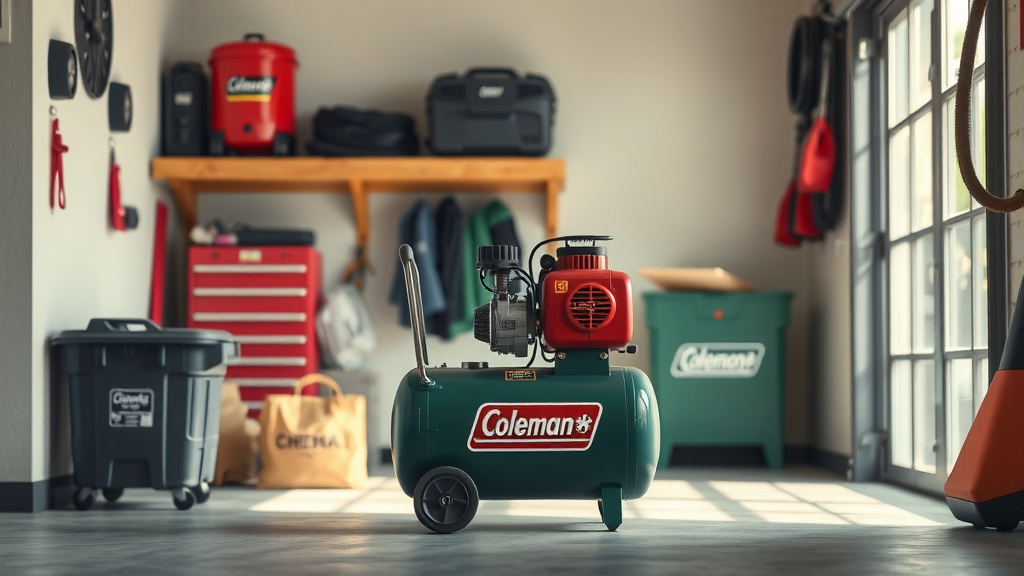
To use a Coleman Powermate air compressor, first ensure it’s on a stable, level surface, then connect your air hose and tool, turn on the power, and adjust the pressure regulator to your desired PSI for the task.
Always check safety precautions like draining the tank and verifying oil levels (if applicable) before each use to maintain optimal performance and user safety with your Coleman Powermate air compressor.
- Get started with your Coleman Powermate compressor by ensuring a safe setup and understanding its controls.
- Connecting your air tools is straightforward once you grasp the basics of hoses and fittings.
- Managing air pressure (PSI) effectively will help you achieve the best results for various tasks.
- Learn how to safely shut down and store your compressor to keep it running smoothly for years.
- Basic troubleshooting and regular maintenance are simple steps to avoid common operational hiccups.
How To Use Coleman Powermate Air Compressor?
Using your Coleman Powermate air compressor is simpler than you might think. It’s a powerful friend for many projects, from inflating tires to tackling painting jobs. We’ll walk through each step, making sure you feel confident and ready to get to work.
Why Your Coleman Powermate Is a Great Choice
Coleman Powermate compressors are known for their reliability and versatility. They are a common sight in garages and workshops for good reason. Many experts say they offer a fantastic balance of power and ease of use (Consumer Reports).
You’ve made a smart choice, whether you’re a weekend warrior or a seasoned DIYer. These machines are built to handle a variety of tasks, making your projects much easier to complete.
Essential Safety Measures Before You Begin
Safety is not just a buzzword; it’s your first line of defense. Always wear safety glasses or goggles to protect your eyes from debris. You might also want to use ear protection, as compressors can be quite loud when running.
Think of safety gear as your project superhero cape. We found that a well-prepared user is a safe user. Before starting, quickly check your compressor for any visible damage or loose parts.
Preparing for First Use: Setup Steps
Getting your compressor ready is like preparing a meal; a little setup makes everything go smoothly. These initial steps are key for both performance and your safety.
Finding the Perfect Spot and Power
Place your compressor on a stable, level surface. This prevents tipping and helps it operate correctly. Do not put it on a wobbly table or uneven ground. Air compressors need good ventilation, so don’t cram it into a tight corner.
Plug your compressor into a grounded electrical outlet. Avoid extension cords if possible. If you must use one, ensure it’s heavy-duty and rated for the compressor’s power needs. Using the wrong cord can damage your unit or create a fire hazard.
Checking Oil and Drain Valve
If your Coleman Powermate is an oil-lubricated model, check the oil level before each use. There’s usually a dipstick or sight glass to help you. Top it off if needed, using the correct compressor oil specified in your manual.
Also, make sure the drain valve at the bottom of the tank is closed. This valve is for draining condensation. We found that forgetting to close it means your compressor won’t build pressure, which can be frustrating!
Starting Up and Managing Pressure
Now that your compressor is safely set up, it’s time to bring it to life. This part is about getting air flowing and controlling it for your specific job.
Powering On and Initial Run
With everything secure, turn the power switch to the “ON” position. You’ll hear the motor kick on, and the compressor will start building pressure. It might take a few minutes for the tank to fill completely; this is perfectly normal.
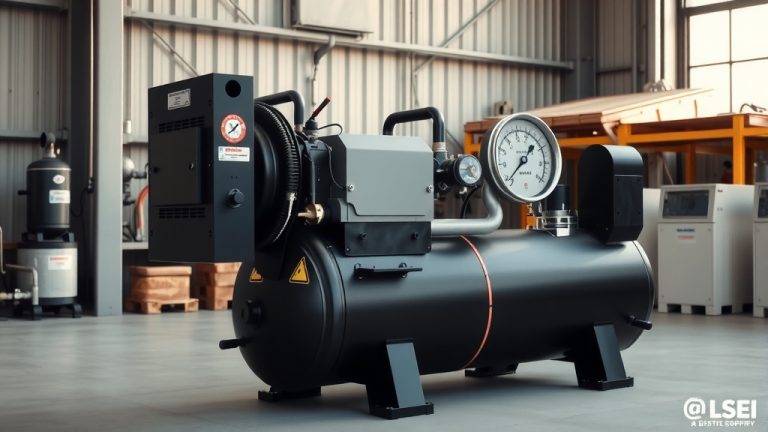
The pressure gauge will show the increasing PSI (pounds per square inch). Once it reaches its maximum cut-off pressure, the motor will stop. This means it’s fully charged and ready. Pretty cool, right?
Adjusting PSI for Your Project
Your compressor has a pressure regulator. This dial lets you control the air pressure going to your tools. Different tools and tasks require different PSI settings. For instance, inflating tires needs less pressure than operating an impact wrench.
Consult your tool’s manual or the task requirements for the recommended PSI. Turn the regulator knob clockwise to increase pressure and counter-clockwise to decrease it. Keep an eye on the output gauge as you adjust.
Connecting and Using Air Tools
This is where the magic happens! Connecting your tools correctly ensures efficient and safe operation. Think of it as making sure all your puzzle pieces fit together perfectly.
Selecting the Right Tool and Hose
Choose the air tool that matches your task. Are you painting? Inflating? Driving nails? Each job has its specific tool. Also, select an air hose that is long enough for your work area but not excessively long, which can cause pressure drops.
We found that a good quality air hose makes a big difference. Ensure your hose and tools have compatible quick-connect fittings. Most Coleman Powermate compressors use standard universal fittings.
Securely Attaching Fittings
To attach the air hose, simply push the quick-connect plug on the hose into the coupler on the compressor. It should click securely into place. Then, attach your air tool to the other end of the hose the same way.
Give a gentle tug on the connections to confirm they are secure. A loose connection means air leaks, and nobody wants that! Now you’re all set to use your tool as directed by its manufacturer.
- Check for damaged hoses or tools before connecting.
- Ensure quick-connect fittings are clean and free of debris.
- Push the hose plug firmly into the compressor coupler until it clicks.
- Attach the air tool to the hose securely in the same manner.
- Test connections with a light tug to verify they are tight.
- Wear appropriate personal protective equipment, like safety glasses.
After Your Work: Shut Down and Storage
Proper shutdown and storage are like putting your toys away nicely. It keeps them in good condition and ready for the next adventure. This extends the life of your compressor and prevents issues.
Releasing Trapped Air Safely
When you finish your task, turn off the compressor. Disconnect your air tools. Before storing, you must drain all air from the tank. Never store a compressor with pressure still inside.
There is usually a pull ring or knob on the pressure relief valve. Pull it gently to release the air. You will hear a loud hissing sound, which is normal. Let all the air escape until the tank pressure gauge reads zero.
Storing for Longevity
After draining the air, open the drain valve at the bottom of the tank. This allows any accumulated moisture to escape. Condensation inside the tank can cause rust over time, which shortens the compressor’s life (OSHA guidelines often mention this).
Store your Coleman Powermate in a clean, dry location, away from extreme temperatures. Coil your air hose neatly. Keeping it tidy protects your equipment and ensures it’s ready for your next project.
Troubleshooting Common Issues
Even the best tools can sometimes have a hiccup. Most common issues with Coleman Powermate compressors have straightforward fixes. Don’t panic if something seems off; you can likely solve it.
| Problem | Possible Cause | Quick Fix |
|---|---|---|
| Compressor runs constantly | Air leak in tank or fittings | Check all connections for hissing sounds; tighten or replace fittings. |
| No air coming out | Regulator set too low; hose disconnected | Increase regulator PSI; check hose connections. |
| Compressor won’t start | Power issue; thermal overload | Check power cord/outlet; press reset button (if present); let it cool down. |
| Low pressure output | Air filter dirty; small leak | Clean or replace air filter; inspect hose and fittings for leaks. |
| Water in air line | Tank not drained regularly | Drain tank after every use; use an inline air dryer for sensitive tools. |
Basic Maintenance for Peak Performance
Regular, simple maintenance keeps your Coleman Powermate humming along happily. Think of it like taking care of your car; a little effort goes a long way in preventing bigger problems.
- Drain the Tank: Do this after every single use to prevent rust.
- Check Oil (if applicable): Verify oil levels before each use and change it according to your manual’s schedule.
- Clean Air Filter: Inspect the air filter regularly. A dirty filter restricts airflow and makes the motor work harder. Clean or replace it as needed.
- Inspect Hoses and Fittings: Look for cracks, cuts, or wear on your hoses and quick-connect fittings. Replace any damaged parts.
- Tighten Fasteners: Periodically check for any loose nuts or bolts and tighten them. Vibrations can loosen components over time.
Conclusion
Using your Coleman Powermate air compressor doesn’t have to be intimidating. By following these practical steps, from initial setup to proper shutdown, you’re not just operating a machine; you’re mastering a valuable tool. Remember, safety first, then enjoy the power and convenience your compressor brings to your projects. With a little care and attention, your Coleman Powermate will serve you well for many years to come.
How often should I drain the air tank on my Coleman Powermate compressor?
You should drain the air tank on your Coleman Powermate compressor after every single use. This prevents moisture buildup, which can cause rust and shorten the lifespan of the tank and the compressor itself. It’s a quick, simple step that makes a huge difference in longevity.
What kind of oil should I use for my oil-lubricated Coleman Powermate compressor?
Always use compressor-specific oil for your oil-lubricated Coleman Powermate compressor. Refer to your owner’s manual for the exact type and viscosity recommended. Using automotive oil or other non-compressor oils can damage the pump and void your warranty.
My Coleman Powermate compressor is running, but no air is coming out of the hose. What should I check?
First, check the pressure regulator setting; it might be turned too low or off. Ensure your air hose is securely connected to both the compressor and your tool. Also, verify that the drain valve on the bottom of the tank is fully closed, as an open valve will prevent pressure from building.
Can I use an extension cord with my Coleman Powermate air compressor?
While generally not recommended, if an extension cord is absolutely necessary, it must be a heavy-duty cord specifically rated for the amperage draw of your compressor. Using an undersized or too-long extension cord can cause voltage drops, overheating, and potential damage to your compressor or electrical system. Always check your manual for guidelines.
How do I know what PSI to set for my air tools?
The correct PSI setting for your air tools is usually found in the tool’s instruction manual or on a label on the tool itself. Most air tools have a recommended operating pressure range. Always start at the lower end of the recommended range and adjust upwards if needed for optimal performance without over-pressurizing the tool.