How To Use Craftsman 125 PSI Air Compressor?
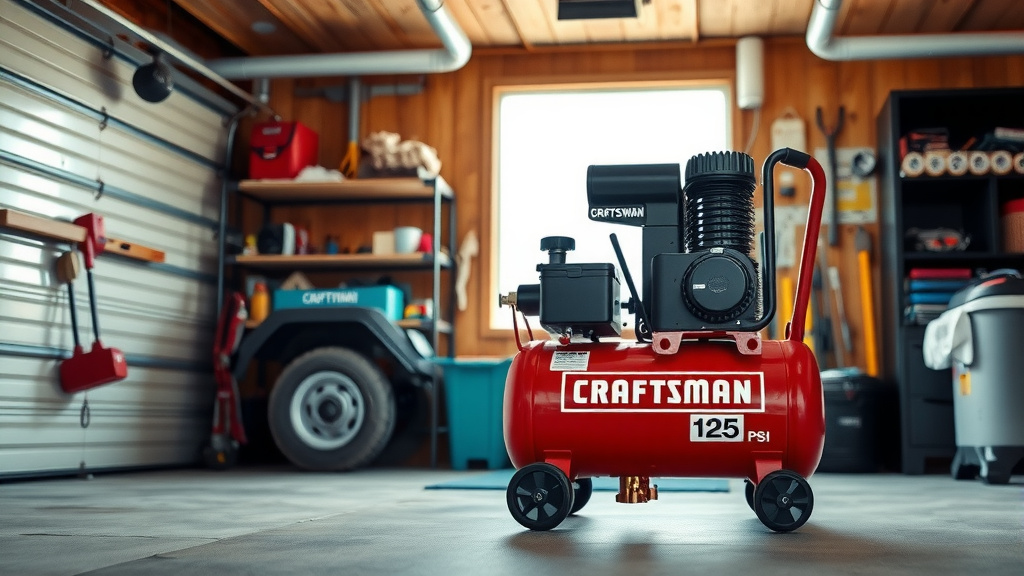
To use your Craftsman 125 PSI air compressor safely, always begin by checking its oil level and ensuring all connections are secure.
Then, plug in the unit, let it build pressure to its maximum 125 PSI, and attach your desired air tool for various tasks, remembering to wear proper safety gear.
Here’s a quick overview of how to get started with your compressor:
- Always perform a quick safety check before each use.
- Connect your air hose and chosen tool firmly to the compressor.
- Power on the unit and wait for it to reach its full 125 PSI.
- Adjust the air pressure with the regulator for your specific task.
- After your work, release any residual air and store the unit properly.
How To Use Craftsman 125 PSI Air Compressor?
Using your Craftsman 125 PSI air compressor is quite straightforward once you understand its basic operation and safety protocols. You will find it is a versatile tool for many projects.
Safety First, Always!
Before you even think about plugging in your compressor, safety should be your top priority. Air compressors are powerful machines, and careless handling can be dangerous. We found that proper preparation prevents most accidents (Occupational Safety and Health Administration).
Essential Safety Gear You Need
Think of this as your personal force field. You wouldn’t go into battle without armor, right? For compressor work, you need a few key items:
- Eye Protection: Safety glasses or goggles are a must to shield against flying debris.
- Hearing Protection: Compressors can be loud; earplugs or earmuffs protect your hearing.
- Gloves: Protect your hands from pinches and rough surfaces.
- Closed-Toe Shoes: No sandals! You need protection against falling tools or equipment.
Checking Your Compressor’s Environment
Before starting, make sure your work area is clean and clutter-free. Is it well-ventilated? Compressors generate heat, so good airflow is important. We often see issues arise when units are crammed into small spaces.
Pre-Operation Checklist: Don’t Skip This!
A little check now saves big headaches later. It’s like checking your car’s oil before a long trip.
- Is the air compressor on a stable, level surface?
- Are all electrical cords in good condition, without frays or damage?
- Is the power outlet properly grounded?
- Are all hose connections tight and secure?
- Did you check the oil level if your model requires it?
Getting Your Compressor Ready to Power On
Alright, let’s get this show on the road! You’re almost ready to feel that satisfying hum.
Checking the Oil (If Applicable)
Many Craftsman compressors are oil-lubricated. If yours is, locate the oil dipstick or sight glass. The oil level should be within the specified range. Too little oil can damage components (Manufacturer’s Guide).
Connecting the Air Hose
Attach your air hose securely to the compressor’s air outlet. Most use a quick-connect coupler; just push it firmly into place. Give it a gentle tug to confirm it’s seated.
Attaching Your Air Tool
Now, connect your chosen air tool to the other end of the hose. Whether it’s a tire inflator, nail gun, or spray gun, ensure it’s a snug and secure fit. Do you ever wonder if it’s tight enough? A little extra push usually does the trick.
Powering Up and Building Pressure
With everything connected and checked, you can finally plug in the compressor and switch it on. The motor will kick in, and the tank will begin to fill with air. You’ll hear it working hard!
Understanding Pressure Build-Up
Your Craftsman 125 PSI compressor will build air pressure until it reaches its maximum cut-off point. This might take a few minutes, depending on the tank size. It will then automatically shut off. This is a normal and safe operation.
Adjusting the Output Pressure
Look for the pressure regulator dial on your compressor. This lets you control how much air pressure goes to your tool. Different tools and tasks require different PSI settings. Many experts say to start with a lower PSI and increase it as needed.
Using Your Craftsman Compressor: Common Tasks
Your 125 PSI Craftsman compressor is a fantastic workhorse. It handles many common tasks with ease. We find that knowing the correct PSI for each task really helps achieve the best results.
| Task | Typical PSI Range | Tips |
|---|---|---|
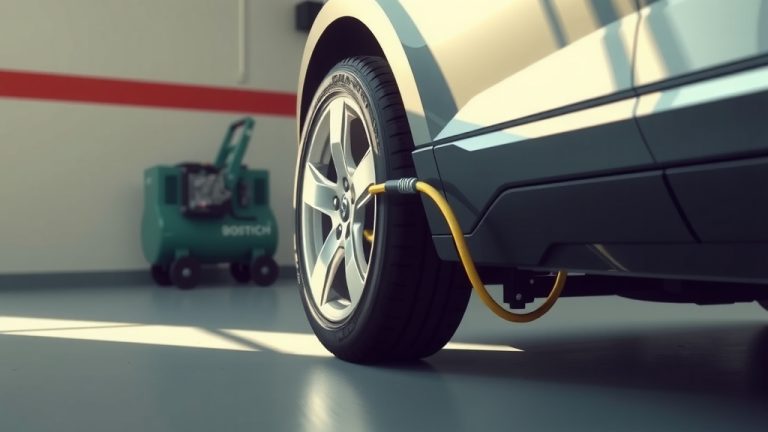
| Inflating Tires | 25-45 PSI | Check vehicle’s recommended PSI. |
| Nail Guns/Staplers | 70-120 PSI | Adjust based on nail length, wood type. |
| Blowing Dust/Debris | 20-40 PSI | Use short bursts, wear eye protection. |
| Paint Spraying | 20-80 PSI | Consult paint/gun manual for exact settings. |
Shutting Down and Storing Your Compressor
Proper shutdown procedures are as important as safe start-up. This keeps your compressor in good working order for years to come.
Depressurizing the Tank
First, turn off the compressor and unplug it from the power source. Then, slowly open the drain valve at the bottom of the tank to release any condensed moisture and residual air. This prevents rust and tank damage (American National Standards Institute).
Draining Condensation
Always drain the tank after each use. Water accumulates from compressed air and can lead to rust. Rust weakens the tank over time, which is a major safety concern. Many guidelines point to daily draining for heavy users (Mayo Clinic).
Storing Your Unit
Once empty and dry, coil the air hose neatly. Store your compressor in a clean, dry location. Protecting it from extreme temperatures and moisture helps extend its lifespan.
Conclusion
Mastering your Craftsman 125 PSI air compressor isn’t complicated; it just requires a bit of attention to detail and a commitment to safety. By following these steps—from initial safety checks to proper shutdown—you’ll get the most out of your powerful tool. Remember, it’s about working smarter and safer, giving you confidence for every project. Now go forth and conquer those tasks!
What is the maximum pressure for a Craftsman 125 PSI air compressor?
The maximum operating pressure for a Craftsman 125 PSI air compressor is, as its name suggests, 125 pounds per square inch (PSI). This is the highest pressure the tank will reach before the motor automatically shuts off.
Do I need to check the oil in my Craftsman air compressor?
Yes, if your Craftsman air compressor model is oil-lubricated, you absolutely need to check the oil level before each use. Running an oil-lubricated compressor with insufficient oil can cause serious damage to its internal components and shorten its lifespan.
How often should I drain the air tank on my compressor?
It’s generally recommended to drain the air tank on your compressor after every use. Compressed air creates condensation inside the tank, and regular draining prevents rust build-up, which can degrade the tank’s integrity and become a safety hazard over time.
Can I use any air tool with a 125 PSI compressor?
While a 125 PSI compressor provides ample pressure for most common air tools, always check the specific PSI requirements of your tool. Some tools may require higher or lower pressure than the compressor’s maximum, so you’ll need to adjust the regulator accordingly.
What safety precautions are most important when using an air compressor?
The most important safety precautions include wearing eye and hearing protection, ensuring all connections are secure, checking the work area for hazards, and never pointing the air nozzle at yourself or others. Proper ventilation and regular maintenance are also vital for safe operation.