How To Use Craftsman 150 PSI Air Compressor?
To use your Craftsman 150 PSI Air Compressor, first ensure it’s on a level surface and plug it into a proper electrical outlet. Next, connect your air hose and tool, then adjust the regulator to the required PSI for your task, like inflating tires or operating nail guns.
Always prioritize safety by wearing protective gear and draining the tank after each use to keep your Craftsman 150 PSI Air Compressor running smoothly and effectively.
- Get started by checking safety and knowing your compressor’s parts.
- Connect air tools correctly, understanding PSI settings for each job.
- Learn common uses, from tire inflation to powering nail guns.
- Maintain your compressor by draining moisture and checking filters.
- Follow a quick safety checklist before every single use.
How To Use Craftsman 150 PSI Air Compressor?
Using your Craftsman 150 PSI air compressor is simpler than you might think. We will walk you through setting it up and getting started for various tasks.
Getting Started: Unboxing Your Powerhouse
When your new Craftsman 150 PSI air compressor arrives, the first step is always the most exciting. You are about to unlock its full potential for your projects. Carefully unbox it and make sure all parts are present.
First Steps: Safety First, Always!
Before plugging anything in, think safety. Always wear safety glasses to protect your eyes from debris. Also, choose a stable, level surface for the compressor. This prevents it from tipping over during operation (OSHA guidelines frequently stress proper equipment placement).
Understanding Your Compressor’s Parts
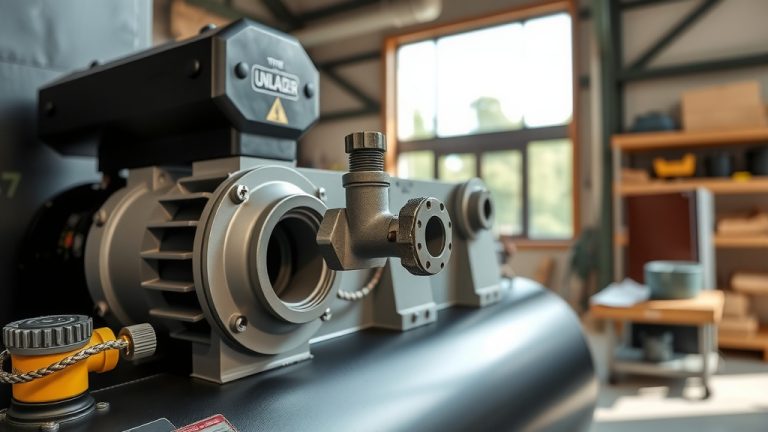
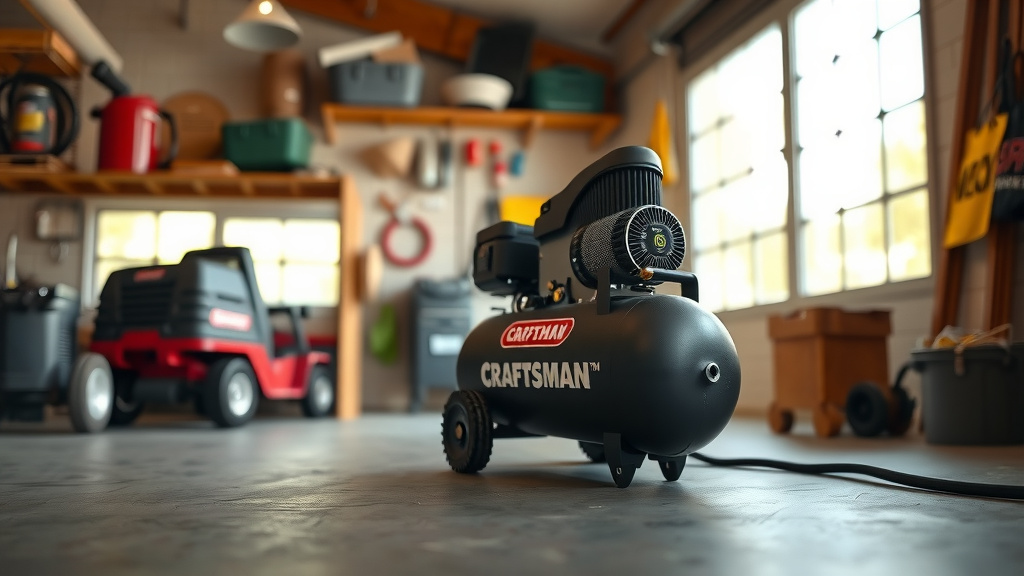
Take a moment to familiarize yourself with your machine. You will see the air tank, the motor, and the control panel. On the panel, you will find pressure gauges and the air regulator knob. These are your main interaction points.
Connecting Your Tools: The Right Way
Ready to connect an air hose? This is where your compressor starts doing its job. You will need an air hose and the right quick-connect fittings for your tools.
Attaching the Air Hose
Connect one end of your air hose to the compressor’s air outlet. Make sure it’s a snug, leak-free fit. Then, attach your chosen air tool to the other end of the hose. A quick-connect coupler usually makes this very easy.
Setting the Pressure: PSI Explained
The PSI (Pounds per Square Inch) setting is crucial. Your tool will have a recommended operating PSI. Use the regulator knob on your compressor to adjust the output pressure. Watch the output gauge as you turn the knob.
Powering Up: First Run Tips
With everything connected and pressure set, it’s time to power on. Your Craftsman compressor is designed for straightforward operation.
Turning It On and Listening
Plug the compressor into a grounded outlet. Flip the power switch to “On.” You will hear the motor start. The tank will begin to fill with air, and the pressure gauge will rise. It’s a bit like watching a kettle boil, but with more power!
Understanding Auto Shut-Off
Don’t worry if it stops running. Your Craftsman 150 PSI compressor has an automatic shut-off feature. It stops when the tank reaches its maximum pressure. It will kick back on automatically when the pressure drops, just like a smart thermostat.
Common Uses for Your Craftsman 150 PSI Compressor
This compressor is incredibly versatile. From home tasks to workshop projects, it’s a true workhorse. What do you plan to use yours for first?
Inflating Tires and Sports Equipment
Flat tire on your car or bicycle? Your Craftsman compressor handles it with ease. Attach an inflation nozzle, set the PSI (around 30-35 PSI for car tires is common), and quickly fill it up. We found that this is one of the most common home uses.
Using with Air Tools (Nailers, Staplers)
Air tools like nail guns or staplers make DIY projects much faster. Connect your tool, set the recommended PSI (often 90-120 PSI), and you are ready. It’s like having an extra pair of hands helping you work.
Here’s a quick reference for common tool PSI:
| Air Tool | Recommended PSI Range |
|---|---|
| Tire Inflator (Car) | 30-35 PSI |
| Brad Nailer | 70-90 PSI |
| Finish Nailer | 80-100 PSI |
| Air Blower | 30-60 PSI |
Cleaning and Blowing Dust
Attach an air blow gun to your compressor. You can quickly clear dust from your workbench, clean engine parts, or even dry wet surfaces. It’s incredibly effective for hard-to-reach areas. Many experts say this is a great way to keep your workshop tidy.
Troubleshooting Common Issues
Sometimes, things don’t go perfectly. If your compressor seems off, a few quick checks can often resolve the problem. Don’t let a small hiccup stop your progress.
Loss of Pressure or Leaks
If your pressure drops quickly, you might have a leak. Listen closely for a hissing sound. Check all connections, especially at the hose and tool. A bit of thread sealant tape can often fix minor leaks.
Compressor Not Starting
Is your compressor not turning on? Check the power cord and outlet first. Sometimes, the thermal overload switch might have tripped if it got too hot. Give it a few minutes to cool down, then try again.
Maintaining Your Compressor for Longevity
Proper maintenance ensures your Craftsman 150 PSI air compressor lasts for years. A little care goes a long way in preventing future problems.
Draining the Tank Regularly
This is perhaps the most important maintenance step. After each use, open the drain valve at the bottom of the tank. This releases condensed moisture. We found that neglecting this can lead to internal rust and tank failure over time (Industry standards advise regular tank drainage).
Checking Air Filters
Periodically inspect the air intake filter. A dirty filter can restrict airflow and make your compressor work harder. Clean or replace it as needed to maintain optimal performance. It’s like making sure your car breathes easily.
Safety Checklist Before Every Use
A quick safety review before starting can prevent mishaps. It becomes second nature after a while.
- Are your safety glasses on?
- Is the compressor on a stable, level surface?
- Are all hose connections secure?
- Is the pressure regulator set correctly for your tool?
- Is the power cord free of damage?
- Is the drain valve closed before starting?
Conclusion
Using your Craftsman 150 PSI air compressor is a straightforward process once you understand the basics. By prioritizing safety, correctly connecting your tools, and performing simple maintenance, you can rely on this powerful machine for countless projects. It’s an incredibly useful tool that will simplify many tasks around your home or workshop. So go ahead, plug it in, and get ready to experience the convenience and efficiency of compressed air!
FAQ: How long can I run my Craftsman 150 PSI compressor continuously?
Most portable air compressors, including the Craftsman 150 PSI model, are not designed for continuous, non-stop operation. They typically have a duty cycle, meaning they need to rest to cool down. Running it for extended periods without allowing the motor to cool can cause overheating and damage. It’s best to let it cycle on and off naturally, which it will do as pressure drops.
FAQ: What kind of oil does a Craftsman 150 PSI air compressor use?
Many Craftsman 150 PSI air compressors are oil-free, meaning they do not require any oil for lubrication. Check your specific model’s manual to confirm. If your model does require oil, it will typically specify a non-detergent compressor oil. Never use motor oil or other types of lubricants unless explicitly stated in your manual.
FAQ: Can I use my air compressor indoors?
You can use an electric air compressor indoors, but it’s important to have good ventilation. While electric compressors don’t produce exhaust fumes like gas models, they can be quite noisy. Also, ensure the area is clean and dry, away from any flammable materials, and that the electrical outlet is properly grounded. Always consider noise levels for those around you.
FAQ: What’s the difference between PSI and CFM?
PSI (Pounds per Square Inch) measures the force or pressure of the air delivered by the compressor. It’s how hard the air pushes. CFM (Cubic Feet per Minute) measures the volume of air delivered. It indicates how much air the compressor can supply over time. While PSI is important for tool operation, CFM tells you if the compressor can keep up with the tool’s air demand.
FAQ: How do I store my Craftsman air compressor safely?
To store your Craftsman air compressor safely, always drain the air tank completely to prevent rust. Disconnect all hoses and accessories. Store it in a dry, clean place, away from extreme temperatures. Covering it can protect it from dust and debris. If it’s an oil-lubricated model (though many Craftsman are oil-free), ensure oil levels are correct before long-term storage.