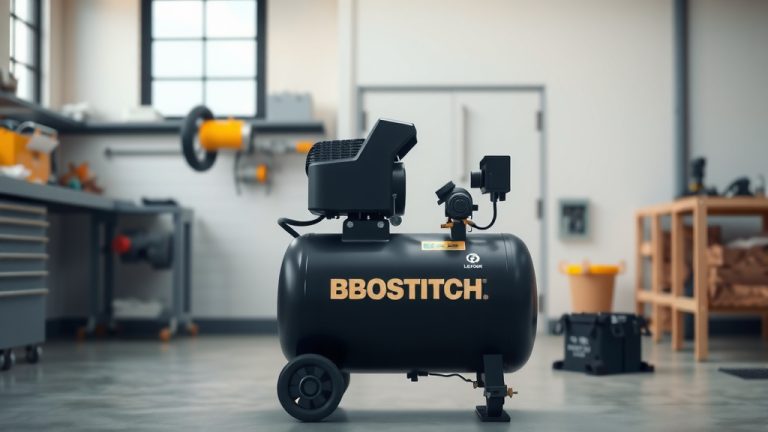
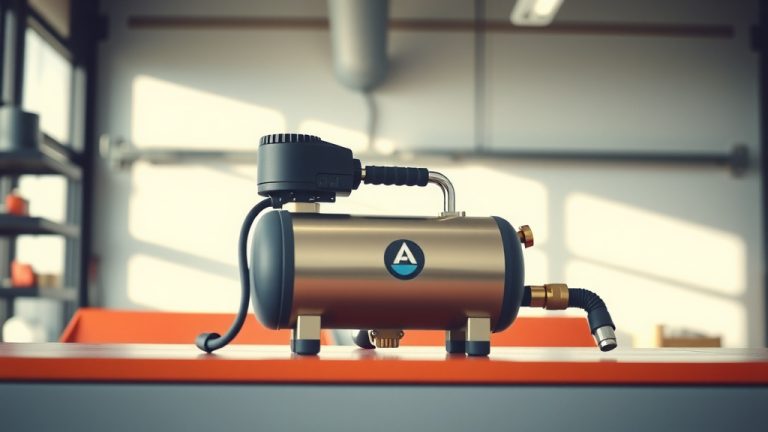
How To Use Craftsman 6 Gallon Air Compressor?
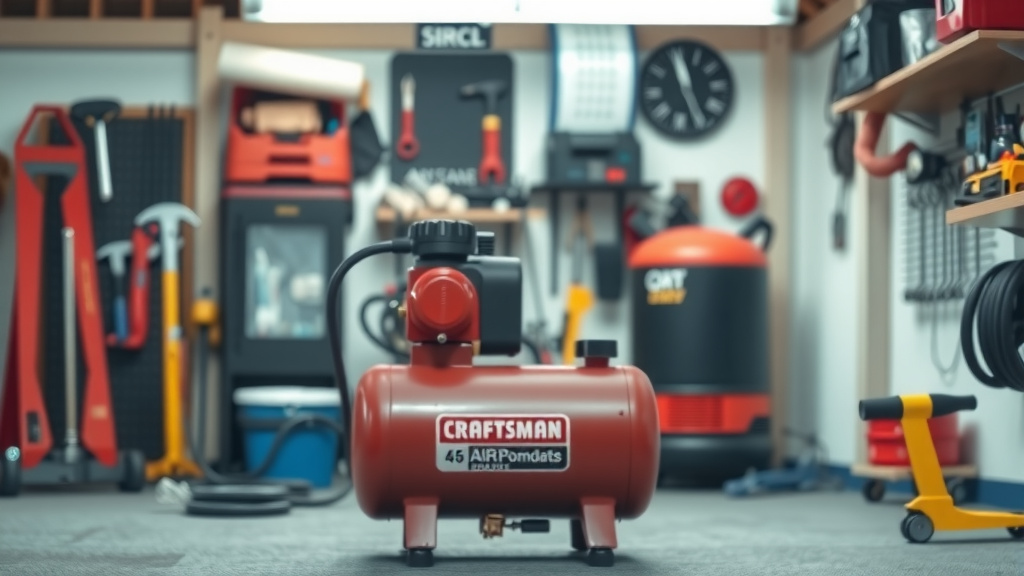
The Craftsman 6 Gallon Air Compressor is straightforward to use: first, ensure it’s on a stable, level surface, then connect your air hose and chosen tool.
Power it on, allow the tank to pressurize, and adjust the regulator to your tool’s required PSI before starting your project.
- Get your compressor ready by unboxing and checking for damage.
- Prioritize safety with eye protection and a well-ventilated area.
- Plug it in, turn it on, and let the tank fill with air.
- Connect your air hose and tool, adjusting air pressure as needed.
- Always drain the tank after each use for lasting performance.
How To Use Craftsman 6 Gallon Air Compressor?
Using your Craftsman 6 Gallon Air Compressor involves simple steps from setup to operation. You will prepare the unit, connect your tools, and manage air pressure for various tasks.
Getting Started: Unboxing Your Compressor
When you first get your Craftsman 6 Gallon Air Compressor, the initial setup is key. Take it out of the box and place it on a stable, flat surface. This prevents tipping or unstable operation.
Check for any visible damage during shipping. Also, make sure all included parts, like the air filter and owner’s manual, are present. A quick review of the manual helps you get familiar with your specific model.
Safety First: Essential Precautions
Before you even think about plugging it in, remember safety. Air compressors are powerful tools, and personal protective equipment is not optional. Always wear safety glasses or goggles to protect your eyes from debris.
Operate your compressor in a well-ventilated area. This helps dissipate any heat and ensures you are not breathing in fumes. We found that proper ventilation also extends the life of the motor.
Inspect your air hose for any cracks or leaks before each use. A damaged hose can lead to loss of pressure or even unexpected whipping, which can be dangerous.
Setting Up for Success: Power and Pressure
Now, let’s get it powered up. Plug your compressor into a grounded electrical outlet. Many experts say to avoid extension cords if possible, but if you must use one, ensure it’s heavy-duty and rated for the compressor’s amperage (OSHA guidelines).
Find the power switch, usually a red toggle, and turn it to the “ON” position. You’ll hear the motor kick in and the tank start to fill with air. This process might take a few minutes as it builds up to its maximum pressure.
Understanding the Controls
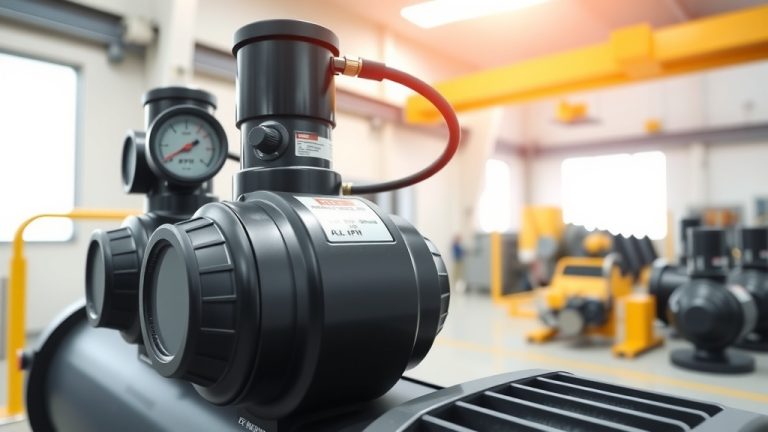
Your Craftsman compressor has a few key controls. You’ll see a pressure gauge displaying the tank pressure. Another gauge shows the regulated outlet pressure, which is the air pressure going to your tool.
The regulator knob allows you to adjust this outlet pressure. Turn it clockwise to increase pressure and counter-clockwise to decrease it. There’s also a drain valve at the bottom of the tank, which is critical for maintenance.
Connecting Your Air Tools
Attaching your air tools correctly ensures efficient and safe operation. Most air compressors use quick-connect fittings, making tool changes simple.
Attaching the Air Hose
First, connect your air hose to the compressor’s air outlet. Push the fitting firmly into the quick coupler until it locks into place. Give it a gentle tug to confirm it’s secure.
If you’re using a threaded fitting, you might need a little Teflon tape around the threads. This creates a better seal and prevents air leaks.
Securing Your Air Tool
Next, attach your air tool to the other end of the hose. Again, if it’s a quick-connect fitting, simply push it in until it clicks. For threaded tools, apply Teflon tape and tighten it firmly by hand.
Always ensure connections are tight to prevent air loss and maintain consistent pressure. Loose connections waste air and can affect tool performance.
Powering Up and Pressure Management
With everything connected, it’s time to work. Turn on the compressor and let it build pressure. You’ll hear the motor stop once it reaches its maximum pressure (usually around 150 PSI for a 6-gallon unit).
Now, adjust the regulator knob to the pressure recommended for your specific tool. You’ll see the outlet pressure gauge change as you turn the knob. Most air tools have a recommended operating PSI listed in their manual.
Common Uses for Your Craftsman Compressor
Your 6-gallon Craftsman compressor is versatile for many tasks around the home or workshop. It’s a fantastic asset for various projects, big and small.
- Inflating Tires: Quickly top off car tires, bicycle tires, or sports equipment.
- Blowing Dust and Debris: Clean workshops, tools, or even computer keyboards with an air blow gun.
- Brad Nailers and Staplers: Ideal for trim work, small carpentry, or upholstery projects.
- Small Paint Sprayers: Perfect for touch-ups or painting smaller items like furniture or crafts.
- Air Ratchets and Wrenches: Great for automotive repairs, especially in tight spaces.
We found that for intermittent use, a 6-gallon tank provides enough air for most DIY tasks. However, for continuous, heavy-duty applications, you might need a larger tank.
Maintaining Your Compressor for Longevity
Proper maintenance is crucial for your compressor to last. It’s like giving your car an oil change – essential for optimal performance and lifespan. Regular care prevents costly repairs and ensures reliability.
Draining the Tank: A Critical Step
After every use, you must drain the moisture from the air tank. Compressed air creates condensation, and this water can cause internal rust and corrosion. Locate the drain valve at the bottom of the tank.
With the compressor off and the tank depressurized, open the valve. You’ll see water and air escape. Close it once only air comes out. This simple step is perhaps the most important for tank longevity.
Checking the Air Filter
The air filter prevents dust and debris from entering the compressor pump. Check it regularly, especially if you work in dusty environments. A dirty filter reduces airflow and can strain the motor.
Clean or replace the filter as needed. Many experts suggest checking it every few months, depending on usage. A clean filter ensures the compressor breathes easily.
Here is a quick checklist for routine maintenance:
- Drain the air tank completely after each use.
- Inspect the air hose for any signs of wear, cracks, or leaks.
- Check and clean the air intake filter regularly.
- Wipe down the compressor exterior to keep it free of dust.
- Ensure all fittings and connections are secure.
Troubleshooting Common Issues
Even the best tools can sometimes act up. Here are some common issues you might encounter and straightforward solutions.
| Issue | Possible Cause | Solution |
|---|---|---|
| Compressor won’t start | No power; tripped breaker | Check power cord, circuit breaker |
| Air leaks | Loose fittings; damaged hose | Tighten connections, replace hose |
| Low air pressure | Regulator setting; clogged filter | Adjust regulator, clean/replace filter |
| Motor runs constantly | Air leak; check valve issue | Inspect for leaks, consult manual |
| Excessive noise | Loose parts; worn bearings | Check bolts, consider professional help |
Most issues are minor and can be resolved with a quick check. Always refer to your Craftsman owner’s manual for specific troubleshooting steps and diagrams.
Conclusion
Your Craftsman 6 Gallon Air Compressor is a reliable partner for many household and workshop tasks. By understanding its basic operation, prioritizing safety, and committing to regular maintenance, you will enjoy its benefits for years to come. Take your time, follow these steps, and you’ll find that using your compressor is both simple and rewarding.
Frequently Asked Questions
How long does it take for a Craftsman 6 gallon air compressor to fill up?
A Craftsman 6 gallon air compressor typically takes between 2 to 4 minutes to fill completely from empty to maximum pressure, though this can vary slightly based on the model and power supply.
Can I use a Craftsman 6 gallon air compressor for painting?
Yes, you can use a Craftsman 6 gallon air compressor for small painting projects. It’s suitable for touch-up guns, airbrushing, or spraying small items like furniture, but it may cycle frequently for larger jobs due to its tank size.
What kind of air tools can I use with a 6 gallon air compressor?
A 6-gallon air compressor supports a variety of air tools, including brad nailers, staplers, tire inflators, air blow guns, and smaller paint sprayers. It is generally not ideal for continuous high CFM tools like larger impact wrenches or sanders.
Do I need to add oil to my Craftsman 6 gallon air compressor?
Many modern Craftsman 6 gallon air compressors are “oil-free” and do not require oil. However, always check your specific model’s manual. If it is an oil-lubricated model, it will have an oil fill cap and dipstick, and you will need to add compressor oil.
How often should I drain the water from my compressor tank?
You should drain the water from your air compressor tank after every use, or at least daily if used frequently. This crucial step prevents rust and corrosion inside the tank, extending the compressor’s lifespan and maintaining air quality.