How To Use Craftsman Pancake Air Compressor?
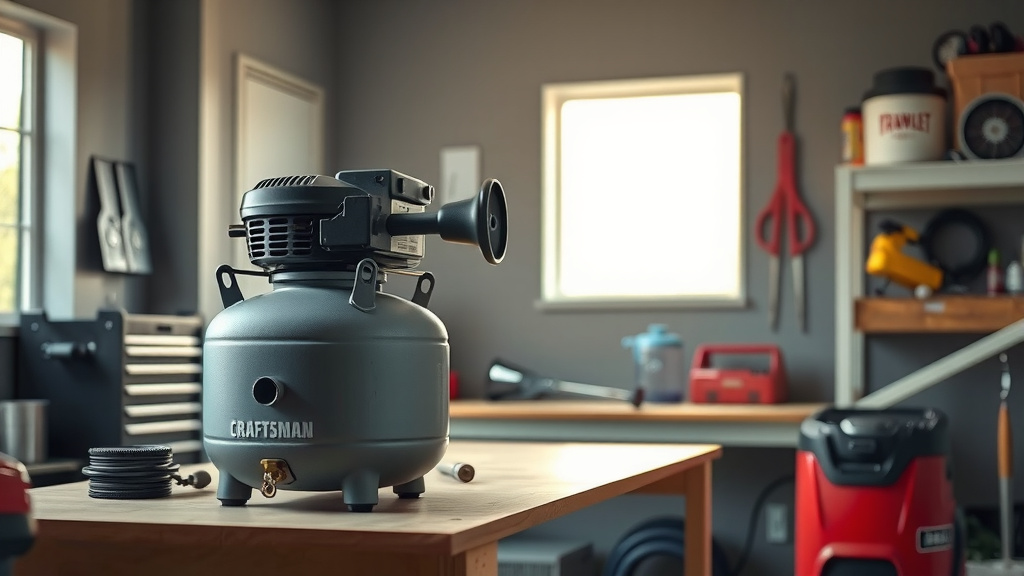
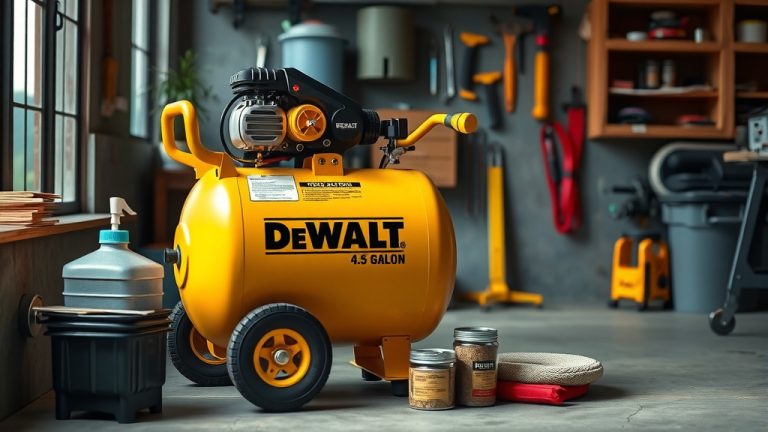
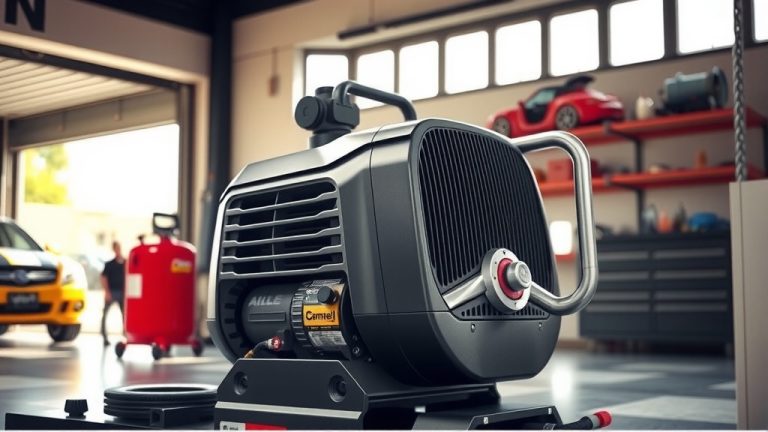
To use a Craftsman pancake air compressor, first ensure it’s on a level surface and plugged into a grounded outlet. Attach your air hose and desired air tool, then turn on the compressor and allow it to build up to its maximum pressure.
Always check your tool’s recommended PSI (pounds per square inch) and adjust the compressor’s regulator to match before starting your task to prevent damage or injury.
- Get your Craftsman pancake air compressor ready by checking the oil (if applicable) and plugging it in safely.
- Connect your air hose and the specific tool you plan to use, like a nail gun or tire inflator.
- Turn on the compressor and let it fill its tank with compressed air until it automatically shuts off.
- Adjust the pressure regulator to match your tool’s requirements, then you are ready to work.
- After use, always turn off the compressor, unplug it, and drain any moisture from the tank.
How To Use Craftsman Pancake Air Compressor?
Using your Craftsman pancake air compressor is straightforward once you understand the basic steps. This guide will walk you through setting it up, operating it safely, and keeping it in top shape.
You will find that these compact compressors are incredibly versatile for many home and garage projects.
Safety First: Your Compressor Playbook
Before you even plug in your new compressor, let’s talk safety. This is not just a suggestion; it’s a rule to keep you safe.
Always wear eye protection, like safety glasses, when using air tools. Bits of debris can fly unexpectedly.
Protect Your Ears
Air compressors can be loud, especially when filling the tank. Consider wearing hearing protection to shield your ears from the noise.
Research shows prolonged exposure to loud noises can cause hearing damage (NIH).
Electrical Safety Checks
Make sure your electrical outlet is grounded and rated for the compressor’s power needs. Avoid using long extension cords unless they are heavy-duty and specifically rated for high amperage.
An improper cord can overheat and create a fire hazard.
Unboxing and Initial Setup
You’ve got your new Craftsman pancake compressor. Exciting, right? Let’s get it ready for action.
Find a stable, level surface to place the compressor. This prevents it from tipping over during operation.
Checking the Oil (If Applicable)
Some Craftsman pancake compressors are oil-lubricated, while others are oil-free. Check your manual to be sure.
If it’s an oil model, ensure the oil level is correct before the first use. Low oil can cause serious damage to the pump.
Attaching the Air Hose
Your compressor probably came with a quick-connect coupler. Simply push your air hose’s connector into the compressor’s coupler until it clicks into place.
Give it a gentle tug to confirm it’s secure. A loose connection means air leaks.
Powering On and Building Pressure
Now for the fun part! Plug your compressor into a suitable outlet. Ensure the power switch is in the “off” position before plugging it in.
Flick the power switch to “on.” You’ll hear the motor start and the compressor begin to fill its tank with air.
Waiting for Full Pressure
The compressor will run until it reaches its maximum factory-set pressure, typically around 150 PSI. It will then automatically shut off.
This auto-shutoff is a safety feature, letting you know the tank is full and ready for use.
Connecting and Adjusting Your Air Tool
With the tank full, you’re almost ready to go. Now, focus on your specific project tool.
Attach your air tool to the other end of the air hose, just like you connected the hose to the compressor.
Understanding the Pressure Regulator
On your compressor, you’ll see a gauge for tank pressure and another for regulated pressure. The tank pressure shows how much air is in the tank.
The regulated pressure is what actually goes to your tool. Use the regulator knob to adjust this pressure.
Matching Tool PSI Requirements
Every air tool has a recommended operating pressure, usually found in its manual or stamped on the tool itself.
Turn the regulator knob to set the output pressure to match your tool’s requirement. This prevents damage to your tool or the workpiece.
Performing Your Task
With your tool attached and pressure set, you can begin your project. If the tank pressure drops too low, the compressor will automatically restart to replenish the air.
This is completely normal operation and ensures a continuous air supply.
Post-Use Maintenance: A Little Care Goes a Long Way
Once your project is done, don’t just walk away. A few simple steps will keep your Craftsman compressor running smoothly for years.
First, turn off the compressor’s power switch and unplug it from the wall. Safety first, always!
Draining the Air Tank
Moisture naturally condenses inside the air tank as the compressor runs. If left inside, this water can cause rust and damage to the tank.
Locate the drain valve, usually at the bottom of the tank, and slowly open it. You’ll hear air and see water drain out. Close it once all the air and water are expelled.
Storing Your Compressor
Once drained, coil up your air hose and store your compressor in a clean, dry place. Protect it from extreme temperatures and dust.
Proper storage extends the lifespan of your equipment.
Common Uses for Your Pancake Compressor
Pancake compressors are surprisingly powerful for their size. Here are some common tasks you might tackle:
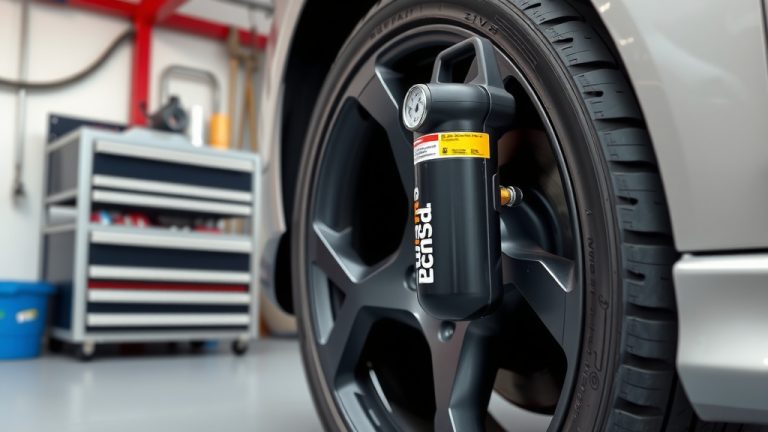
- Tire Inflation: From car tires to bike tires, a compressor makes quick work of it.
- Brad Nailing/Stapling: Perfect for trim work, small crafts, or upholstery.
- Blowing Dust/Debris: Use an air blow gun to clean workshops, computer components, or lawnmower decks.
- Light Painting: For small touch-up jobs, an airbrush or small spray gun can be used.
- Cleaning: Powerfully blast away dirt from tools or work surfaces.
Troubleshooting Quick Tips
Sometimes, things don’t go exactly as planned. Here are a couple of common issues and how to fix them.
Compressor Not Starting
Is it plugged in? Is the power switch on? Check your circuit breaker – it might have tripped if there was an overload.
Many experts say to allow the motor to cool if it recently shut off due to thermal overload (Craftsman Support).
Air Leaks
You might hear a hiss or notice the compressor running more often than usual. Spray soapy water on connections and listen for bubbles.
Tighten connections or replace O-rings if you find a leak. We found that even tiny leaks waste a lot of air.
Essential Compressor Accessories Checklist
To get the most out of your Craftsman pancake compressor, you might want these items:
- Air hose (if not included)
- Tire inflator with gauge
- Air blow gun
- Quick-connect fittings
- Safety glasses
- Hearing protection
Comparing Air Compressor Types
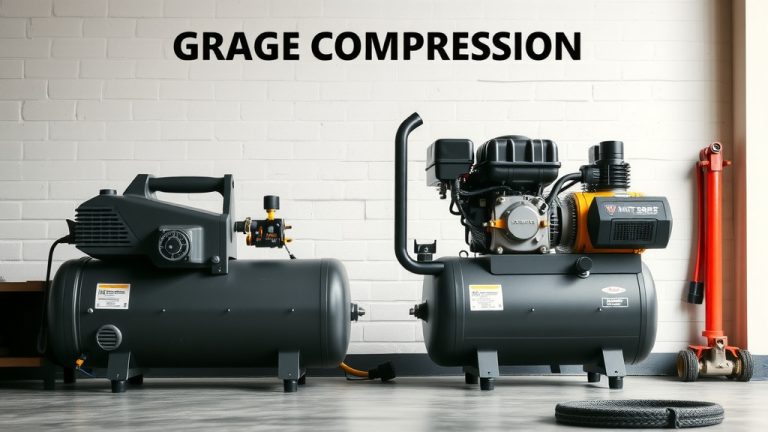
While we’re focusing on pancake compressors, it’s good to know how they stack up against others. This table offers a quick comparison:
| Compressor Type | Key Benefit | Best For |
|---|---|---|
| Pancake | Compact, portable, affordable | Home DIY, light finish work |
| Hot Dog / Horizontal | More air capacity, stable | Framing, medium-duty tasks |
| Twin Stack | Higher continuous airflow | Contractor use, multiple tools |
Conclusion
Using your Craftsman pancake air compressor effectively and safely is quite simple once you learn the ropes. Remember to always prioritize safety by wearing protective gear and understanding your equipment.
By following these steps, from setup to draining the tank, you’ll ensure your compressor remains a reliable and valuable tool for countless projects. Enjoy the power and convenience it brings to your workshop!
Can I use a Craftsman pancake air compressor for painting a car?
A Craftsman pancake air compressor generally isn’t powerful enough for painting an entire car. It might handle small touch-up jobs with an airbrush or small spray gun, but the sustained airflow needed for a full vehicle often requires a larger, higher CFM (Cubic Feet per Minute) compressor.
How often should I drain the tank on my pancake compressor?
You should drain the tank on your pancake compressor after every use, or at least at the end of each day you use it. This prevents moisture buildup, which can lead to rust inside the tank and shorten its lifespan.
What does CFM mean, and why is it important for air tools?
CFM stands for Cubic Feet per Minute, and it measures the volume of air an air compressor can deliver at a given pressure. It’s crucial because air tools have specific CFM requirements. If your compressor’s CFM is too low for your tool, the tool won’t operate efficiently or may even stop working mid-task.
Can I leave my air hose attached to the compressor all the time?
While you can leave the air hose attached, it’s generally better practice to disconnect it after use. This relieves pressure from the hose, potentially extending its life, and makes it easier to store the compressor and hose separately.
My Craftsman compressor keeps losing air pressure even when not in use. What’s wrong?
If your compressor loses pressure while idle, it likely has an air leak. Common culprits include loose fittings, a faulty drain valve, or a leaking check valve. You can try the soapy water test on connections to pinpoint the leak. If it’s the check valve, that might require a replacement or professional service.