How To Use Easy Air Compressor Nebulizer?
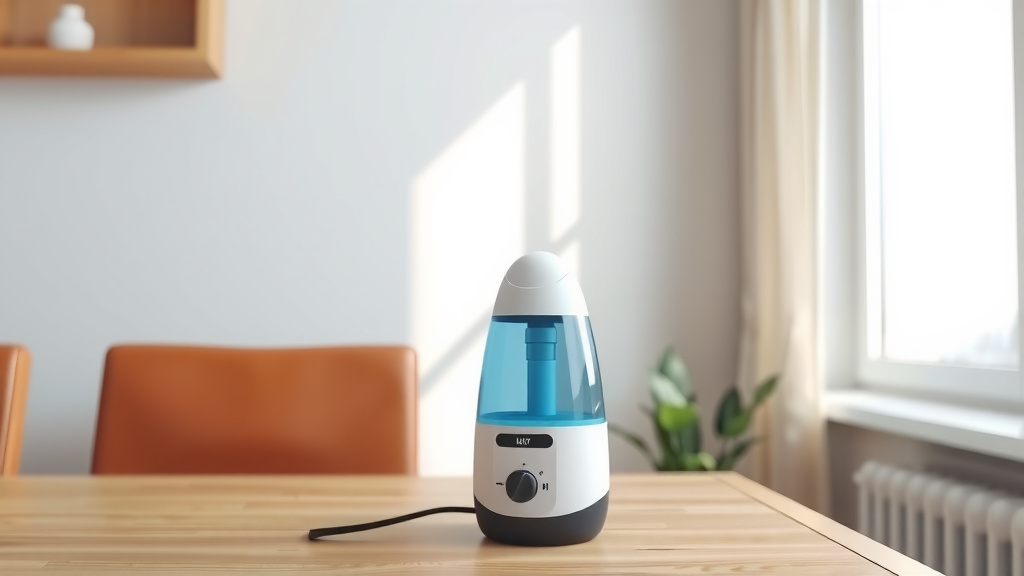
To use an easy air compressor nebulizer, you typically connect the air tube from the compressor to the nebulizer cup, add your prescribed medication, and then breathe in the fine mist through a mouthpiece or mask.
It’s a straightforward process designed to deliver medication directly to your lungs, making respiratory relief accessible at home with your air compressor nebulizer.
Here’s a quick overview of what you’ll discover in this guide:
- Understanding the parts of your nebulizer and how they work together.
- Step-by-step instructions for setting up and using your device safely.
- Helpful tips for breathing correctly to get the most from your treatment.
- Essential advice on cleaning and maintaining your nebulizer for hygiene and longevity.
- When to seek advice from your healthcare provider regarding your respiratory health.
How To Use Easy Air Compressor Nebulizer?
Using an air compressor nebulizer involves connecting specific components, adding your medication, and then breathing normally to inhale the therapeutic mist.
This method helps deliver essential medicine directly to your respiratory system for quick, targeted relief.
Understanding Your Air Compressor Nebulizer
Think of your nebulizer system as a team working together. The main player is the air compressor, which creates pressurized air.
This air travels through a tube to a small container called the nebulizer cup, where your liquid medicine is held.
What Exactly Does a Nebulizer Do?
A nebulizer changes liquid medicine into a fine mist. This mist is much easier for you to inhale deeply into your lungs.
Many experts say this delivery method can be especially effective for conditions like asthma or COPD (Mayo Clinic).
Why Choose an Air Compressor Nebulizer?
Air compressor nebulizers are a popular choice for many people. They are often reliable and robust devices designed for frequent use.
We found that their consistent performance makes them a common recommendation from healthcare providers.
Benefits You’ll Appreciate
One major plus is their ability to deliver a wide range of medications. They are often less intimidating to use than some inhalers, especially for children or the elderly.
Research suggests that their ease of use helps ensure patients take their medication as prescribed (NIH).
Getting Ready: Your Pre-Treatment Checklist
Before you even plug in your device, a little preparation goes a long way. Make sure you have everything you need close by.
This ensures a smooth and effective treatment session without interruptions.
- Wash your hands thoroughly with soap and water. This is a very important step!
- Gather all your nebulizer parts: the compressor, air tubing, nebulizer cup, mouthpiece or mask.
- Have your prescribed liquid medication ready. Check the expiry date.
- Find a clean, flat surface to set up your nebulizer system.
Step-by-Step Guide to Using Your Nebulizer
Ready? Let’s walk through the process together. It’s simpler than you might think once you do it a few times.
Just follow these easy steps to get your treatment started.
Connecting the Components
First, place your compressor on a sturdy surface. Make sure it’s near an electrical outlet and has good airflow around it.
Then, securely attach one end of the air tubing to the air outlet on the compressor.
Adding Your Medication
Carefully open the nebulizer cup. If your medication is pre-measured, pour it directly into the cup.
If you need to measure it, use the provided dropper or syringe to add the exact amount recommended by your doctor.
Do not overfill the cup; we found that this can reduce treatment effectiveness.
Assembling the Nebulizer Cup and Mask/Mouthpiece
Once the medication is in, close the nebulizer cup tightly. You don’t want any leaks!
Next, attach the other end of the air tubing to the bottom of the nebulizer cup.
Finally, connect your mouthpiece or mask to the top of the nebulizer cup.
Starting Your Treatment
Plug in the compressor and turn it on. You should hear a gentle hum and see a fine mist coming from the mouthpiece or mask.
If you don’t see mist, double-check all connections to ensure they are secure.
Proper Breathing Technique
If using a mouthpiece, place it between your teeth and seal your lips around it. If using a mask, place it snugly over your nose and mouth.
Breathe in slowly and deeply through your mouth until your lungs feel full, then exhale slowly. Try to take normal, relaxed breaths.
Sometimes, holding your breath for a second or two after inhaling can help the medicine settle in your lungs (Cleveland Clinic).
When Is the Treatment Finished?
Continue breathing until the nebulizer cup is empty, and no more mist is being produced. This usually takes between 5 to 15 minutes.
You might hear a sputtering sound when the medicine is almost gone. Turn off the compressor once finished.
Maintaining Your Nebulizer: Cleaning and Care
Proper cleaning is key to keeping your nebulizer working well and preventing infections. Treat it like a valued tool for your health.
We found that a few minutes of care after each use makes a big difference.
After Each Use: Simple Cleaning
After each treatment, disconnect the nebulizer cup, mouthpiece/mask, and tubing. Discard any remaining medication.
Wash the nebulizer cup and mouthpiece/mask with warm, soapy water. Rinse them thoroughly under running water.
Allow the parts to air dry completely on a clean paper towel. Do not dry with a cloth, as it might leave lint.
Daily Cleaning Tips
Here’s a quick checklist for your daily nebulizer care routine:
- Separate all parts that came into contact with medicine or your breath.
- Wash these parts in warm, soapy water as directed by your manufacturer.
- Rinse them well under clean, running water for at least a minute.
- Let all the washed parts air dry on a clean, lint-free towel.
- Store the dried parts in a clean, sealed bag until your next use.
Weekly Disinfection
Once a week, you’ll need to disinfect your nebulizer parts. This goes beyond simple washing.
Many experts recommend soaking the clean parts in a solution of one part white vinegar to two parts distilled water for about 30 minutes (CDC).
Alternatively, you can use a disinfectant solution recommended by your nebulizer’s manufacturer. Rinse thoroughly and air dry.
Troubleshooting Common Nebulizer Issues
Sometimes, things don’t go exactly as planned. Don’t worry, many issues have simple solutions.
Here’s a quick reference for common problems you might encounter:
| Problem | Possible Cause | Solution |
|---|---|---|
| No Mist or Very Little Mist | Air tube not connected securely. | Check connections on both compressor and nebulizer cup. |
| No Mist or Very Little Mist | Nebulizer cup is empty or blocked. | Add medication; check for clogs and clean thoroughly. |
| Compressor Not Turning On | Not plugged in or power switch is off. | Ensure power cord is fully inserted; flip power switch. |
| Loud Noise from Compressor | Compressor on an uneven surface. | Move to a flat, stable surface. |
| Loud Noise from Compressor | Air filter needs changing. | Consult your manual for air filter replacement. |
When to Talk to Your Doctor
While using your nebulizer is generally safe, it’s important to know when to seek professional medical advice.
Your doctor is your best resource for personal health guidance.
Signs to Look Out For
If you experience increased shortness of breath, chest pain, or worsening symptoms after treatment, contact your doctor.
Also, reach out if you notice unusual side effects from your medication or if the nebulizer doesn’t seem to be helping.
Conclusion
Using an easy air compressor nebulizer can be a straightforward and effective way to manage your respiratory condition at home. You’ve learned about setting it up, taking your medication, and keeping it clean.
Remember, consistency in your treatment and proper maintenance are key to getting the best results. Always follow your doctor’s instructions for medication and consult them with any concerns. Your comfort and health are what truly matter!
How often should I clean my nebulizer?
You should perform a basic cleaning of your nebulizer cup and mouthpiece or mask after each use. A more thorough disinfection, usually by soaking, should be done at least once a week.
Can I use tap water in my nebulizer?
No, you should never put tap water directly into your nebulizer for treatment. Only use your prescribed liquid medication or a sterile saline solution as advised by your doctor.
What if my nebulizer is making a strange noise?
A humming sound is normal for an air compressor. However, if you hear an unusually loud or grinding noise, check that it’s on a flat surface. If the noise persists, it might indicate an issue with the compressor itself, and you should refer to your user manual or contact customer support.
How do I know when to replace my nebulizer parts?
Nebulizer cups and masks often need replacing every 3 to 6 months, or sooner if they become discolored or cracked. The air filter on your compressor should be changed according to the manufacturer’s recommendations, usually every 6 months to a year, or if it looks dirty. The air tubing typically lasts longer but should be replaced if it gets kinked or damaged.
Can children use an air compressor nebulizer?
Yes, air compressor nebulizers are often recommended for children, especially those who struggle with inhalers. Pediatric masks are available to ensure a proper fit and comfortable treatment. Always ensure an adult supervises the child during nebulizer use and that the medication dosage is correct for their age and weight, as prescribed by a pediatrician.