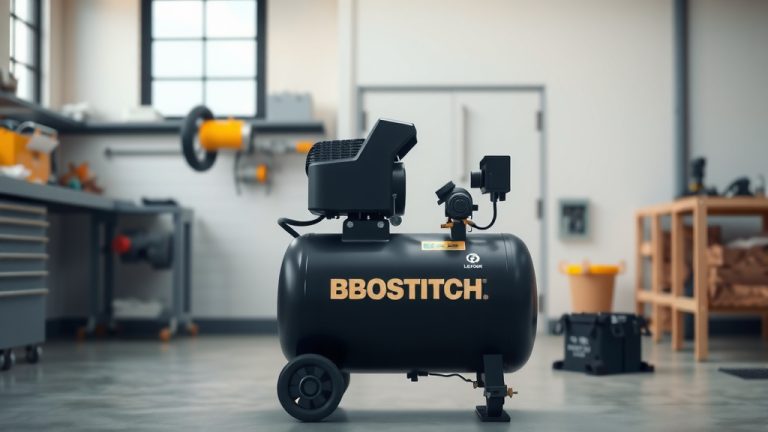
How To Use Electric Air Compressor?
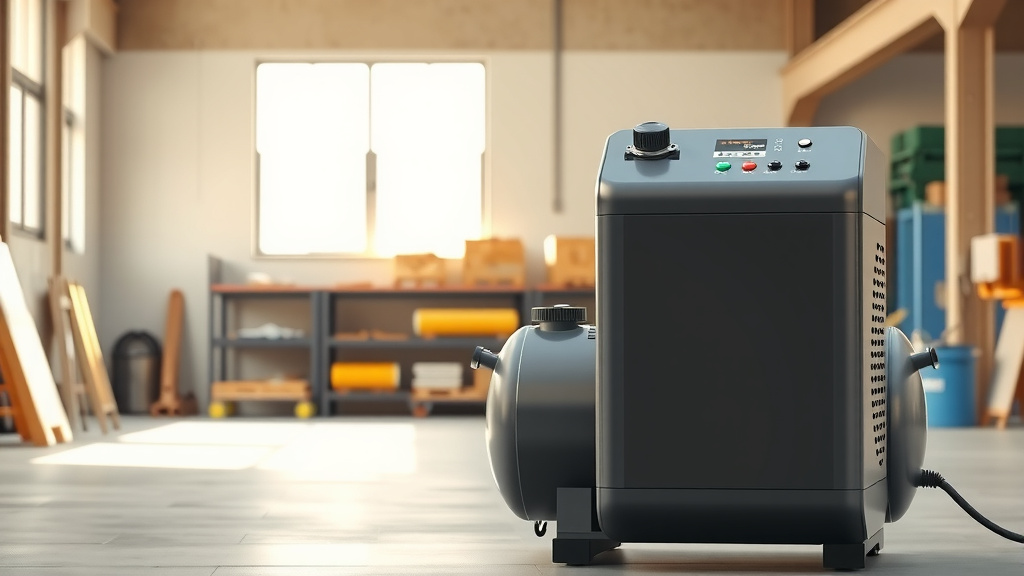
To use an electric air compressor, you first connect the appropriate hose and accessory, then plug it into a power outlet and turn it on. Adjust the pressure setting (PSI) for your task and start working, always ensuring safety and proper maintenance.
Electric air compressors simplify many tasks, from inflating tires to powering tools, by converting electrical energy into pressurized air for versatile use around your home or workshop.
TL;DR: Here’s a quick overview of using your electric air compressor:
- Choose the right compressor for your task.
- Always put safety first with eye and ear protection.
- Connect your hose and accessory securely.
- Plug it in, turn it on, and let the tank build pressure.
- Adjust the PSI to match your tool or inflation requirement.
- After use, drain the tank and store properly.
How To Use Electric Air Compressor?
Using an electric air compressor is straightforward once you understand the basic steps and safety measures. You simply prepare your workspace, connect the right tools, power it up, and adjust the air pressure for your specific project.
Why Even Use an Electric Air Compressor?
Think of an air compressor as your versatile helper around the house or garage. It is much more than just a tire inflator.
Do you need to fill up a pool float, power a nail gun, or clean dust from tight spaces? An electric air compressor can handle these tasks with surprising ease and speed. Many experts say they are a must-have for DIY enthusiasts.
Your Pre-Operation Checklist
Before you even plug in your compressor, a few preparations can make your work safer and smoother. Taking these steps protects both you and your equipment.
Safety Gear is Not Optional
We often hear stories of minor mishaps that could have been avoided with simple safety precautions. Always wear safety glasses to protect your eyes from flying debris.
Additionally, using ear protection is a smart choice. Compressors can be noisy, and long-term exposure to loud sounds is not good for your hearing (NIH).
Location, Location, Location
Place your compressor on a flat, stable surface. This prevents it from tipping over while running. Make sure the area is also well-ventilated.
Air compressors produce heat, and good airflow helps to keep them cool. Avoid damp or dusty environments for longevity of the machine.
Getting Your Compressor Ready
Now that you are safe and set up, it’s time to connect everything. This part is about making sure your air flows exactly where you want it.
Connecting the Hose
Your air hose is the pathway for the compressed air. Securely attach one end of the hose to the compressor’s air outlet. Then, connect the other end to your chosen air tool or attachment.
Many hoses use quick-connect fittings, which click into place. A quick tug confirms it is secure.
Choosing the Right Attachment
What are you working on today? Inflating a bike tire needs a different attachment than spraying paint. Make sure your attachment is compatible with your hose and compressor.
You will find various attachments like tire chucks, blow guns, nail guns, or paint sprayers. Pick the one that matches your task perfectly.
Powering Up and Pressure Control
This is where the magic happens! Your electric compressor transforms electricity into ready-to-use air power.
Plugging It In
Plug your compressor into a grounded electrical outlet. Check your compressor’s manual for specific electrical requirements. Some larger units might need a dedicated circuit.
Turn on the compressor’s power switch. You will hear it start to fill its air tank. This process can take a few minutes, depending on the tank size.
Setting the PSI
PSI, or Pounds per Square Inch, measures air pressure. Most air tools and inflatable items have a recommended PSI printed on them. Always check this before use.
Locate the pressure regulator on your compressor. Turn the knob to adjust the PSI to your desired setting, watching the gauge. Start low and increase as needed; you can always add more pressure but removing it takes time.
Common Tasks for Your Compressor
Electric air compressors are surprisingly versatile. We found that they are used for a variety of tasks in homes and workshops (Consumer Reports).
| Task | Recommended PSI Range | Common Attachment |
|---|---|---|
| Inflating Tires (Car) | 30-35 PSI | Tire Chuck |
| Inflating Sports Balls | 8-12 PSI | Needle Inflator |
| Using a Brad Nailer | 70-90 PSI | Nail Gun |
| Dusting/Cleaning | 30-50 PSI | Blow Gun |
Keeping Your Compressor Healthy
Proper care extends the life of your air compressor significantly. A little regular maintenance avoids bigger problems down the road.
Draining the Tank
This is arguably the most important maintenance step. Air compressors pull moisture from the air, which collects in the tank. If not drained, this water can cause rust and damage.
After each use, or at least weekly if used regularly, open the drain valve located at the bottom of the tank. Let all the collected moisture out until only air escapes.
Air Filter Check
The air filter stops dust and debris from entering the compressor’s motor. A dirty filter makes the compressor work harder and less efficiently.
Check your air filter regularly, perhaps monthly. Clean it according to your manual, or replace it if it looks worn or clogged. This helps maintain optimal performance.
What If Things Go Wrong? (Basic Troubleshooting)
Sometimes, things do not go as planned. Do not panic! Many common issues have simple fixes.
If your compressor is not turning on, check the power cord and circuit breaker. If it is running but not building pressure, check for loose hose connections or a faulty pressure switch. Your owner’s manual is a treasure map to solutions.
Pro Tips for Optimal Use
Want to get the most out of your electric air compressor? Here are a few expert-backed suggestions.
- Always refer to your owner’s manual. It contains specific details for your model.
- Use an air hose with the correct diameter for your tools to avoid pressure drops.
- Let your compressor cool down after extended use, especially if it is a smaller unit.
- Store it in a dry, clean place to keep rust and dust away.
Your Compressor Checklist
Here’s a quick reminder for smooth operation:
- Safety gear on?
- Hose and tool connected?
- Power cord secure?
- Pressure setting adjusted?
- Drain valve closed (before use)?
- Tank drained (after use)?
Conclusion
Using an electric air compressor becomes second nature with practice. By prioritizing safety, preparing your setup correctly, and performing basic maintenance, you are setting yourself up for success.
Whether you are a seasoned DIYer or just starting, your air compressor is a powerful tool ready to help with many projects. Just remember to treat it well, and it will serve you faithfully.
Frequently Asked Questions About Electric Air Compressors
How do I know what PSI to use for my tool?
Most air tools, like nail guns or impact wrenches, have their recommended PSI range printed directly on the tool or in their user manual. For inflatable items like tires or sports balls, the desired PSI is usually marked on the item itself. Always stick to these recommendations to avoid damage.
Is it okay to leave my electric air compressor plugged in all the time?
For safety and energy saving, it’s generally best to unplug your electric air compressor when you are not using it. While many compressors have automatic shut-off features, unplugging ensures no accidental power draws or risks. Always remember to drain the tank first.
What kind of extension cord should I use with an air compressor?
Using the correct extension cord is important for safety and performance. We found that a heavy-duty, outdoor-rated extension cord with a proper gauge (often 12 or 10 gauge for longer cords, depending on the compressor’s wattage) is best. A too-thin cord can cause voltage drops and overheat.
How often should I drain the air tank on my compressor?
It is recommended to drain the air tank after every use, especially if you live in a humid environment. This prevents moisture buildup, which can lead to rust inside the tank and shorten its lifespan. If you use it infrequently, draining it once a week or before extended storage is a good habit.
Can I use any air tool with any electric air compressor?
While many air tools are compatible with standard air compressor fittings, you need to match the tool’s air consumption (CFM – Cubic Feet per Minute) and pressure requirements (PSI) with your compressor’s output capabilities. A small compressor might not generate enough air for continuous use with a large impact wrench, even if the fitting matches.