How To Use EverStart Air Compressor?
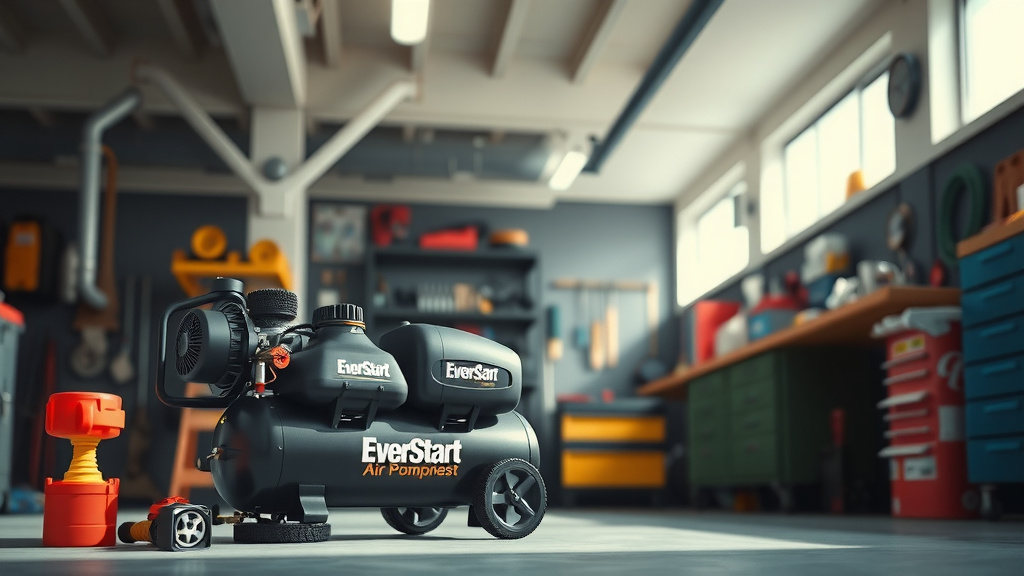
Using an EverStart Air Compressor involves connecting it to power, attaching the correct nozzle, setting the desired pressure, and engaging the compressor to inflate items safely. Always prioritize reading your specific model’s manual for detailed instructions on how to use your EverStart Air Compressor safely and effectively.
- Get started fast with your EverStart air compressor by following simple setup steps.
- Learn essential safety tips to keep yourself and your equipment secure during use.
- Discover how to inflate tires, sports gear, and even use light air tools effectively.
- Maintain your compressor with easy checks like draining moisture for longer life.
- Find quick solutions to common problems, ensuring smooth and reliable operation.
How To Use EverStart Air Compressor?
To use an EverStart air compressor, plug it in, attach the right accessory, set your target pressure, and turn it on. It’s a straightforward process once you know the basics.
Why An EverStart Compressor is a Smart Choice
EverStart compressors are often seen as a reliable option for everyday tasks. Many experts say they are perfect for homeowners and DIY enthusiasts. They offer a good balance of power and portability for various inflation needs.
Safety First: Your Most Important Step
Before you even think about plugging in your compressor, safety must be your top priority. Think of it like cooking: you wouldn’t start chopping onions without a clean cutting board, would you? We found that most accidents are preventable with simple precautions (National Safety Council).
Essential Safety Gear
Always wear safety glasses or goggles to protect your eyes from debris. We also recommend hearing protection, especially for prolonged use. Air compressors can be surprisingly loud, and prolonged exposure can damage your hearing (OSHA).
Getting Your Compressor Ready
Setting up your EverStart compressor is quick and easy. Imagine setting up a new coffee maker; you just need to get it in place and plug it in. The same goes for your compressor.
Unboxing and Inspection
Carefully remove your compressor from its packaging. Take a moment to check for any visible damage from shipping. Make sure all parts, like hoses and nozzles, are present. You don’t want any surprises when you’re ready to start.
Placing Your Compressor
Position your compressor on a flat, stable surface. Keep it away from walls to ensure proper airflow and cooling. Good ventilation helps prevent overheating and extends the life of your unit, we found (Consumer Reports).
Power Connection
Plug your compressor into a grounded electrical outlet. Avoid using extension cords unless absolutely necessary. If you must use one, ensure it’s rated for the compressor’s power draw and is in good condition.
Understanding Your EverStart Controls
Every EverStart compressor has a few key controls. Learning what each one does is like learning the dashboard of your car. Once you know them, operation becomes second nature.
Pressure Gauge Explained
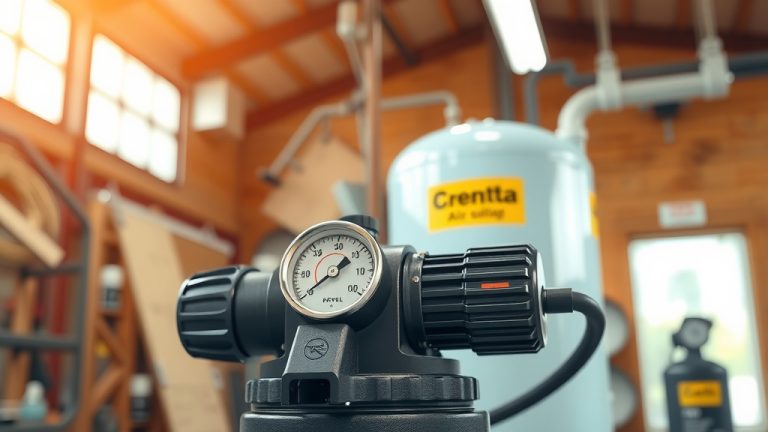
The pressure gauge displays the current air pressure inside the tank. It’s your window into how much air is available. You’ll watch this closely as the compressor fills up and when you are inflating items.
On/Off Switch
This is pretty straightforward, isn’t it? The on/off switch does exactly what it says. Flip it to “on” to start the motor and “off” to stop it. Always turn it off when you’re done or need to pause.
Regulator Dial
The regulator dial allows you to adjust the output air pressure. This is super important because different items need different pressures. You wouldn’t put the same air in a bicycle tire as a car tire, right? Set this before you start inflating.
Simple Steps to Inflate Tires
Inflating tires is one of the most common uses for an EverStart compressor. It’s a skill every car owner or cyclist should master. Let’s walk through it together.
Checking Tire Pressure
Always check the recommended PSI (pounds per square inch) for your tire first. You can find this on a sticker inside your car’s driver-side door jamb or on the tire’s sidewall. Knowing the right number prevents over-inflation.
Connecting the Hose
Attach the air hose securely to the compressor’s outlet. Then, connect the appropriate nozzle to the tire valve stem. You should hear a slight hiss of air as you connect, which is normal.
Inflating Correctly
Turn on your compressor and allow it to build pressure. Then, activate the air chuck or trigger. Inflate in short bursts, checking the pressure frequently with a separate gauge. Stop when you reach the recommended PSI.
Beyond Tires: Other Uses
Your EverStart compressor is a versatile tool. It’s not just for tires; think of it as your portable air solution for many tasks around the home and garage.
Inflating Sports Equipment
Do your basketballs or soccer balls feel a bit flat? Use a needle attachment with your compressor. Set a low pressure, usually around 8-12 PSI, and inflate carefully. This prevents any damage to the ball.
Powering Air Tools
While many EverStart compressors are smaller, some models can power lighter air tools. Think about a nail gun for small projects or an air duster. Always check the tool’s CFM (cubic feet per minute) requirement against your compressor’s output.
Maintaining Your Compressor’s Health
Just like you service your car, your air compressor needs a little love too. Regular maintenance ensures it runs efficiently and lasts for years. It’s simple upkeep, really.
Draining Moisture
Air compressors create condensation, which collects as water in the tank. After each use, or at least weekly, open the drain valve at the bottom of the tank. This prevents rust and extends tank life. Many experts agree this is a critical step (Compressor World).
Air Filter Check
Periodically inspect the air filter. A dirty filter can reduce efficiency. Clean or replace it as needed, following your manual’s guidelines. A clean filter ensures clean air goes into your tank.
Here’s a quick look at common maintenance tasks:
| Maintenance Task | Frequency | Why It Matters |
|---|---|---|
| Drain moisture from tank | After each use / Weekly | Prevents rust, extends tank life |
| Check/clean air filter | Monthly / As needed | Maintains efficiency, protects motor |
| Inspect hose and fittings | Monthly | Ensures safety, prevents leaks |
| Check oil level (if applicable) | Before each use | Lubricates parts, prevents wear |
Troubleshooting Common Issues
Even the best tools can sometimes act up. Don’t worry, many EverStart compressor issues are minor and easy to fix. Here’s a quick checklist to help you out.
- No power? Check the plug, outlet, and circuit breaker.
- Compressor not building pressure? Ensure all connections are tight, check for leaks.
- Air leaks? Listen for hissing. Tighten fittings or replace worn seals/hoses.
- Motor runs but no air? The tank might be full, or a valve could be stuck.
- Compressor running constantly? You might have a slow leak in the system.
- Strange noises? Turn it off immediately and consult your manual.
Conclusion
Using your EverStart air compressor doesn’t have to be complicated. By following these simple steps—prioritizing safety, understanding the controls, and performing basic maintenance—you’ll ensure it’s always ready when you need it. Whether you’re topping off a car tire or getting a basketball ready for play, your EverStart compressor is a practical and dependable tool for countless everyday tasks. Get comfortable with it, and you’ll find it an indispensable part of your garage or workshop.
How do I set the correct pressure on my EverStart compressor?
You set the correct pressure using the regulator dial located near the air outlet. Turn the dial to increase or decrease the output pressure, monitoring the separate pressure gauge (or the one on your inflation tool) until you reach the desired PSI for your item. Always check the item’s recommended pressure first.
Can I leave my EverStart air compressor plugged in all the time?
It’s generally not recommended to leave your air compressor plugged in continuously, especially if it’s not being used. Unplugging it helps conserve energy, reduces the risk of electrical issues, and prevents the compressor from cycling on and off unnecessarily due to minor leaks in the system.
What kind of air hose should I use with my EverStart compressor?
Most EverStart compressors come with a basic air hose. For general use, a PVC or rubber hose is common. Look for hoses with appropriate pressure ratings for your compressor. If you need more flexibility or durability, polyurethane or hybrid hoses are excellent choices, especially in colder temperatures.
How often should I drain the moisture from the tank?
You should drain the moisture from your compressor’s tank after each use, or at a minimum, weekly. This prevents rust and corrosion inside the tank, which can lead to leaks and reduce the compressor’s lifespan. Ignoring this step is one of the quickest ways to damage your unit.
My EverStart compressor isn’t turning on. What should I check first?
First, check that the power cord is securely plugged into a working, grounded outlet. Then, verify that the on/off switch on the compressor is in the “on” position. If it still doesn’t start, check your home’s circuit breaker to ensure it hasn’t tripped. Sometimes, a lack of power is the simplest explanation.