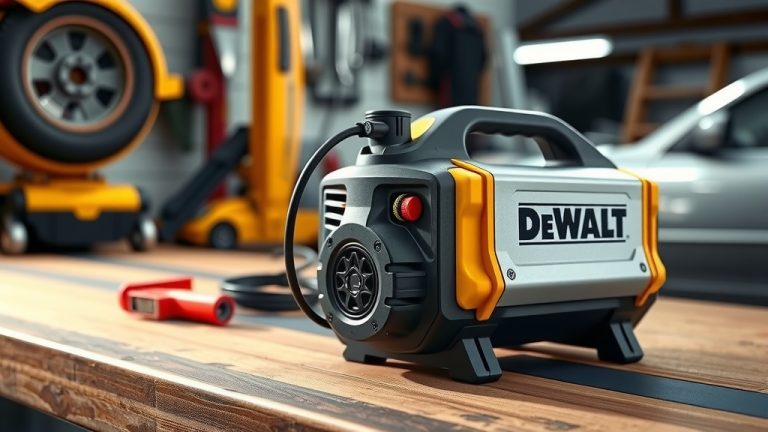
How To Use Halo Air Compressor?
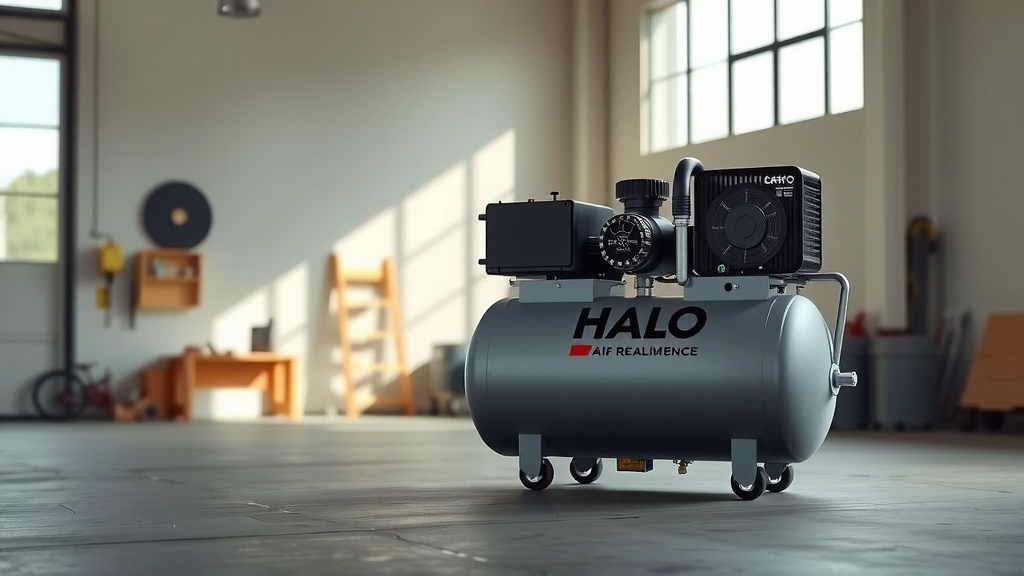
Using your Halo Air Compressor involves connecting it to a power source, attaching the correct nozzle, and setting your desired pressure before inflation.
Always double-check the item’s recommended PSI before operating your Halo Air Compressor to prevent damage from over-inflation.
Before you dive into the details, here’s a quick summary of how to get the most from your Halo Air Compressor:
- Charge your compressor fully before first use.
- Always read your device’s manual for specific instructions.
- Connect the air hose securely to the item you want to inflate.
- Set the correct pressure (PSI) for tires or other inflatables.
- Monitor the inflation process carefully to avoid overfilling.
How To Use Halo Air Compressor?
Using your Halo Air Compressor is straightforward for tasks like inflating tires or sports equipment. It’s designed for convenience, making everyday inflation needs quick and simple for anyone to handle.
Getting Started with Your Halo Compressor
First things first, let’s get your Halo Air Compressor ready for action. Think of it like a trusted tool; a little preparation makes all the difference.
Unpacking and Initial Charge
When your Halo compressor arrives, take it out of the box. Many experts recommend giving any new portable electronic device a full initial charge (Consumer Reports). This ensures the battery is conditioned for longer life and optimal performance. Connect it to an appropriate power source and let it charge until the indicator light shows it’s full.
Understanding the Control Panel
Your Halo Air Compressor typically features a simple control panel. You’ll usually find an on/off button, a display for pressure readings (PSI), and buttons to adjust the target pressure. Take a moment to familiarize yourself with these controls. It’s like learning the dashboard of a new car – simple but important.
Safety First: Essential Precautions
Safety is not just a suggestion; it’s a rule. When working with any powered tool, especially one involving pressure, being careful helps protect you and your equipment.
Why Safety Matters So Much
You’re dealing with compressed air, which can be forceful. Over-inflating can cause items to burst, potentially leading to injuries or damage. We found that most incidents occur when users don’t follow the manufacturer’s guidelines.
Key Safety Checklist
Before you even power on your Halo, run through this quick mental checklist:
- Always wear eye protection to guard against debris.
- Work in a well-ventilated area, especially if indoors.
- Ensure the compressor is on a stable, flat surface.
- Keep children and pets at a safe distance from the operating unit.
- Never leave the compressor unattended while it’s working.
- Avoid pointing the air nozzle at yourself or others.
Step-by-Step Guide to Inflation
Now, let’s walk through the actual inflation process. It’s simpler than you might think, almost like following a recipe.
Preparing Your Item for Inflation
Before connecting the compressor, identify the recommended pressure (PSI) for the item you’re inflating. For car tires, this is often found on a sticker inside the driver’s side door jamb or in your owner’s manual. For bike tires or sports balls, the PSI is usually printed on the item itself. Knowing this number is your first crucial step.
Connecting the Nozzle
Your Halo Air Compressor comes with various nozzle attachments. Select the one that fits your item’s valve stem. For most car tires, you’ll use the standard screw-on or quick-connect attachment. Securely attach the nozzle to the valve stem. You want a snug, airtight fit to prevent air leaks during inflation.
Setting the Pressure
Many Halo models allow you to pre-set the desired pressure. Use the “+” and “-” buttons on the control panel to dial in the PSI you identified earlier. This feature is really handy; it means the compressor will automatically stop once that pressure is reached. This prevents overfilling and adds peace of mind.
Starting and Monitoring Inflation
Once everything is connected and the pressure is set, press the power button to begin inflation. The compressor will start working, and you’ll see the current pressure reading on the display. Stay close and monitor the process. While auto-shutoff is great, it’s always wise to observe and confirm.
Disconnecting Safely
When the compressor stops (or you turn it off manually), carefully disconnect the nozzle from the item. There might be a small hiss as any residual air escapes, which is normal. Store the hose and nozzles neatly back in their designated spots. It’s a bit like tidying up after baking – clean and organized for next time.
Common Uses for Your Halo Air Compressor
Your Halo Air Compressor is a versatile tool. It’s not just for car tires; it has many other practical applications around the home and on the go.
Tire Inflation Made Easy
This is perhaps its most common use. Whether it’s your car, bicycle, or motorcycle tires, maintaining proper pressure is critical for safety, fuel efficiency, and tire longevity. We found that regularly checking tire pressure can extend tire life significantly (National Highway Traffic Safety Administration).
Inflating Sports Equipment
Got flat basketballs, soccer balls, or footballs? Your Halo can quickly bring them back to life. Just choose the appropriate needle attachment, connect it, and inflate. It’s perfect for keeping your game-day equipment ready for action.
Handy for Inflatables
From pool floats to air mattresses, your Halo Air Compressor can handle various inflatables. Remember to check the pressure requirements for these items, as they often need lower PSI settings than tires. This makes summer fun or guest preparations much easier, avoiding the need for manual pumping.
Troubleshooting Common Issues
Even the best tools can have small hiccups. Don’t worry, many issues with air compressors are easy to fix.
Compressor Not Turning On
If your Halo isn’t powering up, first check the battery charge. Is it fully charged? If it’s plugged into a vehicle, ensure the power outlet is working. Sometimes, a simple recharge or checking the power connection is all it takes to get it running.
Slow Inflation
Is your compressor working but inflating very slowly? Check the nozzle connection. A loose connection will cause air to leak, reducing efficiency. Also, ensure the item’s valve stem isn’t blocked or damaged. A secure connection is key to quick inflation.
Pressure Gauge Inaccuracies
If you suspect the pressure gauge is off, you can compare its reading with a separate, known-accurate tire gauge. If there’s a significant difference, you might need to rely on the external gauge or have the compressor serviced. For general use, a slight variation is often acceptable, but for precise work, a calibrated gauge helps.
Maintenance Tips for Longevity
Just like any tool, a little care for your Halo Air Compressor will help it last longer and perform better.
Keeping Your Halo in Top Shape
Regularly clean the exterior of your compressor, wiping away dust and grime. Check the air hose and nozzles for any signs of wear or damage. We found that simple cleaning habits can prevent minor issues from becoming major problems.
Storage Best Practices
Store your Halo in a cool, dry place, away from direct sunlight and extreme temperatures. If it has a built-in battery, make sure to recharge it periodically, even if not in use. Many experts suggest recharging lithium-ion batteries every few months to maintain their health (Battery University). This helps preserve the battery’s lifespan.
Here’s a quick look at how a portable Halo Air Compressor generally compares to larger, stationary units:
| Feature | Halo Air Compressor (Portable) | Larger Air Compressor (Stationary) |
|---|---|---|
| Portability | Highly portable, often battery-powered. | Heavy, usually requires wall power, not mobile. |
| Primary Use | Tire inflation, sports equipment, small inflatables. | Powering air tools, paint spraying, continuous heavy-duty work. |
| Pressure Output | Sufficient for basic inflation tasks. | Higher pressure and continuous airflow for demanding tasks. |
| Noise Level | Generally quieter, especially smaller models. | Can be quite loud due to larger motors and pumps. |
| Maintenance | Minimal, mainly battery care and cleaning. | Requires more involved maintenance (oil changes, filter checks). |
Conclusion
Using your Halo Air Compressor is a straightforward process that brings a lot of convenience to your daily life. By following simple steps for setup, operation, and safety, you can effectively inflate tires, sports equipment, and various inflatables. Regular care and understanding its basic functions will help you keep your Halo compressor working optimally for years to come. It’s truly a handy device for many common household and automotive needs.
FAQs About Halo Air Compressors
Can a Halo Air Compressor jump-start a car battery?
Many Halo Air Compressor models are multifunction devices that include a jump-starter feature. Check your specific model’s specifications; if it has jumper cables and a dedicated jump-start button, then yes, it can provide a quick boost to a dead car battery.
How long does it take to charge a Halo Air Compressor?
The charging time for a Halo Air Compressor varies depending on the model and its battery capacity, as well as the charger used. Typically, a full charge can take anywhere from 3 to 6 hours when depleted, but it’s always best to consult your product manual for precise charging times.
Is a Halo Air Compressor suitable for truck tires?
While a Halo Air Compressor can technically inflate some light truck tires, it’s primarily designed for standard car tires, motorcycle tires, and smaller inflatables. Larger truck tires require higher pressure and more continuous airflow, which might overwork a portable Halo unit. For heavy-duty truck tires, a more robust, higher-capacity compressor is recommended.
Can I use a Halo Air Compressor indoors?
Yes, you can use a Halo Air Compressor indoors, especially given its portable and often quieter operation compared to larger units. However, always ensure the area is well-ventilated, and avoid using it near flammable materials. Safety is always a priority, regardless of location.
What is the maximum PSI for a Halo Air Compressor?
The maximum PSI (pounds per square inch) a Halo Air Compressor can deliver varies by model, but most are designed to reach around 100-150 PSI. This range is ample for inflating car tires, which typically require 30-35 PSI, and other common household inflatables. Always check your specific model’s technical specifications for its exact maximum pressure capability.