How To Use Halo Bolt Air Compressor?
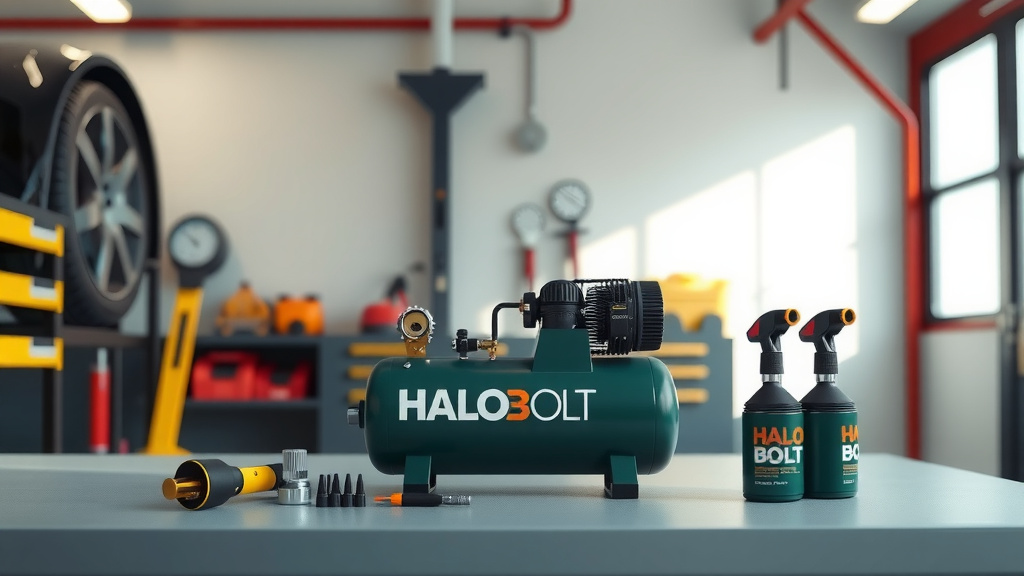
To use your Halo Bolt Air Compressor, first ensure the device is fully charged and select the correct nozzle for your item. Connect the nozzle to the inflation hose, then firmly attach it to the item you wish to inflate.
Finally, set your target pressure (PSI) on the digital display and press the start button to begin inflating, watching the progress closely until complete.
- Get started quickly by confirming your Halo Bolt is charged.
- Connect the right attachment for your specific inflation need.
- Securely attach the hose to your tire, ball, or other inflatable item.
- Set the desired pressure using the clear digital display.
- Begin inflating and stop once the target PSI is reached for optimal results.
Ever found yourself stranded with a flat tire or needing to pump up a sports ball, only to realize you’re far from an air pump? The Halo Bolt Air Compressor can be a real lifesaver in those moments. It’s more than just a jump starter; it’s a versatile tool designed to give you peace of mind.
Many of us own one, but do you know how to use it effectively? You might be surprised at how simple it is to operate. We’re here to walk you through each step, ensuring you feel confident using your Halo Bolt for various inflation tasks.
How To Use Halo Bolt Air Compressor?
Using your Halo Bolt Air Compressor is straightforward, making it easy to inflate tires, sports equipment, and more with its built-in versatility.
Getting Your Halo Bolt Ready
Before you even think about inflating anything, a quick check is a smart move. Is your Halo Bolt Air Compressor fully charged? We found that a full charge ensures it runs efficiently and reliably, especially for larger tasks like car tires.
You’ll usually see a battery indicator on the device. If it’s low, connect it to a power source and let it charge up. Think of it like fueling up your car before a long trip; you wouldn’t want to run out halfway, would you?
Choosing the Right Nozzle
Your Halo Bolt comes with a few different nozzle attachments. Each one is designed for specific items. For instance, you’ll have one for car tires, another for sports balls, and often a smaller one for air mattresses or pool floats.
Take a moment to identify which nozzle matches what you need to inflate. Using the correct one ensures a secure fit and efficient air transfer. It’s like picking the right key for a lock; the wrong one just won’t work properly.
Connecting to Your Item
Now that your Halo Bolt is ready and you have the right nozzle, it’s time to connect. First, attach your chosen nozzle firmly to the inflation hose on the Halo Bolt. It usually screws on or clicks into place securely.
Next, connect the nozzle to the item you’re inflating. For tires, simply screw the tire valve adapter onto the tire’s valve stem until it’s snug. For balls, push the needle into the ball’s valve. You want a tight seal to avoid air leaks.
Understanding PSI (Pounds Per Square Inch)
PSI is simply the measurement of air pressure. Every item you inflate has a recommended PSI. For car tires, this number is usually found on a sticker inside your car’s driver-side door jamb or in the owner’s manual (Many experts suggest never exceeding the manufacturer’s recommended PSI).
Sports balls often have the PSI printed right near the inflation valve. Air mattresses or floats might have it on their packaging or printed on the item itself. Knowing this number is critical for safe and proper inflation.
Setting Your Desired Pressure
Your Halo Bolt Air Compressor features a digital display. This is where you’ll set your target PSI. Turn on the Halo Bolt and look for the pressure setting buttons, often marked with plus and minus signs.
Carefully adjust the setting until it matches the recommended PSI for your item. It’s like setting the timer on an oven; you want it just right. Double-check your setting before moving on to prevent over or under-inflation.
Initiating Inflation and Monitoring Progress
Once your desired PSI is set, simply press the start button on your Halo Bolt. You’ll hear the compressor whir to life, and the digital display will show the current pressure increasing as air fills your item.
Stay close and keep an eye on the display. Most Halo Bolt models will automatically shut off once they reach the set pressure. However, it’s a good practice to monitor it yourself, especially for delicate items. Research often connects proper monitoring with extended product life (Consumer Reports).
Post-Inflation Steps
Once the compressor stops, or you manually turn it off, disconnect the nozzle from your item. Do this quickly to prevent too much air from escaping. Sometimes, you might hear a small hiss; that’s normal.
Store your nozzles and hose neatly back with your Halo Bolt. Keeping everything organized makes it easier for the next time you need it. Think of it as putting your tools away after a job well done.
Here’s a quick checklist to ensure you’re always prepared:
- Charge the Halo Bolt fully before use.
- Verify the item’s recommended PSI.
- Select and attach the correct nozzle.
- Securely connect the hose to the item.
- Set the target PSI on the Halo Bolt.
- Monitor inflation and disconnect promptly.
Using Your Halo Bolt for Different Items
The beauty of the Halo Bolt is its versatility. Let’s look at some common uses:
| Item to Inflate | Typical PSI Range | Important Tip |
|---|---|---|
| Car Tire | 30-35 PSI | Check car door jamb for exact PSI. |
| Bicycle Tire | 40-60 PSI | Road bikes can be higher, mountain bikes lower. |
| Basketball | 7-9 PSI | Avoid over-inflating to prevent damage. |
| Football/Soccer Ball | 8-12 PSI | Use the needle attachment carefully. |
| Air Mattress | 0.5-1.5 PSI | Inflate until firm, not rock hard. |
For Car Tires: A Roadside Helper
Imagine finding a slightly low tire while you’re out. Instead of searching for a gas station, your Halo Bolt can get you back on track. Just follow the steps above, referring to your car’s recommended PSI. It’s a genuine time-saver.
For Sports Equipment: Ready for Play
No more flat basketballs when the kids want to play! The needle attachment makes quick work of inflating balls. It means less waiting and more playing, keeping the fun going effortlessly.
For Recreation: Pools and Camping
Setting up an air mattress for camping or inflating pool floats can be a chore with a hand pump. Your Halo Bolt makes these tasks quick and simple. You’ll be relaxing faster, which is always a plus.
Maintenance and Safety Tips
Keeping your Halo Bolt in top shape ensures it lasts longer. Store it in a cool, dry place when not in use. We found that proper storage really helps extend the battery life and overall functionality of the device.
Always keep the vents clear of debris to prevent overheating. And remember, while it’s a powerful tool, it’s not a toy. Keep it away from children and handle it responsibly. Safety first, always.
Conclusion
The Halo Bolt Air Compressor is a truly handy device, blending the power of a jump starter with the utility of an air pump. By following these simple steps, you can confidently use it to tackle flat tires, under-inflated sports gear, and more. It offers practical solutions and genuine peace of mind, whether you’re on the road or at home. Knowing how to operate it unlocks its full potential, making everyday tasks just a little bit easier for you.
What should I do if my Halo Bolt Air Compressor isn’t turning on?
First, ensure the device is fully charged using its original charging cable. If it still doesn’t power on, try a different charging port or cable to rule out accessory issues. If issues persist, refer to your owner’s manual or contact Halo Bolt customer support.
Can I use the Halo Bolt Air Compressor in very cold weather?
While many portable air compressors can function in cold weather, extreme temperatures can affect battery performance and inflation speed. It’s often best to operate it within recommended temperature ranges specified in the user manual to maintain efficiency and battery health.
How long does it typically take to inflate a standard car tire with a Halo Bolt?
The inflation time for a standard car tire can vary depending on how flat it is and the specific Halo Bolt model. Generally, topping off a tire (e.g., from 25 PSI to 35 PSI) might take 3-5 minutes. Inflating a completely flat tire will take longer, usually around 10-15 minutes or more.
Is it safe to leave the Halo Bolt Air Compressor connected to a tire after inflation?
No, it is not recommended to leave the compressor connected after inflation is complete. Once the target pressure is reached, or you manually stop it, disconnect the hose promptly. Prolonged connection serves no purpose and could potentially strain the device or lead to minor air loss.
What’s the maximum PSI the Halo Bolt Air Compressor can achieve?
Most Halo Bolt Air Compressor models have a maximum pressure output of around 100-120 PSI. This is sufficient for almost all passenger car tires, bicycle tires, and common inflatable items. Always check your specific model’s specifications in the user manual to confirm its maximum PSI capability.