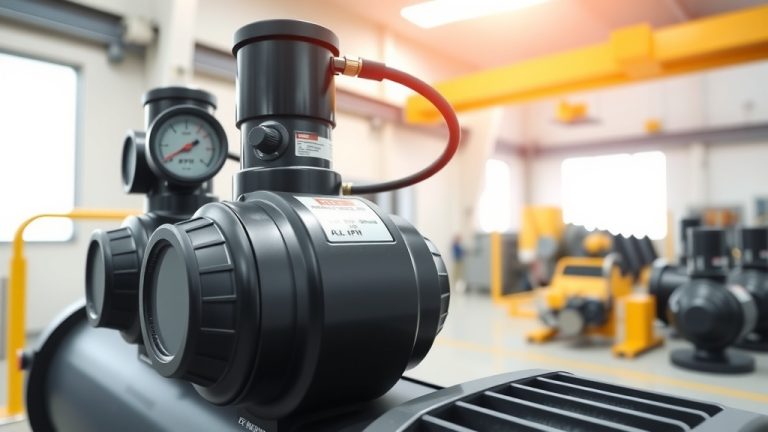
How To Use Husky 8 Gallon Air Compressor?
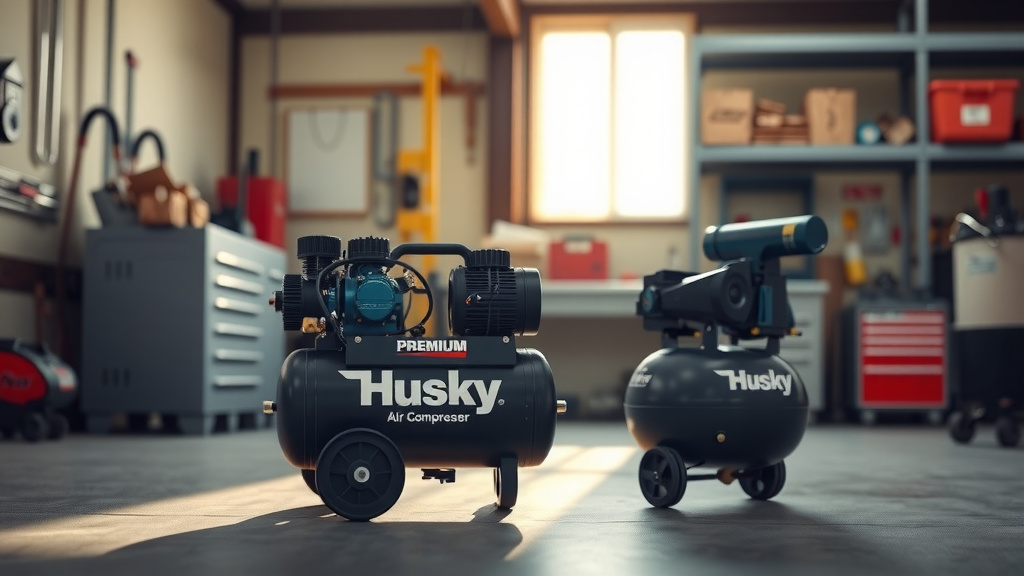
To use your Husky 8 Gallon Air Compressor, first connect your air tool to the quick coupler and plug in the unit.
Then, adjust the pressure regulator to your desired PSI and always drain the tank after each session to maintain your Husky 8 Gallon Air Compressor.
- The Husky 8 Gallon Air Compressor is a versatile tool for many DIY projects.
- Prioritize safety by reading your manual, wearing eye protection, and working in a ventilated area.
- Connecting tools is simple with quick-connect couplers; just ensure a snug fit.
- Set the correct air pressure using the regulator for your specific task to prevent damage.
- Regular maintenance, especially draining the tank, helps extend the life of your compressor.
How To Use Husky 8 Gallon Air Compressor?
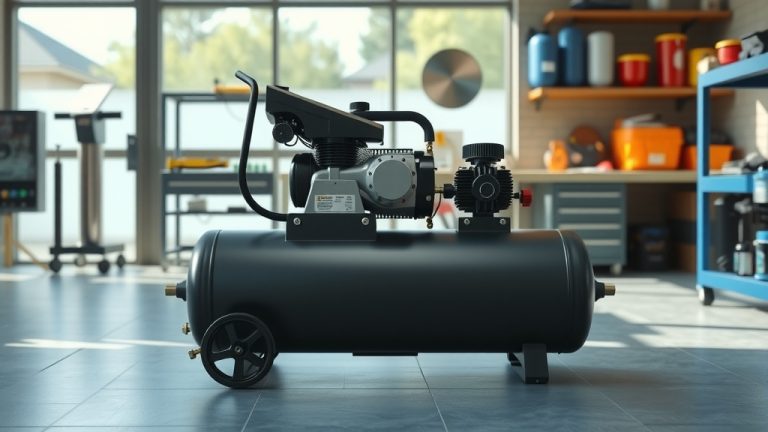
Using your Husky 8 Gallon Air Compressor involves simple steps. You will connect tools, set pressure, and then perform routine maintenance for longevity. It is a reliable machine, perfect for many home and garage tasks.
Getting Started: Unboxing and Placement
Once you bring your new compressor home, you will want to get it set up correctly. Unbox it carefully, removing all packing materials. Then, you need to find the perfect spot.
Choosing the Right Spot
Many experts suggest placing your air compressor on a flat, level surface. This helps prevent it from tipping over. Also, ensure there’s enough space around it for good airflow, which keeps the motor from overheating (Husky Manual).
Essential Safety First
Before you even plug it in, safety is paramount. Air compressors are powerful tools. Taking a few moments to review safety guidelines can prevent accidents. Think of it like putting on a seatbelt before driving; it is just common sense.
Electrical Safety Tips
Your Husky 8 Gallon Air Compressor needs a proper electrical connection. We found that using a grounded outlet is always recommended. Avoid extension cords if possible. If you must use one, ensure it is rated for the compressor’s power needs.
Personal Protective Equipment (PPE)
When operating any air tool, you will hear a loud noise. Research shows that ear protection is crucial to prevent hearing damage (OSHA guidelines). Safety glasses protect your eyes from debris, too. Gloves can also help with grip and protect your hands.
Connecting Your Tools
Now, let us get to the fun part: hooking up your air tools. This Husky model often comes with quick-connect fittings. This design makes switching tools super easy.
Quick Couplers Explained
A quick coupler is like a simple puzzle piece. You slide the male fitting on your air hose into the female coupler on the compressor. Many people find a satisfying click when it is correctly seated. Tug gently to ensure it is secure.
Powering Up and Setting Pressure
With your tool connected, you are almost ready. Now it is time to turn on the compressor and set the pressure for your project. This is a critical step for both effectiveness and safety.
Here is a quick checklist before starting:
- Is the power cord securely plugged in?
- Is the air hose firmly attached to the compressor and tool?
- Are all safety precautions in place (PPE worn, clear workspace)?
- Is the pressure regulator set to zero or a low setting?
Understanding the Pressure Regulator
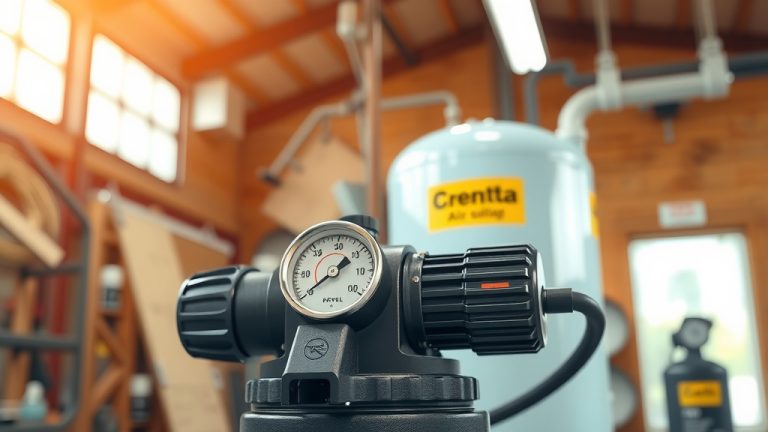
The pressure regulator knob lets you control the air output. Turn it clockwise to increase pressure, counter-clockwise to decrease it. Many experts advise starting low and slowly increasing until you reach the tool’s recommended PSI. Always check your tool’s manual for specific pressure requirements (Pneumatic Tool Institute).
Operating Your Compressor Safely
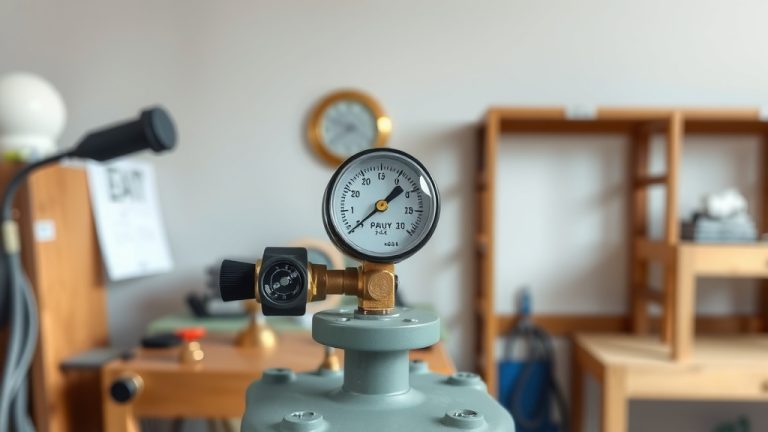
Once everything is set, you can begin your work. Always pay attention to the compressor’s gauges. The tank pressure gauge shows how much air is stored. The regulated pressure gauge shows the air going to your tool.
What Tools Can You Use?
Your Husky 8 Gallon Air Compressor is a versatile machine. It is great for tasks that do not require continuous high-volume air. We found it perfect for intermittent work. This includes many common garage and workshop jobs.
| Common Task | Typical PSI Range | Example Tool |
|---|---|---|
| Inflating Tires | 25-40 PSI | Tire Inflator Gun |
| Brad Nailing / Stapling | 70-90 PSI | Brad Nailer / Stapler |
| Blow Cleaning | 30-50 PSI | Air Blow Gun |
| Light Painting | 40-50 PSI | HVLP Paint Sprayer |
Post-Use Care: Maintenance Matters
After you finish your project, proper shutdown and maintenance steps are crucial. These simple habits will keep your Husky compressor running smoothly for years. It is like putting your car away clean after a long trip.
Draining the Tank: A Must-Do
Condensation builds up inside the air tank. If you do not drain it, this water can cause rust. Rust weakens the tank and can lead to dangerous failures. Many manufacturers emphasize draining the tank after every use (Air Compressor Association).
Locate the drain valve at the bottom of the tank. With the compressor off and depressurized, slowly open the valve. You will see water and sometimes rust-colored liquid come out. Close it tightly once done.
Checking for Leaks
Occasionally check all connections and hoses for air leaks. A small leak might seem minor, but it makes your compressor work harder. This wastes energy and reduces the life of the motor. You can use soapy water to spot small bubbles forming at connection points, indicating a leak.
Conclusion
Using your Husky 8 Gallon Air Compressor is straightforward when you follow these guidelines. From careful setup to consistent maintenance, each step contributes to a safer and more effective experience. Remember, understanding your tools helps you get the most out of them. Enjoy your projects!
What kind of oil does a Husky 8 Gallon Air Compressor use?
Most Husky 8 Gallon Air Compressors are oil-free, meaning they do not require oil for lubrication. Always check your specific model’s manual to confirm, but generally, there is no oil to add or change.
How do I release pressure from my Husky 8 Gallon Air Compressor?
To release pressure, first turn off the compressor. Then, you can either open the drain valve at the bottom of the tank or use an air tool until all pressure is gone. Some models also have a relief valve you can gently pull.
Can I use an impact wrench with a Husky 8 Gallon Air Compressor?
A Husky 8 Gallon Air Compressor can run smaller impact wrenches for light-duty tasks, like lug nuts on a passenger car. However, for continuous or heavy-duty impact wrench use, you will likely need a compressor with a larger tank and higher CFM output.
How often should I clean the air filter on my Husky compressor?
It is good practice to inspect the air filter every few months or more frequently if you are working in a dusty environment. If it appears dirty, clean it according to your manual’s instructions, or replace it if necessary. A clean filter ensures efficient operation.
What does CFM mean for an air compressor?
CFM stands for Cubic Feet per Minute. It measures the volume of air an air compressor can deliver at a given pressure. When choosing air tools, ensure their CFM requirement at your working PSI does not exceed your compressor’s output for optimal performance.