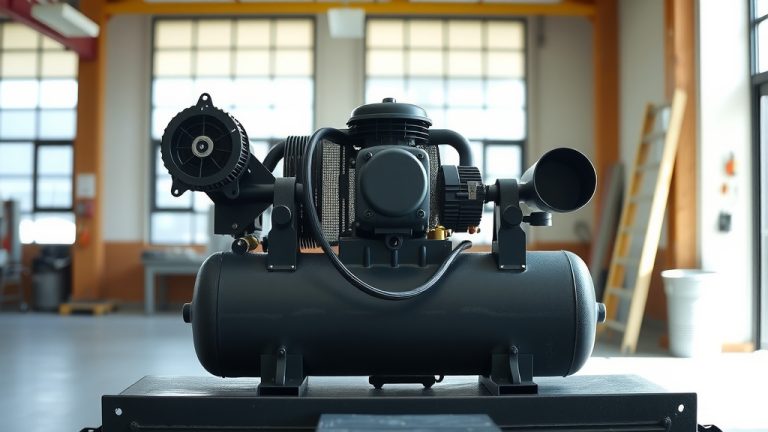
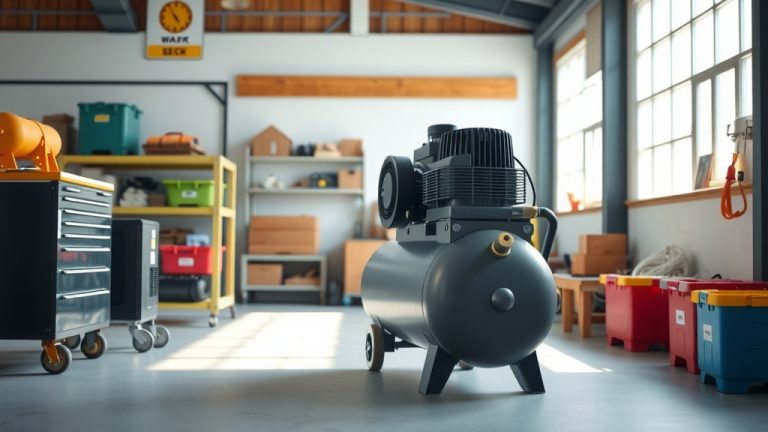
How To Use Husky Air Scout Compressor?
To use the Husky Air Scout Compressor, first connect it to your vehicle’s 12V DC power outlet, then attach the air hose nozzle to the item you wish to inflate, and finally set your desired pressure using the digital controls before activating the compressor. It’s designed for straightforward, quick inflation tasks.
The Husky Air Scout Compressor excels at inflating car tires, bike tires, and sports equipment rapidly, offering a portable and easy-to-manage solution for keeping your inflatables ready for action.
- The Husky Air Scout connects to your car’s 12V port.
- Simply attach the air hose to your tire or inflatable.
- Set your target pressure on the digital display.
- Turn it on and let it fill until it automatically stops.
- Always check your item’s recommended pressure before starting.
How To Use Husky Air Scout Compressor?
Using the Husky Air Scout compressor is quite simple. You will connect it to a power source, attach the nozzle, set your desired pressure, and press a button to begin inflation. It’s built for convenience and portability.
Getting Started: Your First Steps
Unboxing your new Husky Air Scout is the start of easier inflation. This compact compressor is a handy tool for many everyday needs. Let’s get it ready for action together, shall we?
Safety First: Important Precautions
Before you plug anything in, always consider safety. We found that keeping the compressor away from water and flammables is a smart first move. Ensure you are in a well-ventilated area, too.
What’s in Your Kit?
Your Husky Air Scout usually comes with a few key pieces. You’ll find the compressor unit, an air hose with a screw-on connector, and often a set of various adapter nozzles. Knowing what you have helps you choose the right piece for the job.
Connecting Your Air Scout
Think of your compressor as a helpful friend, ready to assist. Connecting it properly ensures it works efficiently and safely. It’s like plugging in your phone charger; you want a secure connection.
Powering It Up: Where to Plug It In
The Husky Air Scout typically runs on 12V DC power. This means it plugs directly into your car’s accessory outlet, often called a cigarette lighter socket. Many experts say to make sure your vehicle is running to avoid draining the battery.
Attaching the Hose: Secure Connections
Now, take the air hose and screw it securely onto the compressor’s air outlet. A snug fit here stops air from leaking out. You want it finger-tight, not overtightened; a gentle twist is enough.
Understanding the Controls: Your Command Center
Don’t be intimidated by the buttons. Your Husky Air Scout has a simple, intuitive interface. It’s like setting the alarm on your phone; a few presses and you’re all set. Familiarity with the controls makes inflation a breeze, literally.
Setting Your Desired Pressure: PSI Management
Many tires and inflatables have a recommended PSI (pounds per square inch) listed. Use the digital buttons on your Air Scout to set this target pressure. Some guidelines point to checking your tire’s sidewall or vehicle’s door jamb for the correct PSI (NHTSA).
Checking the Gauge: What to Look For
The digital display shows the current pressure and your target pressure. It’s your window into the inflation process. Always double-check that the unit is displaying in PSI, not BAR or KPA, to avoid confusion.
Inflating Your Tires: The Main Event
This is probably why you got your Husky Air Scout, right? Inflating a flat or low tire feels great. It’s a bit like giving your car a refreshing drink. This process is quick and easy.
Before You Start: Tire Inspection
Give your tire a quick look-over. Are there any obvious punctures or damage? Many experts say not to inflate a severely damaged tire. You’re just looking for general readiness here.
Connecting to the Tire Valve: Proper Attachment
Unscrew the cap from your tire’s valve stem. Then, firmly screw the Air Scout’s hose connector onto the valve stem. You’ll hear a slight hiss as it connects, which is normal. A tight seal prevents leaks.
Starting Inflation: The Button Press
With the pressure set and the hose connected, simply press the “ON” button. The compressor will hum to life and start pumping air. You’ll see the pressure reading climb on the digital display. It’s quite satisfying to watch it work.
When to Stop: Reaching Your Target
The beauty of the Husky Air Scout is its auto-shutoff feature. Once it reaches your preset pressure, it stops automatically. This means you won’t over-inflate. It’s a hands-free convenience.
Here’s a quick checklist for inflating your tires:
- Connect the compressor to your car’s 12V outlet.
- Check your tire’s recommended PSI.
- Screw the air hose onto the tire valve stem.
- Set the desired PSI on the compressor.
- Press the “ON” button and wait for auto-shutoff.
Beyond Tires: Other Uses for Your Air Scout
Your Air Scout is a versatile device, not just for car tires. Think of it as your portable air station for various household and leisure items. What else needs a little puff of air? It can be a true multi-tasker.
Adapter Tips: Choosing the Right One
The kit often includes different nozzles for different items. There’s usually a needle for sports balls and a wider cone for air mattresses. Selecting the correct adapter ensures a snug and efficient fill.
Inflating Sports Balls: A Quick Guide
Grab the needle adapter, screw it onto the hose, and moisten it slightly. Carefully insert it into the ball’s air valve. Set a lower PSI (check the ball for its specific need), then press start. Research often connects correct ball pressure with better play and longevity (FIFA guidelines).
Small Inflatables: Air Mattresses, Toys
For items like pool floats or small air mattresses, use the cone-shaped adapter. It creates a good seal with wider openings. Just remember, these items inflate quickly, so keep an eye on them even with auto-shutoff to avoid overfilling.
Troubleshooting Common Issues
Sometimes, things don’t go perfectly, and that’s okay. Even the most reliable tools can have minor hiccups. A little problem-solving can get you back on track quickly. It’s like finding a small knot; you can often untangle it with ease.
No Power? Check Connections
If your Air Scout doesn’t turn on, first ensure the 12V plug is fully inserted into your car’s socket. Also, check your car’s fuse box; a blown fuse might be the culprit. Many experts advise starting your car to provide enough power to the unit.
Air Leakage? Tighten Fittings
Hearing a hissing sound during inflation? This usually means a loose connection. Double-check that the hose is tightly screwed onto both the compressor and the item’s valve. A firm hand makes a difference.
Slow Inflation? Possible Blockages
If the compressor seems to be working but air isn’t flowing well, there might be a blockage. Disconnect everything and inspect the hose and nozzles for debris. Sometimes, a small obstruction can slow things down.
Maintenance for Longevity
Taking care of your Husky Air Scout ensures it serves you well for years. A little cleaning and proper storage go a long way. It’s like tending to a garden; a little effort yields long-term benefits.
Cleaning Your Compressor: Simple Steps
Wipe down the exterior with a damp cloth after use. Keep the air vents clear of dust and dirt. Many experts say that keeping vents clean prevents overheating and maintains motor health.
Proper Storage: Where to Keep It Safe
Store your compressor in a cool, dry place, away from direct sunlight or extreme temperatures. Keeping it in its original box or a dedicated bag protects it from accidental damage. This helps to extend its lifespan.
| Issue | Possible Cause | Solution |
|---|---|---|
| Compressor won’t turn on. | Loose power connection, blown car fuse. | Check 12V plug, inspect car fuse, start engine. |
| Air leaking during inflation. | Loose hose or nozzle connection. | Tighten all connections firmly. |
| Slow or no air output. | Blocked hose/nozzle, internal issue. | Inspect for debris, contact customer support if persistent. |
| Unit overheating. | Extended use, blocked vents. | Allow to cool down, clear vents. |
Conclusion
Using your Husky Air Scout compressor is a straightforward process once you understand the basic steps. From powering it up to setting the precise pressure and inflating various items, it’s designed for convenience. With a little care and attention to the guidelines we’ve discussed, your Air Scout will be a reliable tool for keeping things properly inflated, making your life a little easier. So, go ahead, give it a try with confidence!
FAQs
Can the Husky Air Scout compressor be used with an AC wall outlet?
No, the Husky Air Scout compressor is designed to operate solely on 12V DC power, typically sourced from a vehicle’s accessory outlet. It does not come with an AC adapter and should not be plugged into standard household wall outlets.
How do I know the correct tire pressure for my vehicle?
The recommended tire pressure for your vehicle is usually found on a sticker inside the driver’s side door jamb, in your car’s owner’s manual, or sometimes on the tire’s sidewall itself (though the sidewall often lists max pressure, not recommended operating pressure). Always refer to your vehicle manufacturer’s recommendation.
What does the auto-shutoff feature do on the Husky Air Scout?
The auto-shutoff feature automatically turns off the compressor once the tire or item reaches the preset target pressure you entered on the digital display. This prevents over-inflation and makes the process more convenient, allowing you to set it and forget it.
Is it safe to leave the Husky Air Scout plugged in when not in use?
While generally safe, it’s a good practice to unplug the Husky Air Scout compressor from your vehicle’s 12V outlet when not in use. This prevents any potential drain on your car’s battery and reduces wear and tear on the unit.
What kind of maintenance does the Husky Air Scout require?
The Husky Air Scout requires minimal maintenance. Keep the unit clean by wiping down the exterior and ensuring the air vents are free from dust and debris. Store it in a cool, dry place away from direct sunlight. There are no user-serviceable internal parts requiring lubrication or other extensive maintenance.