How To Use Jump Starter Air Compressor?
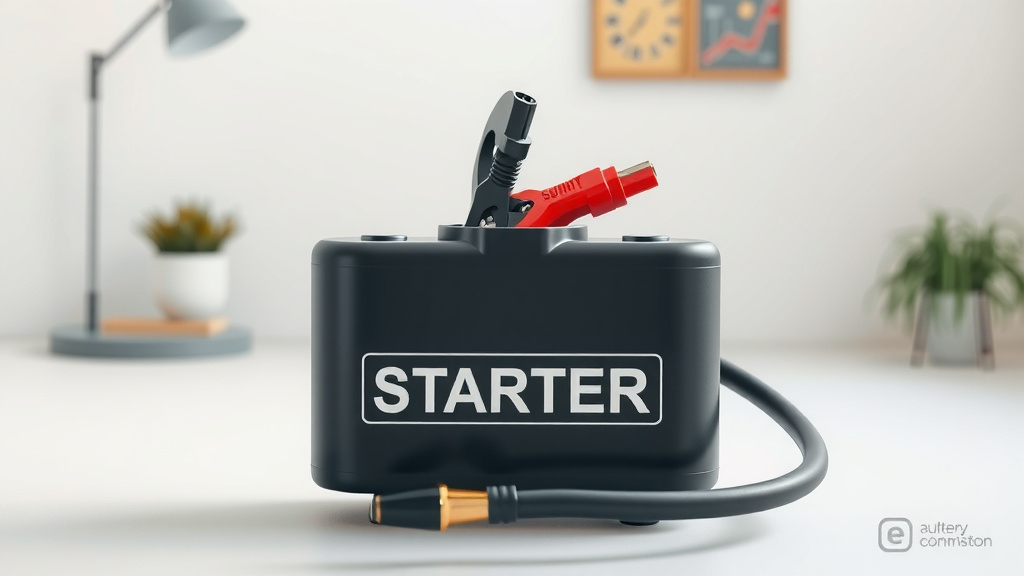
To use a jump starter air compressor, first connect the jump starter cables to your dead car battery, ensuring correct polarity. Once the car is started, you can then use the integrated air compressor feature to inflate tires by attaching the hose to the tire valve and setting the desired pressure.
This versatile tool helps you tackle both a dead battery and low tire pressure on the go, making it a handy companion for any driver.
Here’s a quick look at what you’ll find in this guide, helping you get back on the road fast:
- Discover why this combo tool is a lifesaver for roadside emergencies.
- Learn the simple steps to jump-start your car safely.
- Master the art of inflating your tires with the built-in compressor.
- Get expert tips for maintaining your device and handling common situations.
How To Use Jump Starter Air Compressor?
Using a jump starter with an air compressor is straightforward once you know the steps for each function. You’ll typically find dedicated ports and buttons for jumping a car and inflating tires, allowing you to tackle two common roadside issues with one compact device.
Why Even Consider a Jump Starter with an Air Compressor?
Imagine this: You’re running late, jump in your car, turn the key, and… nothing. The battery is dead. And just when you think it can’t get worse, you notice a tire looks a little flat. Sound familiar? That’s where this handy two-in-one device shines, making roadside woes a little less stressful.
More Than Just a Flat Tire Fix
This combined tool offers incredible convenience. Instead of carrying a separate jump starter and a stand-alone air compressor, you have one compact unit ready for action. Many experts say that combining these tools means fewer things to pack and faster response during an emergency (AAA).
Getting to Know Your Device
Before you dive into using it, take a moment to understand your specific jump starter air compressor. While most operate similarly, slight differences in button placement or display types can exist. Familiarizing yourself with its parts will make using it much easier.
What’s in the Box (or Integrated)?
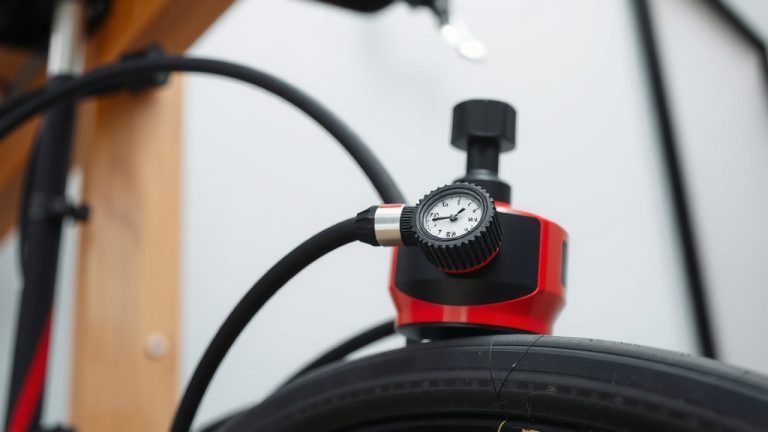
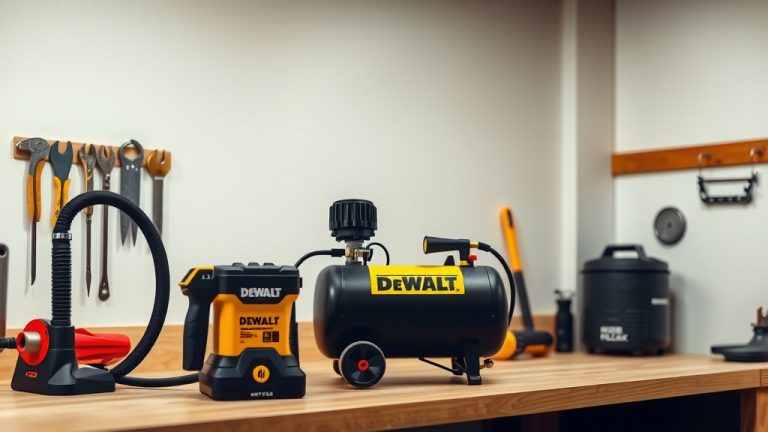
Typically, you’ll find heavy-duty jumper cables (red for positive, black for negative), an air hose with different nozzles, a pressure gauge (digital or analog), and charging ports. Some models also have LED lights for visibility or USB ports to charge your phone, which is a nice bonus.
Safety First: A Quick Check
Whenever you’re working with car batteries or pressurized air, safety is paramount. Taking a few moments for a quick safety check can prevent accidents and ensure you use the device correctly. We found that most incidents happen when basic safety guidelines are overlooked (NHTSA).
Your Safety Checklist
Before you begin, always run through these essential safety steps:
- Read your device’s instruction manual carefully.
- Wear safety glasses and gloves to protect yourself.
- Ensure your vehicle is turned off and the parking brake is engaged.
- Work in a well-ventilated area, avoiding fumes.
- Check the device’s charge level; it needs sufficient power for both functions.
Using the Jump Starter Function: Flat Battery Blues?
A dead battery is probably the most common reason people reach for this device. It’s a lifesaver when you don’t have another car for a traditional jump start. You can get your vehicle running again in just a few simple steps, often without needing help from anyone else.
Connecting for a Quick Start
Here’s the sequence for a successful jump start:
First, turn off your vehicle and any accessories. Next, connect the red positive clamp to the positive terminal on your dead battery. Then, attach the black negative clamp to a non-painted metal surface on the car’s engine block or frame, away from the battery. Many experts advise against connecting directly to the negative terminal on a dead battery to avoid sparks (Battery Council International).
Now, turn on your jump starter and wait a few seconds. Try to start your car. If it doesn’t start, wait a minute or two and try again. Once your car starts, immediately disconnect the black clamp first, then the red clamp. Let your engine run for at least 15-20 minutes to recharge the battery.
Using the Air Compressor Function: Tire Trouble?
Once your car is running, or if you just have low tire pressure, the air compressor function is next. This is incredibly useful for maintaining proper tire inflation, which helps with fuel efficiency and tire longevity. We often find that regularly checked tires last longer (Rubber Manufacturers Association).
Inflating Your Tires Like a Pro
To inflate your tires, first locate the tire valve stem and remove the cap. Screw the air compressor hose firmly onto the valve stem. Many devices will show the current tire pressure on their display. Use the controls to set your desired PSI (pounds per square inch), which you can find in your car’s owner manual or on a sticker inside your driver’s side door jamb.
Turn on the compressor. It will automatically stop once the desired pressure is reached. Detach the hose and replace the valve cap. Repeat for all other tires needing air. Don’t forget to check your spare tire, too!
Common Scenarios and Tips
While the basic operations are simple, sometimes you might encounter situations that need a little extra thought. Knowing how to react in these moments can save you time and frustration, reinforcing the idea of practical, real-world solutions.
What if Your Tire is Completely Flat?
If your tire is completely flat, sometimes called ‘on the rim,’ it might take longer to inflate. You may need to lift the car slightly with a jack to take the weight off the tire before inflating. This helps the tire bead seat properly against the rim, allowing air to hold. Always ensure your jack is placed securely.
Pumping Up Other Inflatables
Many jump starter air compressors come with various nozzles. This means you can use them for more than just car tires. Think about inflating bicycle tires, sports balls, or even air mattresses for camping trips. It’s a versatile tool that can truly simplify your life, expanding its usefulness beyond just emergency situations.
Maintenance for Longevity
Like any valuable tool, your jump starter air compressor needs a little TLC to keep working its best. Proper maintenance ensures it’s always ready when you need it most, preventing unpleasant surprises. Research often connects regular upkeep with extended product lifespan (Consumer Reports).
Keeping Your Device Ready
Here’s a simple guide to keeping your device in top shape:
Always recharge your jump starter after every use, even if it’s just partially drained. Store it in a cool, dry place, away from extreme temperatures. Check the cables and hoses periodically for any signs of wear or damage. Keeping it charged and in good condition means it will be there for you when a real emergency strikes.
Troubleshooting Common Issues
Even with the best tools, you might hit a snag. This table offers quick solutions to typical problems you might face, helping you get back on track without too much fuss.
| Problem | Possible Solution |
|---|---|
| Car won’t jump start. | Check clamp connections. Ensure jump starter is fully charged. Allow a few minutes between attempts. |
| Air compressor not inflating. | Ensure hose is tightly screwed to valve. Check for leaks in hose. Verify device is powered on for compressor mode. |
| Display showing error. | Refer to your user manual for specific error codes. Sometimes, simply restarting the device helps. |
| Device not holding charge. | Battery might be old or faulty. Ensure charger is working. Some devices have a limited lifespan for internal batteries. |
Conclusion
Having a jump starter air compressor is like carrying a little guardian angel in your trunk. It’s a versatile tool that addresses two of the most common vehicle emergencies: a dead battery and low tire pressure. By following these simple, practical steps, you can confidently use your device, staying safe and prepared for whatever the road throws your way. Remember, a little preparation goes a long way!
Can a jump starter air compressor replace professional roadside assistance?
While a jump starter air compressor is fantastic for minor issues, it can’t replace professional roadside assistance for major problems. It’s designed for convenience during common emergencies, like a flat battery or a slow leak, not for complex mechanical failures or severe tire damage. Think of it as your immediate helper, not a full-service mechanic.
How long does it take to charge a jump starter air compressor?
The charging time for a jump starter air compressor varies significantly by model and battery capacity. Smaller units might fully charge in 3-4 hours, while larger, more powerful ones could take 8-12 hours or even overnight. Always check your device’s manual for specific charging instructions and times.
Is it safe to leave a jump starter air compressor in my car?
Generally, it is safe to leave a jump starter air compressor in your car, but you should be mindful of extreme temperatures. Prolonged exposure to very high heat or extreme cold can affect battery life and performance. Storing it in the trunk, away from direct sunlight, is usually the best approach.
Can I use the air compressor function while jump-starting my car?
No, it’s not recommended to use both functions simultaneously. The jump starter and air compressor each demand significant power. Using them at the same time could overload the device, potentially damaging it or reducing its effectiveness for either task. Always complete one task before starting the other.
What is the typical lifespan of a jump starter air compressor?
The typical lifespan of a jump starter air compressor can range from 3 to 7 years, largely depending on the quality of the internal battery and how well it’s maintained. Regular recharging, even when not in use, and proper storage are key factors in extending its life. Like any battery-powered device, the internal battery will degrade over time.