How To Use Kensun Air Compressor?
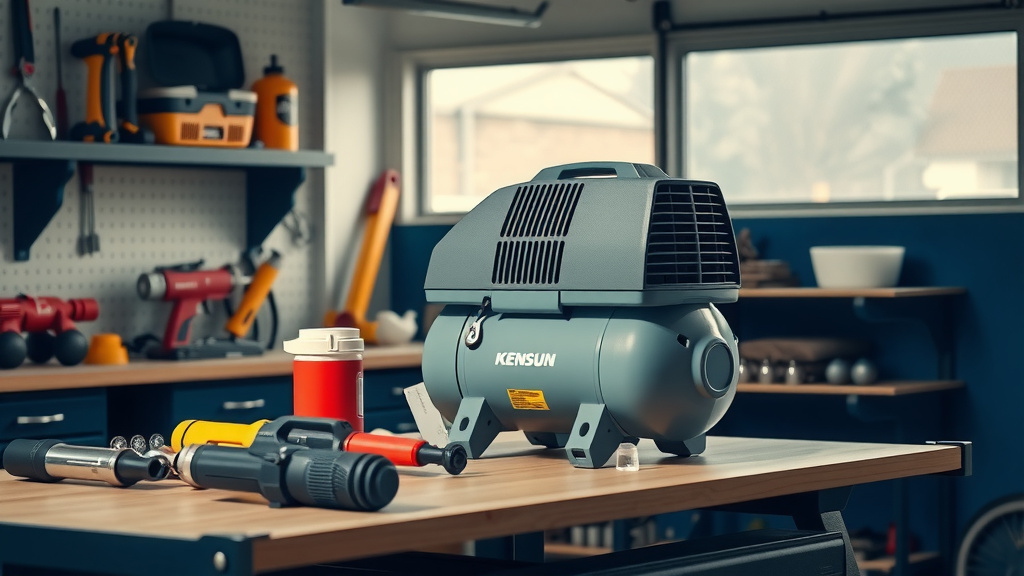
To use a Kensun Air Compressor, you typically connect it to your vehicle’s 12V power outlet, attach the air hose to your tire valve, and set the desired pressure.
Once the Kensun unit reaches the preset PSI, it automatically shuts off, ensuring precise and safe inflation for your tires or other inflatables.
Here’s a quick overview of how to get your Kensun Air Compressor working:
- Power it up: Plug your compressor into a suitable power source.
- Connect the hose: Securely attach the air hose to the item needing air.
- Set the PSI: Dial in your required pressure on the digital display.
- Start inflating: Turn the compressor on and watch the pressure rise.
- Automatic shut-off: The unit stops once your target pressure is met.
How To Use Kensun Air Compressor?
Using your Kensun Air Compressor involves connecting it to power, attaching the nozzle to your item, setting your desired PSI, and letting the compressor do the work for you.
Understanding Your Kensun Compressor
Kensun air compressors are known for their portability and ease of use. They are designed to be a reliable companion for on-the-go inflation needs, whether it’s a car tire, bicycle, or sports ball.
Before you even plug it in, it helps to get familiar with your specific model. Each Kensun unit comes with slight variations, but the core functions are very similar across the range, we found.
What’s in the Box?
Typically, your Kensun compressor package includes the compressor unit itself, a power cord (often 12V DC), an air hose with a screw-on or quick-connect nozzle, and several adapters. These adapters are designed for different types of valves, expanding its versatility.
Always take a moment to confirm all parts are present. A missing adapter can quickly put a stop to your inflation plans, wouldn’t you agree?
Safety First: Essential Precautions
Safety is always paramount when working with any electrical device, and air compressors are no exception. Always operate your Kensun compressor in a well-ventilated area to prevent overheating. We found that this is a common oversight.
Never leave the compressor unattended while it’s running. Keep children and pets a safe distance away. Many experts recommend wearing eye protection when inflating tires, as unexpected pressure releases can occur (National Safety Council).
Getting Ready: Pre-Inflation Steps
Alright, you’ve unboxed your Kensun, and you’re ready to get some air flowing! But first, a couple of quick checks to ensure a smooth operation. These steps prevent frustration later.
Locating Your Power Source
Most Kensun compressors use a 12V DC power source, usually a car’s cigarette lighter outlet. Ensure your vehicle’s engine is running when using the compressor to prevent draining your car battery. Some models also offer an AC wall adapter.
Check your compressor’s power cord length. You’ll want to make sure it reaches your tires or other items comfortably without straining. Think of it like connecting a garden hose; you need enough slack.
Connecting the Air Hose
Once powered up, connect the air hose to the item you want to inflate. For tires, you’ll typically screw the nozzle onto the tire’s valve stem until it’s snug. Don’t overtighten it, but make sure there’s no noticeable air leakage.
If you’re inflating a sports ball or an air mattress, select the appropriate adapter. Push the adapter onto the hose nozzle, then insert it into the item’s valve. It should fit securely and without wobbling.
The Inflation Process: Step-by-Step
Now for the main event – getting that air in! This is where your Kensun compressor truly shines, with its straightforward controls and smart features.
Setting Your Target Pressure (PSI)
Before turning it on, determine the correct pressure for your item. For car tires, you’ll find this on a sticker inside your car’s driver-side door jamb or in the owner’s manual. For other items, check their labels. This is your target PSI.
Use the digital display and control buttons on your Kensun compressor to set this target PSI. Many Kensun models allow you to toggle between PSI, KPA, and BAR. We found that PSI is the most commonly used unit in North America.
Starting the Compressor
With everything connected and the pressure set, you can now hit the power button. The compressor will start humming and begin to push air into your item. You’ll see the real-time pressure reading on the display as it inflates.
It’s a bit like watching a timer count up. You’ll see the numbers climb steadily. If you hear excessive hissing, double-check your connections for leaks, as this could slow down inflation.
Monitoring and Automatic Shut-off
The beauty of Kensun compressors is their automatic shut-off feature. Once the pressure in your tire or inflatable reaches the preset PSI, the compressor will automatically stop. This prevents over-inflation, which can be dangerous.
You don’t have to babysit it, but a quick glance now and then is a good idea. Once it stops, you can disconnect the hose. A tiny bit of air might escape when you detach it, which is completely normal.
When to Use Your Kensun Compressor
Your Kensun compressor isn’t just for flat tires. It’s a versatile tool for a range of everyday and emergency situations. We’ve seen them used in many different scenarios.
| Application | Ideal For | Key Benefit |
|---|---|---|
| Vehicle Tires | Cars, Motorcycles, Bicycles | Emergency roadside assistance, regular maintenance |
| Sports Equipment | Basketballs, Soccer balls, Footballs | Optimal play performance, consistent pressure |
| Inflatables | Air mattresses, Pool toys | Quick setup for leisure, convenient for camping |
Different Nozzles for Different Needs
Your Kensun compressor often comes with a few extra nozzles, transforming it into a true multi-tasker. Think of them as the right tool for the job, like having different wrenches in a toolbox.
- Needle valve: Perfect for inflating sports balls.
- Presta valve adapter: Essential for many bicycle tires.
- Plastic cone nozzle: Great for larger inflatables like air beds or pool floats.
Always keep these adapters organized in a small bag so they don’t get lost. You never know when you’ll need one!
Troubleshooting Common Issues
Even the most reliable tools can sometimes hit a snag. Don’t worry, many common Kensun compressor issues have straightforward solutions.
Not Turning On? Check This!
If your Kensun compressor isn’t powering up, first check the power source. Is the 12V plug securely seated in your car’s outlet? Is the car engine running? A common mistake is trying to run it without the engine on.
Also, check the fuse in the compressor’s plug. Many Kensun units have an easily replaceable fuse right in the tip of the power adapter. If it’s blown, a quick swap could be all you need.
Air Leakage Solutions
Are you losing air faster than it’s going in? Air leaks can be frustrating, but they’re often easy to fix. Here’s a quick checklist:
- Tighten connections: Ensure the air hose is snugly screwed onto the tire valve.
- Inspect the valve stem: Check for any damage or debris on the tire valve itself.
- Check nozzle seal: Make sure the compressor’s nozzle is fully engaged.
- Examine the hose: Look for any visible cracks or punctures in the air hose.
- Proper adapter use: Confirm you’re using the correct adapter for your item.
A little soapy water applied to connections can reveal tiny bubbles, indicating exactly where a leak might be, according to maintenance guides.
Maintaining Your Kensun Compressor
A little care goes a long way in ensuring your Kensun compressor lasts for years. Proper maintenance extends its lifespan, just like regular oil changes for your car.
Cleaning and Storage Tips
After each use, give your compressor a quick wipe-down with a damp cloth to remove any dirt or dust. Ensure it’s completely dry before storing. This prevents build-up that can affect performance.
Store your Kensun compressor in a cool, dry place, away from extreme temperatures and direct sunlight. Coiling the power cord and air hose neatly prevents kinks and damage. Many experts suggest keeping it in its original bag or a dedicated storage case to protect it from impacts.
Conclusion
Using your Kensun Air Compressor is a straightforward process that offers great convenience and peace of mind. By following these simple steps—from initial setup to inflation and maintenance—you’ll keep your tires and inflatables perfectly topped up. It’s a small tool with a big impact on your daily life, making sure you’re ready for whatever the road throws your way. Remember, a well-maintained and correctly used compressor is your reliable partner for keeping things inflated and moving forward.
How do I know the correct tire pressure for my vehicle?
You can find the correct tire pressure (PSI) for your car on a sticker located inside the driver’s side door jamb, in your vehicle’s owner’s manual, or sometimes on the fuel filler door. Never rely solely on the PSI stamped on the tire’s sidewall, as that’s the maximum pressure, not the recommended operating pressure.
Can I use my Kensun Air Compressor for large truck tires?
Kensun compressors are primarily designed for standard passenger car tires, bicycles, and smaller inflatables. While some models might handle light truck tires, they may take significantly longer or struggle to reach higher pressures required for larger vehicles. Always check your specific Kensun model’s maximum PSI capability.
What should I do if my Kensun compressor overheats?
If your Kensun compressor feels excessively hot or automatically shuts off mid-operation, it might be overheating. Turn it off immediately, unplug it, and let it cool down for at least 15-20 minutes in a well-ventilated area before attempting to use it again. Running it for extended periods without a break can cause overheating.
Is it normal for air to hiss when disconnecting the hose from the tire valve?
Yes, it is completely normal for a small amount of air to escape with a brief hiss when you disconnect the air hose from the tire valve. This is just the pressure equalization from the hose itself and not a sign that your tire is deflating or that anything is wrong with the compressor.
How often should I check my tire pressure?
Many automotive experts recommend checking your tire pressure at least once a month, as well as before long trips or if there are significant temperature changes. Proper tire pressure helps improve fuel efficiency, extends tire life, and enhances overall vehicle safety.